
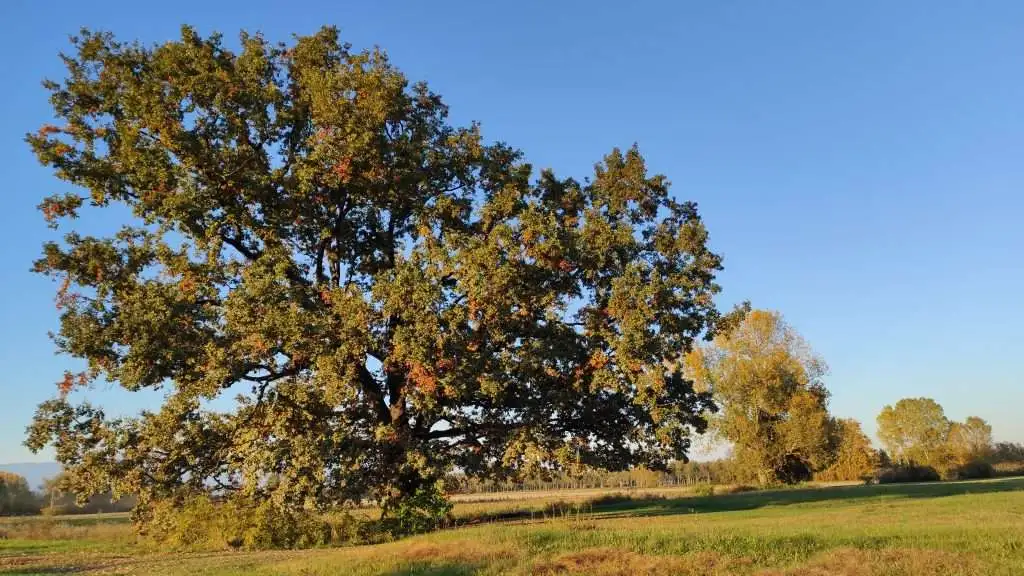
Things to do in Portobuffolè: Prà dei Gai and the centuries-old oak
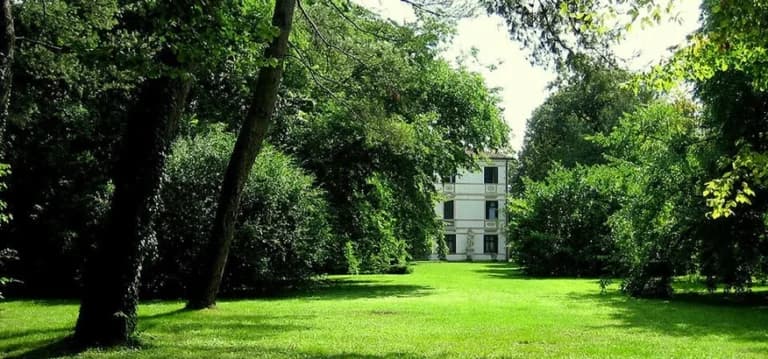
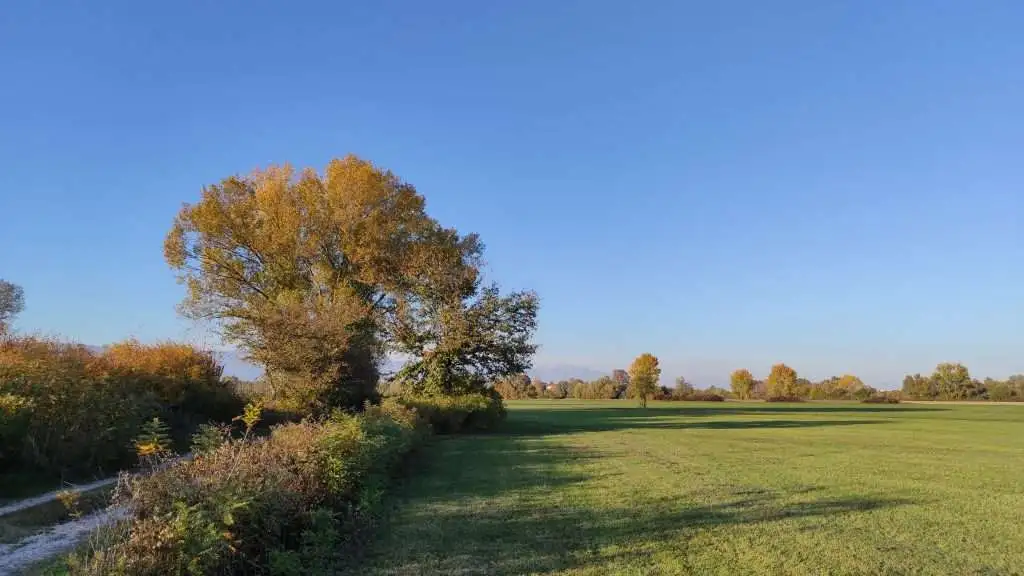
The Prà dei Gai constitute a vast ecological lung that extends for 340 hectares between the municipalities of Portobuffolè, Mansuè and Gorgo al Monticano in the province of Treviso and the municipality of Prata in the province of Pordenone.
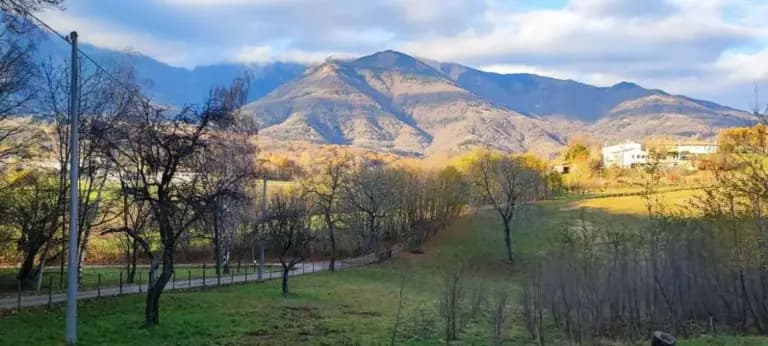
The splendid green lung offers suggestive panoramic views over the vast meadow expanse, partly cultivated, partly dedicated to grazing.
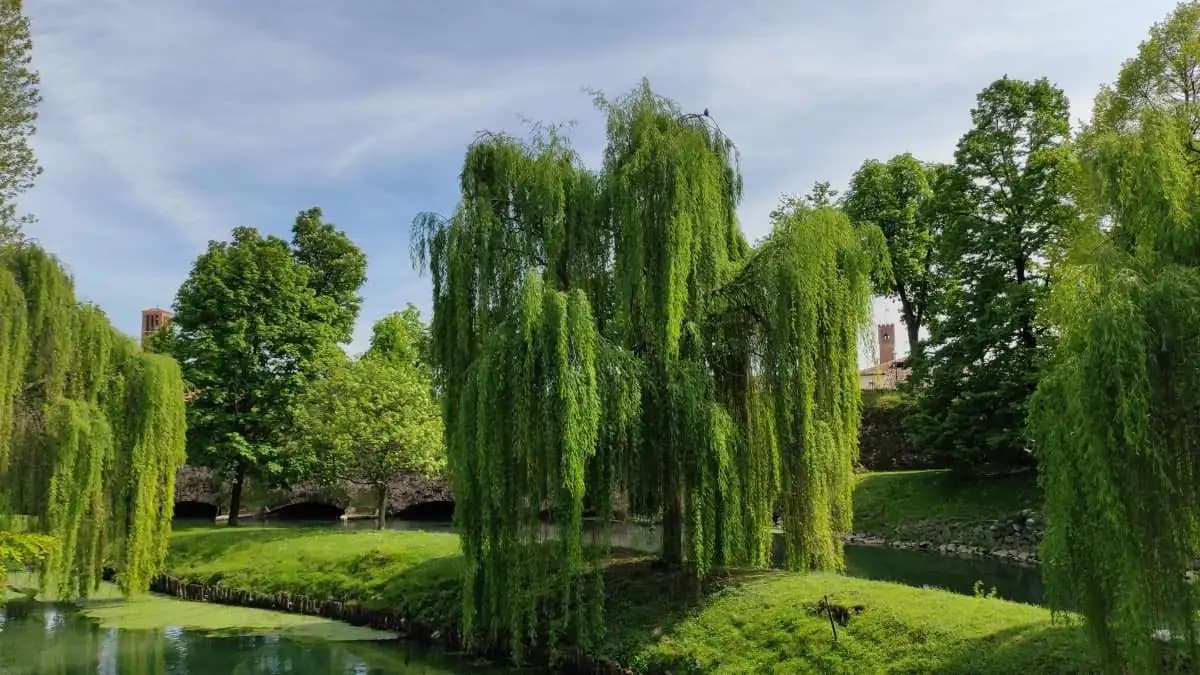
The notable fertility of the soil is determined by the presence of the Livenza, whose banks, rich in arboreal, shrubby and riparian vegetation, are often subject to overflows that cause the flooding of the natural oasis,
The lush and fertile environment of the Prà dei Gai is also linked to the course of the Rasego, a spring-fed stream born in Fontanelle and a tributary of the Livenza.
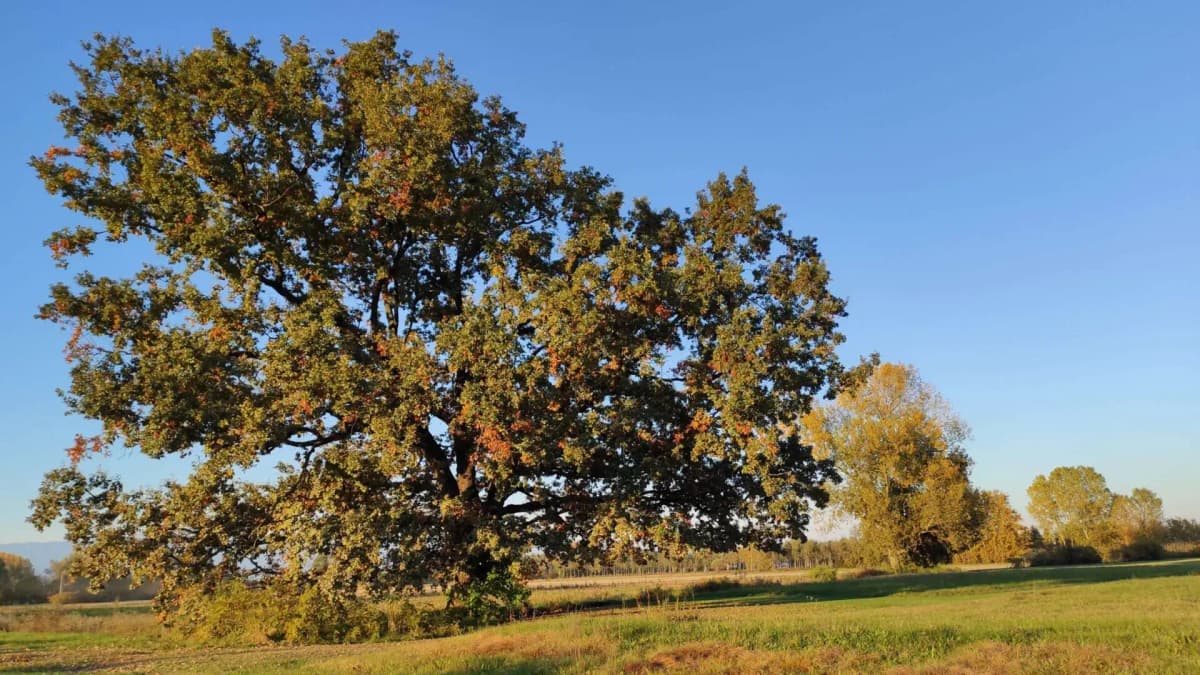
Of notable environmental interest, a majestic centuries-old oak towers over the immense, lush meadow expanse.
The GiraLivenza
The cycle route winds through Friuli Venezia Giulia and Veneto following the course of the Livenza River, whose sinuous path originates from the Friulian springs at the foot of the mountains of the Cansiglio-Cavallo group and stretches for about 115 km through the provinces of Pordenone, Treviso and Venice until reaching the municipality of Caorle and flowing into the Adriatic.
For cycling enthusiasts wondering what to do in Portobuffolè, the GiraLivenza is an unmissable nature itinerary!
Visit Ponte Friuli
Ponte Friuli is the first stone bridge built over the Livenza.
Dating back to the second half of the 18th century, Ponte Friuli stands along that stretch of the Livenza diverted at the beginning of the 20th century due to numerous floods and the decreasing importance of naval transport in this city, once home to a thriving river port for the trade of valuable materials.
Porta Friuli
The wide arches, rising above the canal once crossed by the Livenza and now covered by a peaceful grassy mantle, lead to Piazza Vittorio Emanuele through the spectacular Porta Friuli (so called because it welcomed guests from the same region), which is adorned by the enchanting charm of the rock-carved mouth of truth, the majestic Marcian lion on whose book stand out the words “Rights and duties of man and citizen”.
Visit to the Monte di Pietà
Dating back to the 15th century, the Monte di Pietà is an institution aimed at granting low-interest loans.
Built next to the Palazzo Pretorio, the Monte di Pietà bears precious painted decorations on the facade depicting the cardinal and theological virtues: Fame, distinguishable by the symbol of trumpets, Justice, recognizable by the scales, Charity, around which the figures of several children can be distinguished, while the last figure is depicted with a bow and quiver and perhaps represents preaching.
Another element of notable historical and artistic interest is the Marcian lion with the closed book enclosed in a roundel.
Visit to the Torre Civica
The only survivors of the fortified system of Portobuffolè, the medieval walls of the towering defensive building combine the austere and powerful character of medieval bastions with the aesthetic quality of the Renaissance style, identifiable in the 16th-century friezes that embellish the brick facade and at the same time testify to the artistic and cultural evolution that over the centuries has distinguished the dynamic and vital soul of Portobuffolè.
Currently, this treasure chest of history and culture is open to the public and today houses the museum of peasant civilization and craftsmanship of Alto Livenza, an itinerary that displays artifacts related to agricultural work, livestock breeding, and craftsmanship before modern mechanization and mass production made these tools obsolete.
Admire the Duomo of Portobuffolè
Located at Piazza Vittorio Emanuele, 2, 31040, the church of San Marco Evangelista represents the center of the spiritual life of the community of Portobuffolè.
The austere 16th-century place of worship features an elegant gabled facade with hanging arches at the cornices.
Inside, the wide and bright nave is flanked by two smaller side aisles.
Another highlight is the spectacular pipe organ built by the Callido house.
Visit the house of Gaia da Camino
Daughter of Gherardo III da Camino, the noblewoman had married her cousin Tolberto III in 1291. The couple, lords of Portobuffolè, had established their majestic residence here (Via Businello, 2, 31019 Portobuffolè).
The facade of the noble residence is distinguished by the presence of evocative trilobed mullioned windows punctuated by refined lotus flower capitals.
The ground floor housed the servants while the first and second floors, decorated with bright frescoes, were reserved for the lords.
If you are wondering what to do in Portobuffolè, the house of Gaia da Camino is one of the most fascinating places in the Veneto region.
Visit the Church of San Rocco
Located at Via Roma, 27, 31040 Portobuffolè (TV), the church is dedicated to the cult of San Rocco, a French pilgrim and thaumaturge who lived in the 14th century and considered capable of protecting from the terrible plague.
The facade of the church, bearing two tall arched windows with the rose window in between, faces the road that separates it from a vast meadow expanse from which the top of the Torre Civica can be glimpsed.
Inside the wide nave are kept a valuable stone altar with a sculpture of the Madonna seated on a chair with the Baby Jesus on her lap.
Oratory of Santa Teresa
Located on Via Roma, 31040 Portobuffolè (TV), the white place of worship is the oratory of Villa Cellini-Giustinian, a splendid 17th-century noble residence.
Dedicated to Santa Teresa, a Spanish religious and mystic who lived in the 16th century, the building has a majestic facade punctuated by pilasters supporting the pediment adorned with dentil moldings.
The massive wooden door is surmounted by a broken arch pediment in the center of which stands the bust of Santa Teresa.
Completing the vertical development of the structure, three acroteri depicting Faith, Hope and Charity adorn the vertices of the church’s pediment.
The sumptuous interiors of the building feature spectacular centuries-old frescoes, white marble sculptures, and a striking red wooden crucifix
The bright stained glass windows and the skillful chromatic contrast generated by the refined geometric patterns of the flooring testify to the remarkable artistic and craftsmanship skill of Veneto.