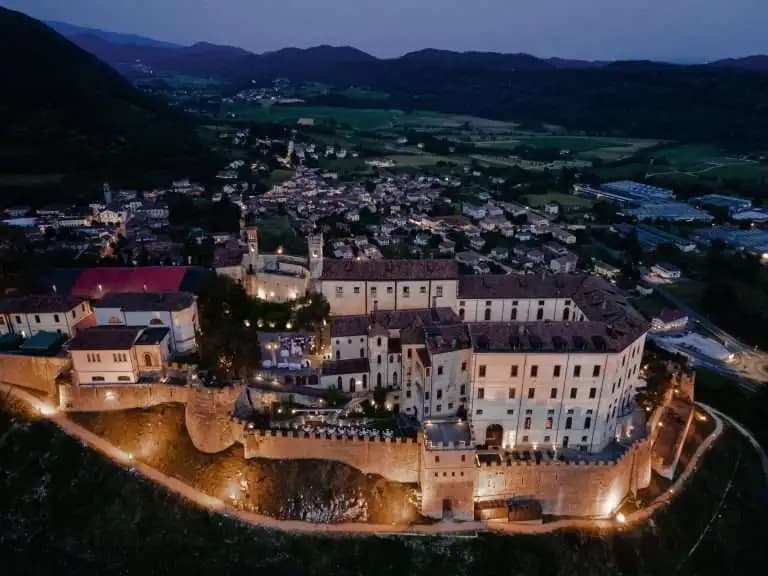

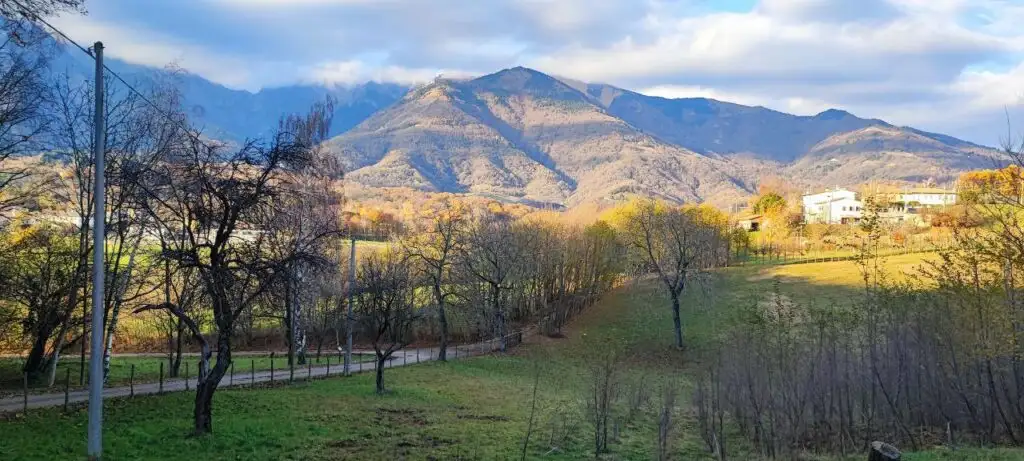
Discover what to see in Castelcucco in the province of Treviso (here’s how Piazza dei Signori looked about 270 years ago!): immersed in the verdant landscape that stretches between the gentle hillsides of Asolo and the steep slopes of Monte Grappa, the municipality of Castelcucco constitutes a precious element of the natural, historical, and artistic heritage of the region, which welcomes thousands of visitors each year, attracted by the mild climate, the hospitality of the local population, and the spectacular cultural mosaic offered by this small and charming municipality, unique of its kind.
Archpriest Church of San Giorgio in the Municipality of Castelcucco
The Lombard church dedicated to San Giorgio (soldier martyr of Christianity, lived between the 3rd and 4th centuries and author of legendary deeds such as the killing of the dragon that tormented the Libyan people of Silena) underwent several restoration interventions during its thousand-year history.
Perched on the top of a hill, the white place of worship is distinguished by a double-pitched façade, vertically tripartite by four pilasters on which rest the architrave, the frieze (rhythmed by triglyphs and blind metopes) and the triangular pediment.
The interior of the church is accessible through the sumptuous portal adorned with a rococo stucco decoration depicting San Giorgio.
Castle of Col Muson in Castelcucco
Among the numerous historical testimonies that dot the foothill landscape of Grappa, the evocative medieval castle located on the top of Col Muson stands out. This imposing fortification, strategically positioned on the top of the hill, dominates the surrounding territory offering a panoramic view of the heights and the valley below.
The north wall of the castle seems to challenge a harsh and steep rocky wall, while the south area is characterized by a series of terraces.
The structure has two rooms connected by a narrow passage from which a circular limestone reservoir for water collection emerged.
Itinerary in Castelcucco: the shortest way to reach the castle
The ruins of the castle, the centuries-old beech tree, the spring, the church of Santa Giustina.
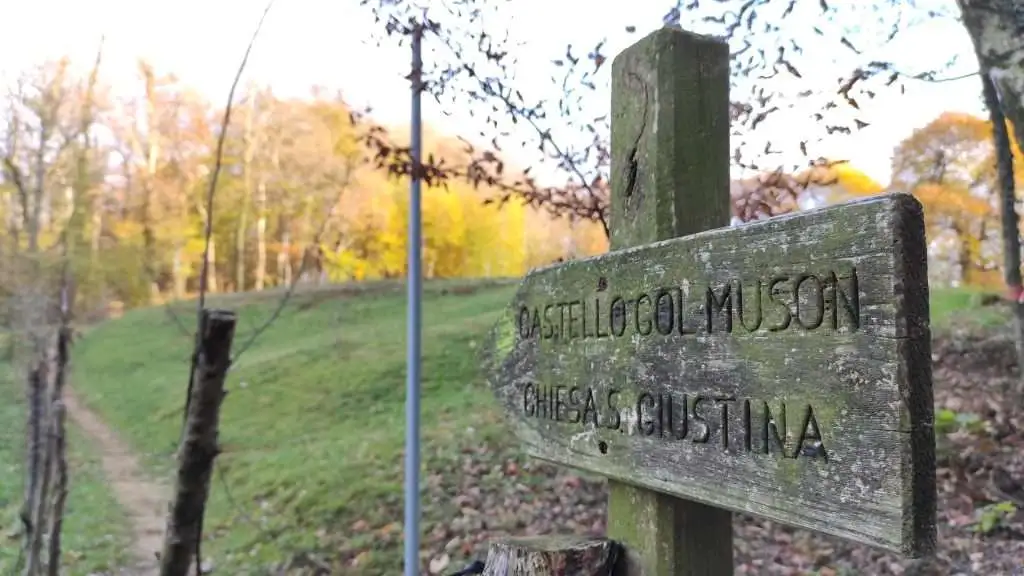
The starting point of the trail is in Via Bassi, near the Baita Alpina, in the neighboring municipality of Paderno del Grappa (coordinates: 45.83701812872409, 11.863054976052885). We parked in a recess on the roadside a short distance from the beginning of the path, appropriately signposted, which leads to the ruins of the medieval castle.
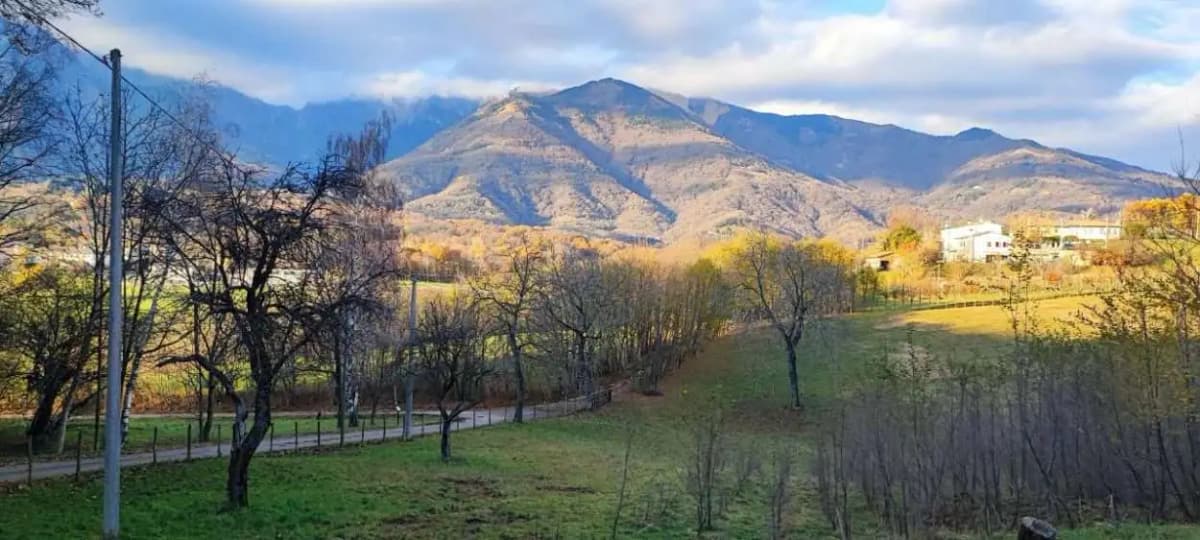
The path winds for a short stretch along a grassy slope from which you enjoy a suggestive view of the hills of Possagno and Paderno del Grappa dotted with olive trees, punctuated by vineyards and covered with lush woods.
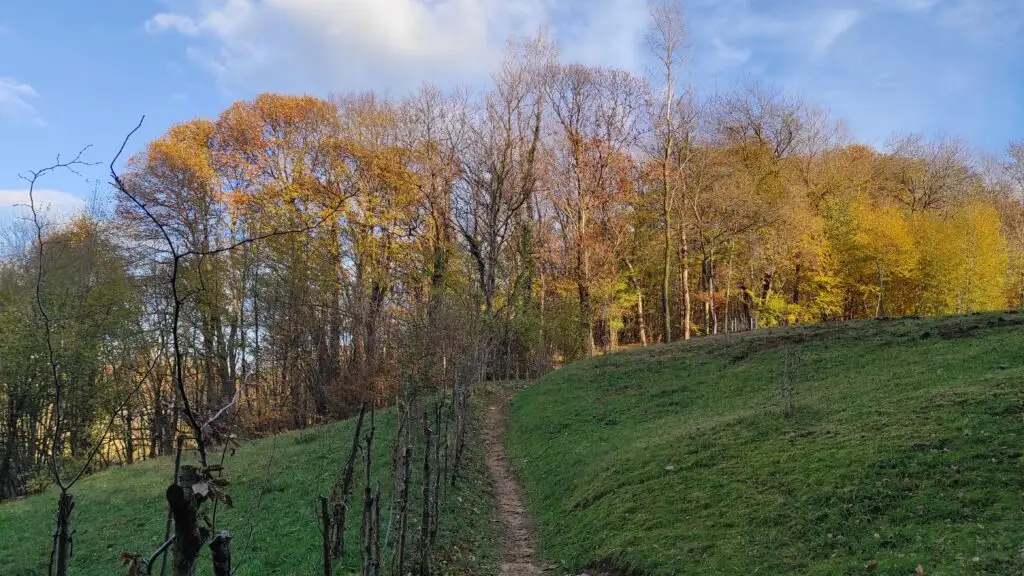
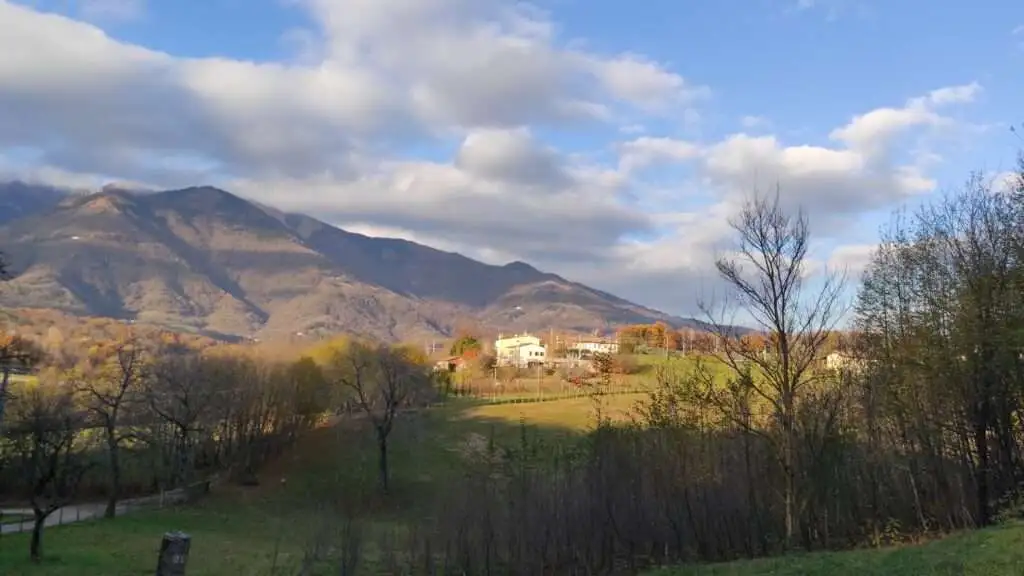
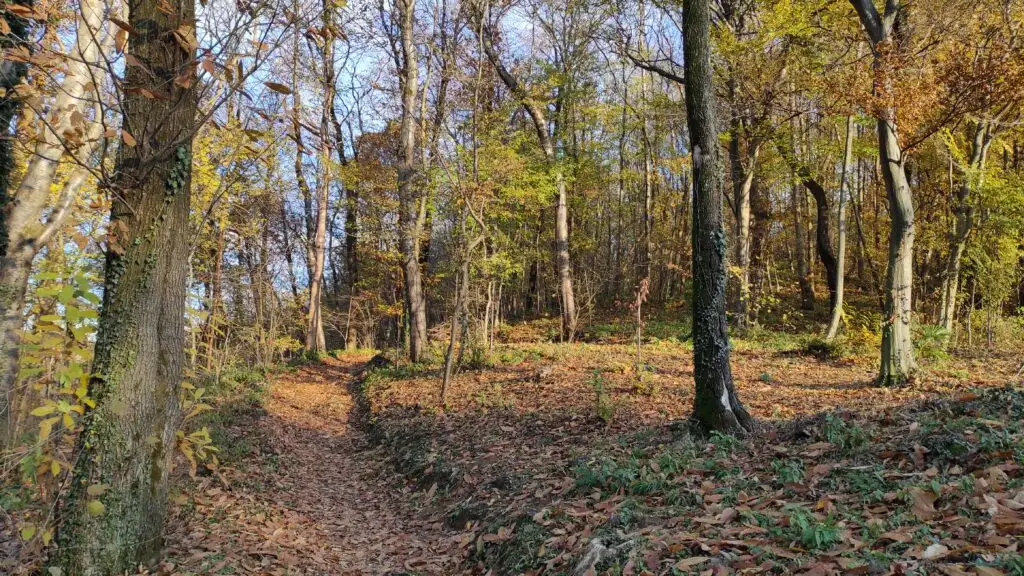
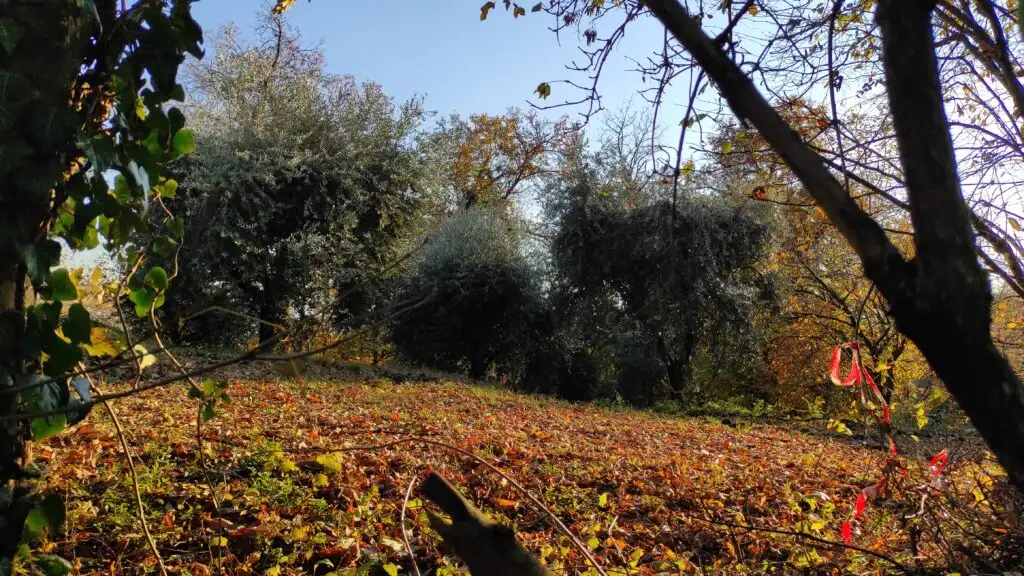
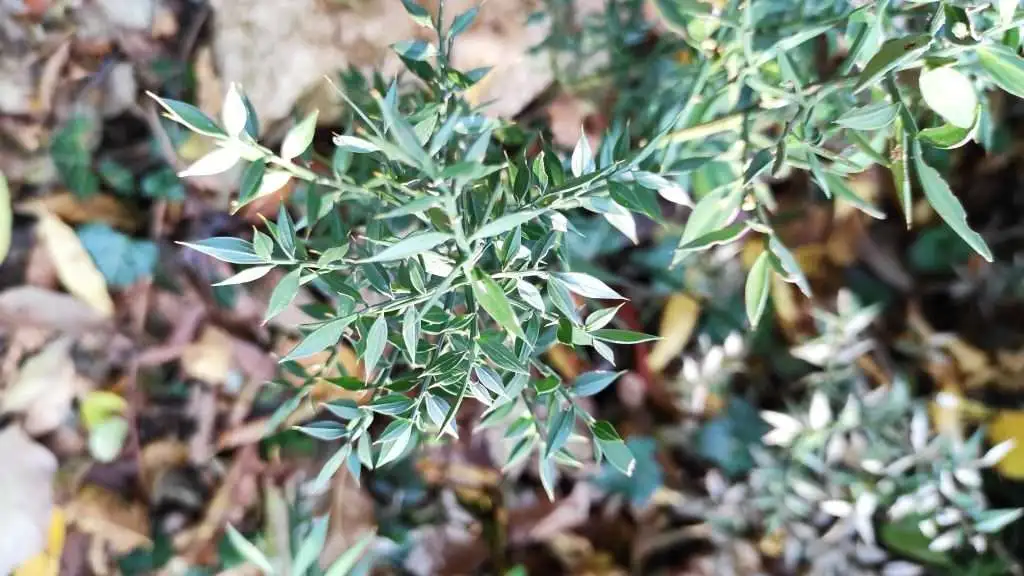
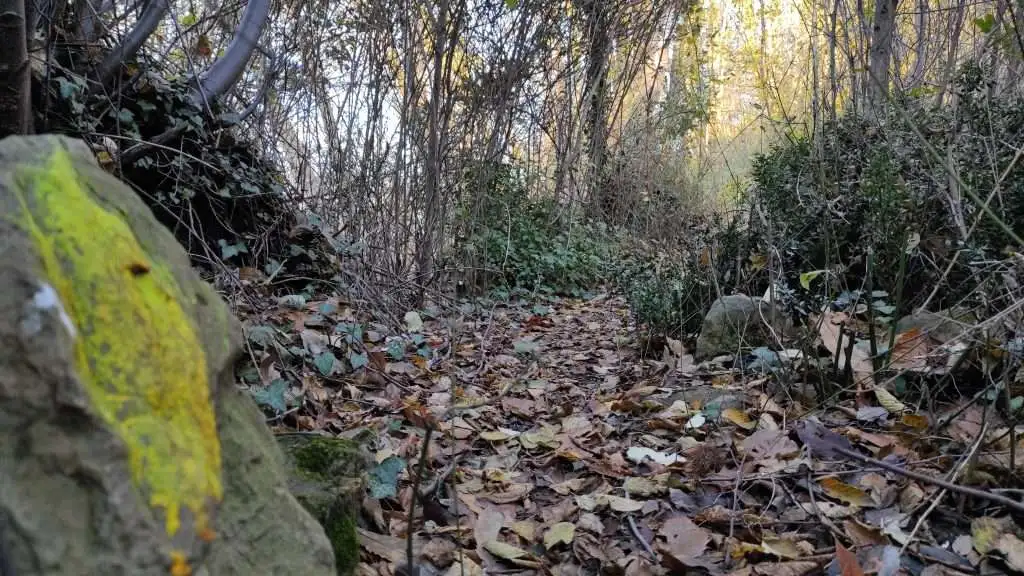
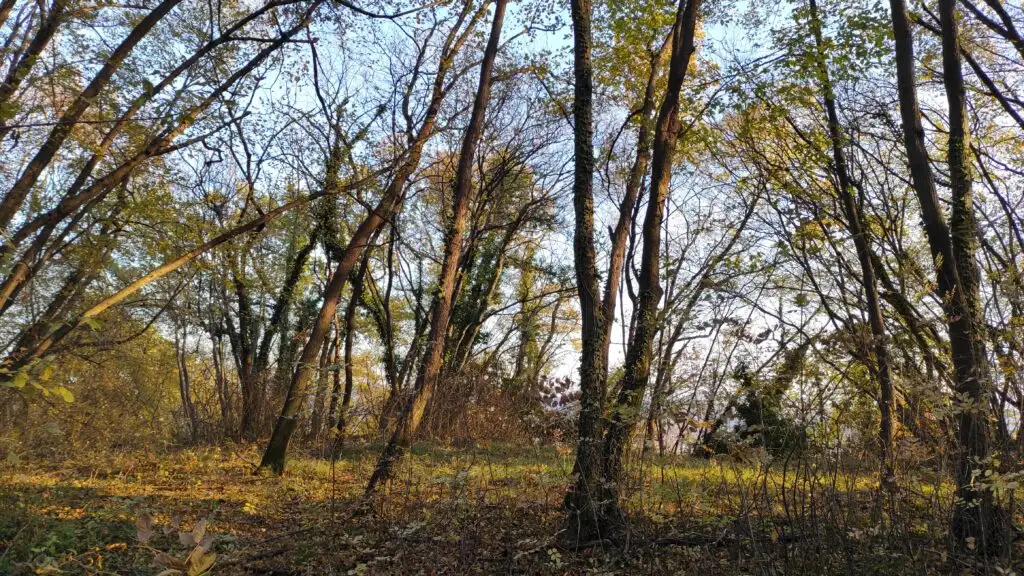
After about 20 meters, the trail enters the forest of chestnuts, field maples, elms, beeches, hornbeams, birches, oaks and downy oaks. From the dirt track covered with damp leaves, some rocks veiled with moss emerge, wrapped in ivy, butcher’s broom, cyclamens and ferns. Through the dense vegetation, suggestive panoramic views can be glimpsed, to the north, of the Grappa massif, to the south, of the Asolan Hills.
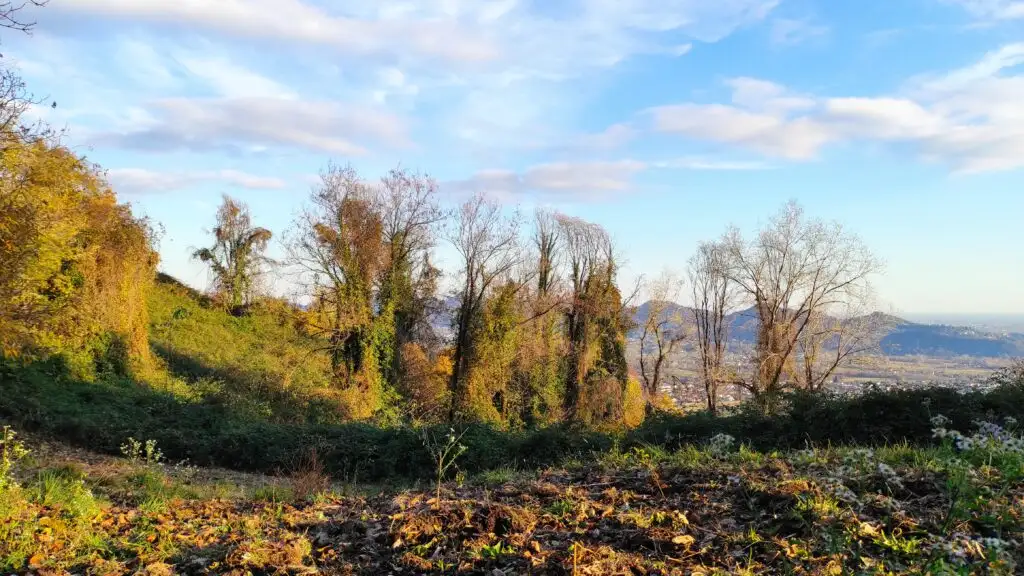
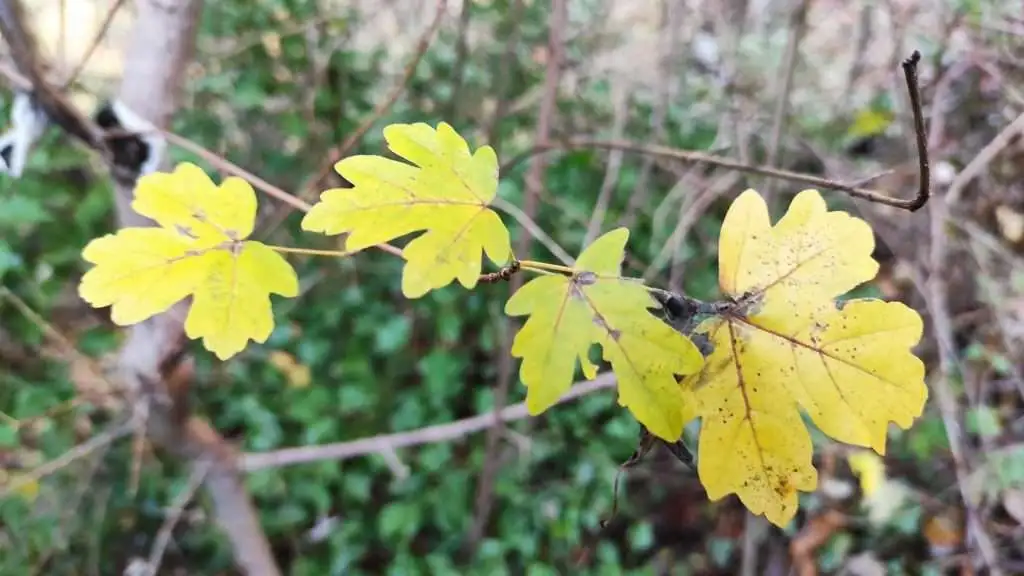
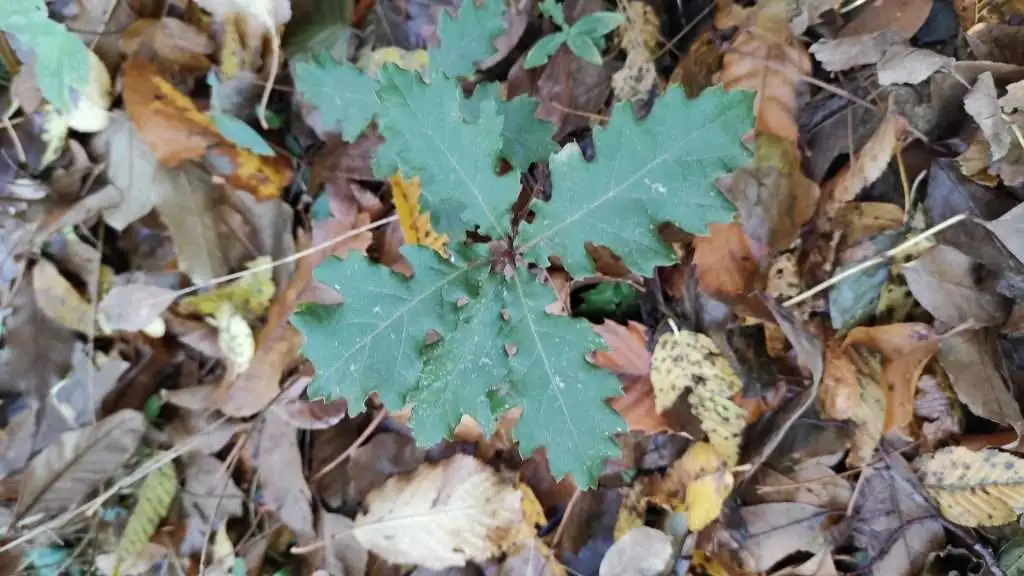
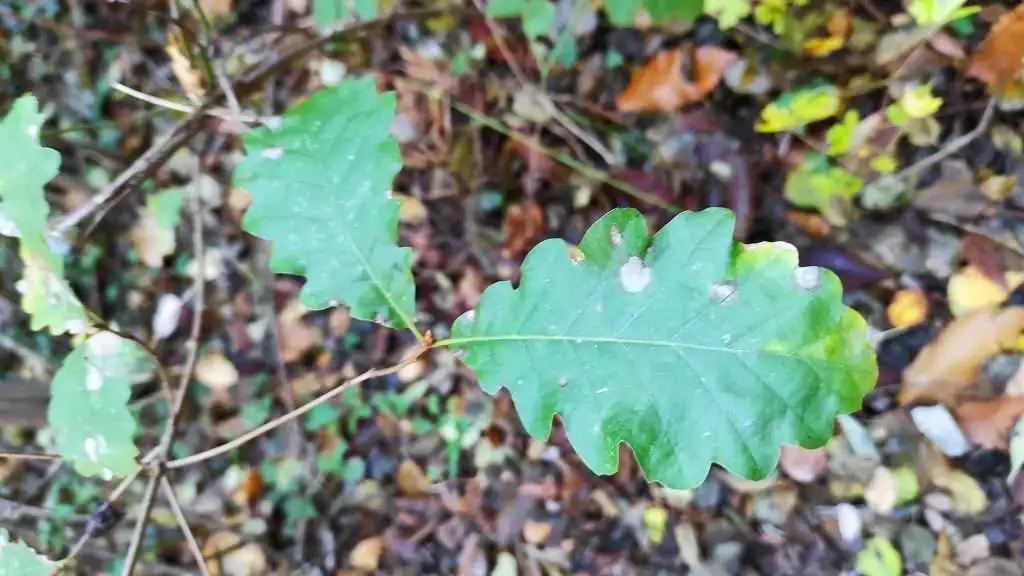
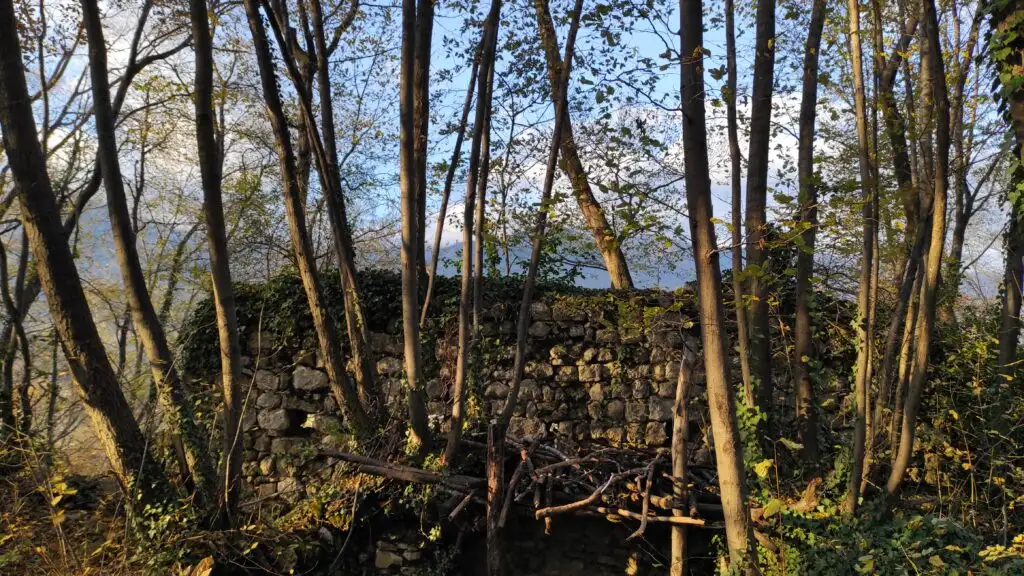
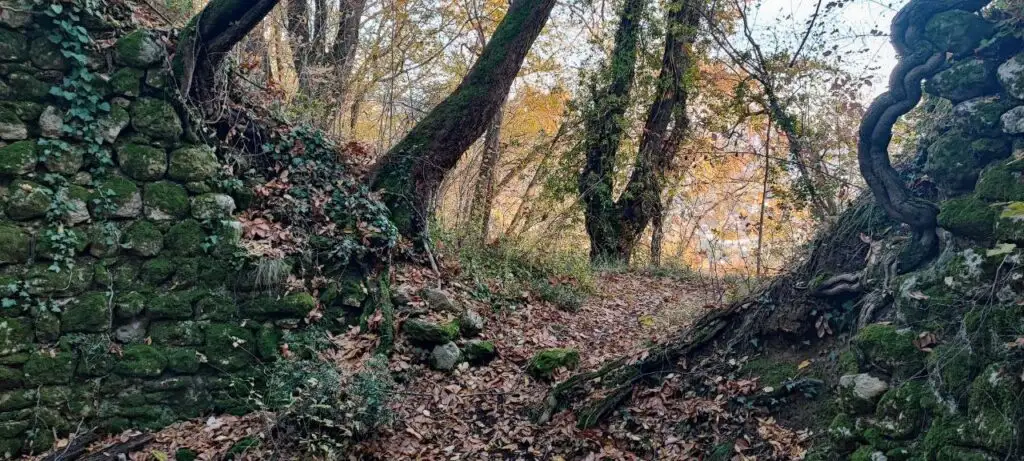
Keeping to the right as indicated by the yellow signage, after about 300 meters of gentle ascent, the path quickly becomes steeper and leads to the remains of the medieval castle. Built between the 12th and 14th centuries, the fortified complex extends for about 150 meters along the ridge of Col Muson which delimits Val Cavasia to the south. Towering on the top of Col Muson at 387.5 meters, the summit of the castle, dotted with beeches, is delimited by mighty stone walls covered with ivy.
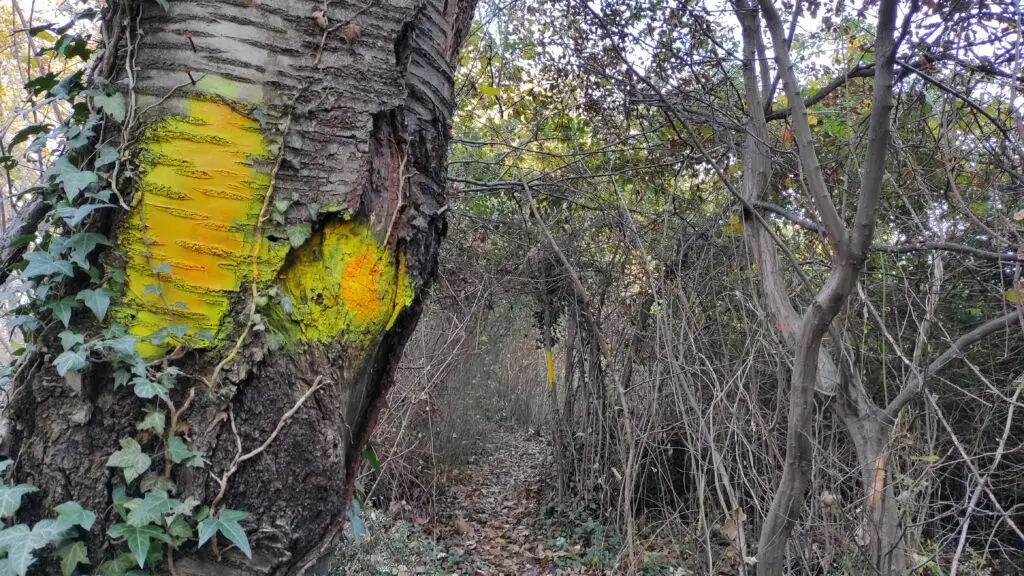
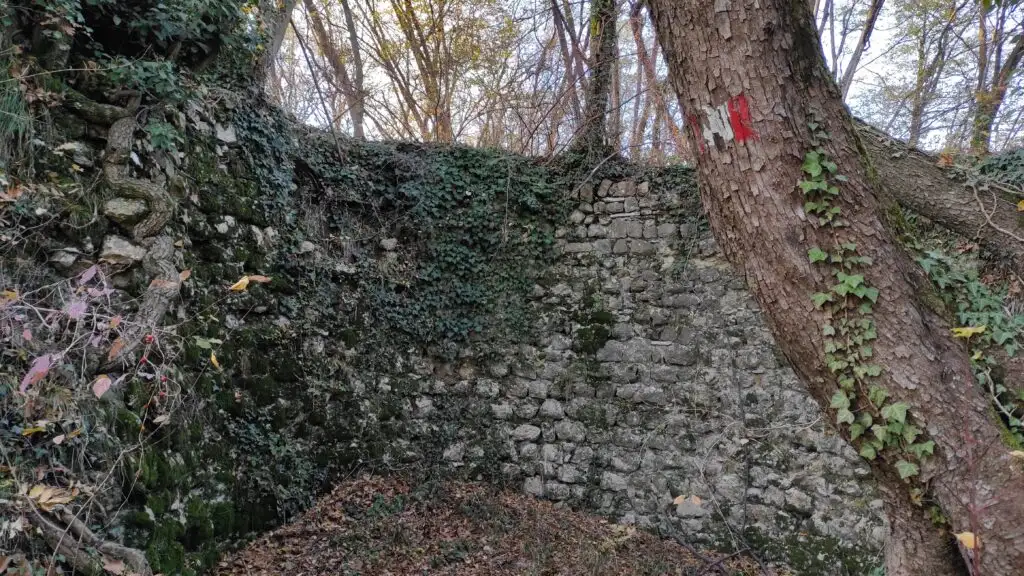
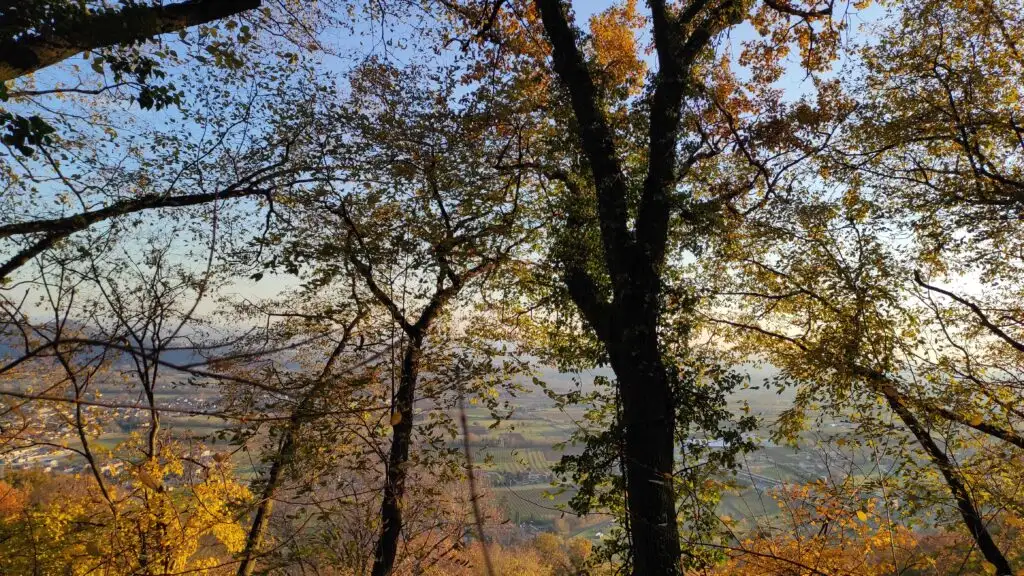
The centuries-old beech tree, the spring of Col Muson
The path proceeds westwards until it reaches Via Col Muson. Keeping to the right, proceed downhill until you reach a sign with historical information about the castle and a panel with a map of the trails of Col Muson and the church of Santa Giustina. Keep left until you reach the signage for trail 10 and trail 13. Follow the directions for trail 10, Val dea Tor.
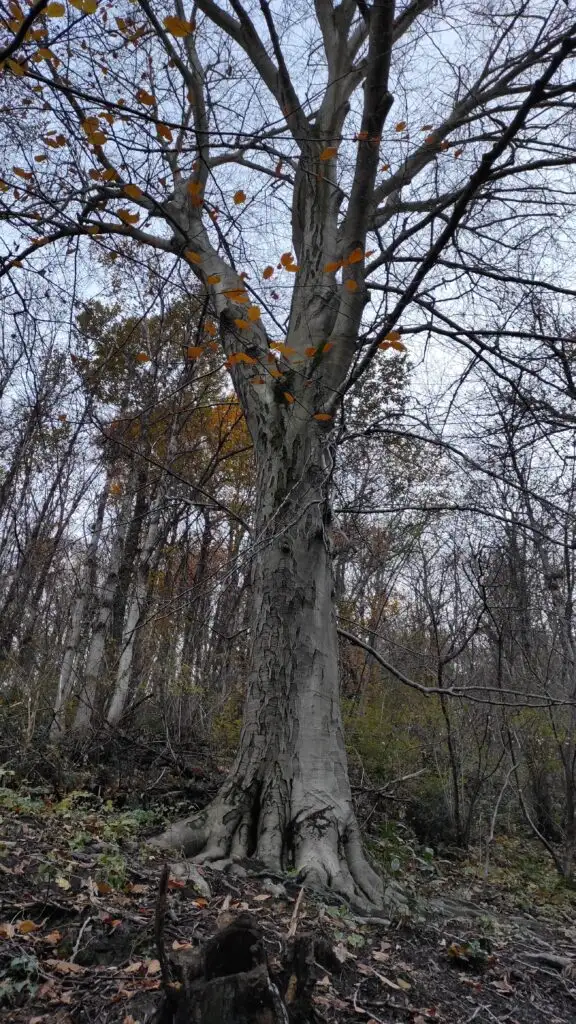
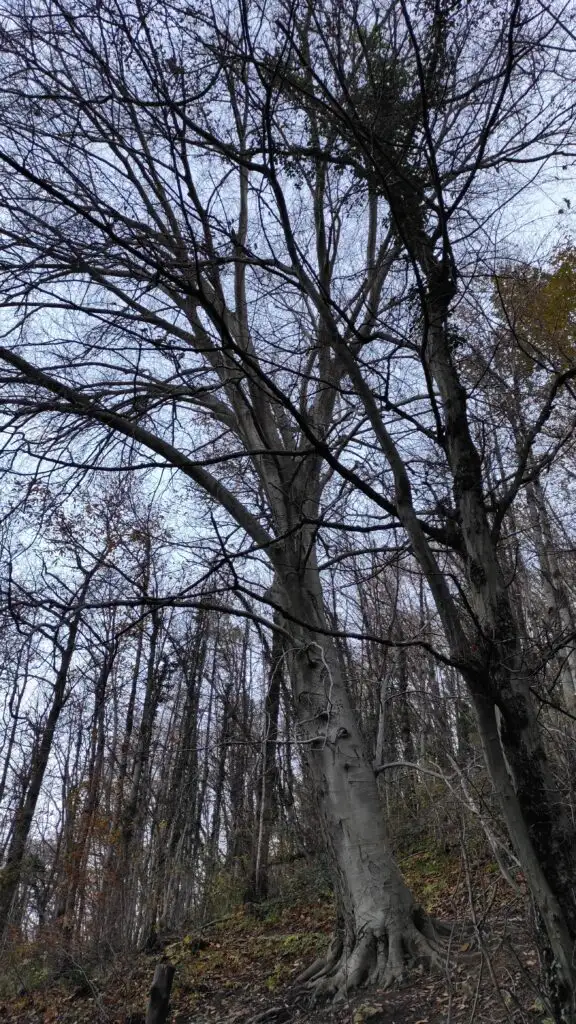
Covered, in the autumn season, with a golden mantle of chestnut leaves, the path leads to a majestic monumental beech tree that stands imposingly in the heart of the forest.
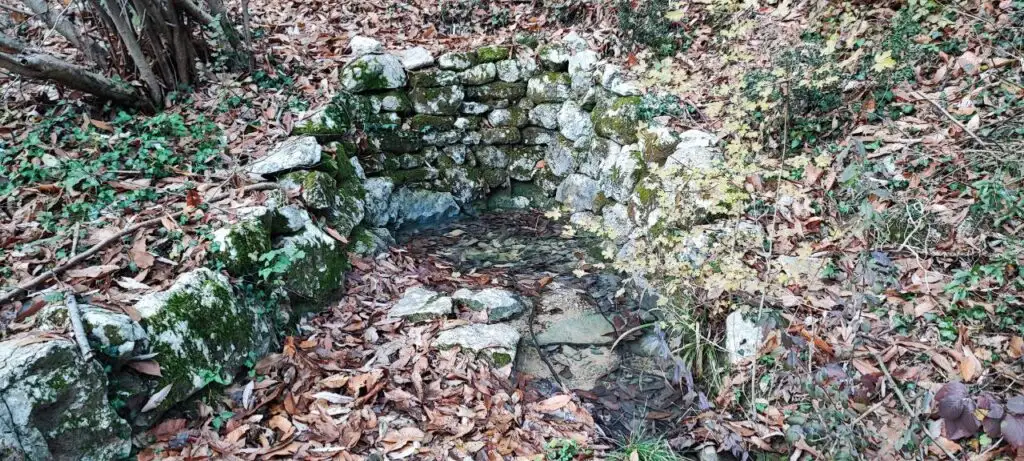
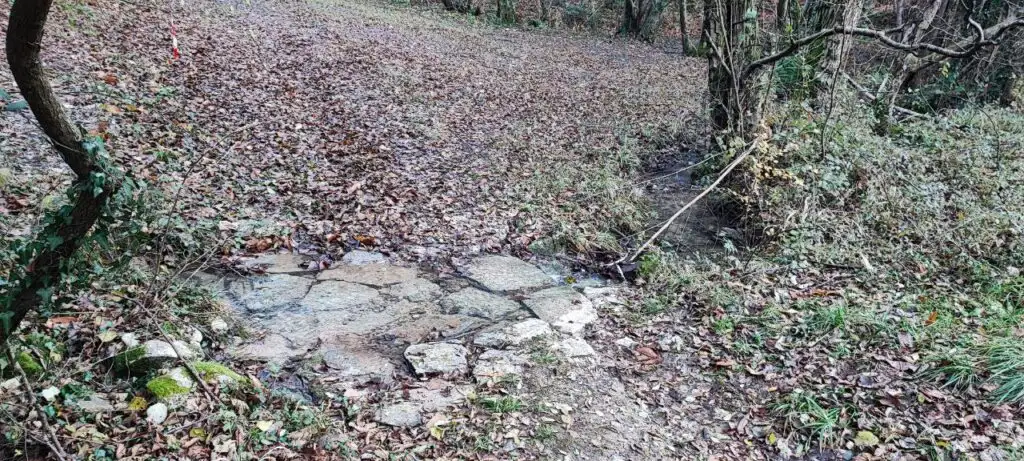
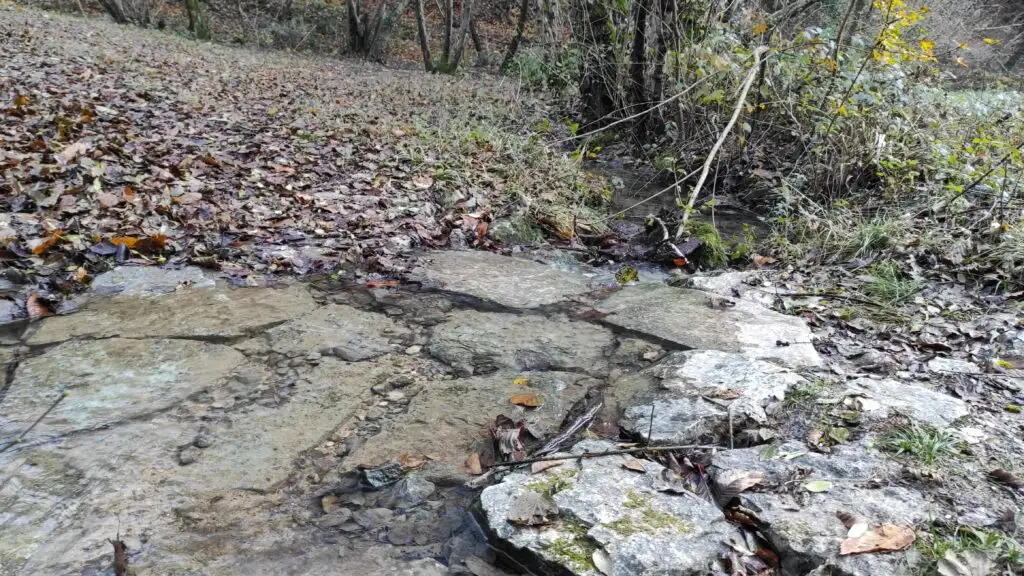
Continue along the downhill path until you reach the clearing where a crystalline spring surrounded by a stone wall is located.
The church of Santa Giustina
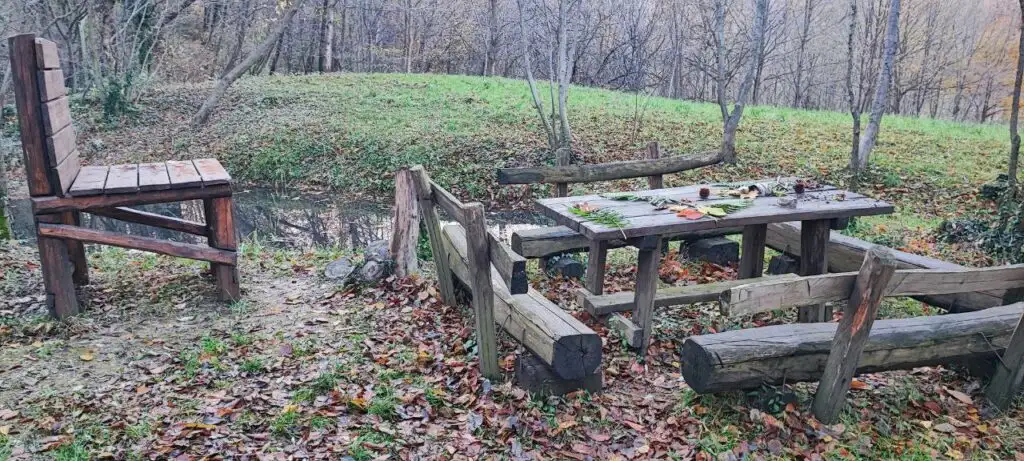
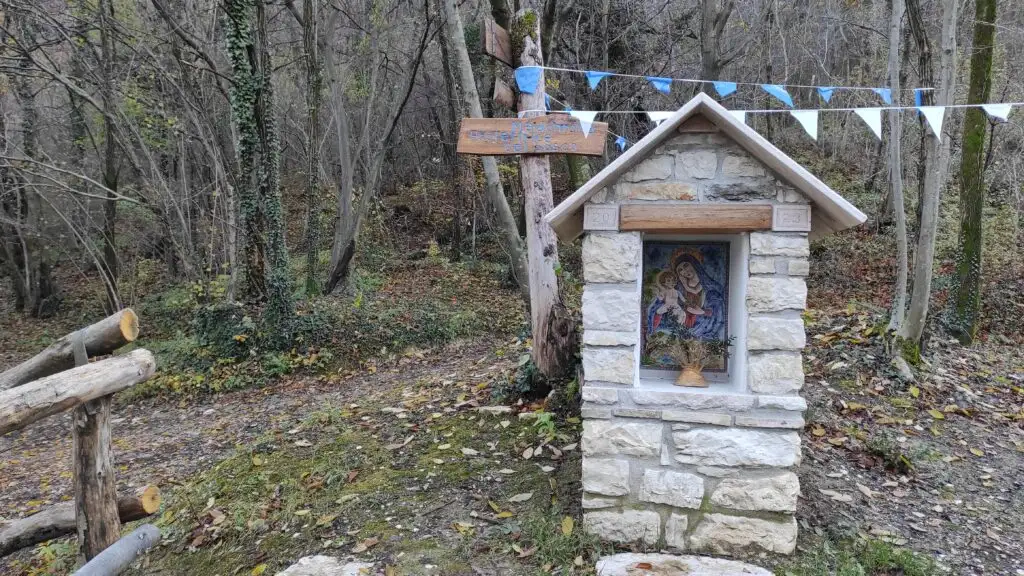
Near the Val dea Tor spring, a steep path climbs northwards leading to the church of Santa Giustina, a place of worship built on Roman foundations framed by acacias, hornbeams and cypresses. Leave the façade of the medieval church behind you and take the path westwards that leads to Fossa Casona Paetot and then to Fossa Cunial, where you will find a table with benches, the aedicule of the Madonna protector of the woods and a large wooden chair.
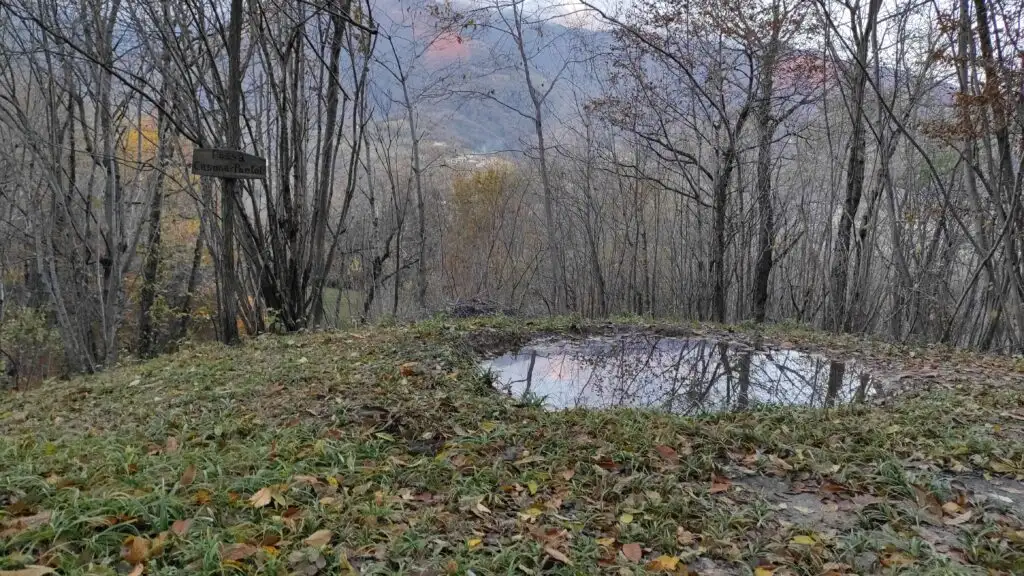
Follow the directions for the Col de Schiao loop. Go around Col Schiao ignoring the expert trail that leads to the top of the hill. Leave trails 10 and 13 to your left and proceed to the fork, then keep left and follow the directions for trail 12 b which brings you back to the summit of Col Muson, from where you can proceed backwards until you return to the starting point.
Nature Trail and Oratory of San Bortolo in the Municipality of Castelcucco
The hiking itinerary winds through gentle hillsides and vast wooded areas alongside radiant green meadows.
Starting from Via San Bortolo, the path extends for about 4 km, accompanying the visitor through the vast arboreal, floral and faunal ecosystem of the territory, offering testimonies of inestimable historical value such as the oratory of San Bortolo.
The origins of the millenary little church, built by the Lombards, date back about 1300 years.
The interior of the small temple holds treasures of art and craftsmanship depicting the twelve apostles, the figure of Jesus Christ and the four evangelists.
The delicate restoration works have restored the structure and the works inside to their original splendor, making the precious sanctuary not only a spiritual landmark but also a significant destination for anyone ready to be captivated by the beauty of the artistic, historical and cultural mosaic with which our territory is studded.
If you are wondering what to see in Castelcucco and want to immerse yourself in a fairy-tale dimension where the lush vegetation merges harmoniously and evocatively with the millenary vestiges that rise silently among the canopies of centuries-old trees, a visit to this history-rich location is certainly recommended.
Hamlets of the Municipality of Castelcucco
Case Zalunardo, Collalto, San Francesco, Santa Margherita