
Where is the Villa Lattes Museum located?
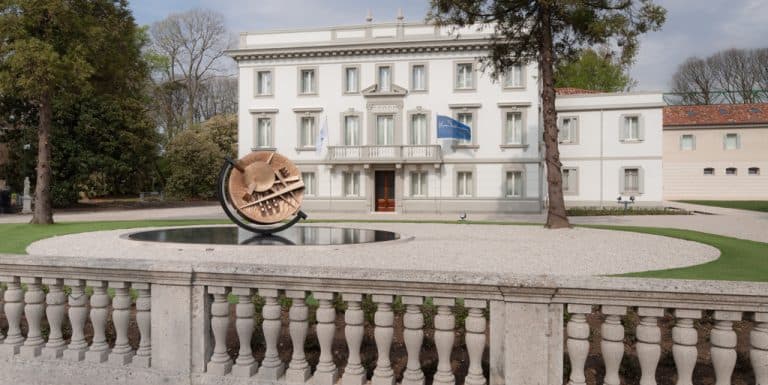
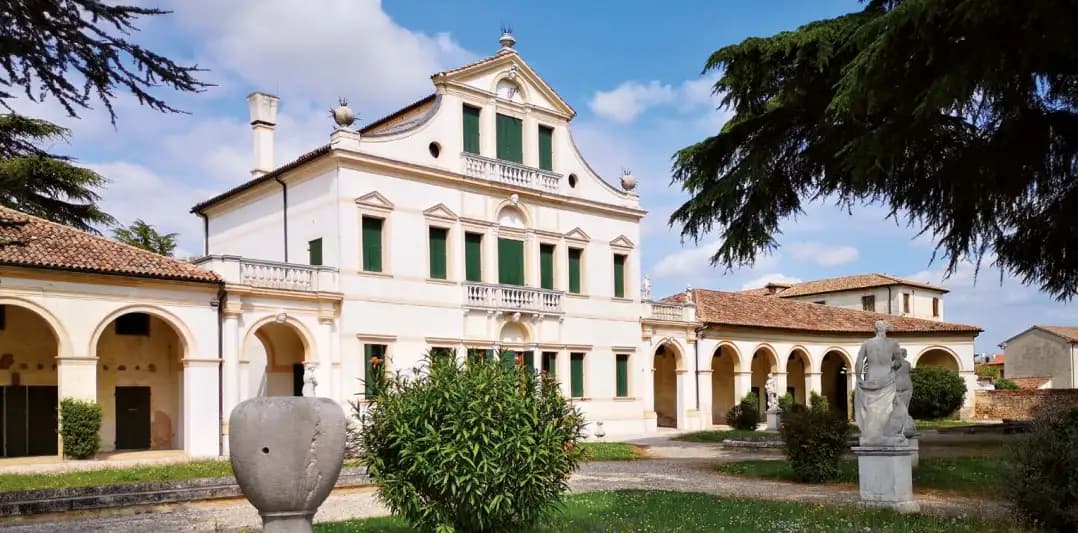
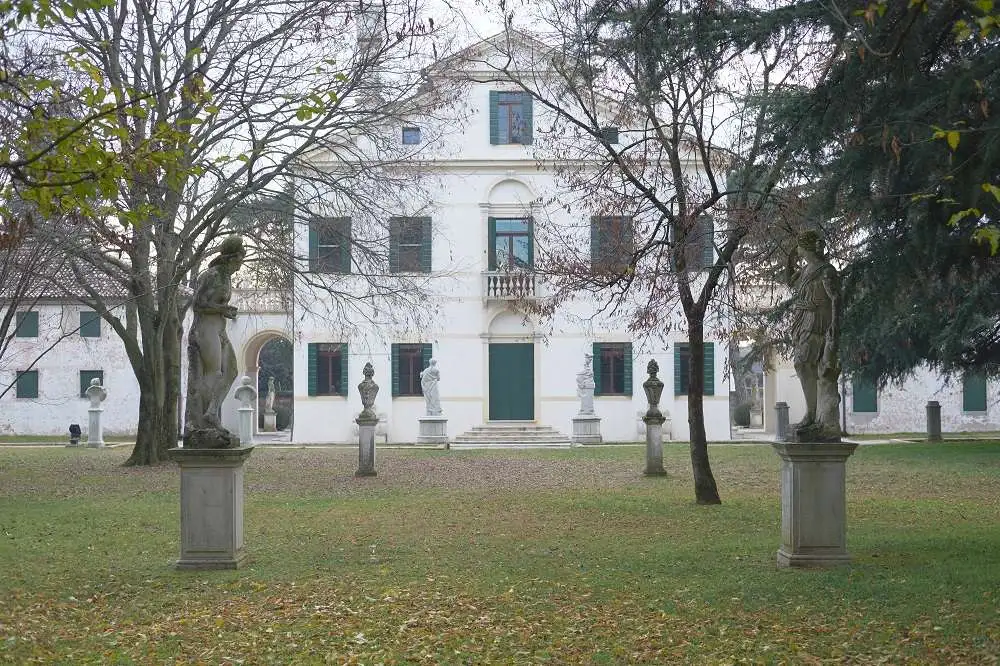
Located at Via Nazario Sauro, 50, the museum is housed in the spacious, bright rooms of Villa Tamagnino Lattes, an enchanting stately residence designed by architect Giorgio Massari (Venezia: 13 October 1687 ; Venezia: 20 December 1766) for the wealthy Venetian merchant Paolo Tamagnino and his wife Pisana Bianconi.
Among Massari’s most significant works it is worth mentioning Palazzo Grassi, a grand noble building overlooking the Canal Grande and the church of Santa Maria del Rosario, facing the Canale della Giudecca. In the province of Treviso, Giorgio Massari designed Villa Pola Pomini in Barcon di Vedelago, Villa Perussini in Castelcucco and carried out a reorganization of Villa Cornér della Regina in Cavasagra di Vedelago.
Architecture of Villa Tamagnino Lattes
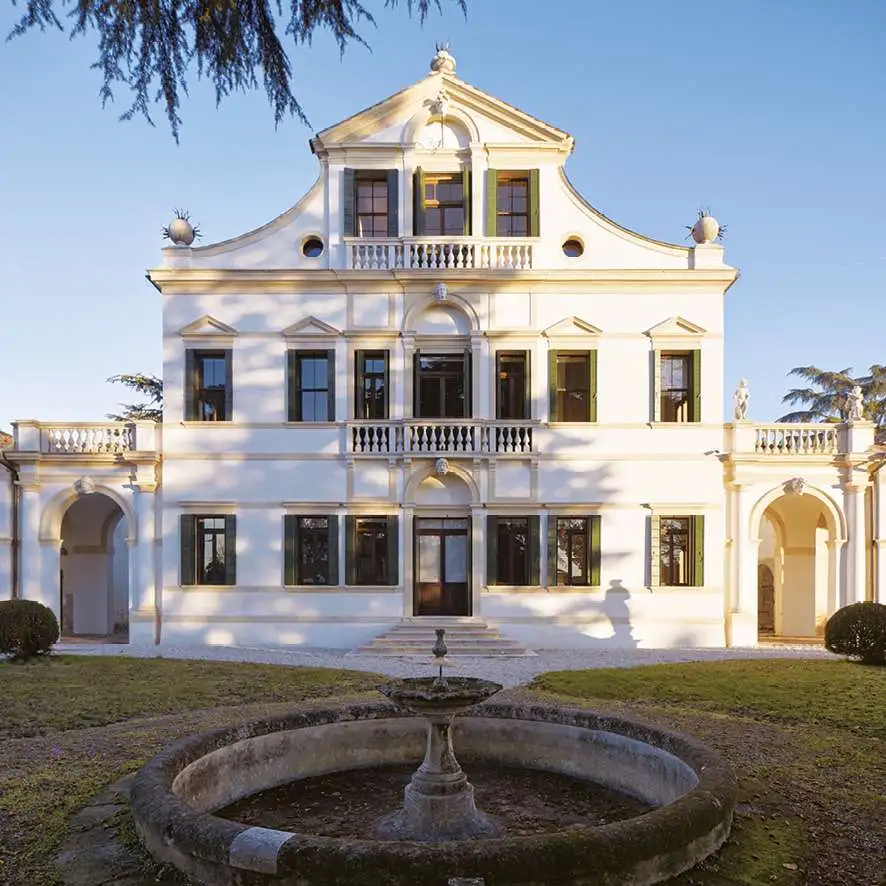
Arranged over two floors, the main residence is crowned by a raised central volume that extends across the entire through room. The pediment crowning the upper body of the villa is connected to the cornice by two curved sloping wings, in a late Baroque style.
Flanked by three windows on each side, the entrance portal is finished with an archivolt softened by a carved head placed on the keystone.
The same stylistic choice, with a central arched single-light window flanked by lintelled windows, is repeated on the noble floor and in the pedimented body as well. The three central openings on the noble floor and in the upper volume are adorned with white balustrades.
The barchesse, the garden, the brolo
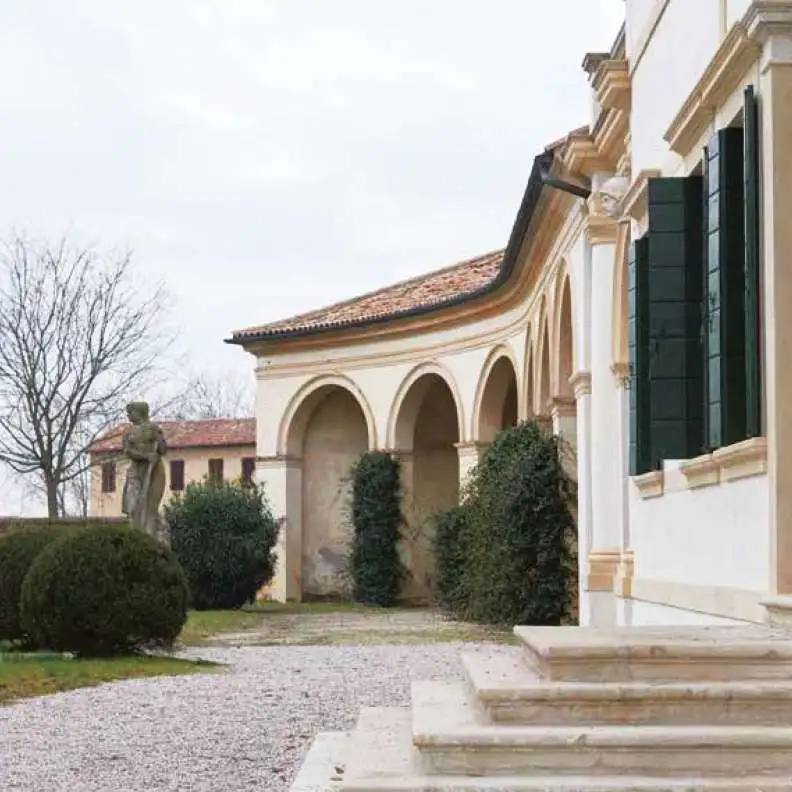
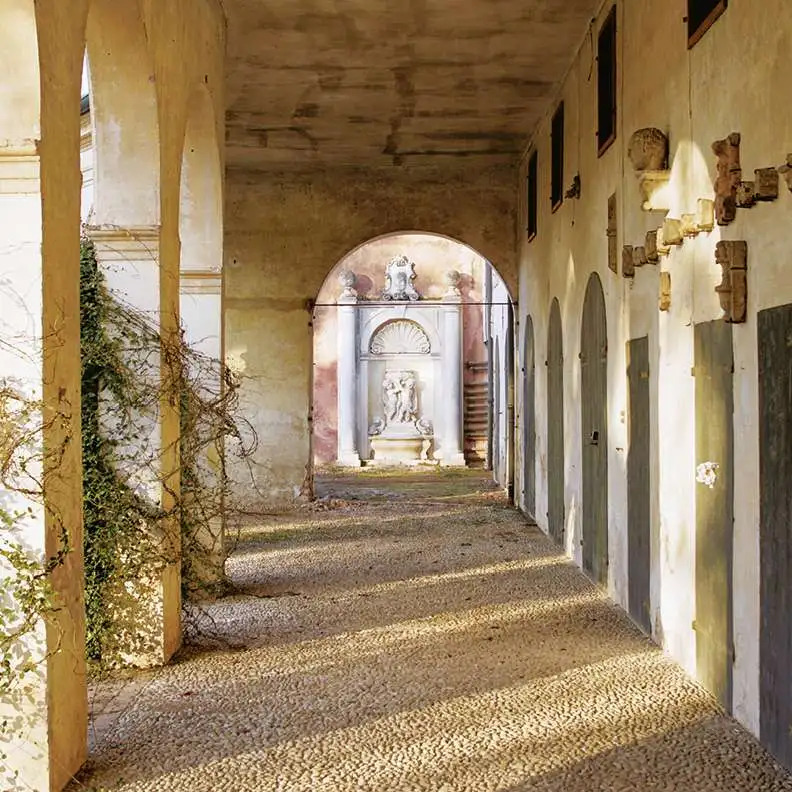
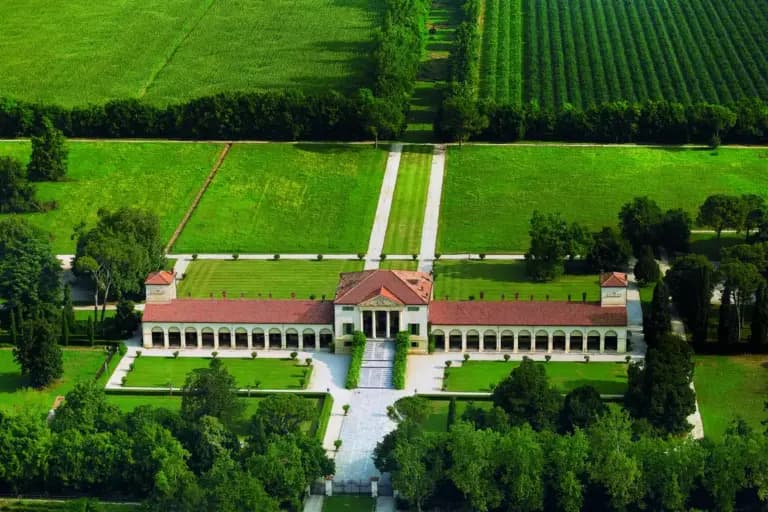
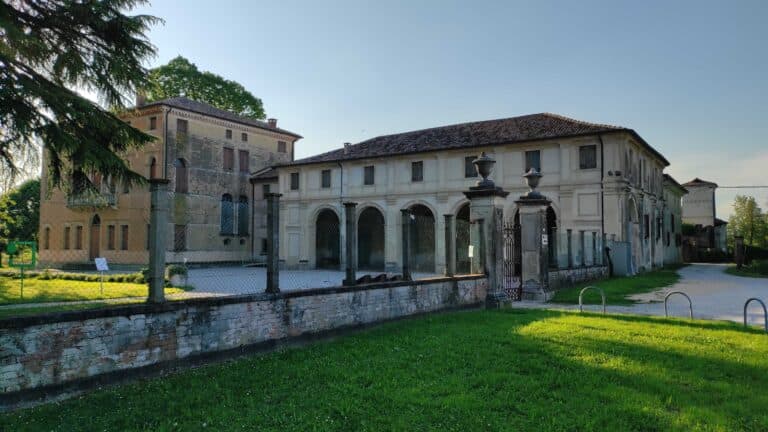
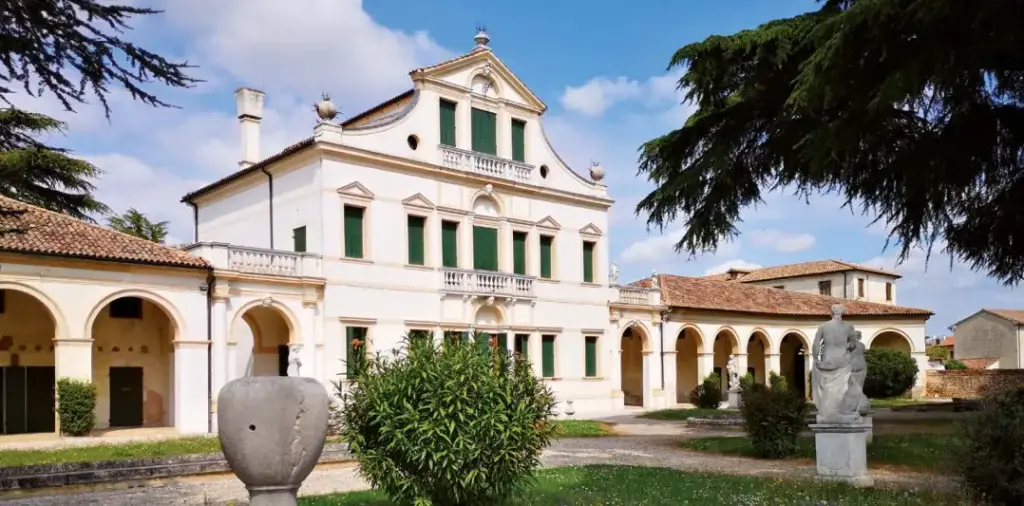
Arranged symmetrically, the barchesse are connected to the sides of the residential core by two terraced bodies in which a segmental arch opens. The arcaded wings are each marked by six round arches supported by massive pillars.
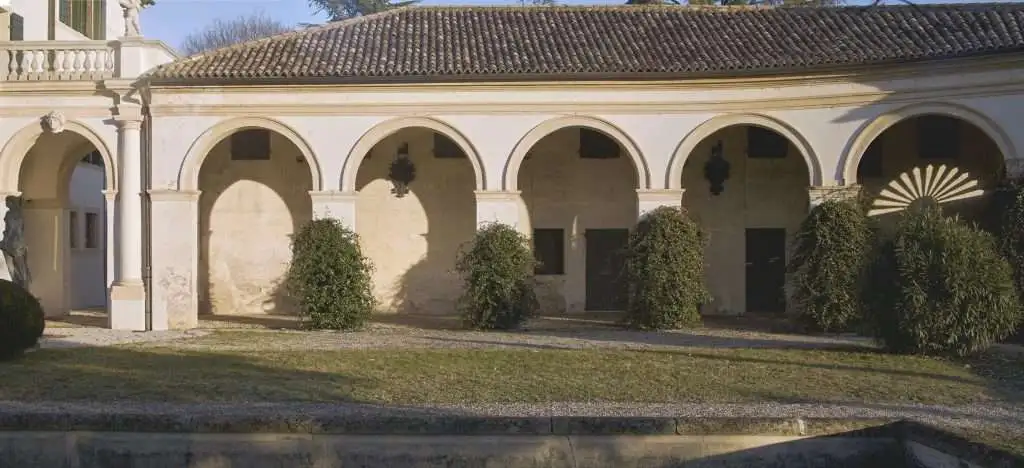
The ends of the barchesse have a slight curve that follows the perimeter of the boundary wall, enclosing a lush oval Italian-style garden dotted with cedar trees, maritime pines, lime trees, firs and privets.
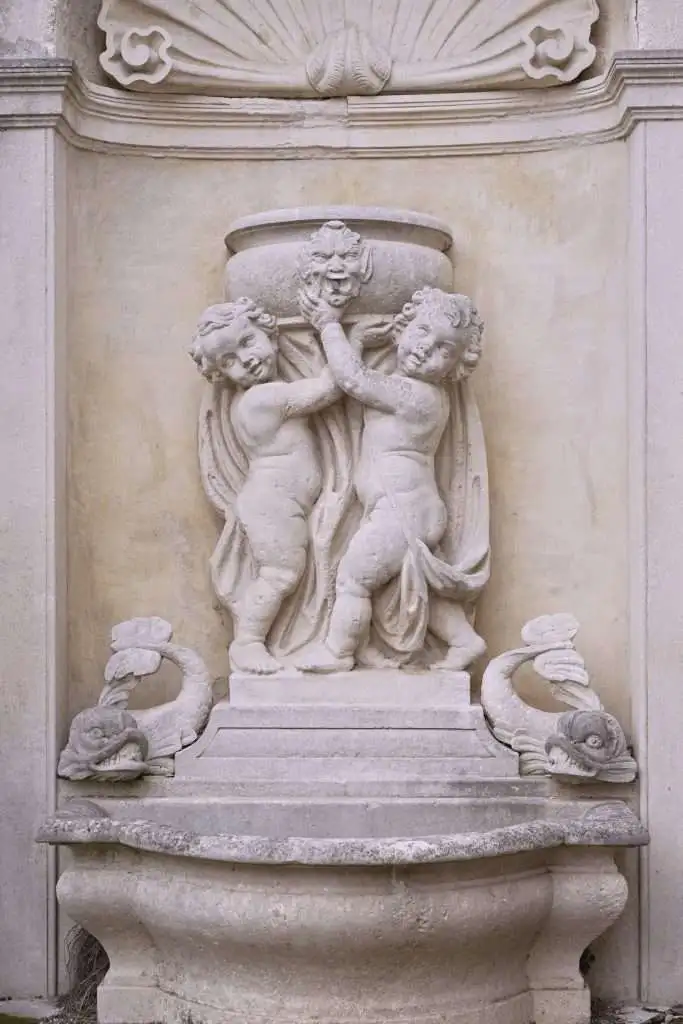
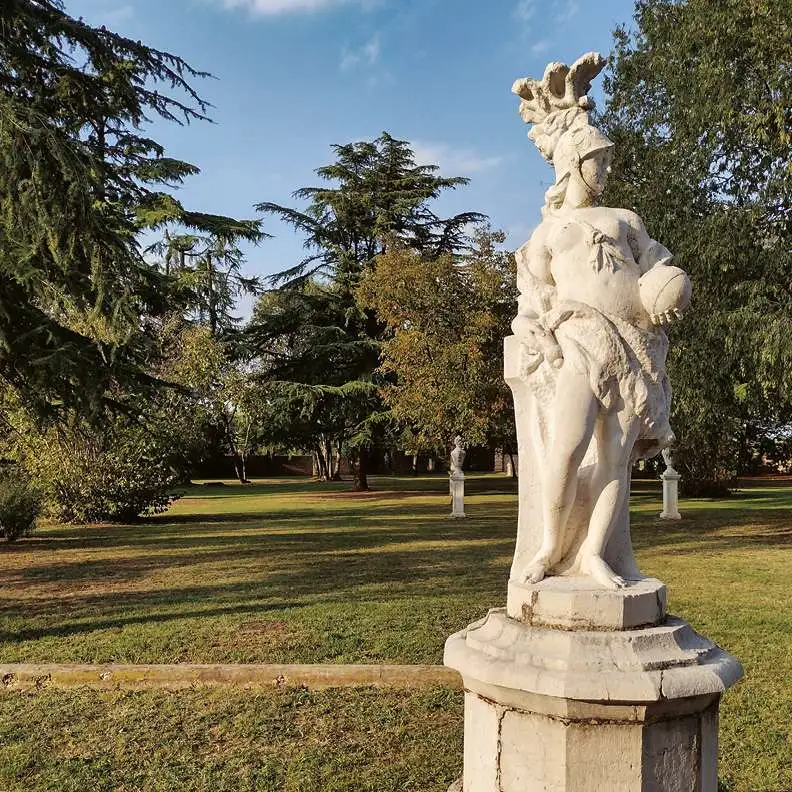
Bounded by a wall of pebbles and exposed bricks, the brolo behind the villa features two symmetrical fishponds, now filled in, decorated with plinths bearing marble busts of Caesars and two allegorical sculptures by Orazio Marinali (Angarano, 24 February 1643 ; Vicenza, 6 April 1720), shaded by the crowns of majestic cedars and lime trees.
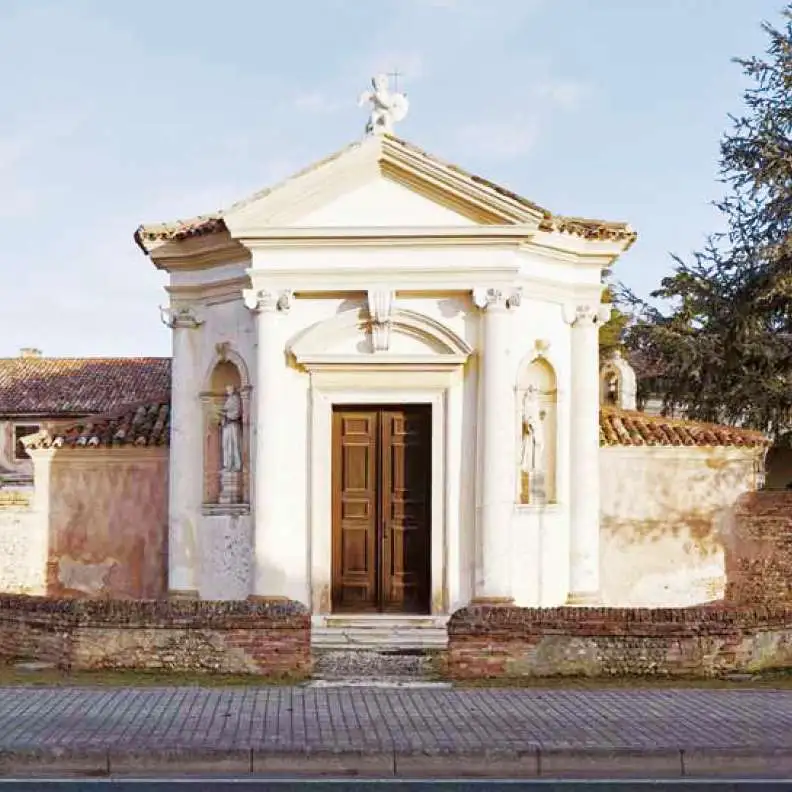
In addition to the service farm buildings, commissioned by Bruno Abramo Lattes to facilitate work on the agricultural estate, the property includes on the west side an octagonal chapel in which the altarpiece of the Assumption and the ceiling telero with the Eternal Father are kept. Created by Jacopo Amigoni (Napoli, 1682 ; Madrid, 1752), the two works date back to 1715, the year the Villa was inaugurated.
The Villa Lattes Museum
The museum itinerary displays enchanting paintings, historical documents and priceless music boxes, as well as fascinating memorabilia that lawyer Bruno Lattes, the villa’s last owner, collected during his travels in Africa, Asia and India after giving up legal practice in 1932.
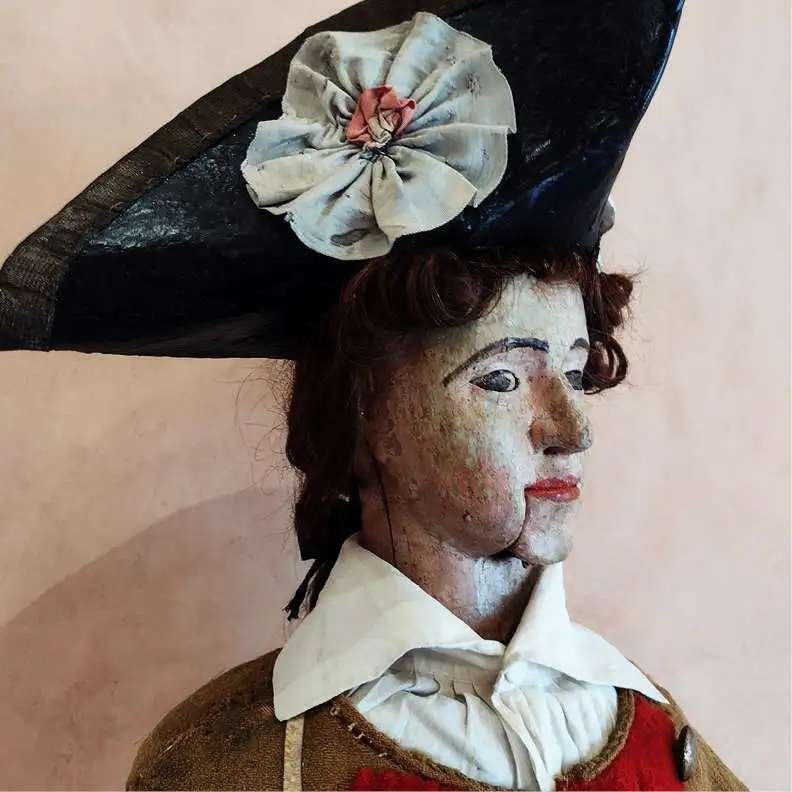
Welcoming visitors into the large hall on the ground floor is Il Tamburino, an automaton from the second half of the 18th century in excellent condition. The extraordinary value of this relic, rightly considered the symbol of the Villa Lattes Museum, lies in the delicate balance between the refined workmanship of the carved and painted wooden face and body, the meticulous making of the Venetian army uniform and the sophisticated mechanism, still working today, which allows the old mechanical puppet to open and close its eyes, tilt its head, smile and move its arms to play the drum.
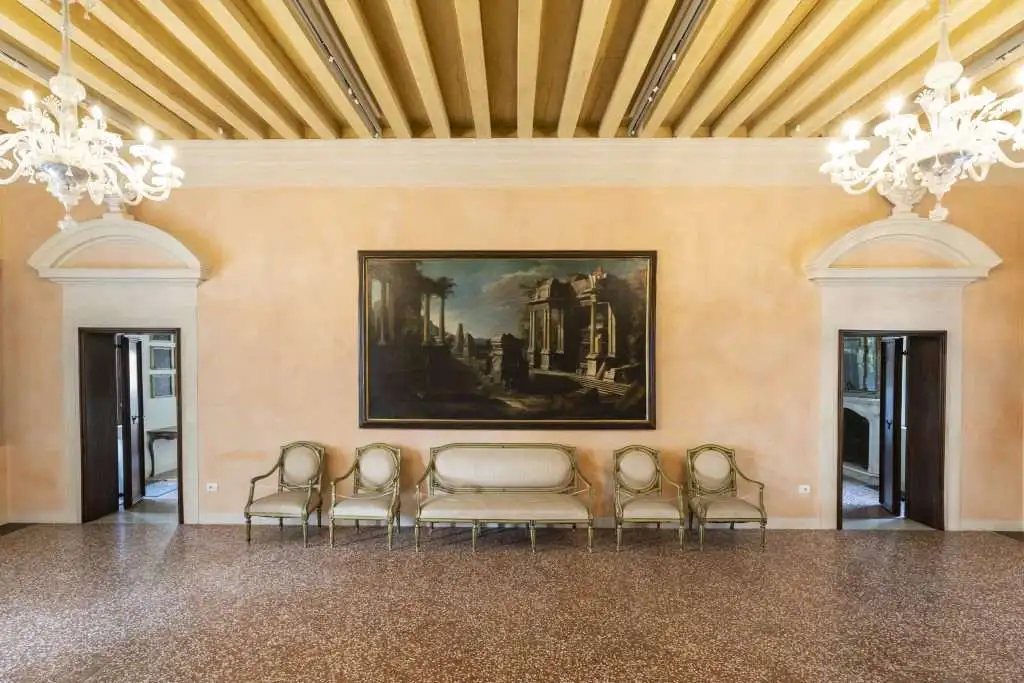
On the left wall you can admire the work “Roman Ruins”, oil on canvas attributed to Marco Ricci (Belluno, 5 June 1676 ; Venezia, 21 January 1730).
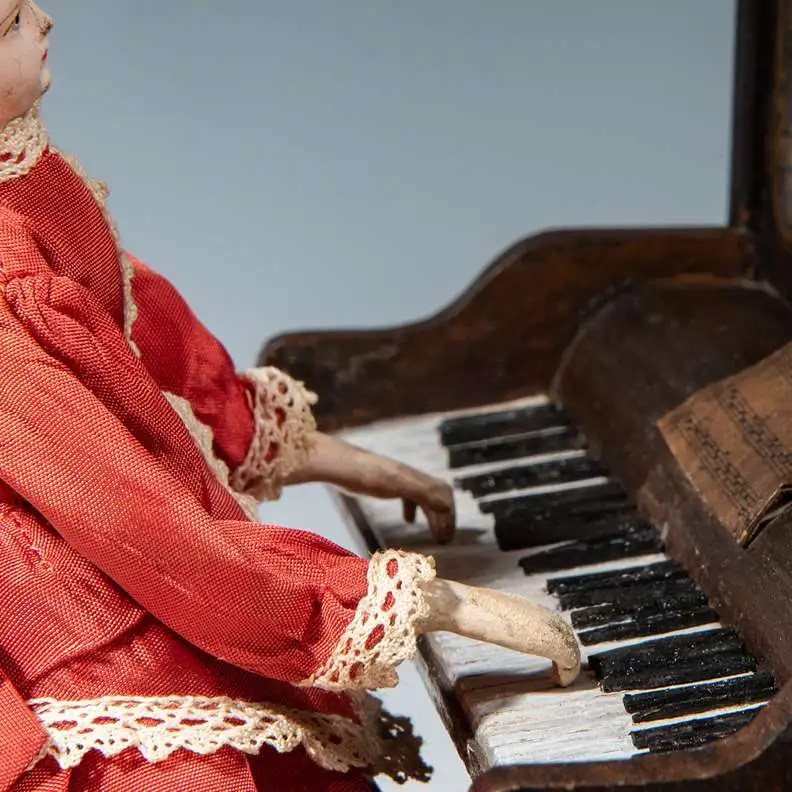
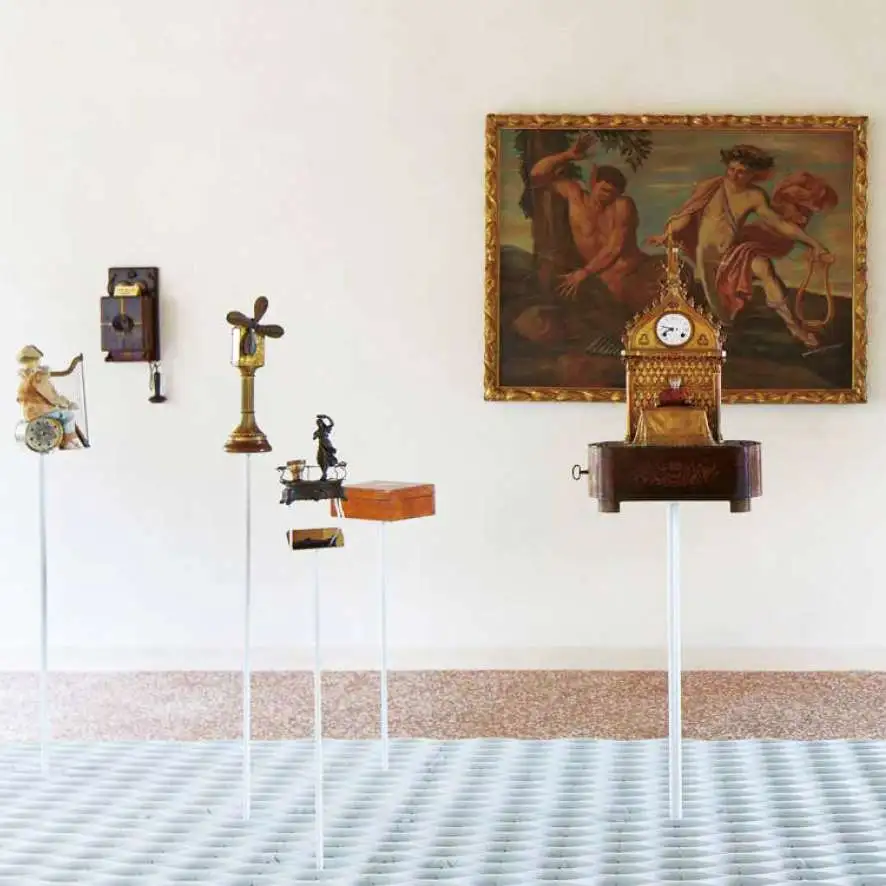
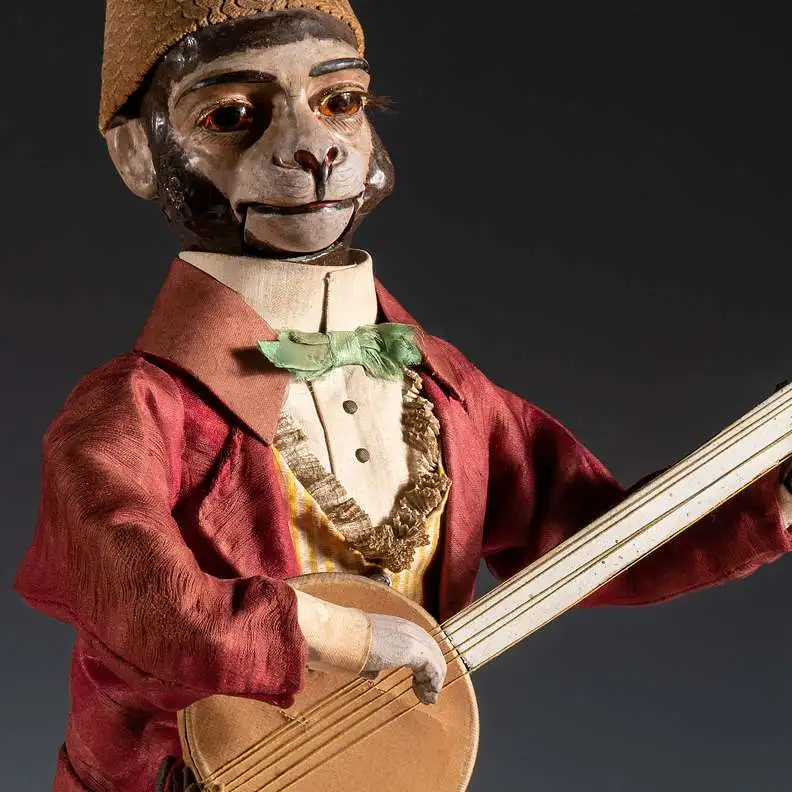
On the noble floor, several music boxes are on display, each more original and picturesque than the last: from the elegant pianist playing a waltz to the charming monkey playing the banjo, from the juggling doll to the clown playing the harp, from the illusionist to the birdcage with the little bird, to name just a few.
One of the music boxes dearest to Bruno Lattes consists of a painting depicting a lively village against a backdrop of snow-capped mountains and conifer woods. On the right, the eye is drawn to a clear river crossed by two boats and two stone bridges. On the left, the scene is dominated by the soaring clock tower, whose hands truly tell the time thanks to the mechanism hidden behind the canvas.
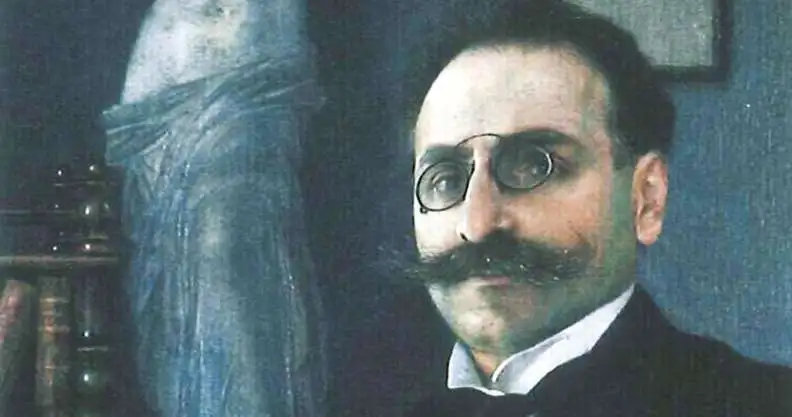
If you would like to contemplate the portraits of Giorgio Massari, Pisana Bianconi and lawyer Bruno Lattes, let yourself be enchanted by ancient music boxes, jewels of art and mechanics, and visit the bright tree-lined gardens and luminous rooms of a splendid 18th-century villa, a visit to the Villa Lattes Museum will be an unforgettable experience!