
We thank the municipality of Sernaglia della Battaglia and Ing. Luigi Ghizzo for the informational material.
The origins of the Castrum de Sernalea
Preserved in the State Archives of Treviso, the oldest document attesting to the presence of a castle in Sernaglia della Battaglia is an agreement stipulated between the noble Artusio di Rovero and the incastellati of the Pieve of Sernalea. Handed down for generations by the noble house, the parchment mentions among them Zano and Riberto da Sernaglia, Martinello, the blacksmith Giovanni, Rodolfo and Orso da Moriago.
It is uncertain, however, to whom the initiative of founding the fortified complex should be attributed, whether to the Sernagliesi or the Rovero, whose ancient roots are attested by authenticated copies of the contract from the 18th century.
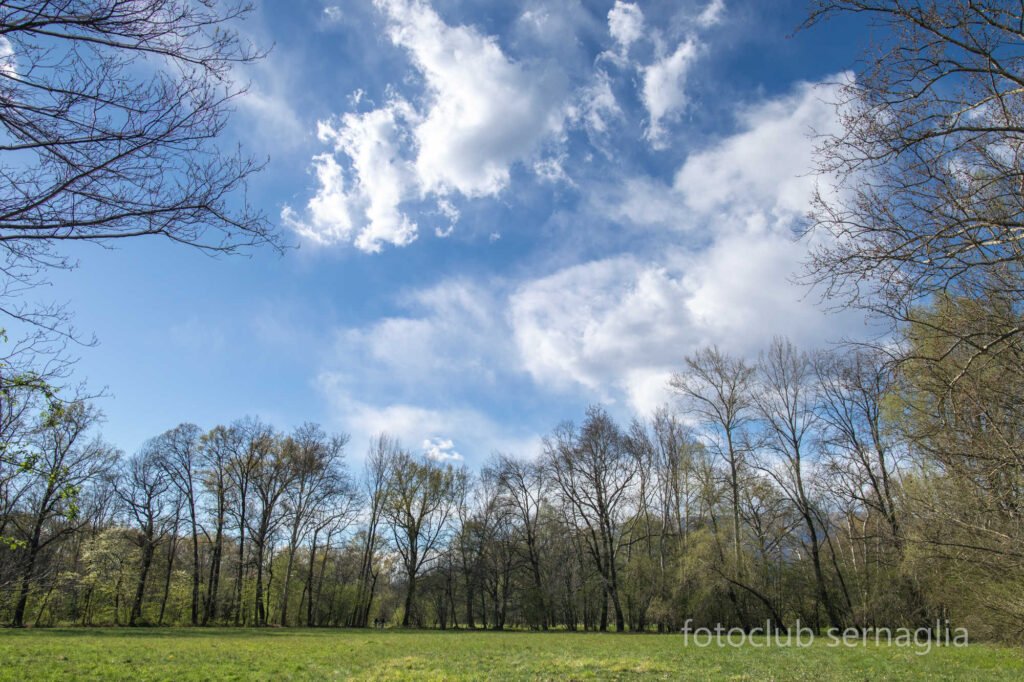
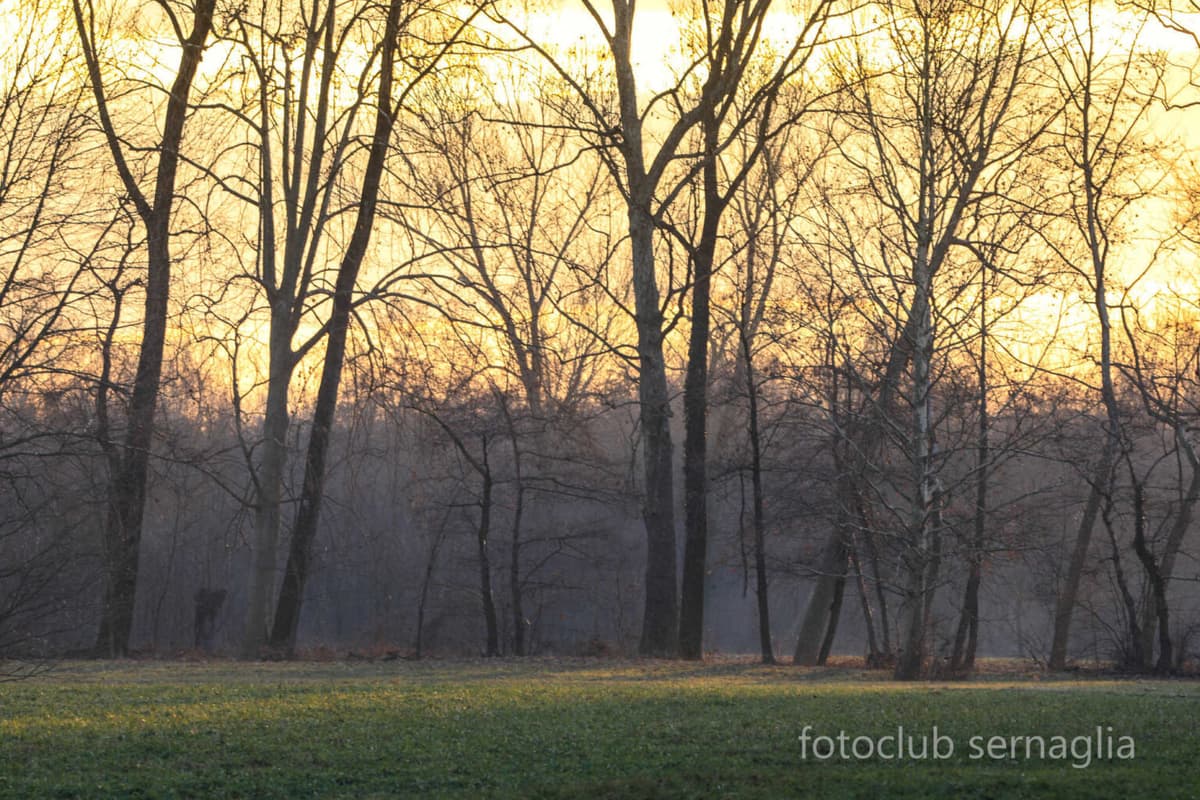
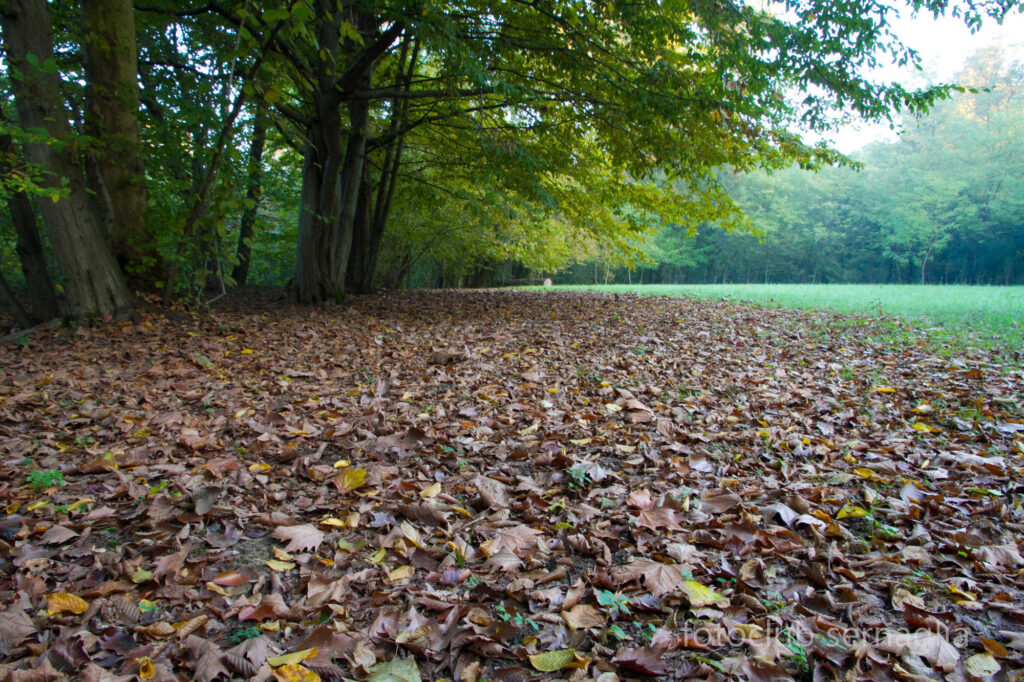
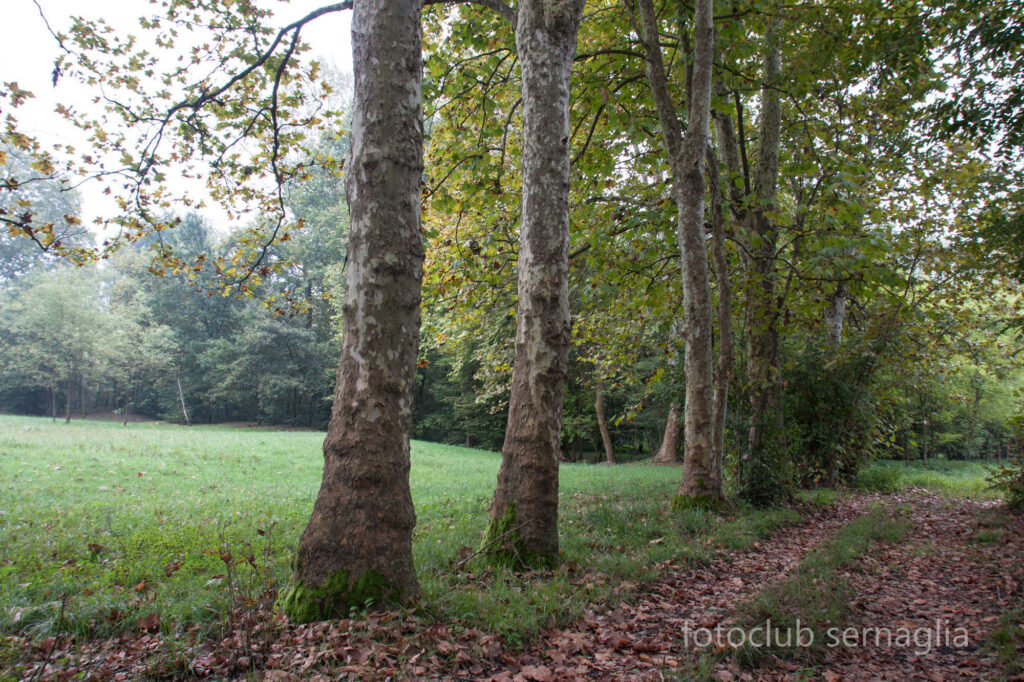
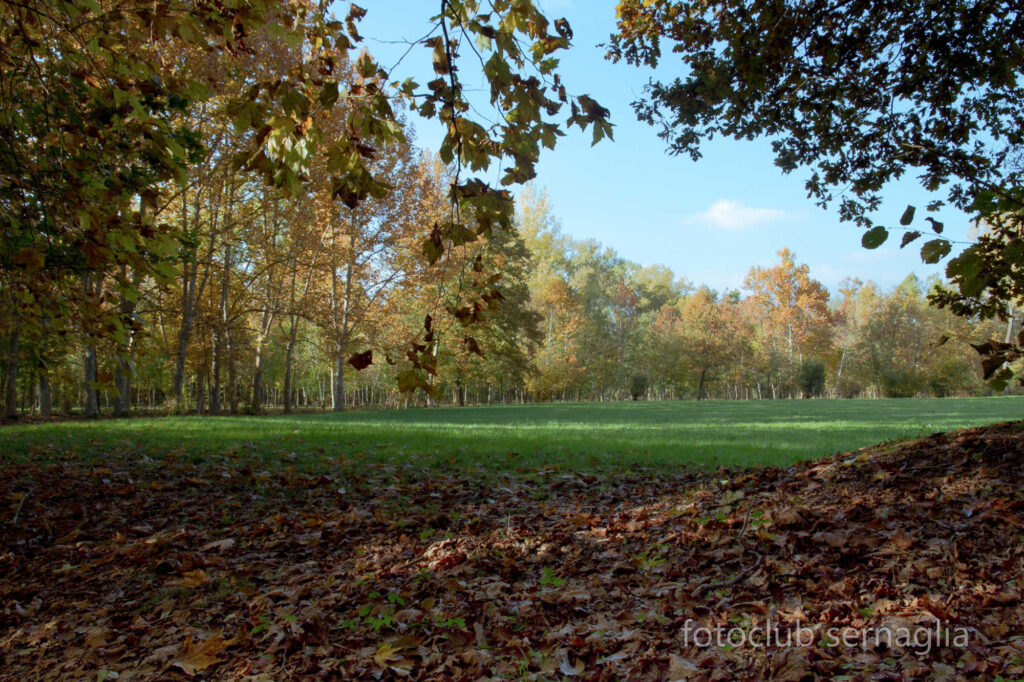
Drawn up in 1122 by the notary Avuardo inside the stronghold, the cartula conventionis reveals the appearance of the defensive structure, of which today only the moss-veiled ruins remain, shaded by the dense woodland extending to the edges of the Palù. It is possible that the area of the Castelik also served as a prison and a quarry for the extraction of building material.
What did the Castle of Sernaglia look like?
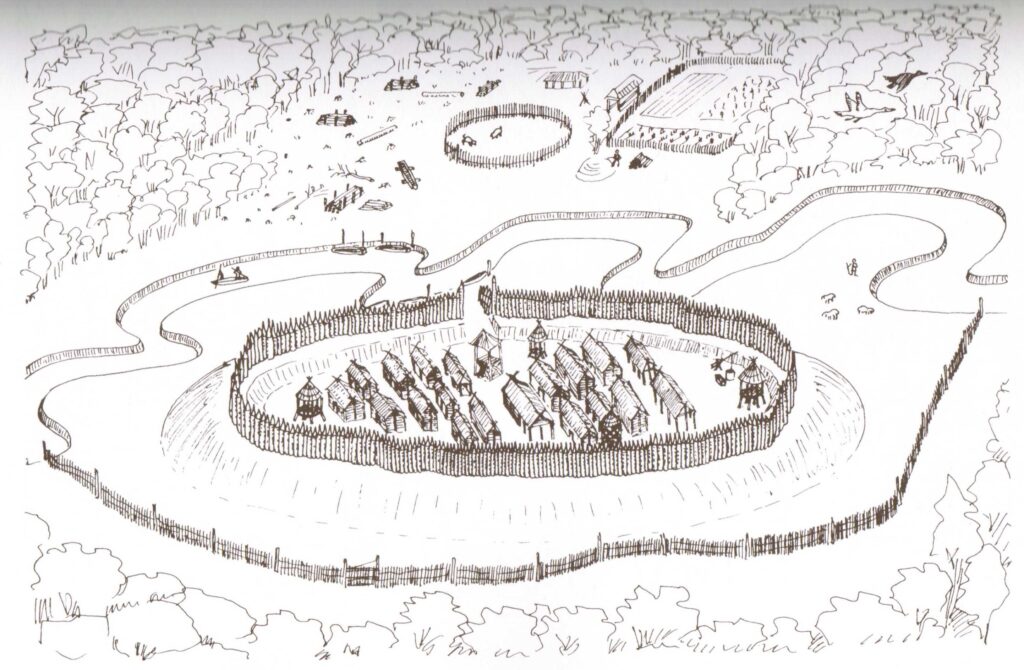
Surrounded by a watercourse, the castrum de Sernalea was bounded by a palisade, or a hedge, and a moat (acqua, frata et fossato). Inside the perimeter stood the dwellings over which the incastellati had the right of first refusal.
Of these structures, mostly made of wood and other perishable materials, no trace remains except for the stone foundations of a rectangular building, perhaps intended for collective use by men and lords.
The management of the Castle of Sernaglia
The dwellings of the other villagers were located outside the enclosure of the Castelik, within which they could take refuge in case of danger. In exchange for the protection guaranteed by the feudal lord, each head of the family paid him a calva of wheat as a rent in kind.
The estate that Artusio had received as a beneficium was “property of San Tiziano”, that is, of the bishopric of Ceneda, which maintained “eminent domain” over this estate.
Obligations and code of conduct in the Castelik de Sernalea
The agreement provided for monetary penalties for those who “created scandal”, the amount of which was to be divided between the lord, who could not remit them without also renouncing his own share, and the contracting parties. They undertook to inhabit the fortified residence, to whose maintenance the lords contributed “according to their means”.
The mystery solved of the foundation of the Castelik
The artifacts found in the area of the Castelik, including grindstones, worked flint, pottery, and smelting remains, support the theory that the castelliere was built on the remains of a Bronze Age settlement, dating back, according to Luigi Ghizzo, to around 1000 BC, during a period of severe drought that would have driven the inhabitants of the hills to move to the marshy area of the Palù and raise the artificial hill with its characteristic donut shape.
The village passed, together with the towns of Moriago and Fontigo, under the control of the Lords of Vidor, who, between 1242 and 1246, sold to Ezzelino da Romano their possessions “between the Piave and the Soligo river”, that is, “in the castle and towns of Vidor, Sernaglia, Fontigo, Nosledo, Moriago and Mosnigo”, including the rights of jurisdiction (comitatu, iurisdictione, districtu et merigiciis).
The phenomenon of incastellamento
The construction of the castra was a response to the endemic conflict that characterized early medieval Europe during the invasions of Hungarians, Saracens, and Normans between the 9th and 10th centuries.
The weakening of public power led the rural lordship and the peasant populations dependent on it to build fortresses and castles both as a form of self-defense against external threats and as an expression of the power, tending toward autonomy, that large landowners intended to consolidate within the territorial fragmentation produced by the manorial system, a model of land management that emerged in much of Carolingian Europe between the 8th and 9th centuries and characterized the European rural landscape until the 13th century.
With the shift of the economic center of gravity from large urban centers to scattered settlements in the countryside, the castle became a defensive bastion and focal point of vast agricultural estates over which the feudal lord imposed his jurisdiction, extending his control also over small landowners outside his possessions.
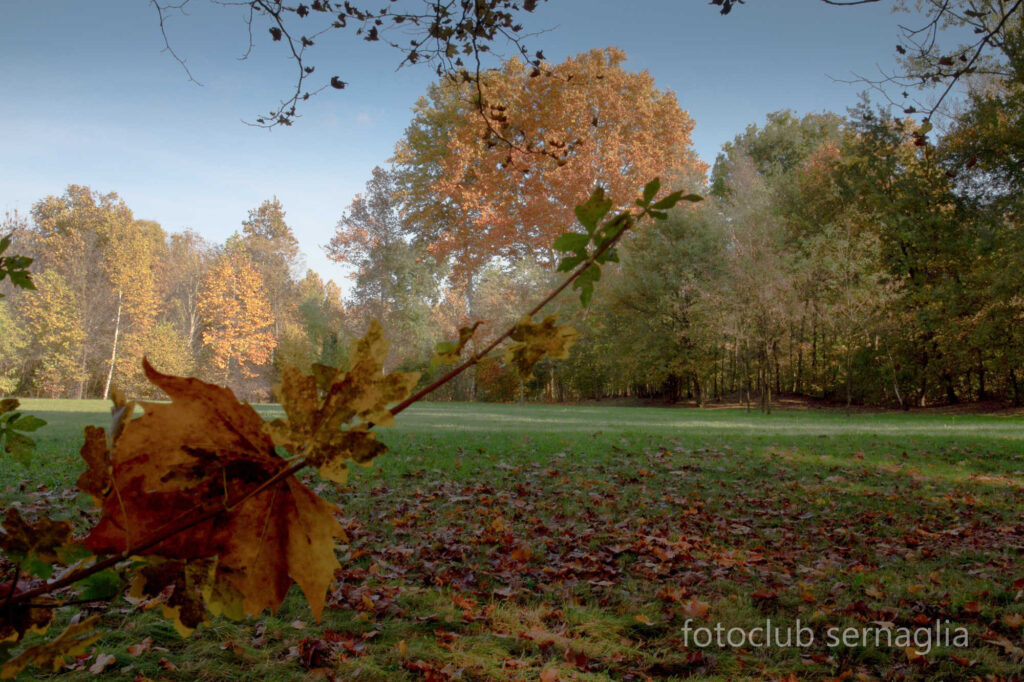
With the end of the waves of incursions, the European demographic recovery favored the innovation of agricultural techniques and tools, such as the three-field rotation and the introduction of the plow, with the consequent expansion of cultivated areas taken from woods, forests, and woodlands that had characterized the European landscape since late antiquity, constituting important reservoirs of timber, game, medicinal herbs, as well as honey and fruits, from pine nuts to chestnuts, from acorns and walnuts to strawberries and wild blueberries.
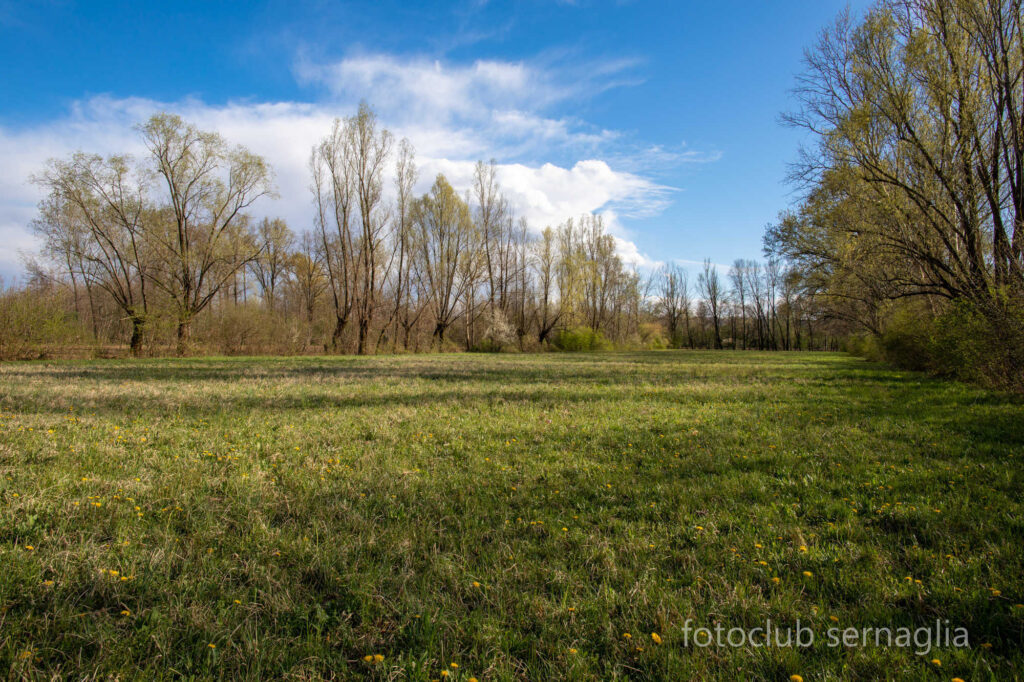
Once reclaimed, the marshy areas of the Po Valley were transformed into fertile agricultural lands crisscrossed by canals and shaded by lush hedges. Ideal especially for fodder cultivation, this method of organizing the rural landscape was called “bocage” (enclosed fields), of which the Palù of the Quartier del Piave constitute a significant example.