
We thank the municipality of Sernaglia della Battaglia for their kind collaboration.
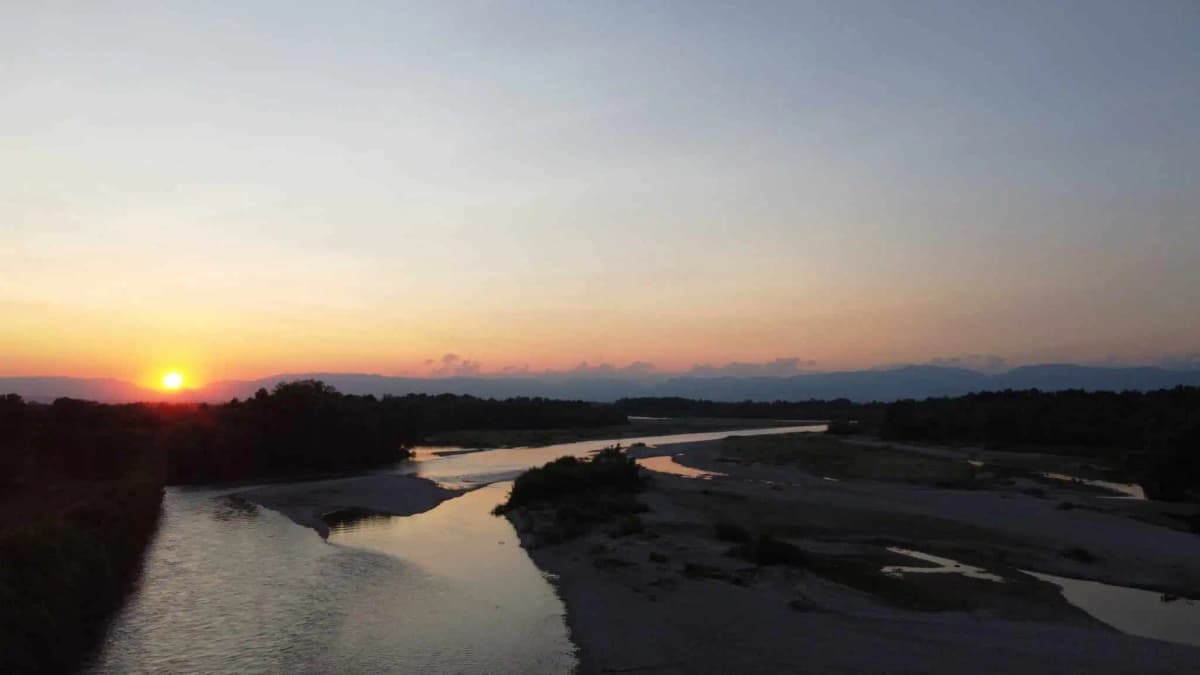
Where are the Palù of Quartier del Piave?
What are the Palù?
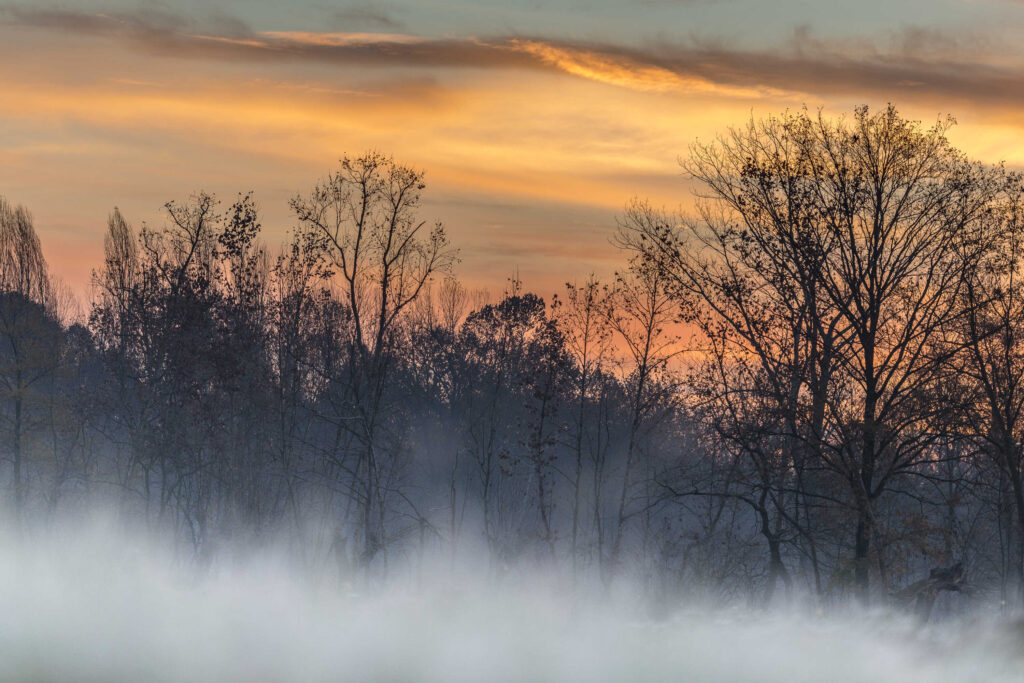
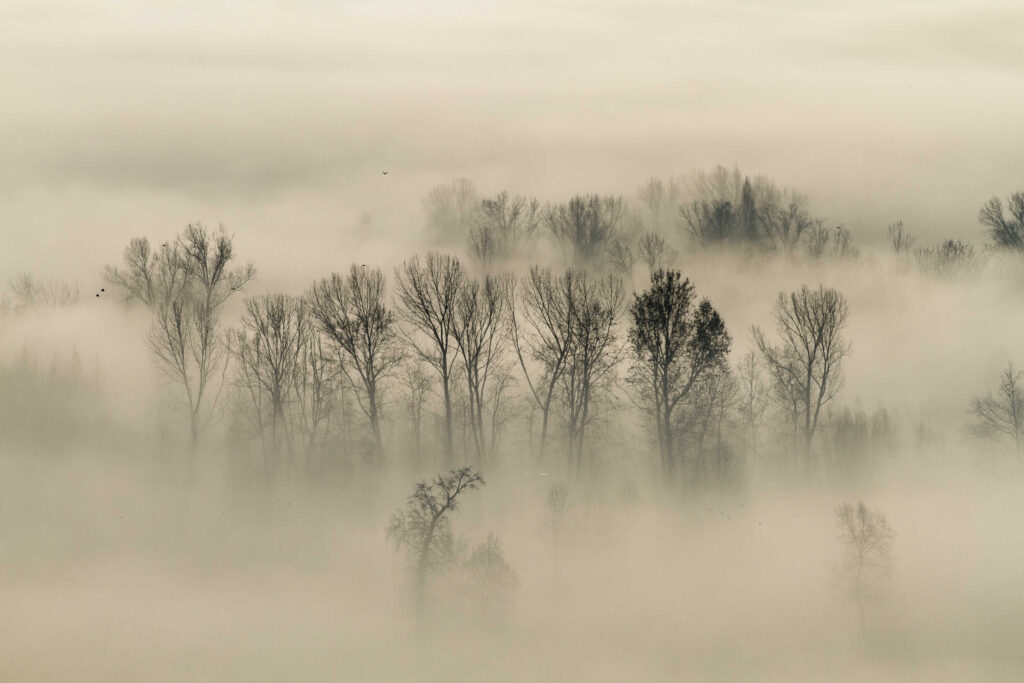
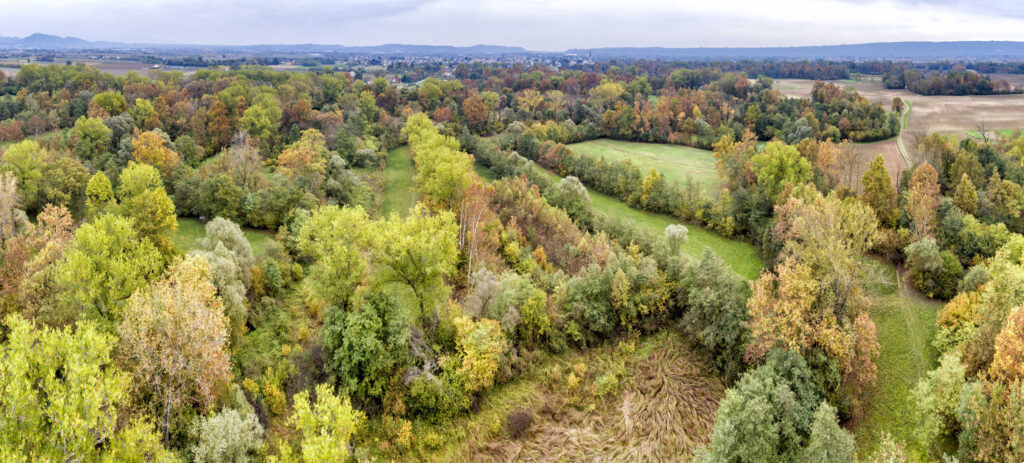
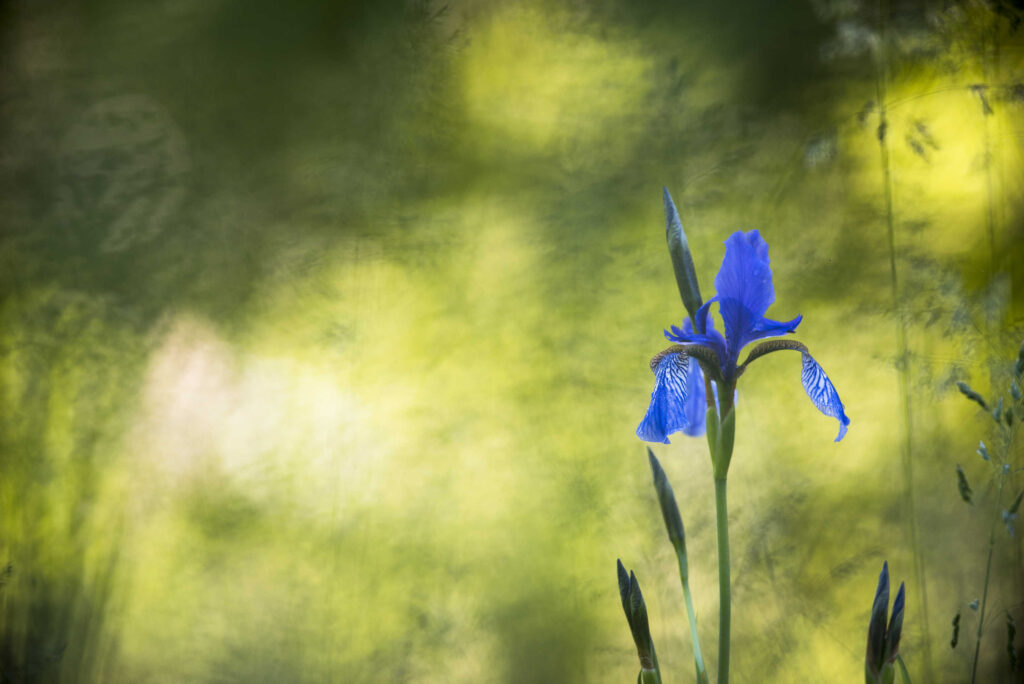
The Palù are a unique example in Italy and Europe of an enclosed field landscape, the result of hydraulic works and land reclamation that transformed marshes into agricultural plots. The presence of water, its constant temperature, and the network of canals and ditches have allowed the development of a biodiversity-rich ecosystem, with spring blooms of Iris sibirica and the presence of rare bird species. The area is part of the European “Natura 2000” Network and is recognized as a Site of Community Importance (SCI area).
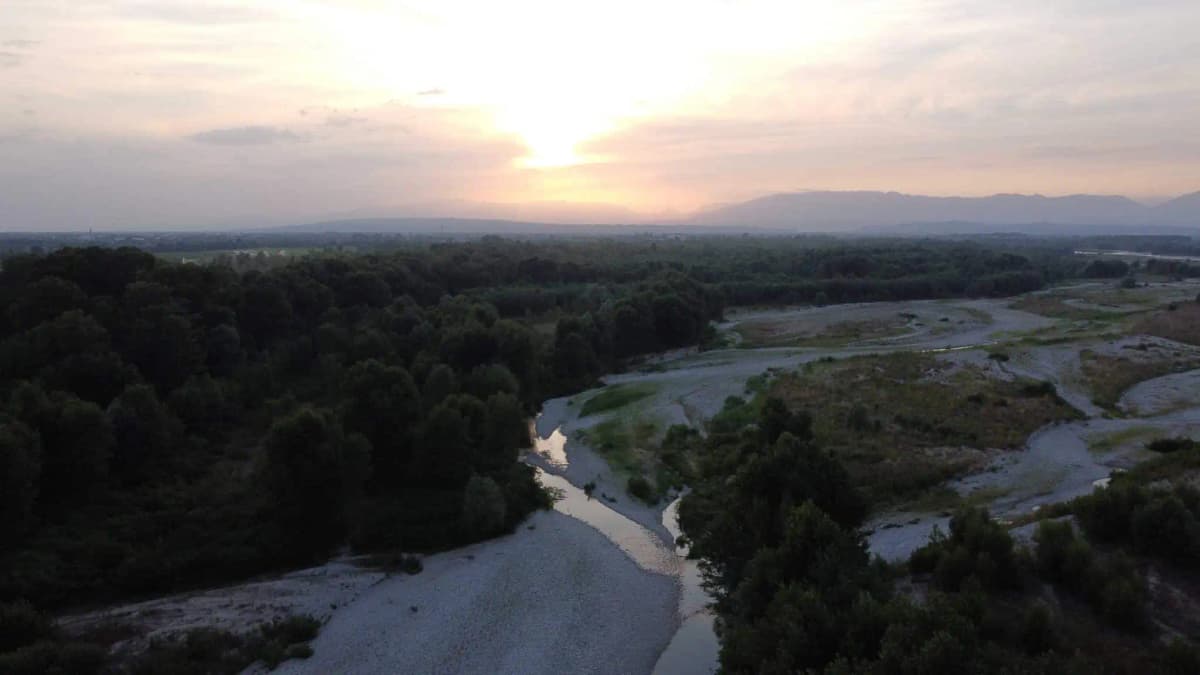
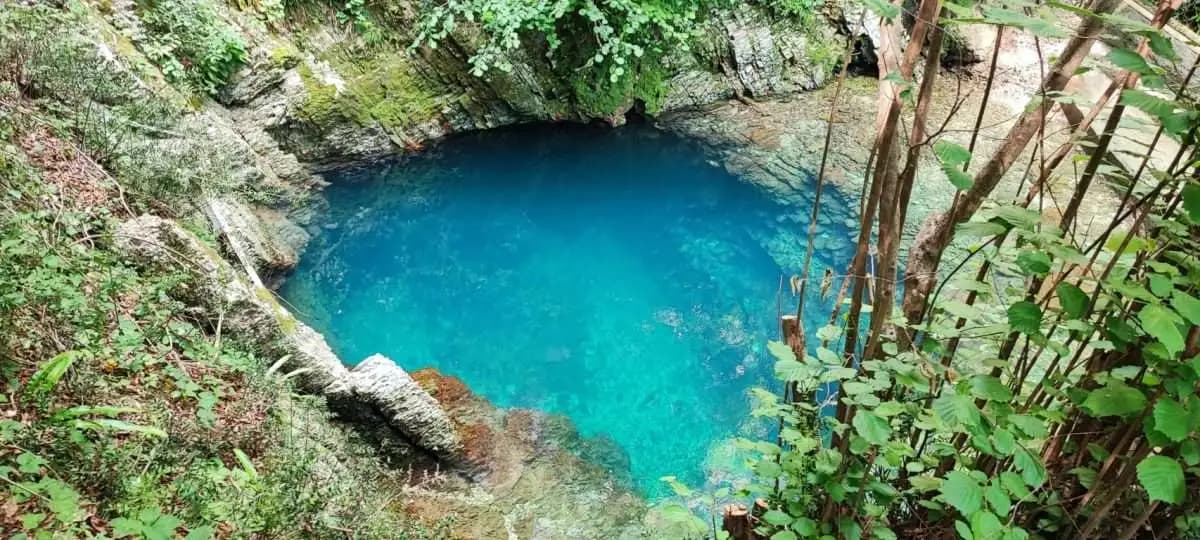
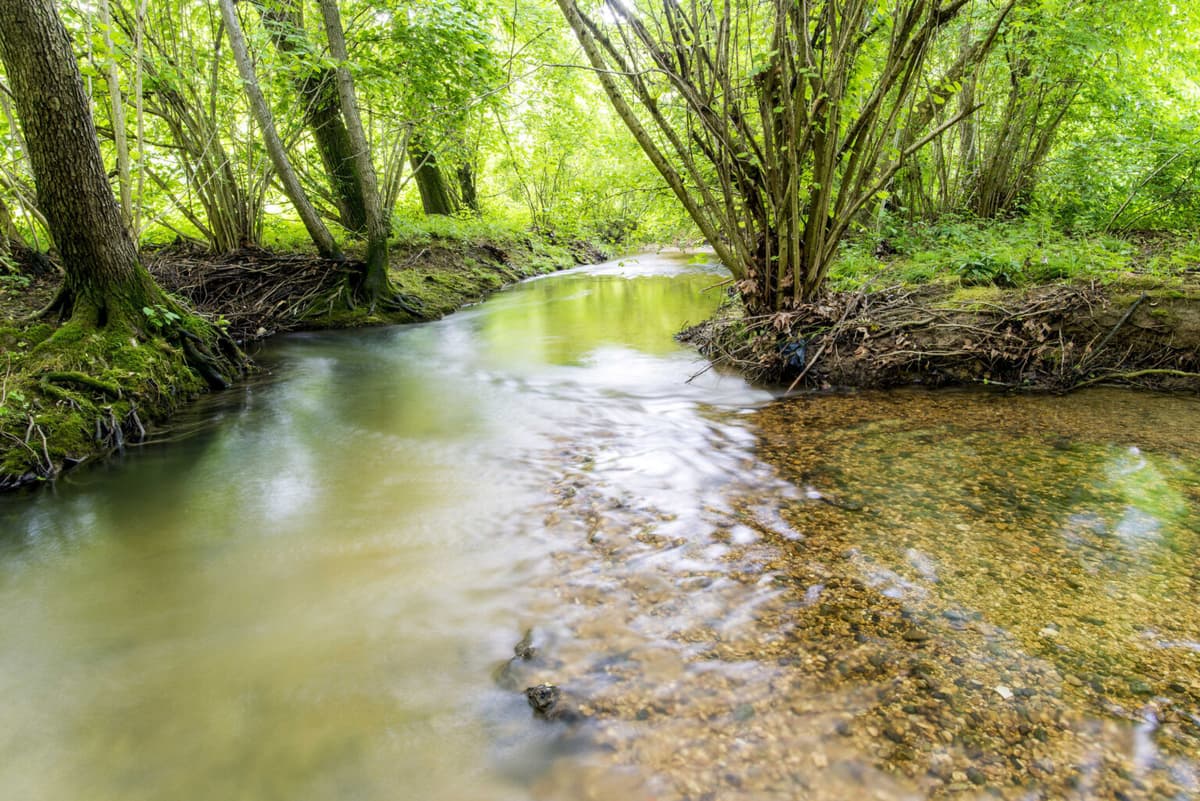
The low-lying position of this lush green lung relative to the surrounding area, together with the clayey texture of the soil, favors water stagnation that feeds the water table, giving rise to the waterlogging phenomenon from which the toponym of this pleasant locality originates. In this context, the Fontane Bianche Oasis stands out, whose resurgences emerge near the confluence of the Rabòs and Rospér streams into the Piave River.
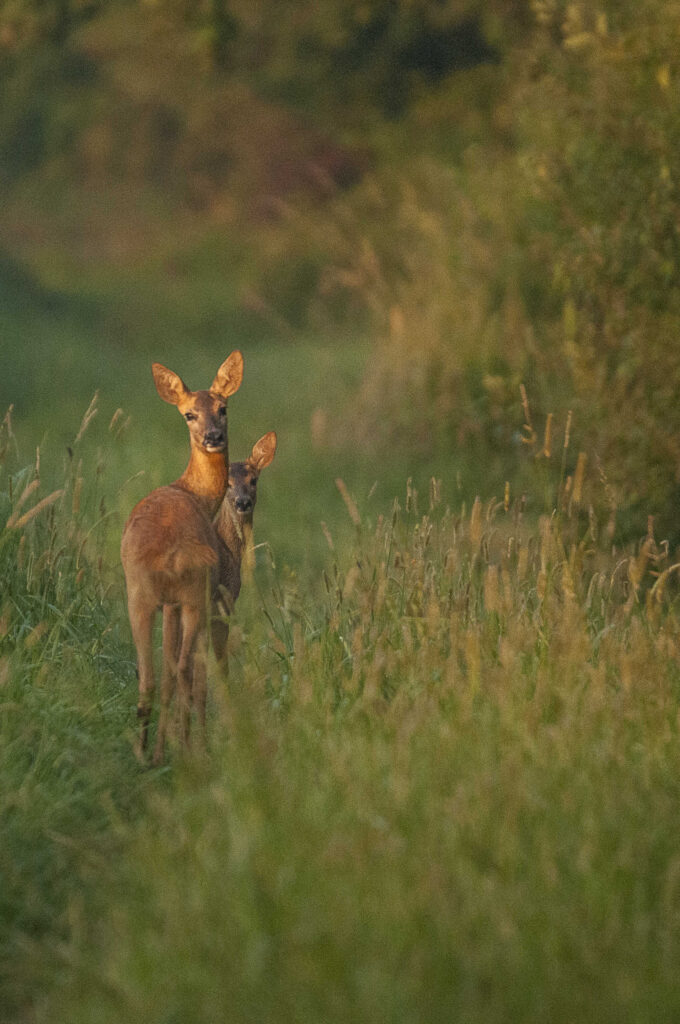
Flora and fauna of the Palù of Quartier del Piave
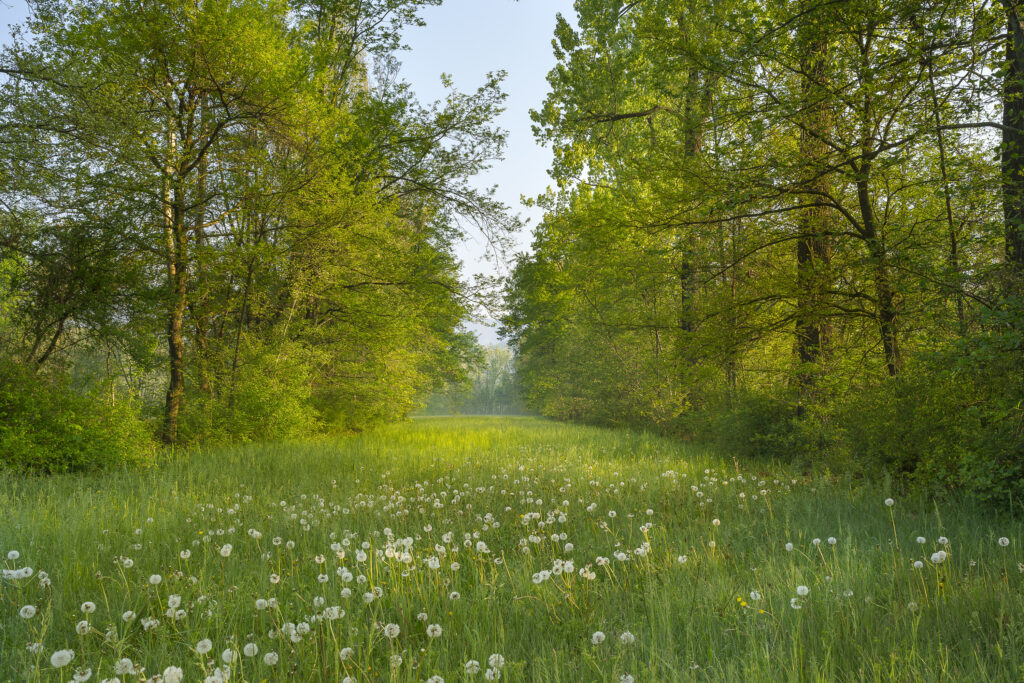
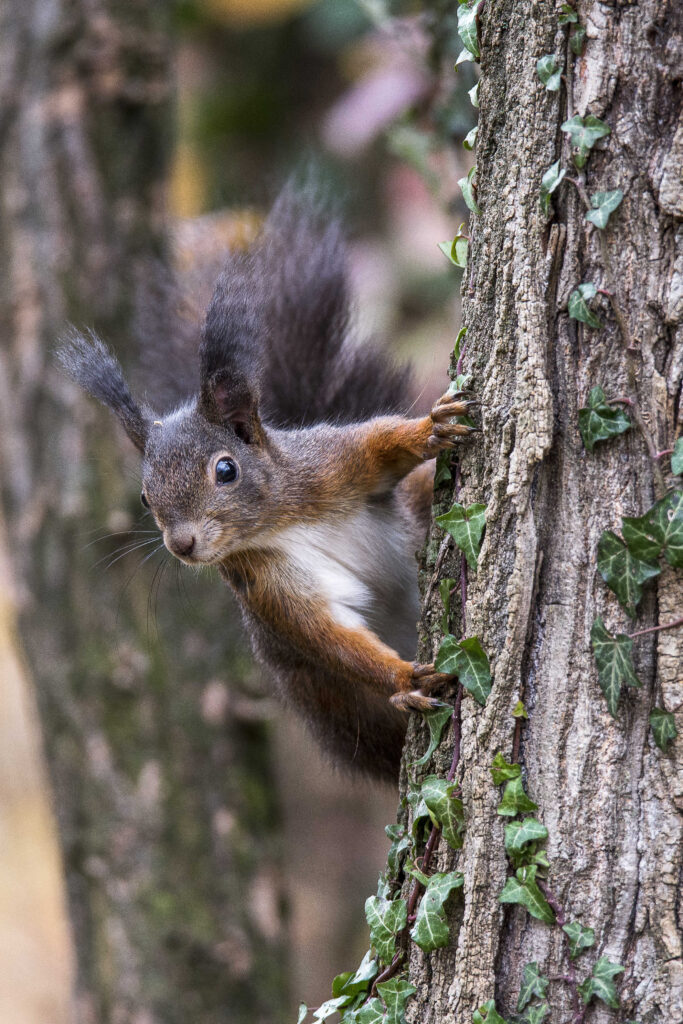
Walking in the shade of lush hedges dotted with pedunculate oaks, native oaks typical of lowland forests, the attentive observer will spot majestic specimens of bittern and peregrine falcon.
The evolution of the agricultural landscape.
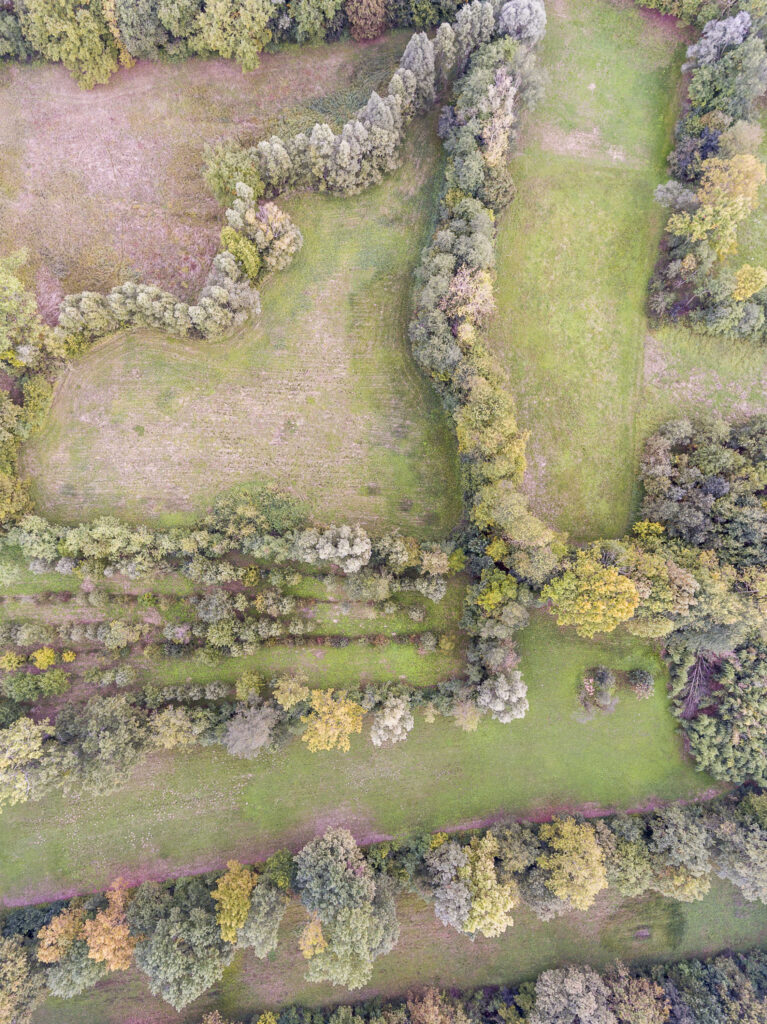
The particular morphology of this marshy environment, combined with the drainage interventions of the medieval period, has shaped the physiognomy of what is now considered one of the best-preserved examples of rural landscape archaeology in Veneto and northern Italy, known as the enclosed field area.
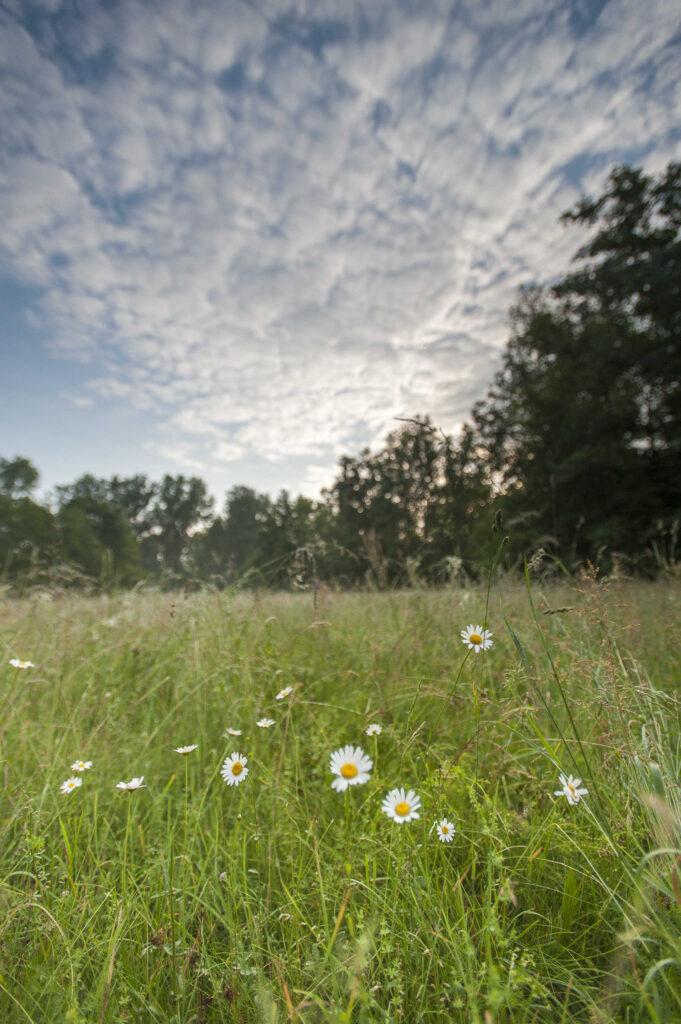
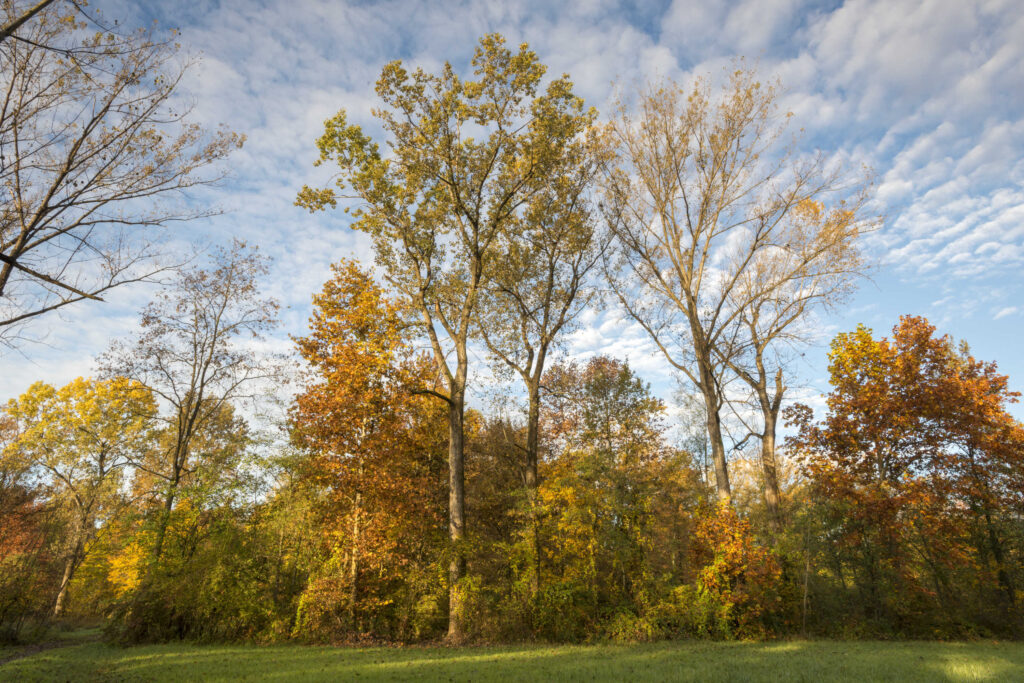
This type of agricultural land organization is characterized by a network of wet meadows crossed by hanging watercourses and ditches framed by oaks, alders, field elms, maples, willows, hazels, plane trees, poplars, and many other shrubs and tall trees.
The fertility of the area due to the abundance of water makes the enclosed field system, i.e., fields surrounded by tree and shrub hedges, ideal for forage cultivation and timber production.
A delicate ecosystem
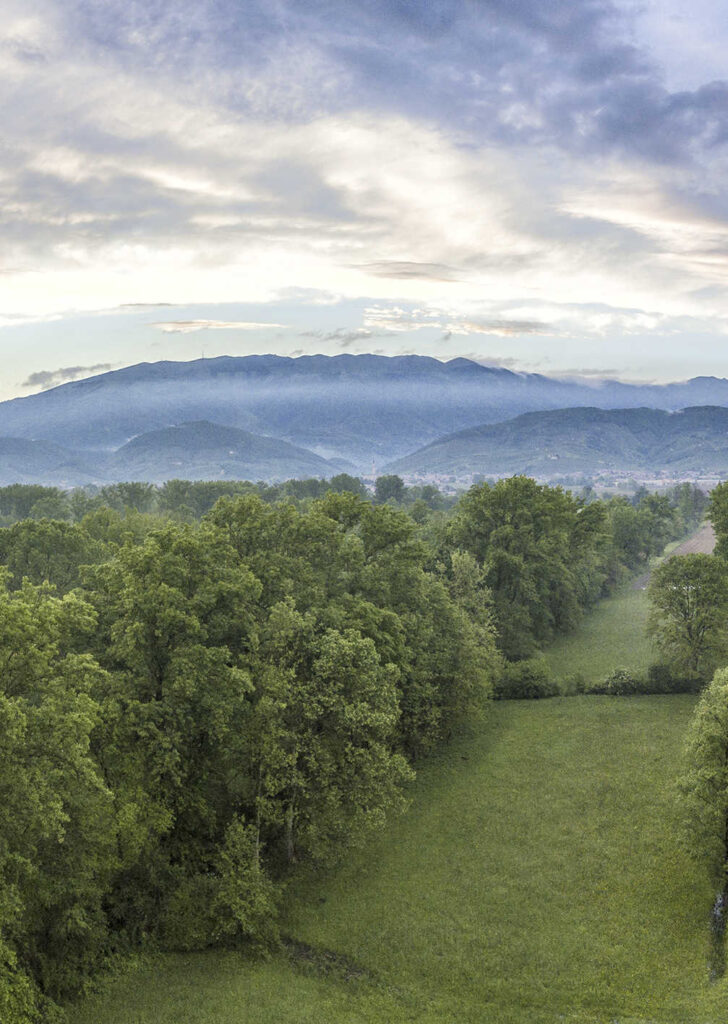
The spread of extensive agriculture, together with the process of urban expansion, has led to the gradual depopulation of the countryside and the abandonment of the historical heritage of rural buildings, with the consequent distortion of the traditional agricultural landscape.
The characteristic “controlled disorder” of the medieval rural landscape, marked by permanent meadows, wet meadows, and small irregularly shaped plots enclosed by thick hedges, has been replaced by the linear uniformity of vast land extensions, functional to the mechanization of agriculture, the simplification of today’s cultivation system, and modern industrial-scale livestock farming.
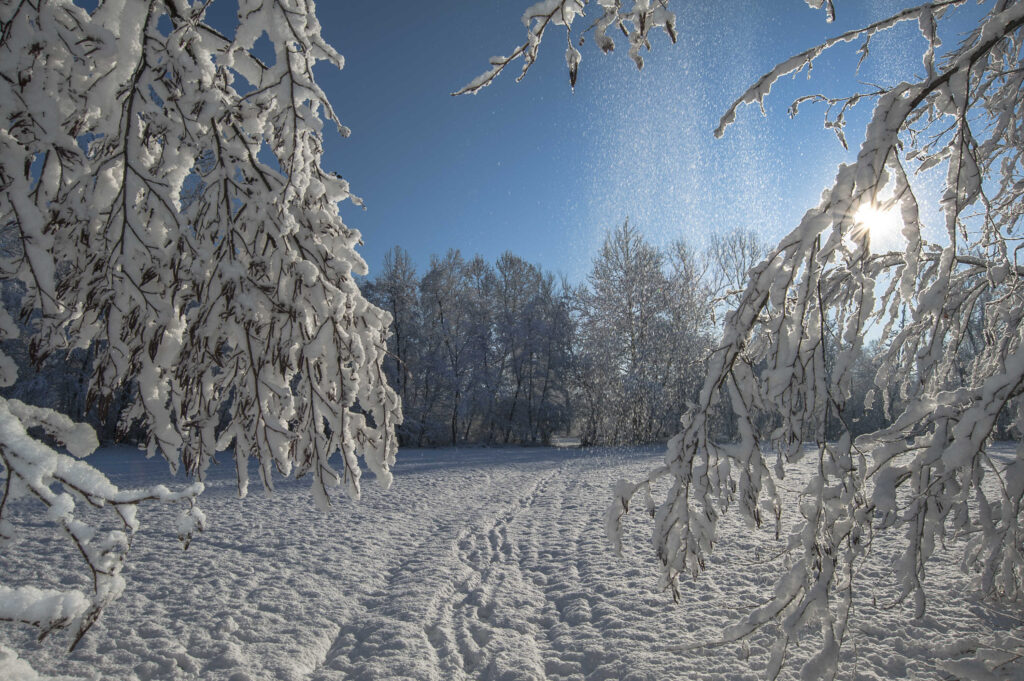
If you are wondering what to do in Sernaglia della Battaglia, the ecological trails set up by the municipality for walking, horseback riding, or mountain biking allow you to explore a rare example of a rural environment, spectacular in every season, that has survived the homogenization inherent in contemporary agriculture. The guided paths lead into the ancient rural landscape where human presence and the natural world coexisted in delicate harmony, meeting human needs while respecting the ecosystem in which they lived.