
the Mulino Cervara Oasis: between the springs of the Sile and the heart of Treviso
Thanks are due to Erminio Ramponi for the photographic and informational material needed to produce this article.
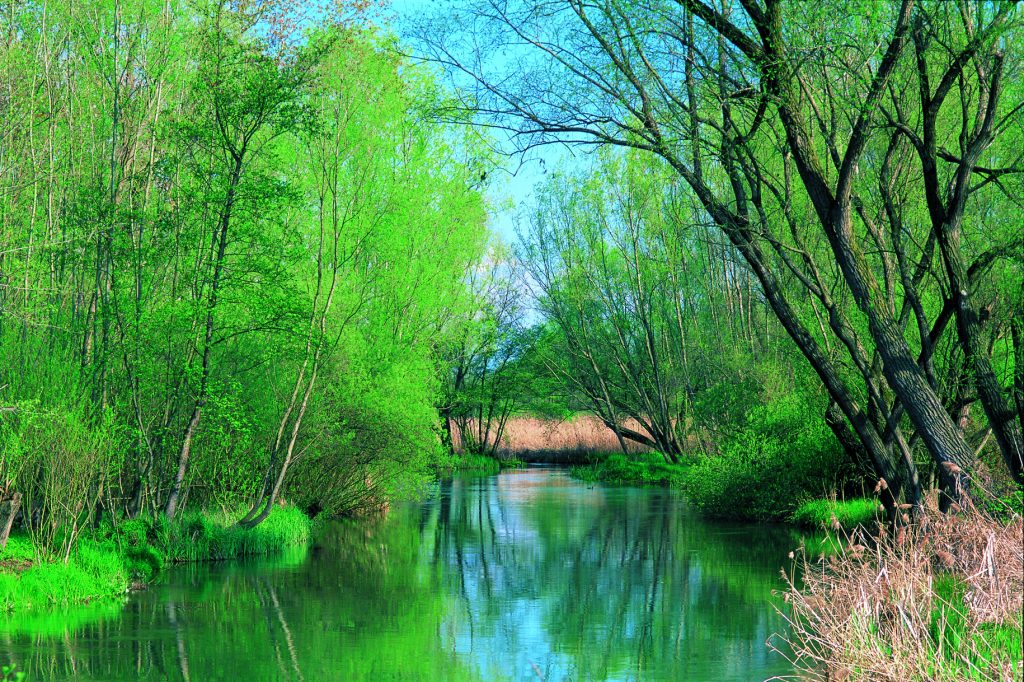
Covering an area of twenty-five hectares, the Mulino Cervara Nature Oasis is the last large wetland still intact along the spring-fed belt of the Upper Sile, as well as one of the main access points and visitor areas of the Regional Natural Park of the Sile River.
Located ninety per cent in the municipality of Quinto di Treviso and the remaining ten per cent in that of Morgano, the Cervara marsh has been included by the Veneto Region in the Natura 2000 Network as a Site of Community Importance (SCI) and Special Protection Area (SPA) for the shelter of wildlife and the conservation of the Sile’s native flora.
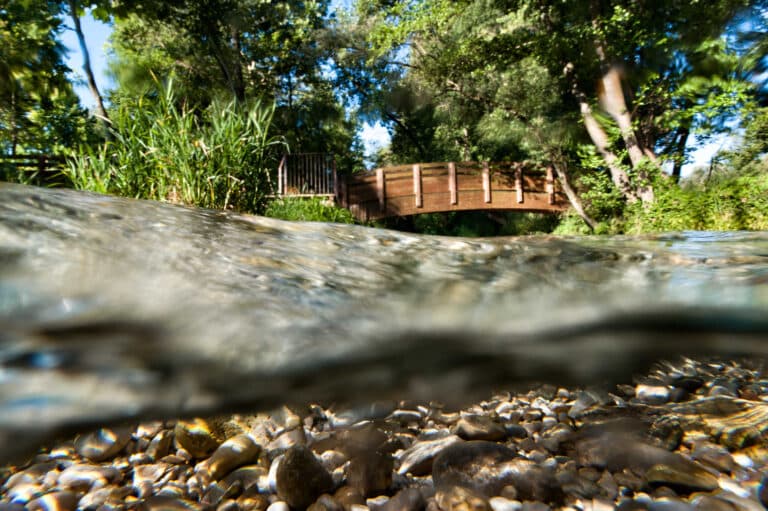
Born from the clear fontanassi in the localities of Cavasagra and Casacorba di Vedelago, the sinuous spring river crosses the countryside of the joyful Marca before flowing into the Santa Cristina marsh.
The abundance of water that characterises this fertile biotope of high natural value, set lower than the surrounding farmland, has been documented since the 14th century, when this green expanse of pastures, marshes, peat bogs, ponds, springs and swamps was known as “Maretto” or “Marettuol”.
After passing the urban area of Quinto di Treviso, the Sile skirts the built-up areas of Canizzano and Sant’Angelo, then enters Treviso from the west, where it receives the waters of the main branch of the Botteniga at Ponte Dante, dedicated to the Supreme Poet for having immortalised the city in the verse of the Divina Commedia: «e dove Sile e Cagnan s’accompagna,» (Paradiso IX, 49).
the Cervara nature oasis: an ecosystem to protect
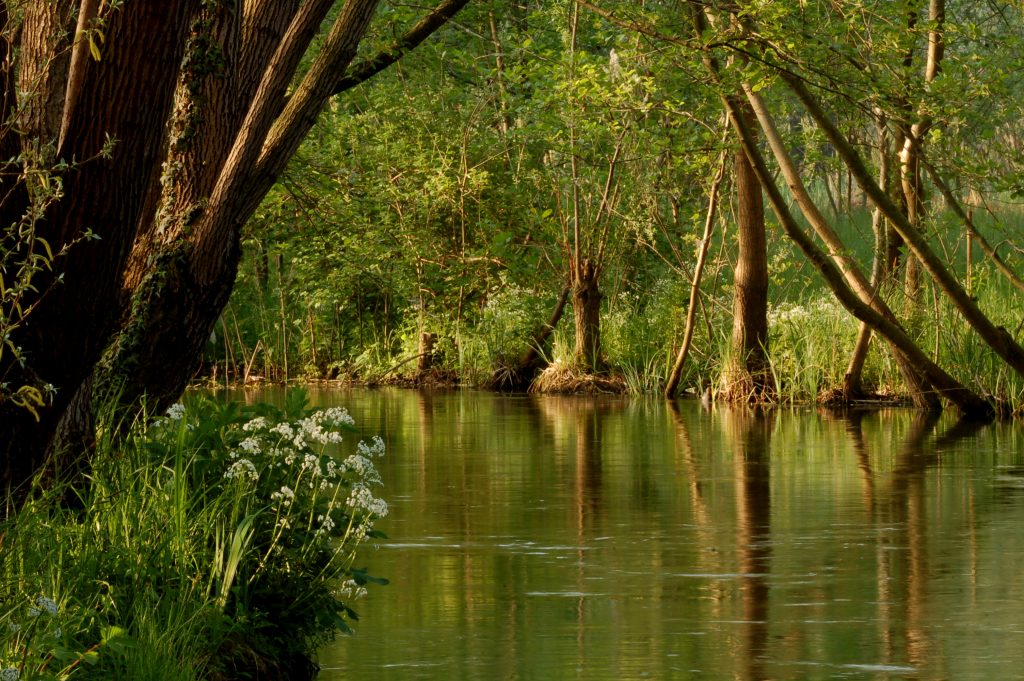
This precious reservoir of biodiversity was spared the mowing and reclamation work carried out until just a few decades ago in order to preserve the habitats devoted to fishing, hunting for waterfowl, in particular the Common Snipe (Gallinago gallinago), and to prepare the land for the production of wood and marsh plants such as canée (reeds), paère (butterbur) and paèrossi (cattail), used as bedding or feed for stable animals, up to the more classic use of sedges for weaving straw.
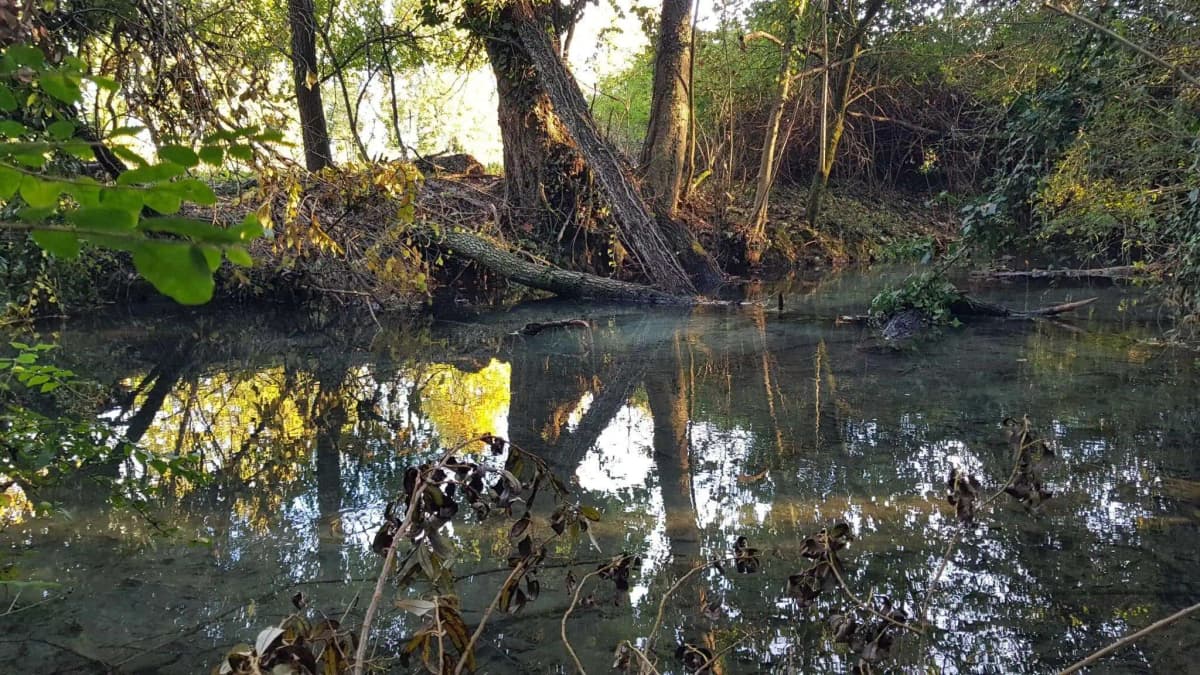
In the absence of human intervention, areas characterised by stagnant water nevertheless tend to turn into dense wet woodlands where black poplars, white willows, grey willows, sallows and black alders thrive, gradually advancing at the expense of reed beds, sedge beds and wet meadows.
Water Shamrock: a precious glacial relic
Periodic mowing of some marshy patches, essential to preserve wetland environments from the natural process of reforestation, helps safeguard plant species of community importance such as Water Shamrock (Menyanthes trifoliata).
The constant temperature of 10-12 °C of the springs creates a microclimate that allows this pure white mountain flower, widespread around Alpine lakes, in the Apennines and in Scandinavia, to survive in one of the two flowering stations in the peat bog of the Cervara Nature Oasis.
The Mulino of the Cervara Oasis
Once inside the Cervara Nature Oasis, at Via Cornarotta, 50, you are struck by the splendour of a restored ancient milling complex, whose oldest record, dating back to 1325 and currently preserved in the State Archives of Treviso, concerns “the purchase by Domenego de Strassio of a mill wheel in Cervara, which upon his death will be donated to the monastery of S. Paolo”.
The redevelopment work included the reconstruction of the two wooden wheels, the replacement of the millstones and the restoration of the mechanisms that operate both the ancient grain-milling system and the more modern metal roller mill.
The restoration of the medieval mill offers a glimpse into the thriving production activities that hundreds of years ago shaped the landscape, the economy and society along the Upper Sile.
The importance attributed to milling in the area reached its peak around the middle of the 16th century, when as many as thirty-three rotating wheels were documented in Quinto and Santa Cristina.
How the mill works
The water channelled into the basin drives the two water wheels, which transfer the rotary motion to the “running” millstone, at the centre of which there is a hole for the passage of the grain. The lower millstone, known as the “bedstone”, is also fitted with a hole through which the vertical shaft of the mill passes.
One of the most significant examples of industrial archaeology in the Veneto region, the centuries-old mill went through a period of decline from 1965 to 1984, the year in which the municipality of Quinto di Treviso bought the island of S. Cristina and established the municipal nature reserve, launching the restoration of the marsh’s buildings.
The fishpond and the casone of the Cervara Nature Oasis
Near the milling complex, the fishpond fed by the waters of the Piovega preserves the posts that supported an inclined grid, beneath which a wooden box made it possible to collect fish, especially eels.
A few steps from the fishpond, along the path that winds into the reserve’s thick woodland vegetation, stands the reconstruction of an ancient shelter for farmers and fishermen called casone.
Topped by a steeply sloping roof, the original structure, made of branches and marsh reeds near the banks of watercourses, was later replaced by a rectangular building in bricks and stone, with a four-pitched roof in wood and reed matting.
The projects that make Cervara a truly unique reserve
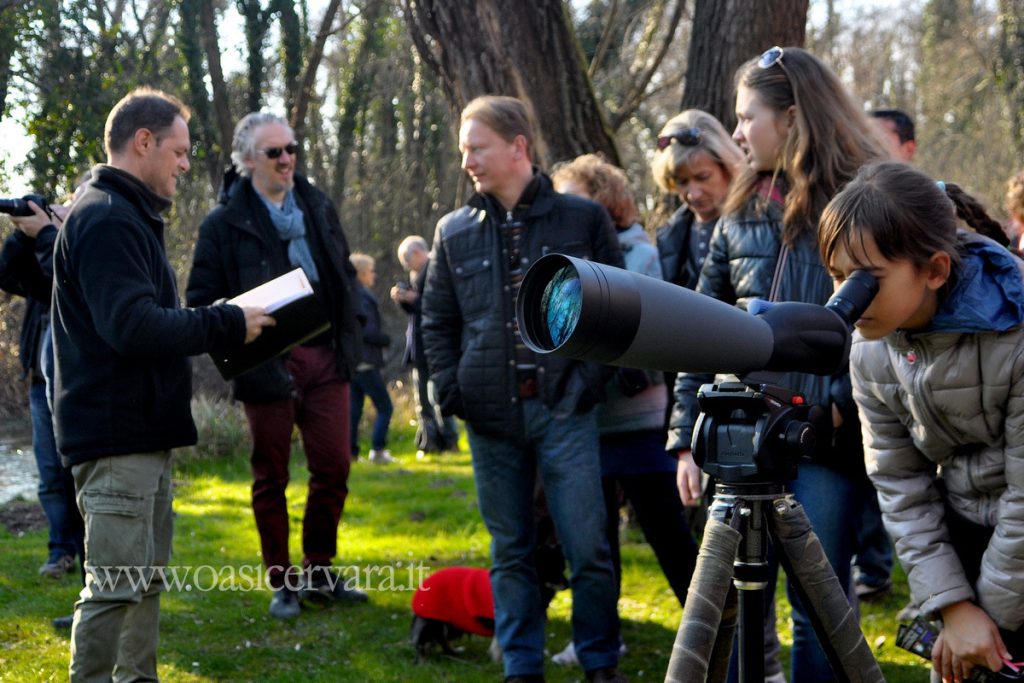
Since the Park is funded exclusively through admission tickets, the reserve organises guided tours, children’s workshops, wildlife encounters and many other innovative projects, made possible by continuous management since 2002, with the aim of combining nature conservation with the enjoyment of the site by thousands of visitors every year.
A nest for the stork
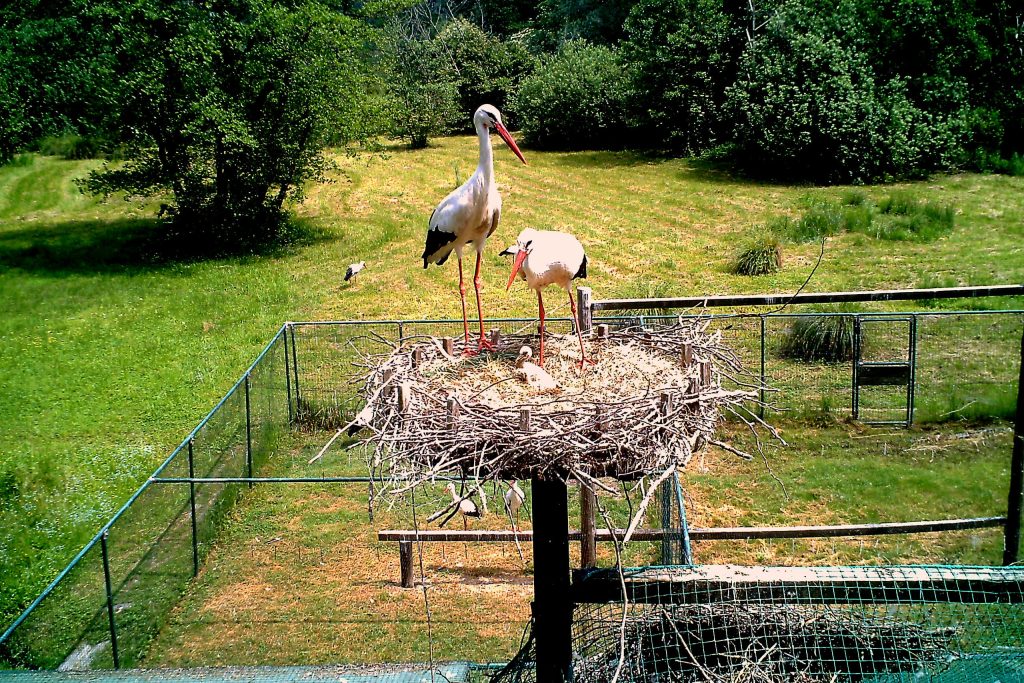
The project A Nest for the Stork has encouraged the return and nesting of the White Stork (Ciconia ciconia) along the upper course of the Sile after an absence from Italy of no less than five centuries.
Since spring 2009, the Cervara Nature Oasis has hosted a large aviary that shelters two pairs of storks. In addition to the aviary, poles with nesting platforms have been installed to encourage wild birds, which increasingly often fly over our province, to stop here.
Periodic mowing ensures suitable areas for the stay and feeding of this majestic glider, which feeds on fish, reptiles, amphibians, small mammals such as mice and voles, as well as large insects such as beetles, grasshoppers and earthworms.
A further protection measure was introduced in 2018 in collaboration with the Terna group, which installed two metal platforms on top of the pylons in the Oasis to facilitate nesting, which the Stork undertakes from February to April. At the same time, the power line was made safe to prevent any faults caused by the fall of wooden material from the nests.
In 2015, the first free-born stork chicks inside two nests located above the aviary marked an important milestone in the recolonisation of the area.
Stork migration
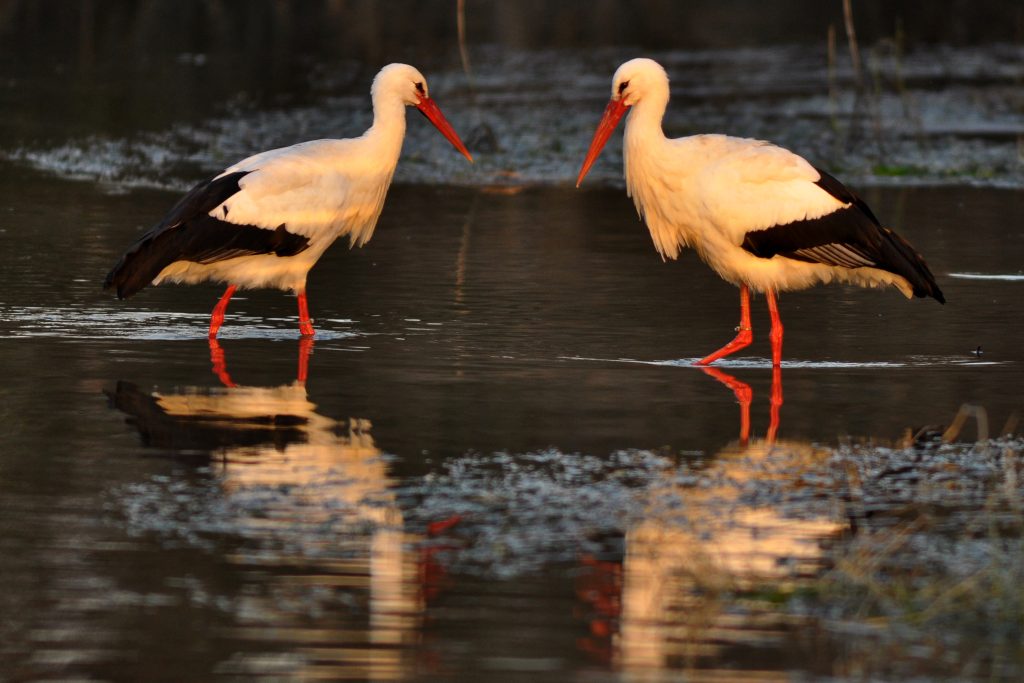
When autumn arrives, the two main European stork populations migrate to Africa along different routes. The eastern one passes through the Bosphorus, Turkey and the Sinai Peninsula before reaching the Nile Valley. The western one crosses France and Spain, passes the Strait of Gibraltar and continues towards Morocco.
The third migration corridor involves flying over Italy, towards the Strait of Messina and the Strait of Sicily, to reach Tunisia. What makes this route less frequented is the absence of rising thermal currents in the broad stretch of the Mediterranean that separates the peninsula from the North African coasts.
However, the legal protection of this bird species, combined with a greater environmental awareness, reflected in projects such as “A Nest for the Stork”, has contributed to an increase in the number of Ciconia Ciconia specimens in our country.
The hides for photographers
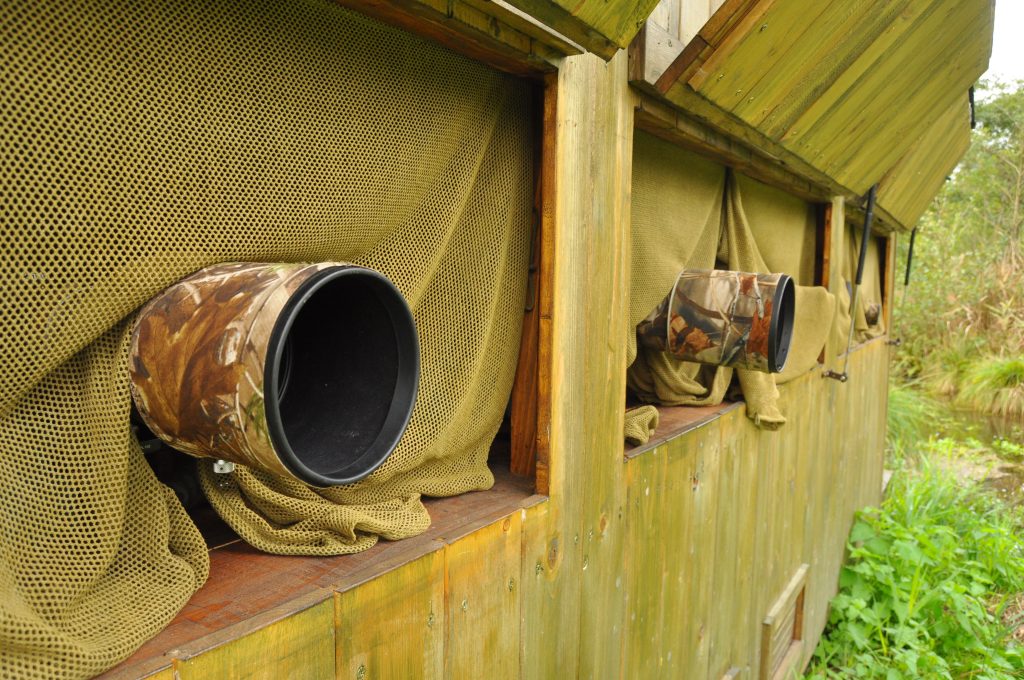
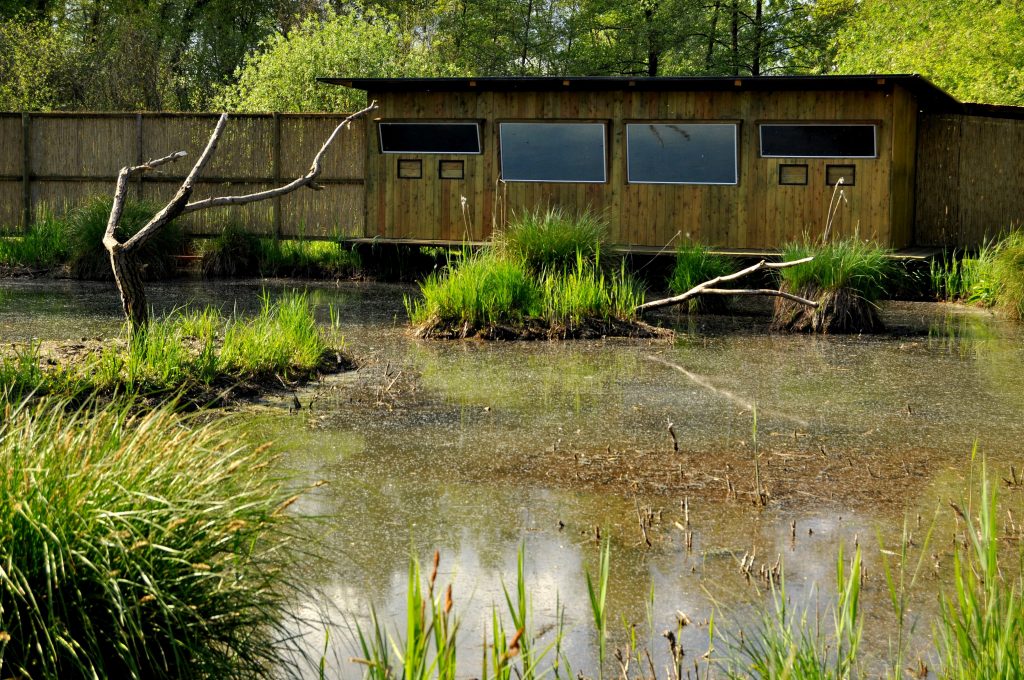
Launched in 2010, the Capanni Cervara project was created to allow nature photographers to capture the birds that inhabit the reserve, among which the Kingfisher stands out as the area’s most representative species.
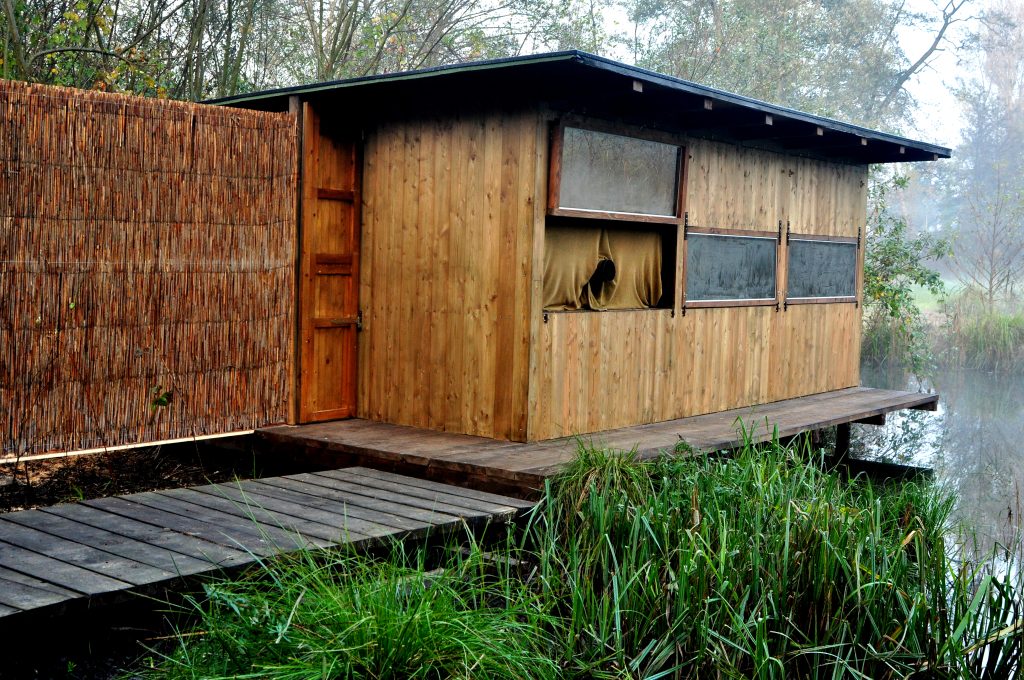
The funds generated by booking the comfortable photographic hides are reinvested in marsh maintenance, so that photographers can help preserve the Oasis’ natural habitats.
Every year, between three hundred and four hundred photographers from all over Italy and from neighbouring countries such as Switzerland and Austria visit the Mulino Cervara Nature Oasis.
The owl grove
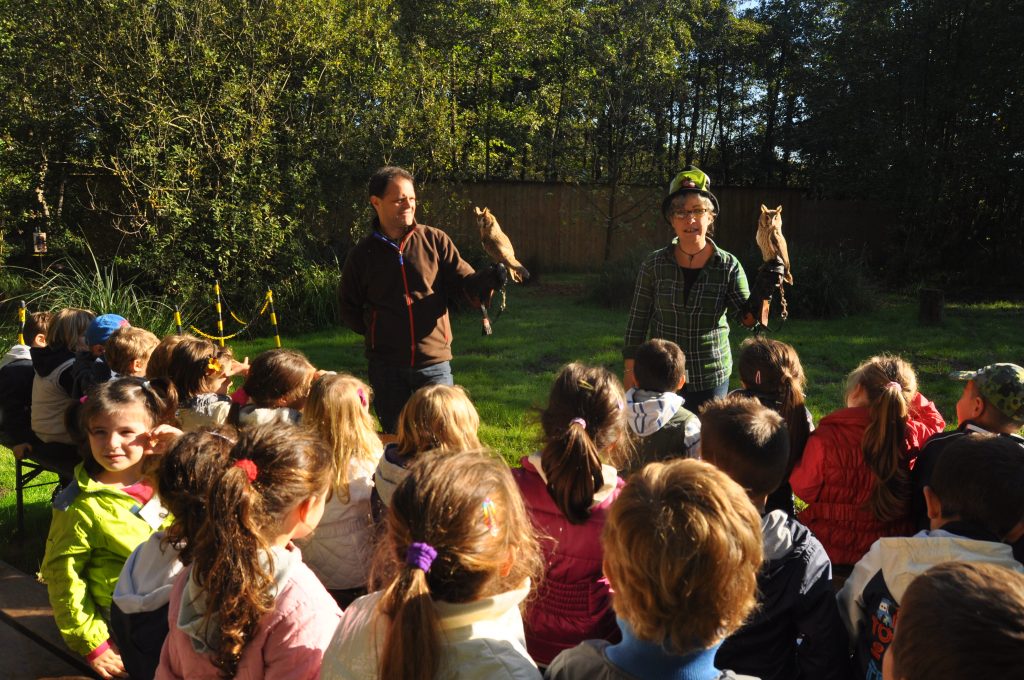
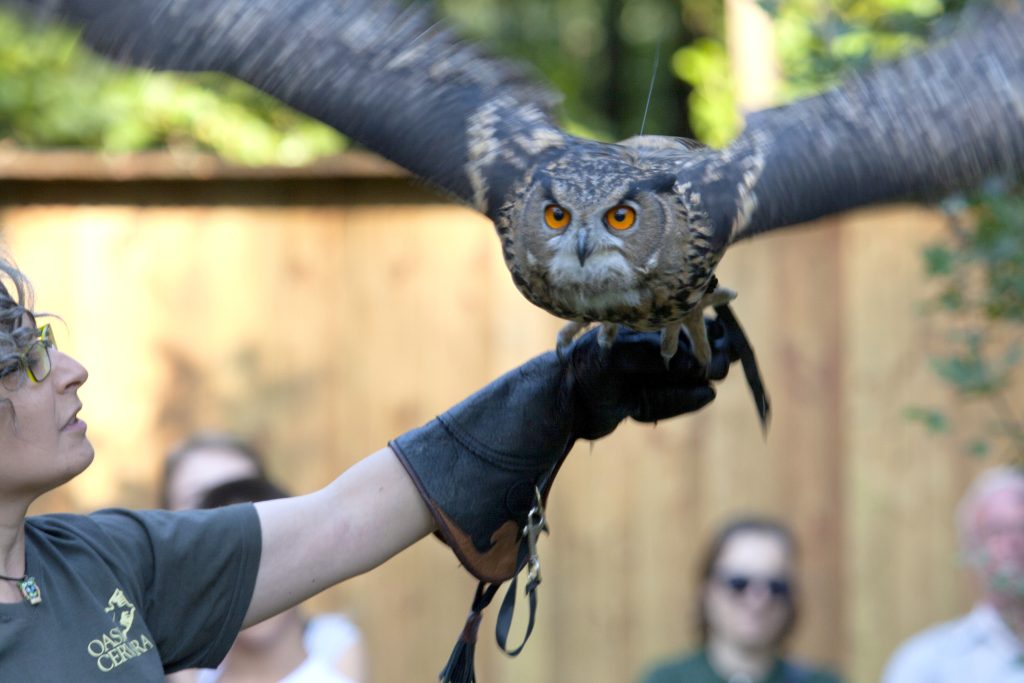
In 2012, the Cervara nature oasis launched the project The Owl Grove with the aim of creating the first Italian centre dedicated to the knowledge of nocturnal birds of prey. At present, the Oasis staff cares for three Barn Owls, one Tawny Owl, one Ural Owl, one Long-eared Owl and one Eagle Owl called ObiWan.
The educational and outreach activities for schools and visitors include opportunities for close encounters with some nocturnal species during The Owl Flight, which takes place at weekends.
Wetlands
The importance of preserving wetlands lies in their ability to reduce the risk of hydrogeological instability, regulating groundwater levels and thus preventing the risk of flooding.
The delicate marsh ecosystem also acts as a natural purifier, capable of facilitating the microbial decomposition of organic substances.
Birdlife of the Cervara Oasis and the Sile Park
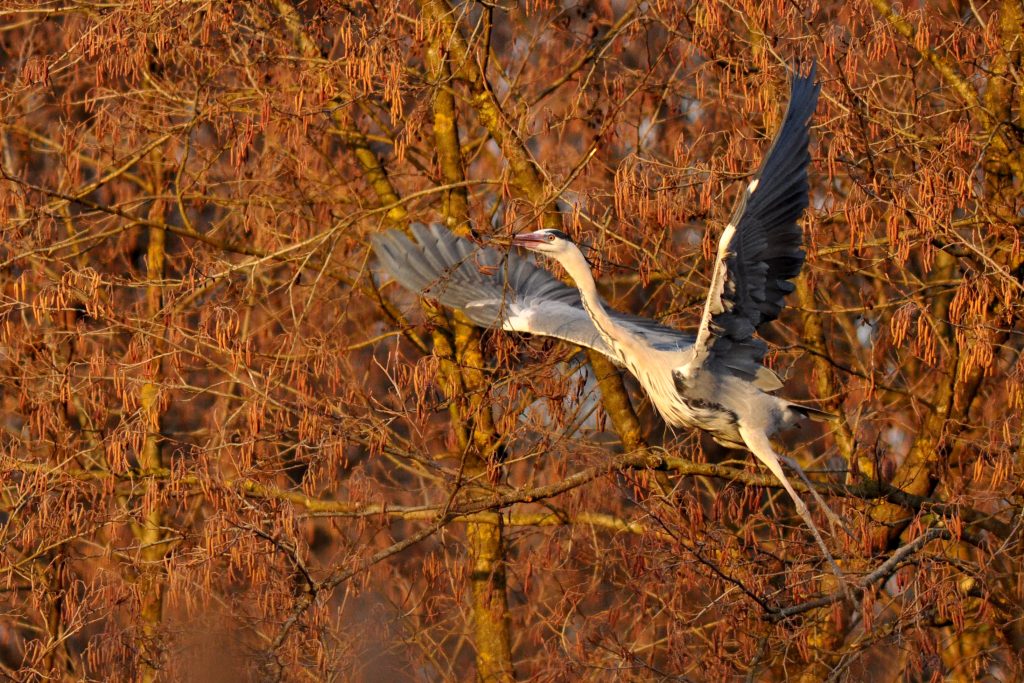
The numerous bird species that the Cervara Oasis and the Regional Natural Park of the Sile River are committed to protecting include the Little Egret (Egretta garzetta), the Common Buzzard (Buteo buteo), the mallard (Anas platyrhyncos), the Grey Heron (Ardea cinerea) and the Coot (Fulica atra). Belonging to the Rallidae family, the latter is recognisable by its black plumage, which contrasts with the whiteness of its beak and prominent frontal shield.
The Heronry of the Cervara Nature Oasis
Grey Herons, Little Egrets, Night Herons, Cattle Egrets and Little Cormorants live in the Cervara Heronry, established in the early 1980s, which with its two hundred breeding pairs is one of the most important in the Veneto hinterland.
The Kingfisher: an acrobat of waterways
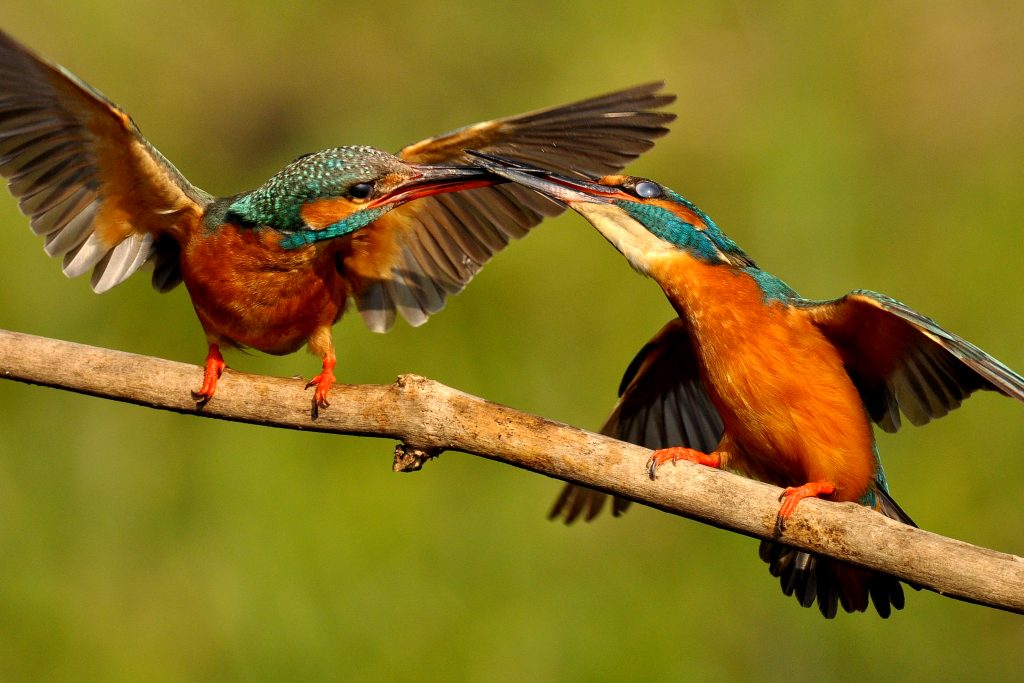
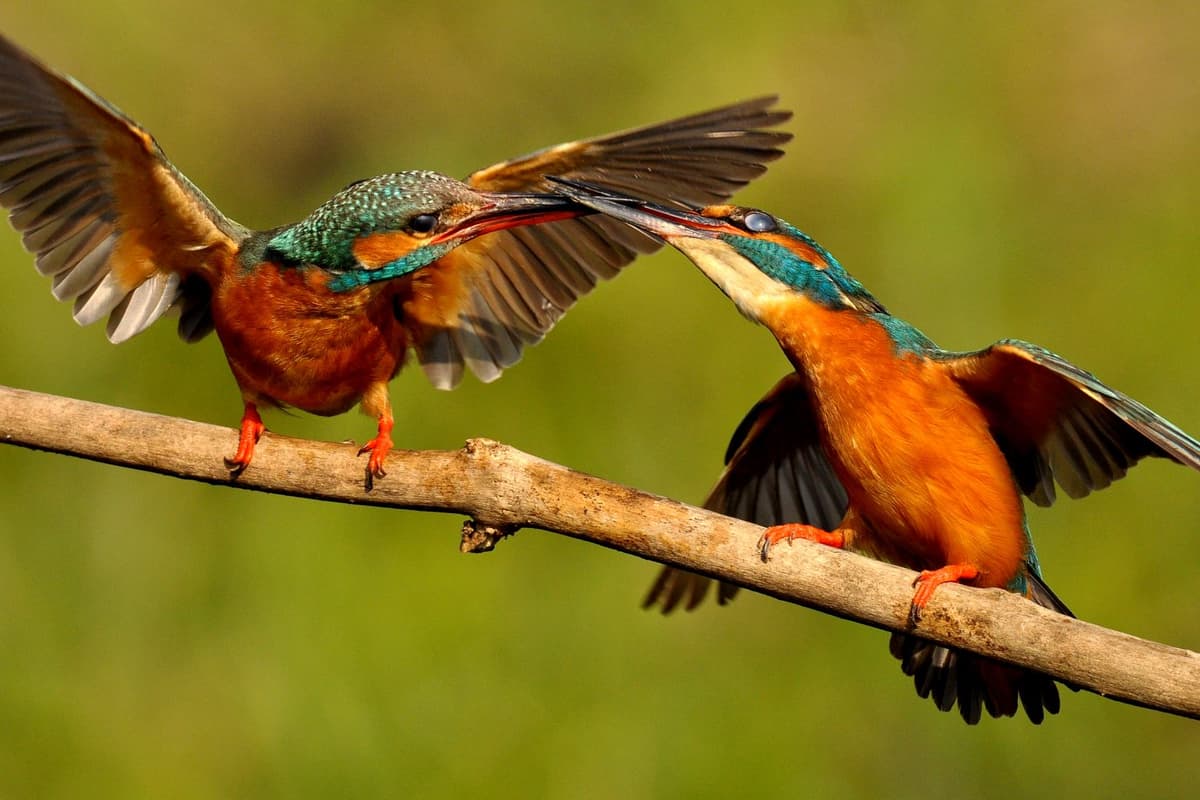
The marsh environment of the reserve provides the ideal habitat for the Kingfisher (Alcedo atthis), which lives in ponds and streams, feeding on amphibians, small fish and insects that it catches with spectacular acrobatic dives.
This small and agile bird is distinguished by its long beak and vivid plumage: the head, wings and tail display turquoise and dark green hues, while the belly has a characteristic reddish tint. During nesting, it digs deep underground burrows, up to a metre long, where it lays its eggs sheltered from predators and bad weather.
The Water Rail, the marsh’s “little pig”
The habitat of the Water Rail (Rallus aquaticus, Linnaeus, 1758) consists of Phragmites reed beds and stretches of marsh vegetation, including irises, bur-reeds, sedges and cattails (Typha latifolia), recognisable by their characteristic cigar-shaped fluffy fruits. For nesting it prefers wet environments with still or slow-flowing waters, both fresh and brackish.
Its plumage is brownish-olive with black speckling on the upper body, while the cheeks, neck, chest and belly are a deep grey. The flanks are black with white streaks.
The call of the Water Rail is distinctive, with a series of grunts followed by a squeal similar to that of a piglet.
The Little Grebe
With its rounded body and chestnut-red head, the Little Grebe, (Tachybaptus ruficollis Pallas, 1764) builds its floating nest in freshwater areas where it lays its eggs, covering them with marsh vegetation to protect them from predators. Elusive and difficult to observe, the Little Grebe reveals its presence through its characteristic trilling call.
Reptiles, amphibians and mammals in the Cervara Nature Oasis
The Cervara nature oasis is home to numerous species of reptiles, amphibians and small mammals linked to wet environments. On warm summer days, the pond turtle (Emys Orbicularis) likes to bask in the sun along the edges of the ponds, while in autumn it buries itself in the mud on the bank before hibernating. The Water Vole (Arvicola terrestris), a charming mammal adapted to aquatic life, nibbles on the riparian vegetation that grows along the banks of the streams.
The non-venomous snakes of the Cervara Oasis
The three species of snakes that inhabit the Cervara Nature Oasis are the Grass Snake (Natrix natrix), recognisable by the two pale half-moons crowning its head, the Dice Snake (Natrix tessellata), the European colubrid species most closely associated with aquatic environments, where it hunts the small fish that make up its diet, and the Western Whip Snake (Coluber viridiflavus).
More aggressive than the grass snakes, the latter feeds on small rodents, birds, reptiles, frogs, tadpoles, beetles and snails. During the day it likes to soak up the sunlight, while at night it takes refuge under rocks and in rodent burrows.
The amphibians of the Cervara Oasis
The small Lataste’s Frog (Rana latastei) is a small red frog endemic to the Po Valley, associated with lowland wet woodlands dominated by alders, oaks and hornbeams, where it feeds on insects and earthworms. During winter it finds shelter in cracks in the ground, while in March it lays its eggs near ponds, pools and waterways.
With its vivid green colouring, the tree frog (Hyla intermedia) has characteristic suckers on the tips of its fingers, thanks to which it can climb nimbly trees and marsh grasses, where it catches insects with its front legs, while the pool frog (Rana esculenta) remains still among the vegetation on the bank, waiting to catch its prey with a lightning-fast flick of its long sticky tongue.
The smooth newt (Triturus vulgaris) spends the first part of its life, from April to June, in ponds or rivers without strong currents, where it breeds, after which it moves to damp, shady places, finding shelter under stones and in decaying wood cavities.
Flora and fauna of the hygrophilous woodland
The landscape of the hygrophilous woodland is characterised by dense black alder woods, whose twisted roots, containing bacteria capable of fixing nitrogen in the soil, make this tree ideal for reclaiming poor, wet and unhealthy land. Towered over by majestic oaks and soaring poplars, the reserve’s winding trails offer a striking view of the leafy crowns of grey willow (Salix cinerea) and white willow (Salix alba), plants that are essential for stabilising the banks of waterways.
The fauna of the undergrowth
In this primordial environment teeming with life, the black poplars provide shelter for squirrels, woodpeckers, hobbies and bats, shading the dense cover of marsh ferns, reeds and cattails in which the Hazel Dormouse (Moscardinus avellanarius) hides, a small nocturnal dormouse that feeds on nuts, hazelnuts, juicy fruits and shoots.
From late winter until July, the landscape of the hygrophilous woodland becomes even more enchanting thanks to the flowering of the Marsh Marigold (Caltha palustris), whose vivid golden flowers stand out against the lush green vegetation.
The mammals of the wood
Among the mammals that inhabit this ecosystem are the Badger (Meles meles) and the Fox (Vulpes vulpes). The Badger, shy and mostly nocturnal, feeds on meat and fruit before retreating to its den during hibernation, while the Fox, active even in the winter months, builds its shelter among shrubs and thick hedges.
The birds of the reserve
Between March and April, the attentive observer may spot, hidden in the dense shrub belt, the nest of the Night Heron, a small, elegant and elusive heron that feeds mainly at dawn and dusk.
The quiet spring days in the Cervara Nature Oasis are enlivened by the lively drumming of the Green Woodpecker (Picus viridis) and the Great Spotted Woodpecker (Picoides major), which use their beak like a chisel to carve into tree trunks and hollow out the nest in which they lay and protect their eggs.
The vegetation of the wet woodland provides the Penduline Tit (Remiz pendulinus) with the material needed to build its hanging nest, weaving stems and blades of grass around willow twigs, which it then lines with cottony willow and cattail fluff to create a soft lining.
The Long-eared Owl (Asio otus) has grey-brown plumage that allows it to blend in with the trees on which it perches to ambush rodents, small birds and insects, mainly beetles.
Institutional framework
Since 2023, the Alcedo and Simili cooperatives have been working institutionally with the Municipality of Quinto di Treviso and with the Regional Natural Park of the Sile River for the nature conservation of the Oasis and for the organisation of services supporting nature tourism and wildlife projects, both already completed and still to be carried out in the park.
Alongside the commitment of the public authorities, since 2023 CentroMarca Banca, a Cooperative Credit Bank, has also been supporting some important improvement projects within the protected area.
The clear waters of the Sile, whose silent meanders give life to the vibrant wealth of animal and plant biodiversity that animates this bright green lung, feed a medieval milling complex wrapped in a fairy-tale atmosphere suspended in time, creating a delicate balance in which history, ecology, breathtaking scenery and a passion for nature coexist in harmony.