
We would like to thank the municipality of Pieve del Grappa and the SIF and Natural Areas Organizational Unit of Treviso of Veneto Agricoltura, the Veneto Agency for Innovation in the Primary Sector, for their kind collaboration.
The preparation of this article was made possible thanks to the information contained in the Guide to the Astego Botanical Garden and in the Astego Botanical Garden leaflet.
History of the Astego Botanical Garden
Nestled on the southern slope of the Monte Grappa Massif at an altitude of about 450 m above sea level, the Astego Botanical Garden was born as a forest nursery with the aim of restoring the mountain woodland heritage devastated by the First World War. Alongside nursery activities, there are recreational and educational initiatives dedicated to the plant environments of the Monte Grappa Massif and the surrounding hills.
From Forest Nursery to Botanical Garden
Founded by the Corpo Forestale dello Stato and already active in 1920 for the conservation of native species, the Astego Forest Nursery was transferred in 1986 to the Regional Forestry Service.
In 2000, the latter relocated the production of regional nursery material to the Plant Biodiversity and Off-Forest Centre of Veneto Agricoltura in Montecchio Precalcino (VI).
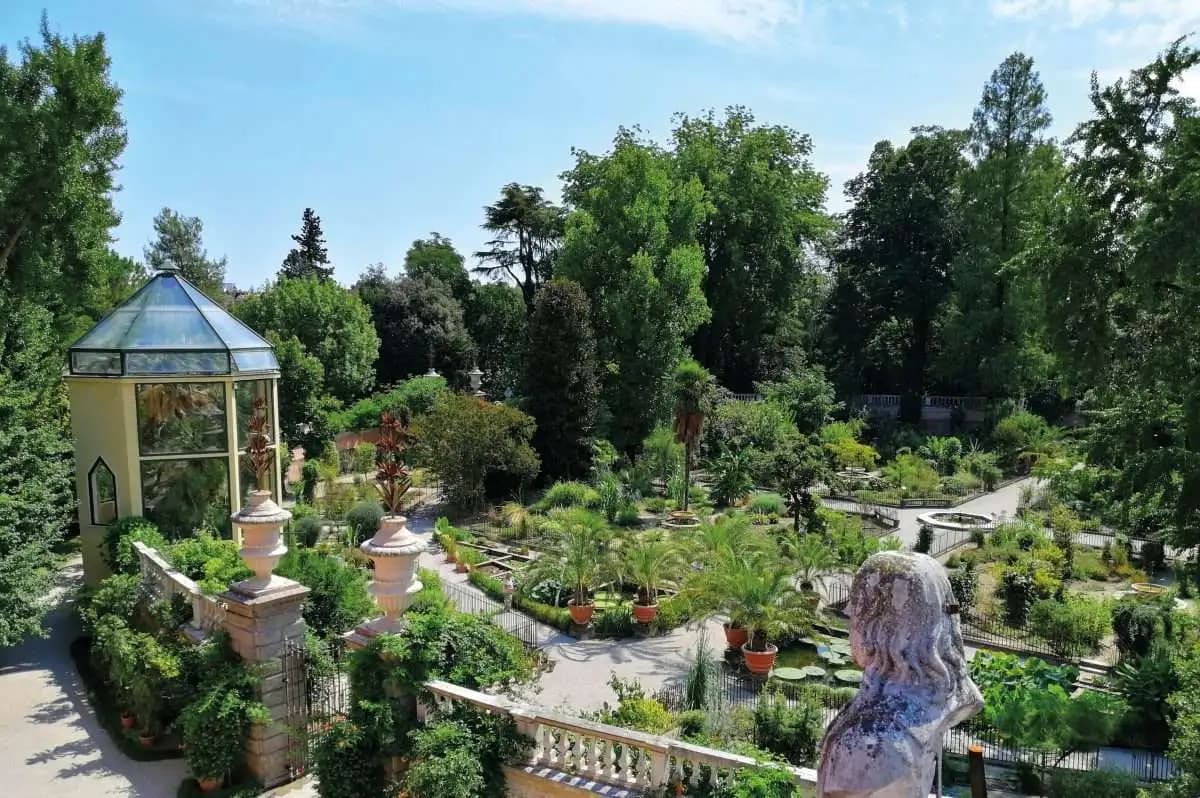
During the expansion works, it was decided to preserve the original layout of the structure, marked by sixteen terraces enclosed by stone retaining walls. A central path crosses the terraces, where the natural environments found from the summit of the Monte Grappa Massif to the surrounding plain are recreated.
After receiving its current name following these interventions, the Astego Botanical Garden combines the protection of local plant species with educational and outreach activities that include areas for wildlife observation, sensory paths and play areas designed to encourage direct contact with nature and involve visitors of all ages.
Organized in a terraced structure that follows the slope of the hillside, the Garden has been entrusted since 2018 to Veneto Agricoltura, in particular to the SIF and Natural Areas Organizational Unit of Treviso, which take care of habitat reconstruction, technical management and the ordinary maintenance essential for their survival.
The Monte Grappa Massif
On 15 September 2021, the MAB Programme – Man and the Biosphere, an intergovernmental initiative in UNESCO’s science sector, declared the Monte Grappa territory the twentieth Biosphere Reserve. Its 66,000 hectares include twenty-five municipalities in the provinces of Belluno, Treviso and Vicenza.
The Monte Grappa Massif, whose summit reaches 1,776 metres, is a mountain complex in the Veneto Prealps bordered by the Brenta and Piave rivers, whose icy waters separate its western and eastern slopes respectively from the Altopiano dei
Sette Comuni (VI) and the Cesen-Nevegal ridge (TV-BL).
To the south of the Grappa Massif stretch the foothills and the Veneto plain, while to the north numerous river valleys branch off, such as Val Cesina, a tributary of the Brenta, Val Stizon, a tributary of the Sonna stream, Valle delle Mure, a tributary of the Calcino stream, and Valle del Tegorzo.
The origin of the Grappa Massif
The orogenetic process that gave the Grappa Massif the appearance we can admire today ended four million years ago, when the emergence of the Southern Alps was completed.
This is evidenced by the steep slopes, alluvial cones, rocky accumulations and deformations undergone by the rock layers, the result of the erosive action of glaciers and torrential waters. The presence of folds and faults shows that the sediments of ancient seabeds, once compressed and cemented, were pushed upward during the geological formation of the Alpine chain.
Karstification
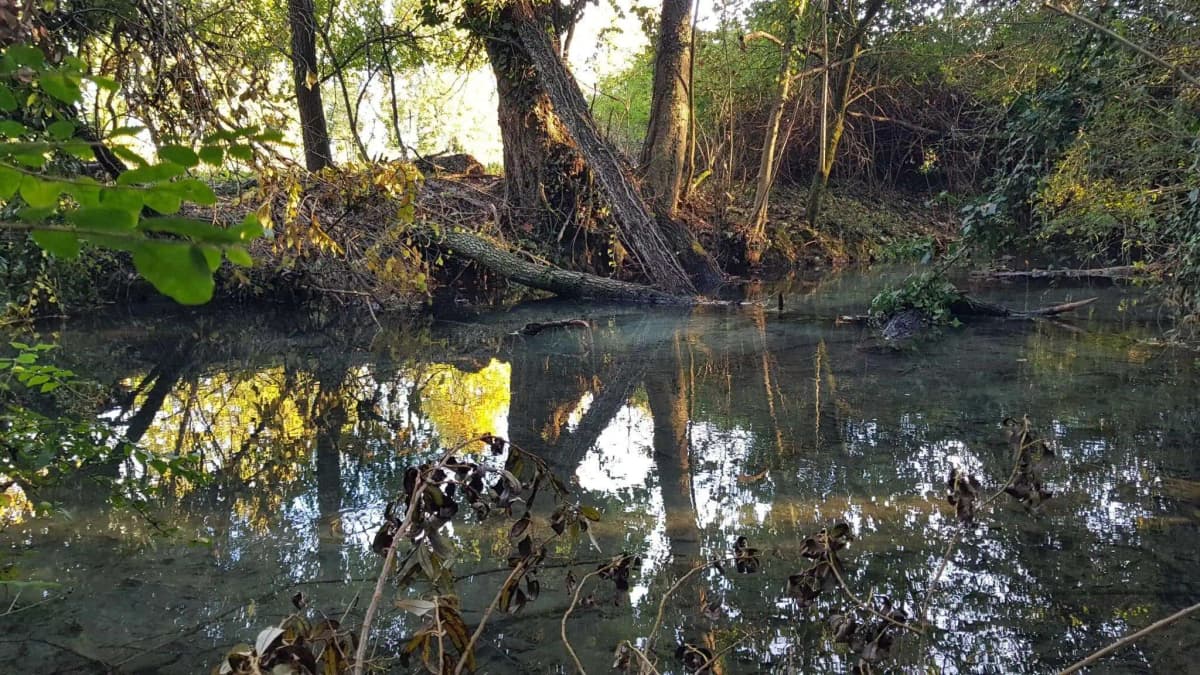
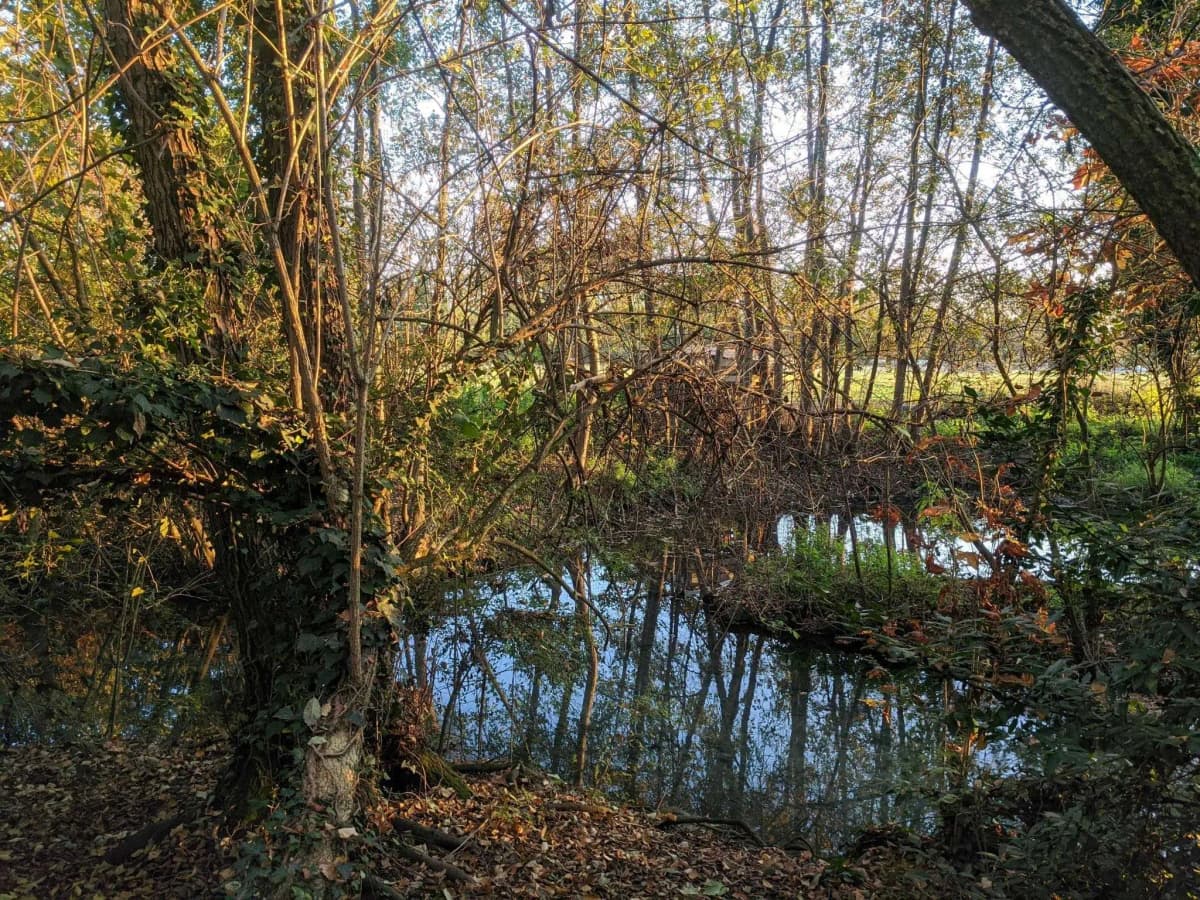
Covering an area of about two hectares, the Astego Botanical Garden is home to a small stream, an alpine watering pool and a peat bog, essential for the wild and domestic flora and fauna of the Grappa Massif, whose predominantly limestone environment is strongly shaped by karstification.
Carbonate rocks, insoluble in pure water, can be dissolved by water mixed with carbon dioxide present in the air, which transforms insoluble calcium carbonate into soluble calcium bicarbonate.
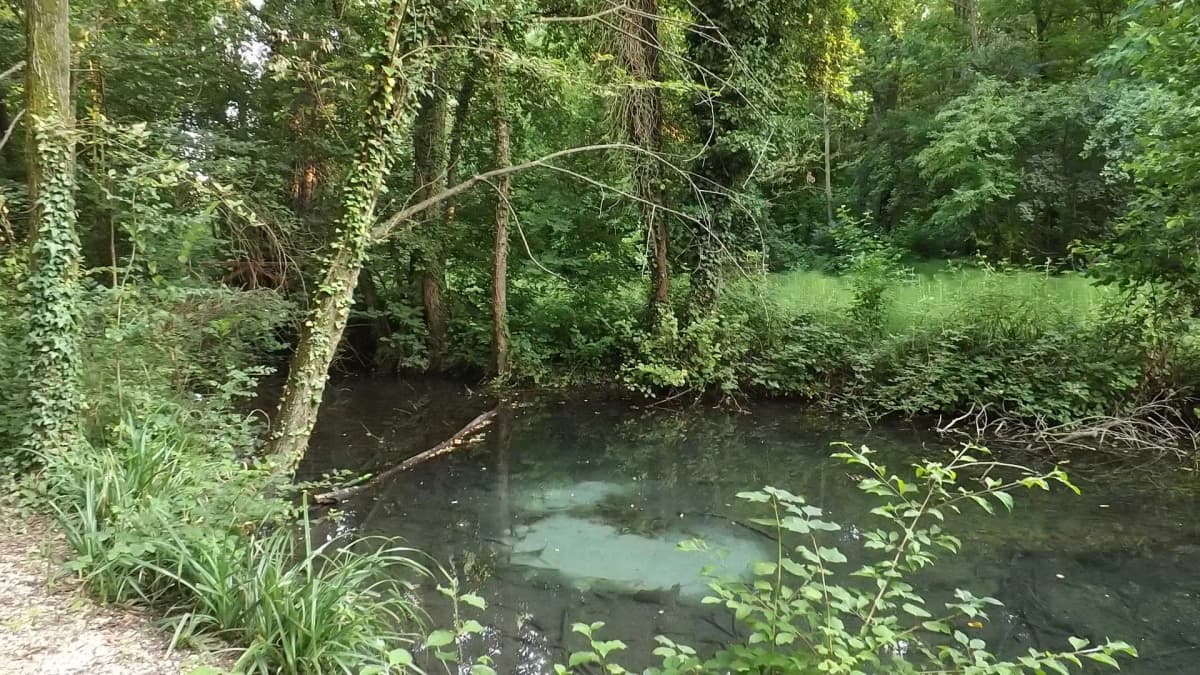
The erosive action of rainwater leads to the formation of sinkholes, swallow holes, grooves and flutings, through which water, seeping into the subsoil, travels deep underground to the heart of the mountain, only to re-emerge at hill level, giving rise to crystal-clear springs such as those of Tegorzo and Astego on the Grappa, and those of Oliero in Valsugana, fed by waters coming from the Altopiano di Asiago.
Botanical aspects of Monte Grappa
The complex climatic and geomorphological factors that characterize the Grappa Massif, together with its position straddling the Alpine chain and the Po Valley, make it possible for scrubland vegetation, typical of Mediterranean areas, to coexist with boreal mountain formations.
Spared by the advance of the glaciations, the southern slopes and summit of the Grappa Massif allowed the pre-existing vegetation to survive, while also providing a natural refuge for various alpine species from the north.
With the melting of the ice, other plants returned to thrive in these vegetation islands, important reservoirs of biodiversity which, together with the numerous valleys that adapt to the distinctive morphology of the Grappa Massif, make it a flourishing plant mosaic home to between 1,300 and 1,350 vascular species.
The guided route through the Garden
The three sections of the Astego Botanical Garden
The first section of the Garden guides visitors in discovering the sixteen terraces of the original forest nursery from the 1920s, whose regular layout makes it easier to identify the distinctive features of each habitat and the species that make it up.
Organized into about thirty-six terraces, the second part of the route includes more than four hundred herbaceous and shrub species. Lapped by an artificial mountain stream, the area dedicates three terraces to the fifty-four wild orchid species in Veneto, to phytoalimurgy (the study of edible wild species) and to roses.
Divided into ten terraces, the third part illustrates forest environments, the undergrowth and, in particular, the fungi and animals that inhabit it.
The Astego Botanical Garden between learning and play
The recreational activities that test ingenuity, balance and orientation skills make a visit to the Astego Botanical Garden an experience that goes beyond the concept of traditional exhibition routes, involving the visitor on an intellectual and sensory level thanks to a harmonious synthesis of naturalistic education and the ancient, deep bond between human beings and nature.
The sensory path
Framed by a tall hornbeam hedge, the barefoot trail was designed to sharpen physical perception through direct contact with materials such as stones, leaves, straw, wood, sand and tree bark. It is recommended to take the path with your eyes closed to heighten tactile sensitivity and improve balance.
It has been shown that immersing oneself in an untouched natural environment helps reduce nervous tension, lower blood pressure, and relieve states of anxiety and depression.
Balance in the forest
Made with poles and ropes, the route is located near the first tree formations, which can be reached by going down the terraces or taking the path on the far right.
In addition to testing their balance, visitors must identify which animals correspond to the silhouettes visible along the path.
The labyrinth
The plant labyrinth that can be explored inside the Garden consists of white hornbeam hedges arranged around a viewing tower, whose advantageous position helps visitors find the exit.
With an area of 825 m², the plant labyrinth is spread over two levels corresponding to two adjoining terraces.
In autumn, the dry leaves of the white hornbeam remain on the branches, tinting the labyrinth in brown tones. In winter, the whiteness of the snow that settles there is captivating; in spring, the bright green of the new blooms.
The start of the itinerary
After passing the ticket office, you enter the Garden area dedicated to summit environments. From this privileged position, the regular sequence of terraces lying on the slope can be admired at a glance.
After admiring a beautiful stone fountain, the ingenious analemmatic sundial on the terrace below catches the eye.
The analemmatic sundial
Dating back to the 16th century, the analemmatic sundial is a horizontal sundial made up of an ellipse on which the hour points of the day and the daily lines of the year are marked, while a central meridian line shows marks and sectors corresponding to the dates of the year.
The rock garden and scree slopes
In the first part of the itinerary, a sequence of rocks illustrates the lithological stratigraphy of the mountain relief, made up mainly of limestone rocks formed by the accumulation of debris, muds, mucilage and calcareous encrustations produced by microorganisms, animals and plants that inhabited the mineral-rich waters of a shallow sea over three geological eras (Triassic, Jurassic, Cretaceous).
A compact carbonate rock composed of calcium and magnesium, dolomite is similar to other limestones, but unlike them it does not dissolve in contact with acetic acid.
Ammonitic red takes its name from the cephalopod molluscs that lived 65 million years ago, called ammonites, whose fossils often dot this sedimentary rock.
Younger and more friable than ammonitic red, the red scaglia, found especially at the summit, descends into the valley after being eroded by water. Typical of river valleys is conglomerate, a rock formed by heterogeneous pebbles called clasts, transported by rivers and glaciers and cemented together by a sand matrix.
The whiteness that characterizes the Biancone found at the summit takes on a greyish tone when, at lower altitudes, this limestone rock comes into contact with moisture. Inside the Biancone it is not uncommon to find nodules or isolated layers of flint, a black or reddish siliceous sedimentary rock used in prehistoric times to make knives and arrowheads.
Found especially at the base of the southern slope of the Monte Grappa Massif, marl is composed of equal parts limestone and clay.
In the rock garden it is possible to observe the adaptive strategies that allow some plant species to survive in this harsh and severe environment.
Plant defense strategies
Water scarcity, snow cover, the short growing season and solar radiation are limiting factors for vegetation development at the summit of the Monte Grappa Massif and the pre-Alpine peaks, whose landscape is characterized by permanent meadows and vast stretches of pebbles and gravel deposited at the foot of steep rocky walls.
The presence of soil deposits covered by debris makes it possible for some plant species to survive. They can withstand prohibitive conditions thanks to adaptive solutions such as dwarfism and cushion or rosette forms, useful for enduring wind, snow load and temporary drought.
The root system plays a fundamental role in the plant’s ability to adapt to rocky and difficult environments. The central stolon anchors itself to steep slopes while the dense network of secondary roots quickly absorbs a considerable amount of water, which is stored in the leaves, giving them the fleshy appearance typical of succulents.
To retain moisture and protect themselves from UV radiation, some plants and flowers, such as the edelweiss Leontopodium alpinum, are covered in down on the stem and leaves.
The bright shades of the petals also help protect mountain flowers from ultraviolet rays, as well as attracting pollinators.
The ability of plants to accumulate starches and sugars allows them to lower the freezing point, increasing the chance of surviving the cold.
Alongside the study of the geology of the Monte Grappa Massif, the Astego Botanical Garden dedicates a section to dendrochronology, the discipline linked to measuring the age of trees.
Dendrochronology
Dendrochronology, whose name derives from the ancient Greek δένδρον (dendron), meaning tree, χρόνος (kronos), time, and λόγος (lógos), reason, discourse, is the science that studies the environmental factors that determine the development of tree rings, whose count makes it possible to estimate the age of the plant.
In spring and summer, the plant’s vessels have thinner walls and a larger lumen to let more sap flow through. In autumn and winter, during the dormant phase, they have a smaller lumen and thicker walls. Observable in the cross-section of the trunk, the alternation of light colours in the warmer months and dark colours in the colder ones makes it possible to estimate the age of the tree fairly accurately from the sequence of rings.
Plants record environmental factors such as wind, rain, drought, temperature, hail, frost and snowfall, changes in humidity and light levels, making it possible to date disastrous events such as fires, volcanic activity, earthquakes, floods, landslides, avalanches and diseases caused by the parasitism of insects, fungi or other plants.
When dendrochronology is applied to the study of climate change, it is called dendroclimatology.
Vegetation at the summit
The substrate that characterizes the typical environment of the pre-Alpine summits, combined with low temperatures and high humidity, prevents the root systems of tall trees from developing.
The different types of scree visible on the right are the result of frost shattering. This phenomenon consists of the mechanical erosion of rock due to the pressure exerted by the freezing of water present in rock fissures.
Pioneer plants, able to establish themselves in difficult, permeable soils poor in nutrients and exposed to wind and frost, include the mountain pine (Pinus mugo), the larch (Larix decidua), the green alder (Alnus viridis), the rock rose (Helianthemum nummularus), coltsfoot (Tussilago farfara), the stipulate willow (Salix appendiculata), and Stachys (Stachys alopecuros).
The mountain pine
Characterized by a root system capable of stabilizing entire slopes, this wild shrub adapts to calcareous-dolomitic substrates exposed to cold currents and temperature inversion. Found both in valley floors, at 400-500 m above sea level, and in Alpine pastures at 2,000 m above sea level, the mountain pine is able to withstand the weight of snow thanks to the elasticity of its wood.
The needle-like leaves, 3 to 6 cm long, are attached to the branch in pairs. The fruit is a small cone appreciated for its expectorant and aromatic properties.
At these altitudes, the bright expanses of high mountain meadows are coloured by the vivid tones of edelweiss (Leontodon), primroses and saxifrages (from the Latin sassi fragor, “to break the stone”) such as Saxifraga burseana, S. crustata, S. mutata, S. paniculata and the Saxifraga of the Dolomites (Saxifraga squarrosa var. grappae).
Among them, Host’s saxifrage grows in rock fissures, forming basal rosettes with long, sturdy leaves from which delightful white flowers emerge.
In addition to pearlwort (Moltkia suffruticosa), the symbol of the Garden, the many alpine species visible in this treasure chest of biodiversity include butterwort (Pinguicola vulgaris), edelweiss (Leontopodium alpinum) and Einsele’s columbine (Aquilegia einseleana).
Primary and secondary pioneers
The root system of primary pioneer plants and their ability to anchor themselves to the ground, stabilizing it and counteracting erosion, creates a fertile substrate for the spread of species with greater demands in terms of water availability and nutrient quality, as well as protection from weather and low temperatures.
The willow and green alder
Suited to persistent snow and rocky substrate, the willow and green alder (Alnus viridis), together with the mountain pine, form associations with characteristics typical of shrublands.
The green alder is one of the most widespread plants in the Alpine arc thanks to its adaptability to both calcareous-dolomitic and granite-porphyry substrates; it prefers steep slopes with water and/or snow stagnation even during warm seasons.
Despite its ability to stabilize high-mountain slopes, the root system of green alder can help trigger avalanches in winter because of the flexibility of its roots, which can create air pockets in the snowpack.
Pinguicola vulgaris
This moist, cool environment allows Pinguicola vulgaris, a small carnivorous plant that catches insects by attracting them with the bright purple colour of its floral funnel, to establish itself.
The high-altitude meadow
The permanent meadows extending between 1,500 and 1,800 m in altitude, whose environment is carefully recreated in the second terrace on the left, are covered in spring by a dense floral mantle suited to growing on a minimal layer of soil.
The precise arrangement of the terraces makes it possible to clearly distinguish the progressive growth of vegetation according to nutrient concentration in the soil and the more favourable climatic conditions.
The First World War trench rebuilt inside the Garden offers a privileged viewpoint that allows visitors to place themselves at the vegetative level of herbaceous plants such as rowan, dog rose, wild thyme, dwarf juniper, alpine germander and laburnum, as well as a remarkable variety of ferns, the main ones including: Dryopteris affinis, Dryopteris filis-mas, Saxifraga stellaris Polystichum aculeatum, Cystopteris fragilis, Polypodium vulgare, Polystich um lonchitis, Asplenium trichomane.
High mountain pastures and alpine watering pools
To make up for the lack of water in high mountain meadows, caused by the calcareous soil and karst phenomena that characterize the Veneto Prealps, farmers compacted stones, clay soil and layers of beech leaves to waterproof sinkholes and allow livestock to drink during the summer grazing season.
Useful for the survival of wild fauna, these bodies of water edged with rushes and dotted with water lilies, lilies and orchids are called lame on the right bank of the Piave, pose on the left bank.
In the pools near the mountain huts, species such as nettles thrive thanks to the presence of nitrogen-rich animal droppings.
The faunal biodiversity that finds suitable conditions to flourish in this delicate ecosystem includes amphibians such as the Alpine newt (Ichthyosaura alpestris), the yellow-bellied toad (Bombina variegata) and the toad (Bufo bufo), water snakes such as the grass snake (Natrix natrix), insects such as the dragonfly and a freshwater gastropod mollusc called the great pond snail (Lymnaea stagnalis).
Common in freshwater wet areas, including ponds and peat bogs, is the mallard, a migratory species present all year round in Northern Italy.
Set in this lush environment is the meticulous scale reproduction of one of the territory’s most enchanting examples of rural architecture, known as the fojarol.
The fojarol
Built by those who lived and worked in the woods or on the pastures, the fojarol is a traditional structure used from April to November as a stable or hayloft, whose name derives from the beech twigs and leaves (foje) woven together to form a 50 cm-thick roof.
To make this exquisite piece of craftsmanship, people waited for the waning moon of August, at the height of the beech’s vegetative phase, when its leaves had not yet begun to dry. In the absence of young twigs, older branches were also used to build a double-pitched roof, which lasted on average eighty years.
Built dry or bonded with lean mortar made from sand found on site, the load-bearing walls of the cason were made of limestone rubble, preferably Biancone.
The two levels of the building cleverly adapt to the slope of the hillside: the ground floor, corresponding to the stable, is accessible from the entrance facing downhill, usually flanked by two small windows to ventilate the space, while the northern entrance, in a raised position, allows access to the hayloft on the upper floor.
The roof structure is generally marked by eight pairs of fir beams called cavai (horses). These are joined into the horizontal beams that serve at the same time as the ceiling for the stable and the floor for the hayloft.
The pond, the peat bog
In addition to the alpine watering pool, a peat bog, a stream and a pond have been created within the Astego Botanical Garden. The pond makes it possible for aquatic plants and flowers such as Ranunculus aquatilis, Iris pseudacorus, Typha angustifolia, Caltha palustris and Lemna minor to bloom.
The plant species observable in peat bogs are suited to living in waterlogged areas, in the absence of oxygen and with an acidic pH, such as sphagnum mosses (Sphagnum) and mosses; of particular interest are Drosera rotundifolia, a small carnivorous plant,
Carex stellulata and Eriophorum angustifolium.
After contemplating the icy stream, we find to our right, slightly lower down, a splendid floral clock, which allows the time to be read according to the blooming of different flower species.
The beech woods and the fir wood
As you descend in altitude, you enter the various beech woods which, with the progressive rise in temperature, cloak the southern foothills. Inside the Garden, the submontane thermophilous beech wood is recreated on the left, the high-mountain beech wood on the right, and the typical montane one.
Beech (Fagus sylvatica) is a broadleaf species typical of mountain forests between 700 and 1,500 metres, whose name derives from the ancient Greek φαγεῖν (phageîn), “that which is eaten”. This tree is in fact an important source of food for squirrels, dormice, hares, roe deer and numerous bird species that feed on its buds, leaves and fruits. From the latter, the faggiole, flour can be made and, after roasting, a coffee-like powder; pressing them also yields a high-quality oil.
The high-mountain beech wood
In the high-mountain beech wood, cool temperatures, together with high humidity levels and the presence of summer mists, make it difficult for beech trees to develop, and under such conditions they often take on a shrubby habit. Among the shrub species or shrubs present in the high-mountain beech wood we also mention mountain pine, juniper, dog rose and, among tree species, larch, beech, Norway spruce, rowan and whitebeam.
The montane beech wood
In the montane beech wood, juniper (Juniperus communis), cherry (Prunus avium), dog rose (Rosa canina) and raspberry (Rubus idaeus) find the right conditions to thrive.
The typical montane beech wood is very widespread in the Massif, the most productive in terms of firewood and timber, in which, besides beech, sparse specimens of broadleaf trees such as sycamore maple (Acer pseudoplataus) can be observed.
The submontane thermophilous beech wood
The species typical of the submontane thermophilous beech wood include yew (Taxus baccata), hawthorn (Crataegus monogyna), sycamore maple (Acer pseudoplatanus) and wayfaring tree (Viburnum lantana), to which stable forest stands of beech and hop-hornbeam (Ostrya carpinifolia) are added. The coppiced stools of hornbeam and beech, once used and later abandoned, can be replaced by spontaneous hazel stands, that is, pure forest associations of hazel (Corylus avellana).
Within the context of forest ecosystem restoration lies the progressive conversion of coppices into high forest, woodland formations based on natural regeneration from seed.
The fir wood and spruce wood
The silver fir
Located at the same altitude as the high-mountain beech wood, the fir wood is typical of the cooler areas on the northern slopes of the Massif. This woodland formation owes its name to the presence, albeit not the predominant one, of silver fir (Abies alba), whose needles are arranged in a herringbone or comb-like pattern along the branch.
Larger than those of Norway spruce, silver fir needles have rounded tips and a deep green tone on the upper side, light green with two thin parallel white veins on the lower side.
The Norway spruce
Typical of foothill areas, the spruce wood takes its name from the Latin Picea abies, in reference to the resinous shine of Norway spruce pitch. Originating from an artificial forest plantation, the spruce wood is characterized by an undergrowth poor in biodiversity because of the lack of light and the acidity of the substrate caused by the dense blanket of conifer needles.
Unlike silver fir, Norway spruce has smaller, sharper needles arranged in a spiral. Its reddish-brown, scaly bark differs from the light bark of silver fir, which has a more uniform surface.
The larch
In autumn, the crown of larch, Larix decidua, is easily recognizable for the orange tone that its needles, gathered in small tufts, take on before falling.
A pioneer species that loves open, sunny spaces, larch is highly valued for the quality of its wood, particularly suitable for outdoor works because of its hardness and resistance to weathering.
Of great importance is the symbiotic link between larch and the tiny filaments that make up the mycelium (vegetative body) of fungi, called hyphae. In this beneficial exchange relationship, known as mycorrhiza, the tree offers elaborated sap to the fungi, which in return protect its roots from attack by pathogens.
Inside the Garden, both habitats transformed by human activity, recognizable by the presence of chestnut groves, olive groves, vineyards, agricultural crops and vegetable gardens, and the habitats that would exist in the absence of human intervention, dominated by hop-hornbeam formations, thermophilous oak woods and lowland forests, are expertly recreated in a limited space.
Hill and plain tree formations
The hop-hornbeam formation
Able to thrive in both fertile and rocky ravine environments, this woodland formation composed mainly of manna ash (Fraxinus ornus) and hop-hornbeam (Ostrya carpinifolia) forms a transition zone between mountain and hill environments.
In this area, natural stands with beech and field maple, silver fir and white hornbeam can be observed, with the presence, albeit not predominant, of yew, an evergreen conifer that grows below one thousand metres.
The latter is recognizable by its needles, similar in shape and arrangement to those of silver fir, but much softer. As indicated by its specific name, Taxus baccata produces a berry with edible flesh and a poisonous seed, and therefore cannot be counted among conifers, that is, plants that bear cone-shaped fruits (cones).
Although compromised by the spread of black locust, chestnut cultivation and viticulture, the complex biodiversity of this woodland formation can be observed in the late-winter blooms of Christmas rose (Helleborus niger) and green hellebore (Helleborus viridis).
As temperatures rise, the violet petals of liverleaf (Hepatica nobilis), the whiteness of wood anemone (Anemone nemorosa) and anemone trifolia (Anemone trifolia), and the violet-blue of common lungwort (Pulmonaria officinalis) dot the circular area dedicated to them at the foot of a large hazel tree.
The thermophilous oak wood
The terrace below is dedicated to the thermophilous oak wood, of which downy oak is one of the most representative species.
Fond of poor, thin, calcareous soils and resistant to high temperatures, downy oak (Quercus pubescens) is able to grow in this environment thanks to its taproot system, capable of penetrating rocky soils.
Suitable for harsh terrain, the thermophilous oak wood grows at the foot of sunny south-facing foothill slopes; however, the introduction by humans of species such as larch (Larix decidua) and tree of heaven (Ailanthus altissima) makes this environment difficult for the untrained eye to recognize.
The lowland forest
The lowland forest is characterized by the predominance of English oak (Quercus robur), sessile oak (Quercus petraea) and downy oak (Quercus pubescens), associated with white hornbeam (Carpinus betulus) and many other tree and shrub species such as hazel, field maple and sycamore maple, elm and manna ash.
Until just a few centuries ago, much of the Po Valley was covered by this tree formation. Today only a few fragments remain, having survived industrial and urban expansion and the deforestation carried out to enlarge cultivable areas. Animals such as roe deer, suited to the temperate climates that characterize lowland forests, are now forced to take refuge in hill and mountain areas.
Agricultural crops of hills and plains
This section is dedicated to environmental changes linked to the introduction of crops of economic and food interest, such as chestnut groves and olive groves.
The chestnut grove
Belonging to the Fagaceae family, the chestnut is a tree native to the East that prefers fertile soils with a certain acidity. It grows spontaneously in hill and mid-mountain woods, often together with other plants.
The chestnut grove is a woodland formation of human origin appreciated for the quality of its fruits and wood. Despite the low biodiversity inherent in these artificial formations and their consequent vulnerability to pathogens, chestnut groves help contain the invasive spread of black locust (Robinia pseudoacacia).
At the heart of the Astego Botanical Garden stands a large chestnut tree, planted in the early 2000s, to which several play activities and a song are dedicated:
“… I am Berenice the happy chestnut tree
I have long roots and branches reaching up…
… I am a sleepyhead, but I have woken up…
… how beautiful I am, I have put on leaves and flowers
and all the little birds can already
build their nest and there will be a party…”
The olive grove
Dating back to Roman times, the traditional cultivation of olive trees (Olea europaea) in the Grappa foothills is linked to the microclimate of this territory, characterized by hot summers and winters that are milder and less humid than the nearby plain.
The profitability of olive growing has led the olive grove to take on the characteristics of an intensive monoculture, sometimes placing production needs above ecological ones. One example is the centuries-old trees of Southern Italy that, uprooted from their place of origin, end up weakening and deteriorating once transplanted elsewhere.
Crops, shrubs
In the lush kitchen garden created inside the Garden, the coexistence and rotation of flowers and organic vegetables, useful for limiting the use of chemicals, creates a harmonious synthesis between the aesthetic value of a pleasant home garden and the wholesome nature of locally grown agricultural produce.
The use of natural materials such as wood and stone to define the sectors of this green corner reflects the ancient spirit of the kitchen gardens that once were a typical feature of the countryside and of Venetian culture.
The careful selection of plants and their precise arrangement in the kitchen garden makes it possible to create a biocenosis, that is, an association in which different species coexist in a relationship of mutual interaction, from which each plant can benefit.
The aroma released by Euphorbia lathyrus, for example, is a natural repellent for moles and mice, while the secretions produced by the roots of Calendula officinalis keep nematodes out of the soil, restoring it.
Among the most representative crops of the area from a landscape and productive point of view, we see a row with various varieties of vines as well as shrubs such as hazel, which are useful for the development of habitats for various animal species.
Flowers, fruits, edible and medicinal plants
In the second part there are about thirty-six terraces hosting over four hundred herbaceous and shrub species, important in beekeeping and herbalism; three terraces are dedicated to the fifty-four wild orchids of Veneto, one to phytoalimurgy, that is, the knowledge of edible plants, and one to roses.
Orchids
Surviving the last glaciation, orchids are rare and endemic perennial herbaceous plants that dot both the high-altitude meadows and forests of the Monte Grappa Massif and the lower hill area.
The section dedicated to the 54 wild orchids of Veneto represents a fragment of a vast floral mosaic comprising about 800 genera and 25,000 known species.
Typical of temperate and cold climates, the geophytic orchids found in our regions survive winter by keeping their vital organs underground. Germination is linked to the presence of a macroscopic fungus, usually of the genus Rhizoctonia, which supplies nutrients to the plant until, with the development of the first leaves, the orchid is able to perform chlorophyll photosynthesis.
In the Garden we can admire the military orchid (Orchis militaris), found in open woods up to 1,800 m, whose colours range from blue-violet to deep red.
Common in beech and conifer woods from 600 to 2,000 m in altitude, Cypripedium calceolus (lady’s slipper orchid) stands out for its showy yellow lip, while the pyramidal orchid (Anacamptis pyramidalis) colours sunny clearings and dry calcareous meadows with its bright pink and purple tones, up to 1,500 m in altitude.
Also visible up to 1,500 metres is Cephalanthera longifolia (white helleborine), typical of clearings with shrubs in sparse woods.
The rose garden
In the Astego Botanical Garden, a terrace hosting 82 rose species illustrates the history and evolution of the genus in the Rosaceae family, starting from wild species such as dog rose, typical of hill environments and the Prealps.
From these come the old roses, also known as old garden roses, traditional roses and historic roses, the first of which is Rosa Gallica.
Modern roses originated from spontaneous hybridizations between hardy, vigorous perennial hybrids and tea roses, which bloom repeatedly and are perennial.
Twenty-first-century roses are the result of careful selection processes carried out with the aim of obtaining roses resistant to powdery mildew, black spot and fungal diseases.
Edible, medicinal and aromatic plants
The term phytoalimurgy derives from the Greek ϕυτόν (phytón), meaning plant, and alimenta urgentia, referring to the food use of wild plants found in woods and fields. Of the roughly 20,000 edible wild species, only 3,000 are commonly used in food.
Fundamental to plant development, phytohormones present in plant buds and tips also have a draining and cleansing effect on the body.
From medicinal plants, also called officinal plants (from the Latin officina, meaning the ancient pharmaceutical workshops), active principles or “drugs” are extracted (from which the term drugstore derives) and used in the preparation of essential oils, ointments, herbal teas and cosmetics.
The Garden contains aromatic plants used in cooking, in the production of liqueurs and cosmetics, including anise, herb of St. Peter, tarragon, horseradish, cumin, rue, wild thyme, lemon balm and numerous types of mint (field, pennyroyal, water, peppermint, Roman, curled, wild, round-leaved).
Lamiaceae
The Lamiaceae or Laminaceae family (about 3,500 species and 17 genera) is considered the family of scents and aromas par excellence. It includes, among others, sage, lavender, rosemary, marjoram, thyme, mint and basil, plants from which essences, distilled waters, tinctures and camphors are obtained.
The educational and conservation function of this section of the garden, in which each plant has a botanical label, is inspired by the Orti dei Semplici, dedicated to medicinal plants and generally located in monasteries and universities.
Iris, poppies, cornflowers
There are about 300 Iris species in the world, whose name, of Greek origin, means rainbow. On the terrace reserved for them, there are those that live in Veneto: Iris cengialti, Iris sibirica, Iris graminea, Iris germanica, Iris pseudacorus.
One terrace is dedicated to poppies and cornflowers, once weeds in wheat fields and now increasingly rare because of plant protection products. Another terrace hosts Solanaceae (potatoes, eggplants, tomatoes), Umbellifers or Apiaceae (fennel, dill, wild fennel, common hogweed, pink yarrow) and Compositae or Asteraceae (feverfew, subalpine daisy, calendula).
Small fruits
Raspberry, blueberry, black and red currant, mulberry, bramble and gooseberry are among the most widespread spontaneous fruit shrubs, distinguished from those grown in greenhouses, adapted for the production of larger, juicier fruits without thorns and therefore more marketable.
The third part of the route, arranged over ten terraces, is dedicated to forest environments and the undergrowth, with particular attention to the fungi and animals that inhabit them.
Habitats, fungi and animals
Fungi are defined as heterotrophic organisms because, instead of carrying out photosynthesis, they derive the organic substances necessary for their survival from host plants, with which they establish exchange and symbiotic relationships. They are fundamental components of ecosystems, in balance with the plant and animal organisms that live in the forest.
Alongside mutual cooperation, the ecological relationships that regulate life in the undergrowth include forms of parasitism and predation. Pollination, propagation and seed dispersal are also essential: many seeds are carried by animals, sticking to their fur or being expelled after passing through the digestive system.
The last visitor areas recreate some habitats such as the chestnut grove, the larch grove and the lowland forest, with the chance to explore the link between environment and wildlife.
Inside the Astego Botanical Garden, the attentive observer may spot animals such as buzzards, mallards, hares and small rodents. Other animals, such as the chamois (Rupicapra pyrenaica ornata), are represented by striking wooden silhouettes that offer visitors an overall view of the balances that characterize forest life.
Bees and pollinating insects in the garden
Thanks to the rich floral mosaic that characterizes it, the Astego Botanical Garden is a point of reference for observing bees, pollinating insects that form a monogynous society, meaning one in which the queen bee is the only fertile female in the colony.
The hive includes between 4,000 and 100,000 workers and, from April to July (in Europe), between 500 and 2,000 males called drones, destined for reproduction.
Bees are responsible for about 70% of the pollination of all plant species. Of the 100 crops on which 90% of the world’s food production depends, 71 are pollinated by bees.
Bees are very sensitive to environmental changes, especially the use of neonicotinoid-based pesticides, because of which they lose their sense of direction and are unable to return to the hive.
The quality of the honey produced is linked to environmental conditions such as climate and the plant species present, as well as to human intervention.
As you proceed downhill, you are enchanted by the majestic crown of a giant lime tree that, together with the chestnut tree Berenice, is one of the great trees present in the Astego Botanical Garden.
Able to live for up to a thousand years, the lime tree is considered in Greek mythology a symbol of hospitality and love.
The lime tree planted at the edges of the terraces in the Astego Botanical Garden has developed its crown inward toward the area, without compromising the growth of the other forest plants.
The final part of the itinerary enters the flourishing tree mosaic in which lowland forest, spruce wood, larch wood, fir wood, chestnut grove, oak wood, birches and poplars coexist, a fairytale setting capable of combining the majesty of the natural world in its primordial state with the skill and precision of the artificial terraces, an expression of construction expertise and geometric rigor.