
Thanks are due to the municipality of Sernaglia della Battaglia for its kind collaboration.
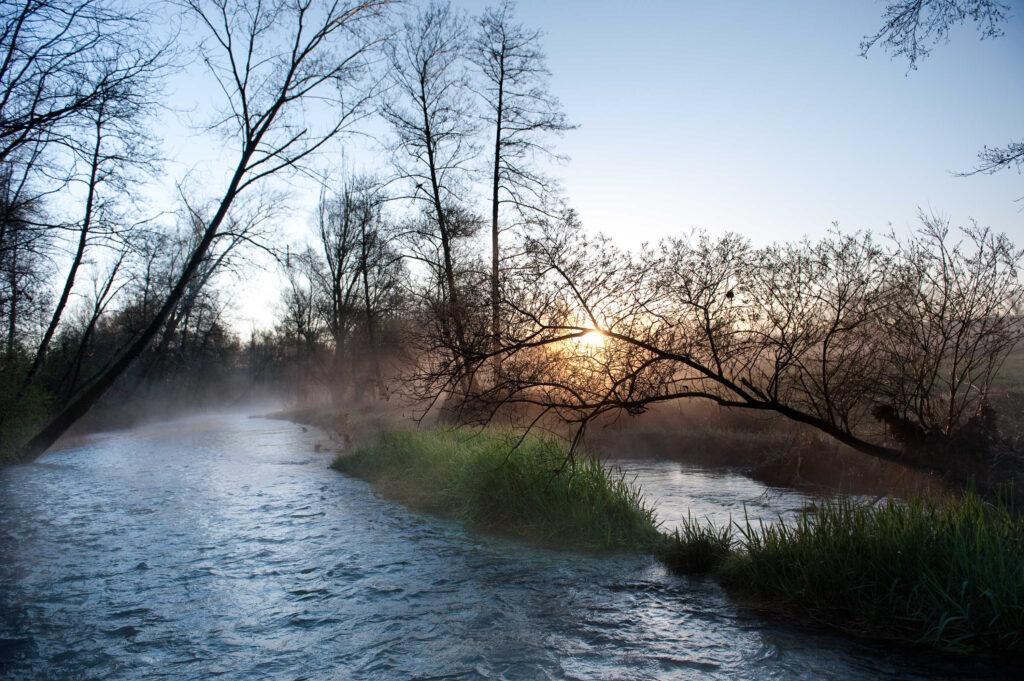
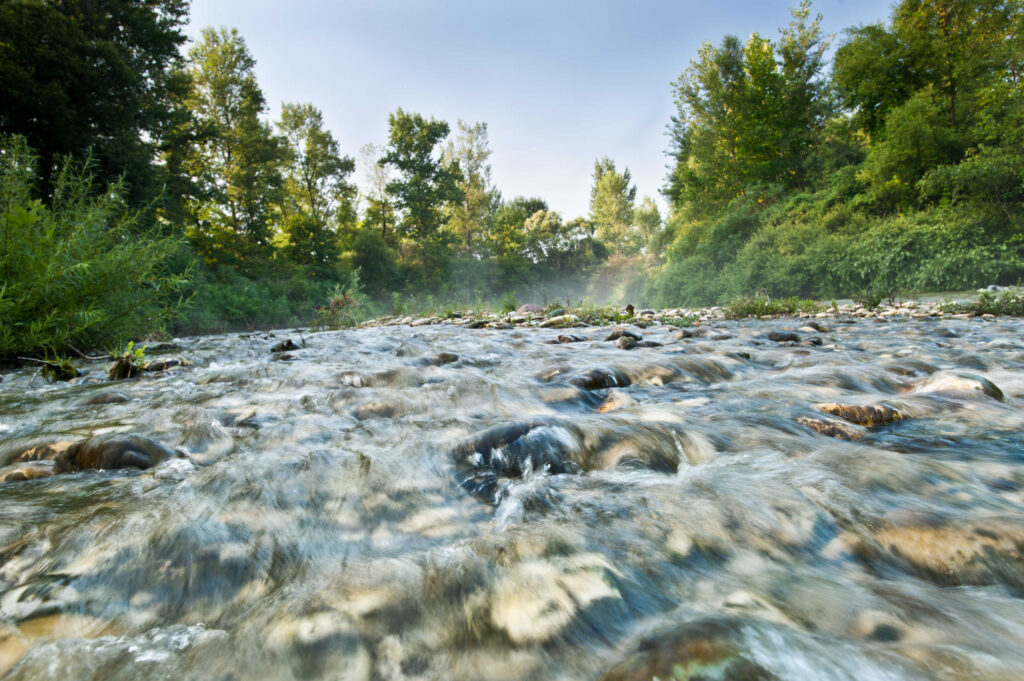
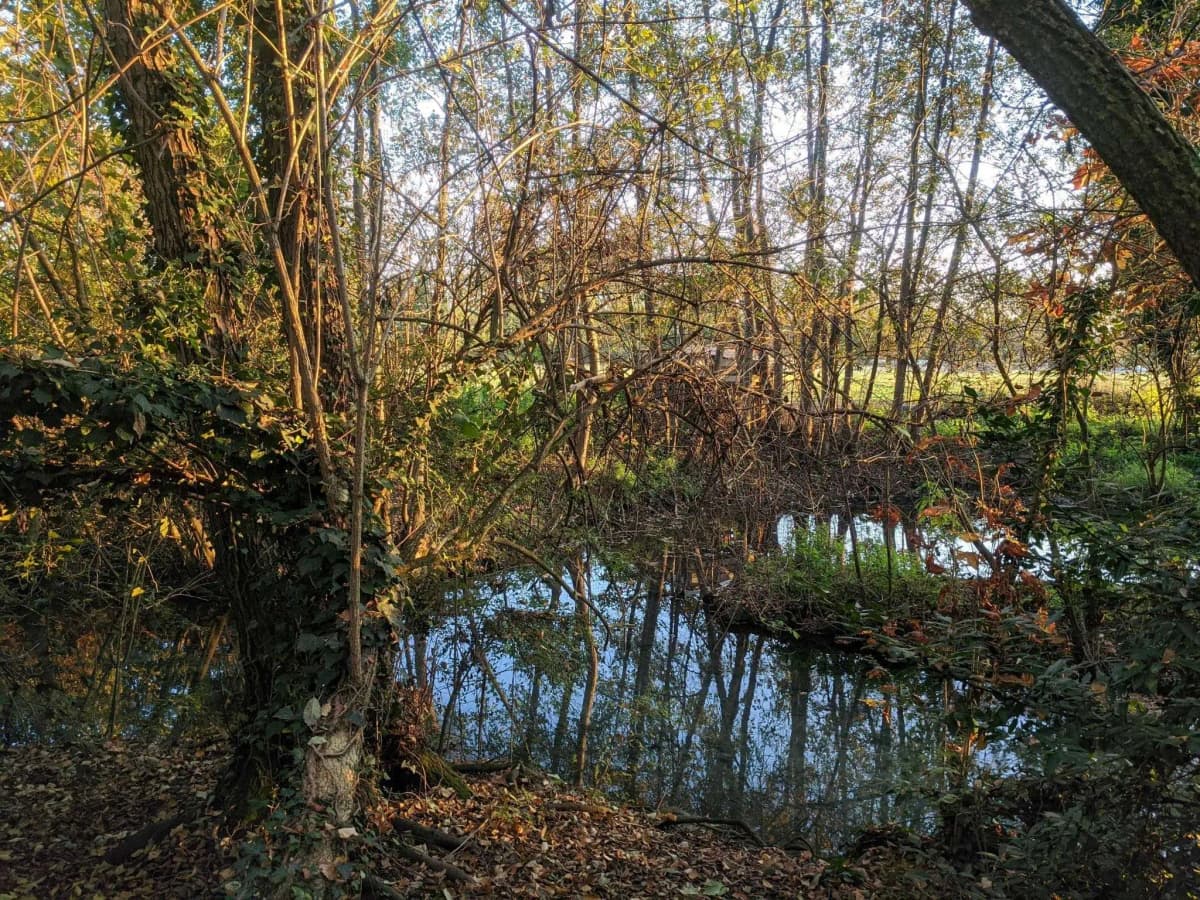
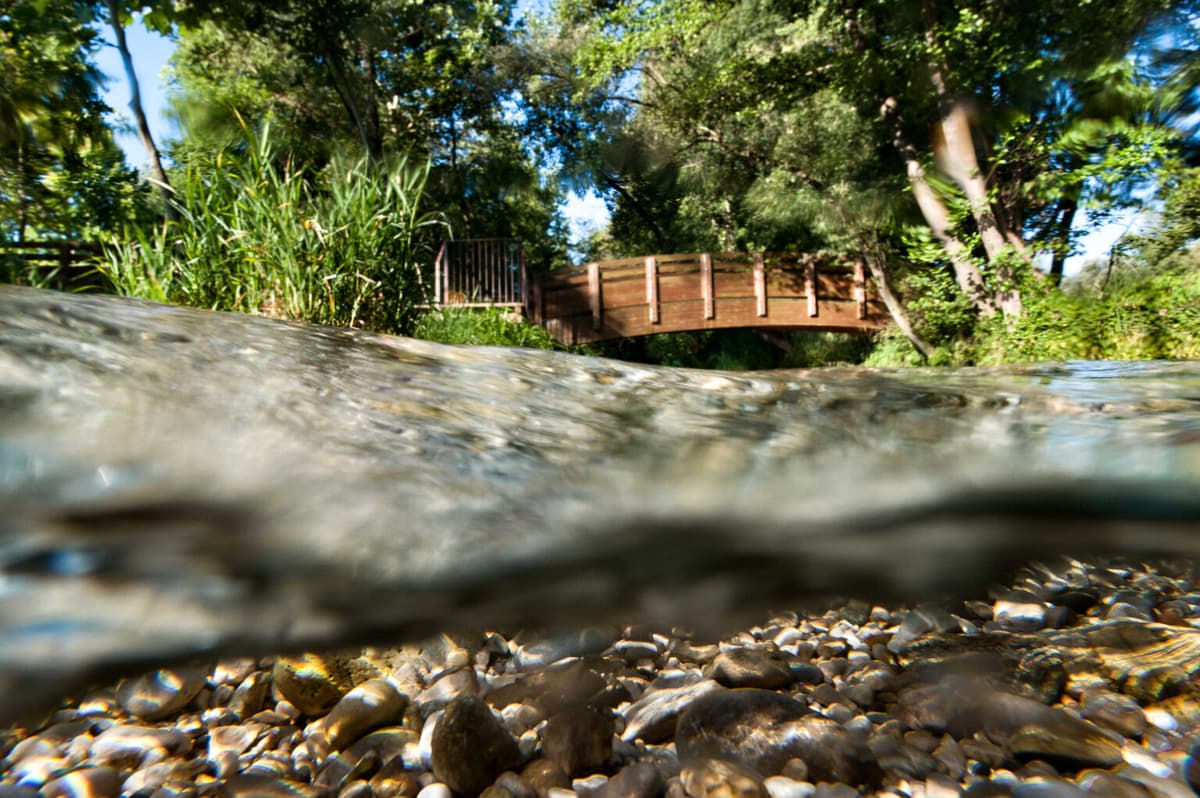
Located at the confluence into the Piave of the Rabòs and Rospér streams, Fontane Bianche is fed by groundwater from a large drainage basin stretching from the Treviso Prealps to the Palù of the Quartier del Piave.
At the heart of Fontane Bianche, within a twenty-six-hectare plot, the Legambiente group of Sernaglia della Battaglia, with the support of the municipal administration, created an educational naturalistic walking trail that allows visitors to observe the oasis’s complex variety of wildlife and plant life, and which has been included in the European Network “Natura 2000”.
The striking flowering species found in the oasis include Orchis Militaris, Gymnademia Conopsea, Lilium Bulbiferum, Listera Ovata and Pulmomaria Vallarsae.
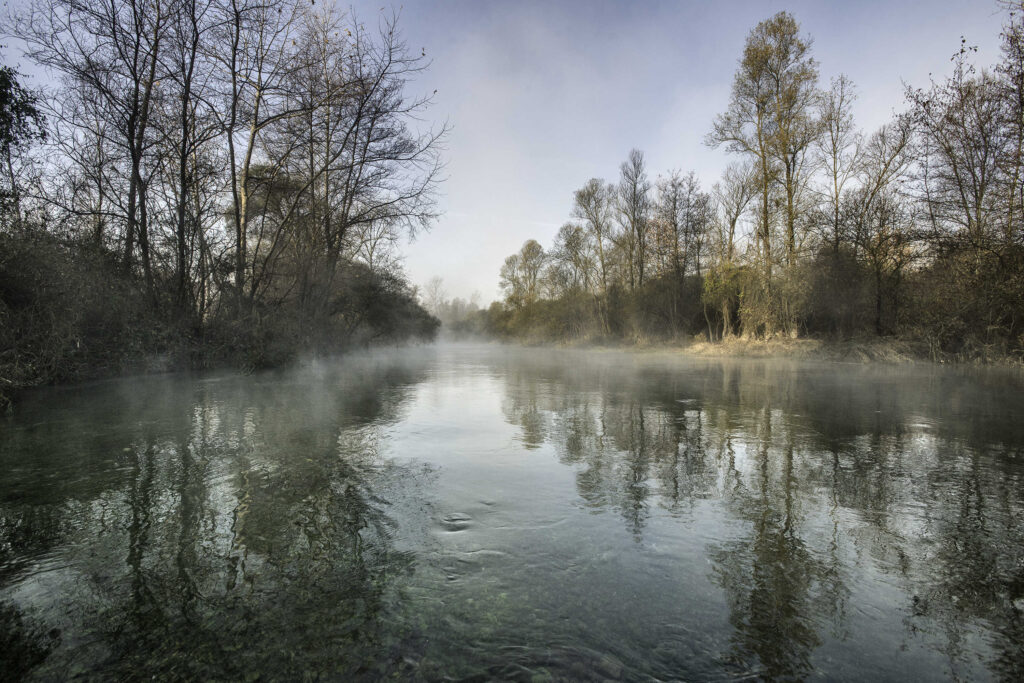
Access to the Fontane Bianche natural oasis
Along the SP34 coming from Falzè di Piave, we find on our left a sign indicating the direction to reach the Fontane Bianche ecological trail (45.863539125882355, 12.139477645960453), passing by the Molino in Val.
The Old Mill
The old milling complex was powered by the waters of the ditch known as the “Roja”. Drying up over the last forty years, the channel carried the waters dispersed by the Piave river from Vidor to Falzè.
Once past Molino in Val, we continue along the white road that leads to the parking area near the starting point of the ecological trail.
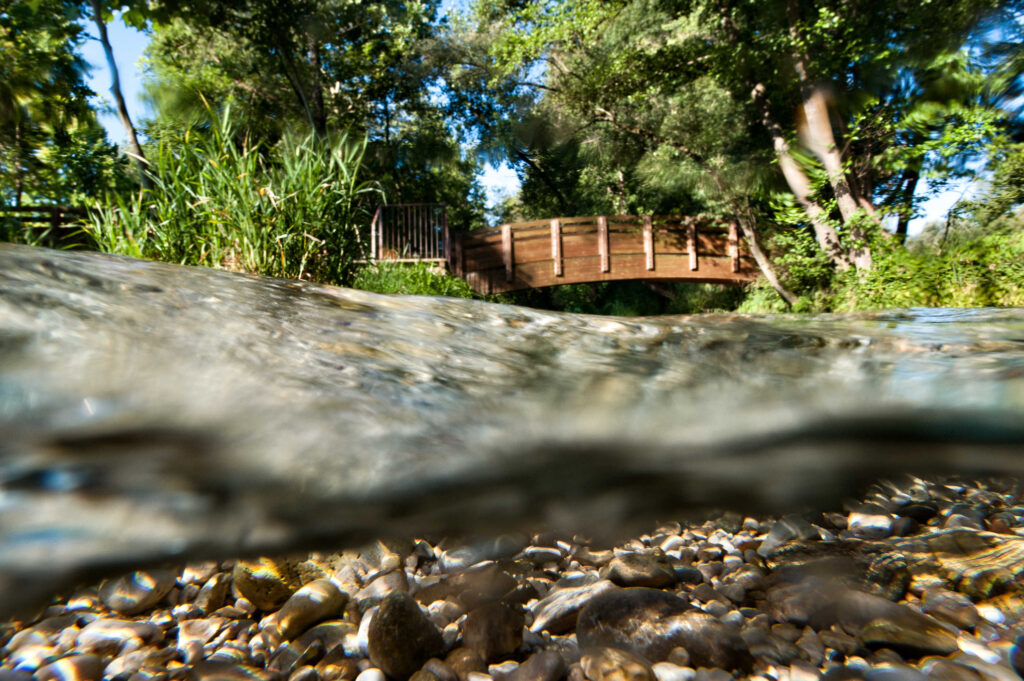
The literary nature trail
After crossing Barnes ford, we turn right and proceed along the edge of a thick hedge, then take the literary-nature trail.
Created by recovering existing paths and opening new ones, Legambiente’s project combines the charm of one of the most enchanting areas of the Quartier del Piave with the evocative power of poetry.
As you walk along the route, you can read the poems inspired by the natural world, created by the students of class IV A of the “M. Casagrande” Scientific Lyceum in Pieve di Soligo in the 2014/2015 school year.
The panels placed along the country lanes of the route display poems by authors who lived in different eras, including Antonio Machado, Hermann Hesse, Gaspara Stampa, Salvatore Quasimodo, Trilussa, Marino Moretti, Emily Dickinson and Alcmane, a Greek poet from the second half of the 7th century BC, whose verses are the oldest among those featured in the cultural trail:
“The mountain peaks sleep
and the abysses
and the promontories and the ravines
and the tribes of the animals
that the earth feeds,
and the progeny of the bees
and the monsters in the deep whirlpools
of the purple sea;
the tribes sleep
of the long-winged birds”
Along the trail we find a detour leading to Isola dei Morti in Moriago della Battaglia. The monumental area is dedicated to the thousands of soldiers who lost their lives in this strip of land, stretching toward the grave of the Piave, during the First World War.
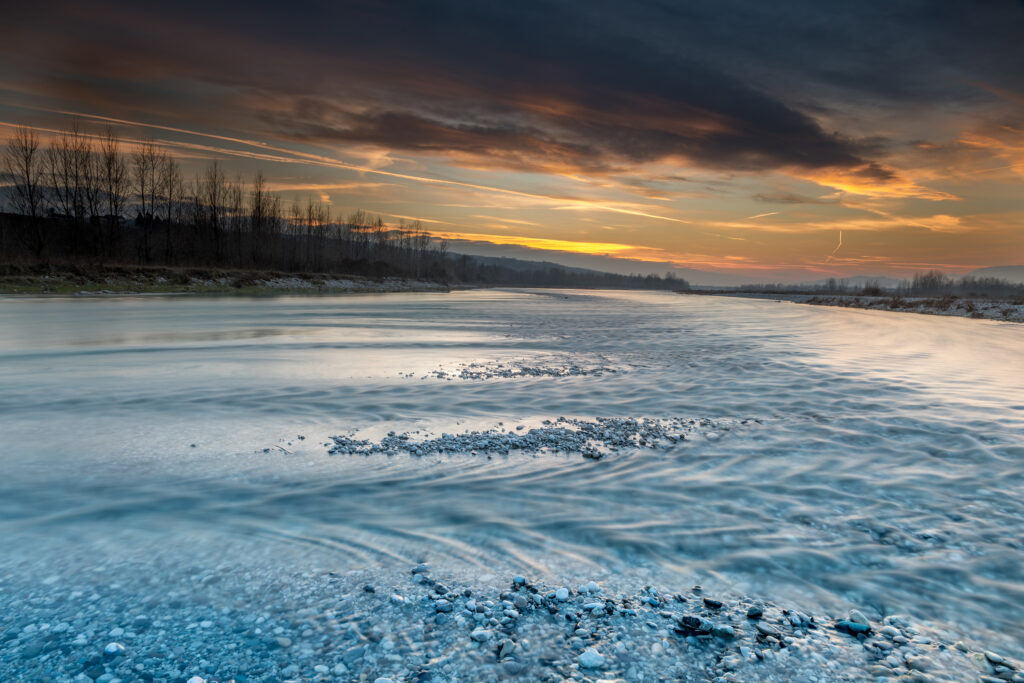
El Bojon
At the end of the literary trail we reach Bojon, a large spring pool whose name comes from the Veneto dialect “bòjer” meaning to boil, a reference to the air bubbles that form when the oxygen-rich underground water flow surfaces.
The banks of the water mirror are covered in the typical vegetation of riparian woodland, made up mainly of alders (Alnus glutinosa), white willows (Salix alba) and goat willows (Salix caprea).
At the edges of the spring pool grows purple loosestrife (Lythrum salicaria), whose lilac flower spikes can be admired between June and August.
Looking from the banks toward the center of the spring, along the shores we observe amphibious reed beds of common reed (Phragmites australis) and bulrush (Typha latifolia). The latter is distinguished by the lower brown, cylindrical, female inflorescence and the upper, yellow and slender, male one.
Recognizable by their spike-like inflorescences at the top of the stem, rush (Juncus sp.) and sedge (Carex sp.) form dense associations along the edges of the spring pool.
Emerging from the surface of the Bojon we observe yellow iris (Iris pseudacorus) and hydrophytic plants such as water mint (Mentha aquatica), water parsnip (Berula Erecta), watercress (Nasturtium officinale) and water buttercup (Ranunculus trichophyllus), important indicators of the high quality of the site’s spring waters.
The heather clearing
Spring heath (Erica carnea L.) finds in this arid area of the oasis, typical of river gravel environments, the conditions to grow luxuriantly.
Characterized by woody, creeping stems, this plant with needle-like leaves develops mostly in width and produces pink flowers, more rarely white ones, gathered in inflorescences that survive low temperatures.
In the Erica clearing there are other plants such as wild thyme (Thymus serpyllum), common rock-rose (Helianthemum nummularium), ivy-leaved globe daisy (Globularia cordifolia) and field scabious (Scabiosa colombaria).
From here the path splits and we take the route that leads to the Classroom in the Woods.
The Classroom in the Woods
Thanks to the financial contribution of the province of Treviso and the collaboration of the members of Legambiente from the Sernaglia branch, the municipality of Sernaglia della Battaglia has created a nature observation point from which there is a striking view of the Fontane Bianche floodplain forest, home to resident, nesting, wintering and partially migratory birds.
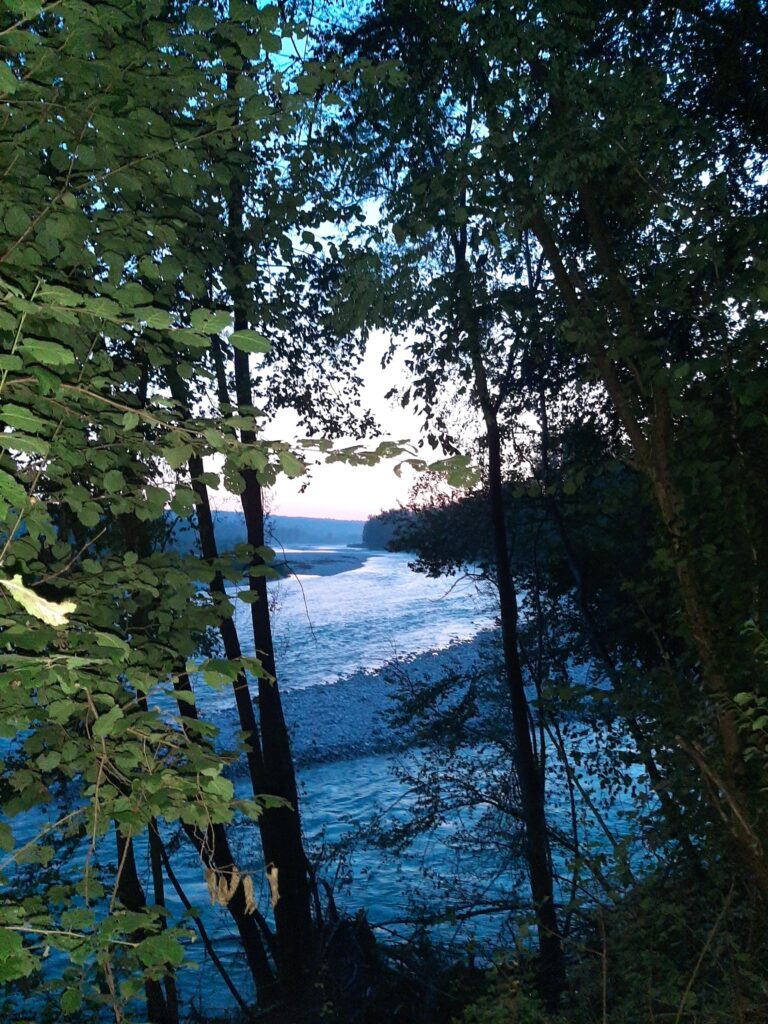
In winter, from the privileged position of the hide, the course of the Piave and the outline of Montello can be glimpsed through the branches of the leafless trees as they take shape on the horizon.
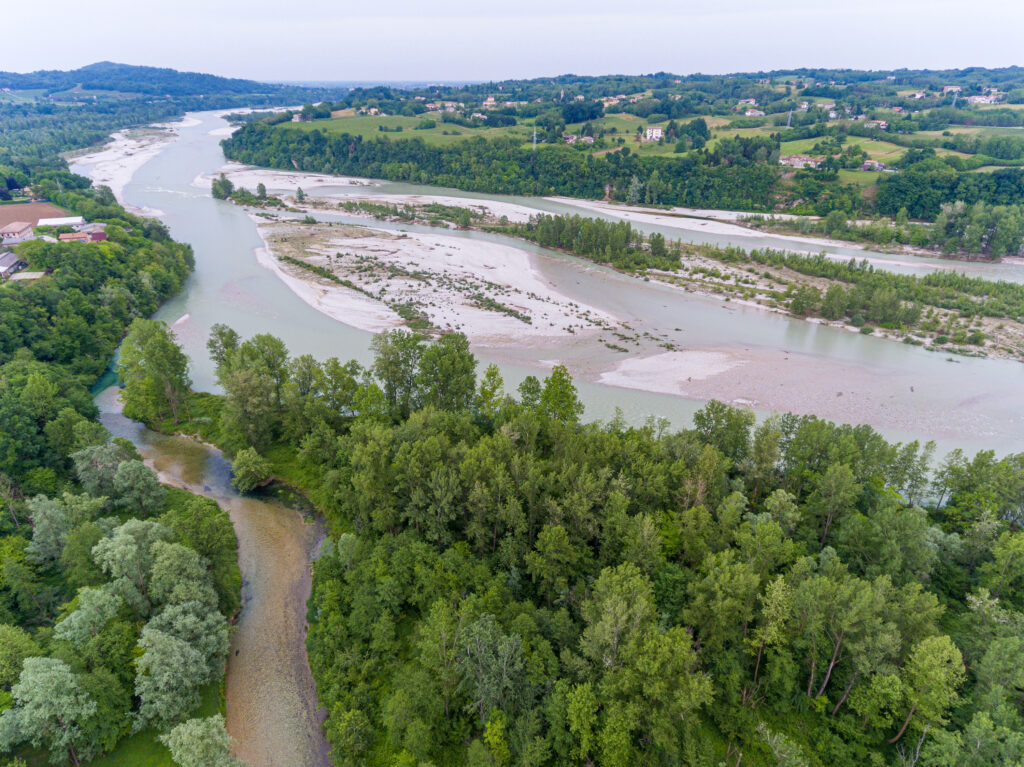
Birdlife in the Fontane Bianche natural oasis
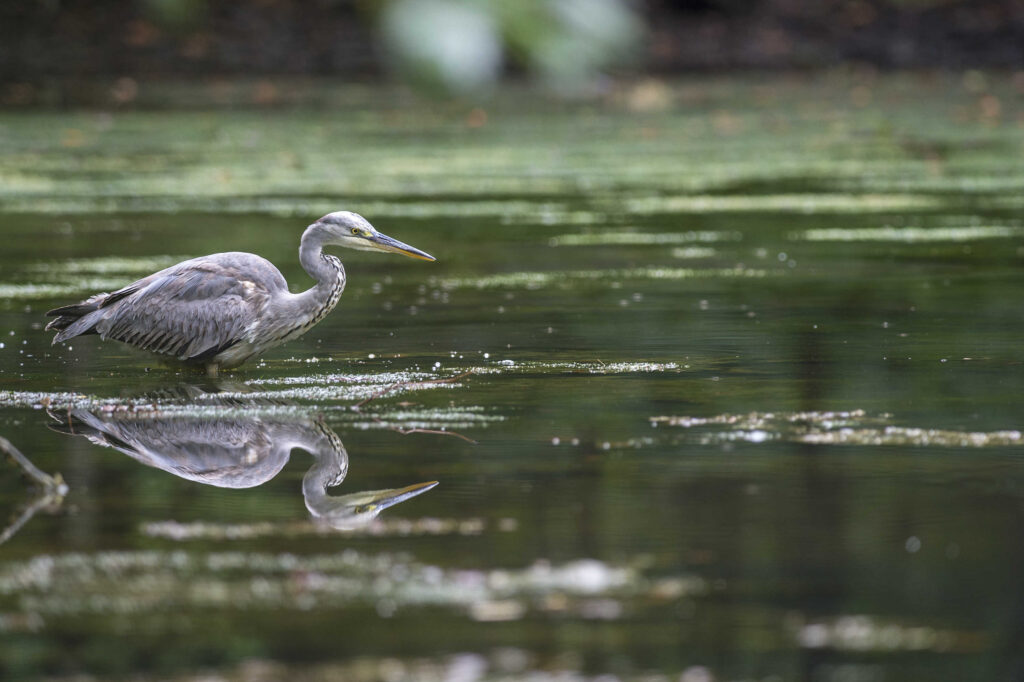
Both resident, the green woodpecker (Picus viridis) and the great spotted woodpecker (Dendrocopos major) are the only species in the area capable of creating a home in wood on their own; to do so, they prefer poplar wood, which is soft and easy to hollow out.
Other resident species include the jay (Garrulus glandarius), the great tit (Parus major), the long-tailed tit (Aegithalos caudatus), the wren (Troglodytes troglodytes) and the little owl (Athene noctua), which is difficult to spot as it is a nocturnal bird of prey.
Among the partial migrants that can be seen in the oasis we mention the robin (Erithacus rubecula) and the chaffinch (Fringilla coelebs).
The wryneck (Jynx torquilla) is a migratory species present only during the breeding season and the only woodpecker that uses hollows in tree trunks and the nests of other woodpeckers because it cannot excavate them itself. This characteristic links it to the little owl, the great tit and the nuthatch (Sitta europaea), a passerine that nests in natural cavities or in nests excavated by true woodpeckers, which it narrows by adding mud or clay.
To build its nest, the blackcap (Sylvia atricapilla) prefers bramble, elder and the climbing plants found in the undergrowth.
The Piave river
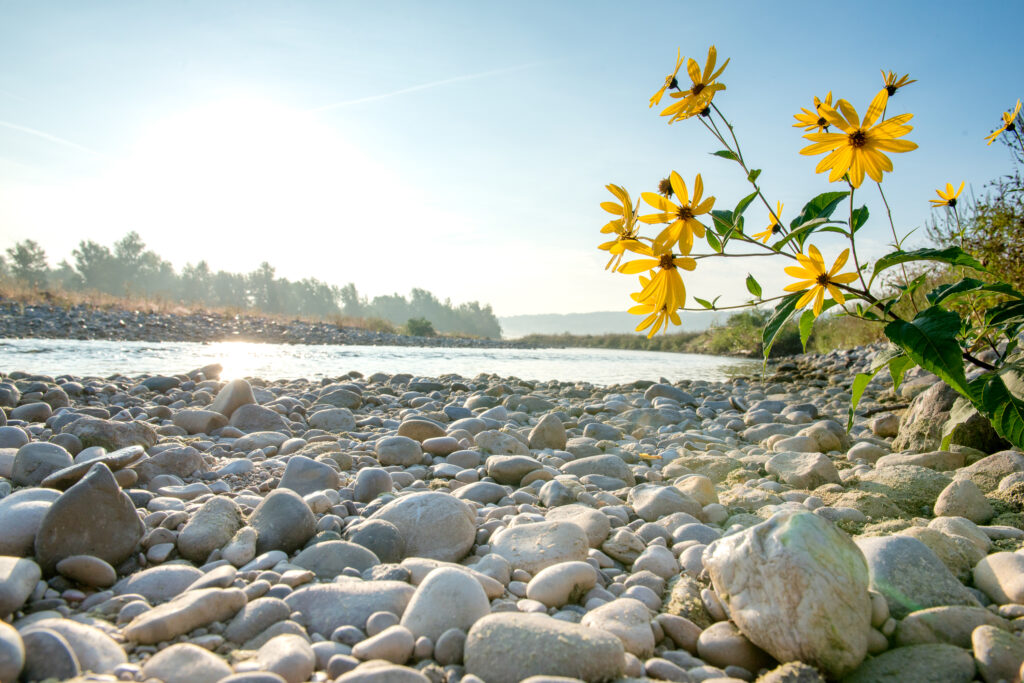
After visiting the Classroom in the Woods, where detailed educational panels and photos of local birdlife are displayed, we complete the detour by heading toward the banks of the Piave.
Here, educational panels retrace the main stages of the First World War on the Piave front, in particular the delaying battle fought between November and December 1917 following the defeat at Caporetto (24 October – 12 November 1917), the Battle of the Solstice (15 – 24 June 1918) and the Vittorio Veneto offensive (24 October – 4 November 1918).
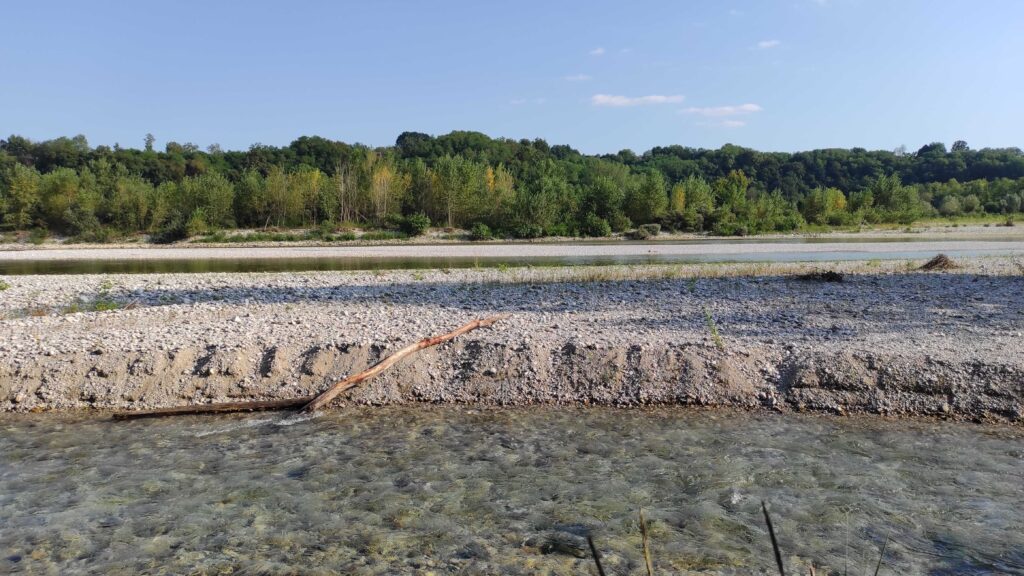
From this position the eye ranges across the changing channels of the middle course of the Piave, whose bed, in this stretch, is marked by wide expanses of alluvial sediments called “grave”. The landscape is characterized by a plurality of environments ranging from fertile silty banks to vast gravel deposits, from dry meadows with a steppe-like feel to riparian woods of willows and poplars.
Beyond the river, the landscape is shaped by the foothills of Montello, a wooded hill range whose highest point reaches 371 m above sea level.
From the Fontanon to the Olivello clearing
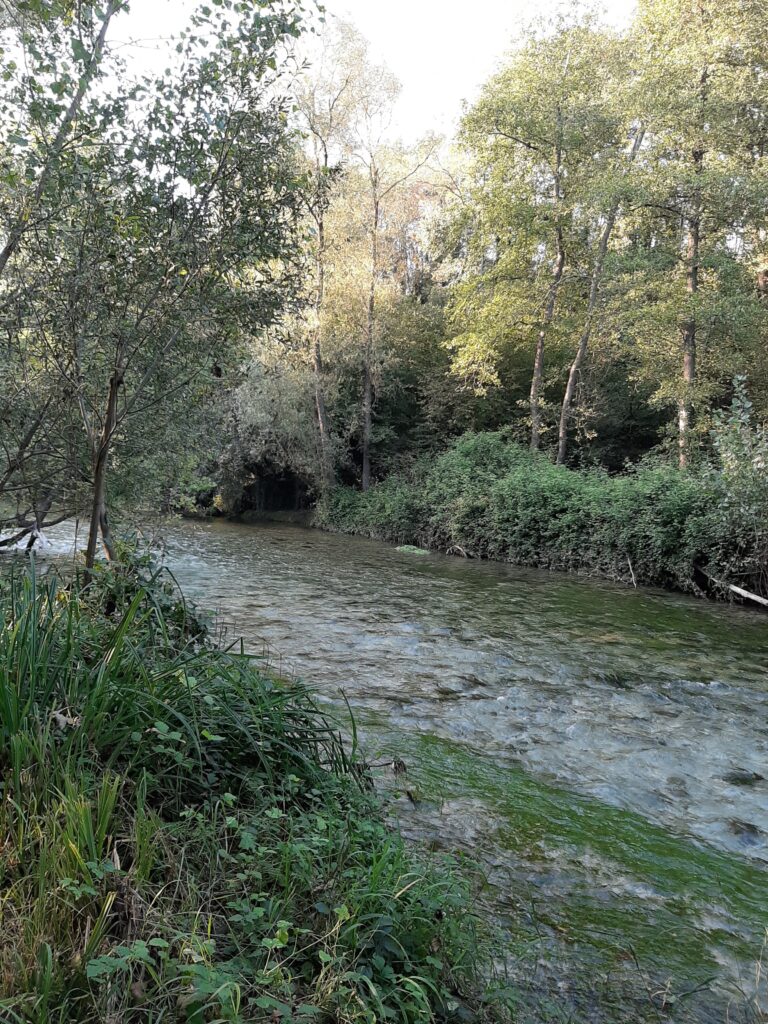
We return to the classroom in the woods, then continue toward El Fontanon, one of the most photogenic areas of the ecological trail, located at the eastern edge of the natural site.
From Fontanon, the route branches southwest toward the Olivello clearing. Lacking surface water, this area owes its name to the presence of a dense thicket of sea buckthorn (Hippophae rhamnoides), a low shrub whose fruits are small edible orange drupes.
In addition to sea buckthorn, the vegetation of the clearing includes hazel (Corylus avellana), goat willow and dogwood (Cornus sanguinea) as well as plants typical of dry meadows such as the blue-flowered Globularia punctata, thyme, common rock-rose, recognizable by its delicate yellow flowers, and several orchid species.
The animals that find food and shelter here include the squirrel (Sciurus vulgaris), the hazel dormouse (Muscardinus avellanarius), the red-backed shrike (Lanius collurio) and the dormouse (Myoxus glis).
The Snipe Basin and the Nepe Pond
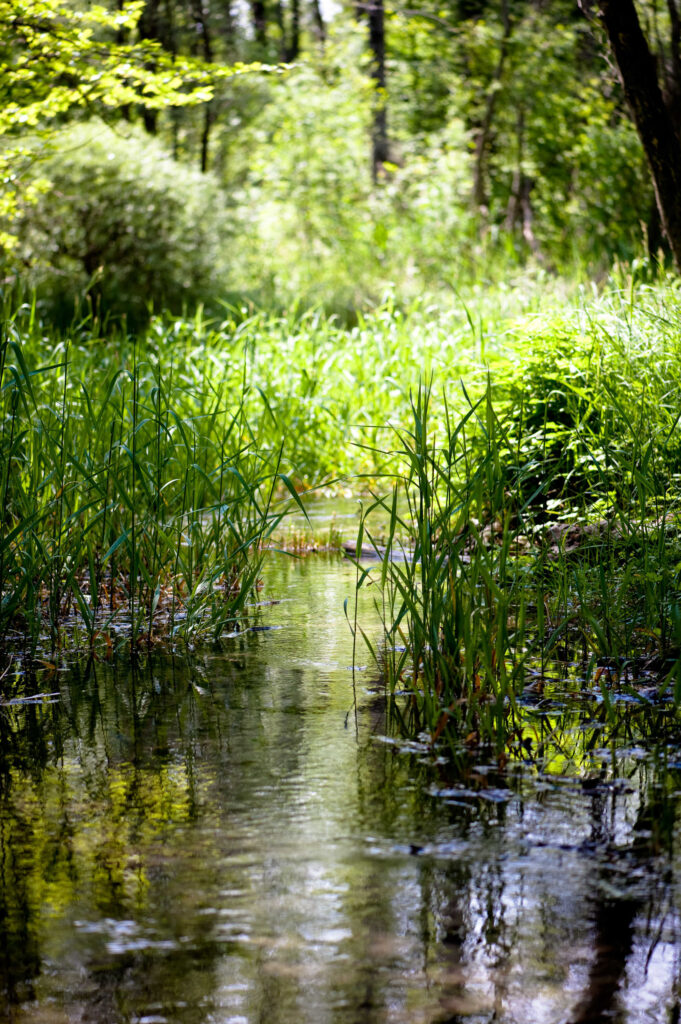
Turning left you return to the heather clearing; on the right you reach the Snipe Basin, visible from a comfortable wooden walkway.
The snipe (Gallinago gallinago) is a wader that uses its long beak to search the mud for the aquatic organisms it feeds on. These are important biological indicators because they are particularly sensitive to the ecological quality of the environment.
The pond located a short distance from the Snipe Basin is dedicated to the nepa (Nepa Cinerea), also known as the “water scorpion” for its front legs that resemble the pincers of a scorpion.
Water plantain (alisma plantago-aquatica) and duckweed (Lemna minor) emerge on the surface of the small pond bordered by tufts of sedge (Carex sp.), whose waters, calmer and warmer than those of the springs, provide the right habitat for the reproduction of amphibians such as the great crested newt (Triturus carnifex), the smooth or common newt (Triturus vulgaris), the tree frog (Hyla arborea), the common toad (Bufo bufo), the agile frog (Rana Dalmatina) and Lataste’s frog (Rana latastei).
Predator of these amphibians is the grass snake (Natrix natrix), a non-venomous colubrid which, from the riparian vegetation where it hides, can dive into the water and swim.
The floodplain forest
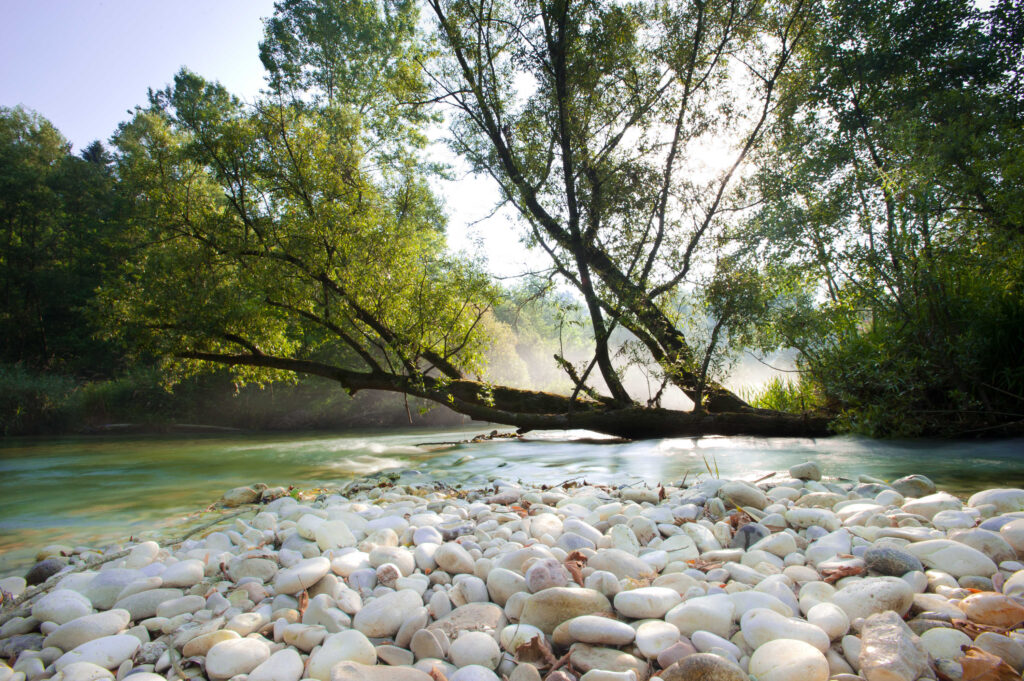
At the fork we continue straight toward the floodplain forest bordered by springs and pools. In this lush green lung, managed by the Legambiente group, human intervention is kept to a minimum to safeguard the ecosystem of the damp lowland woodland.
The most common tall and medium-height trees in the riparian forest belong to the Betulaceae family, such as black alder, and the Salicaceae family, such as goat willow, white willow, black poplar, white poplar and aspen. In the dense undergrowth it is not uncommon to encounter hydrophilic species such as elder, dogwood, hazel, privet, dog rose, clematis, spindle, alder buckthorn, butterfly bush, false indigo and honeysuckle.
El Vascon
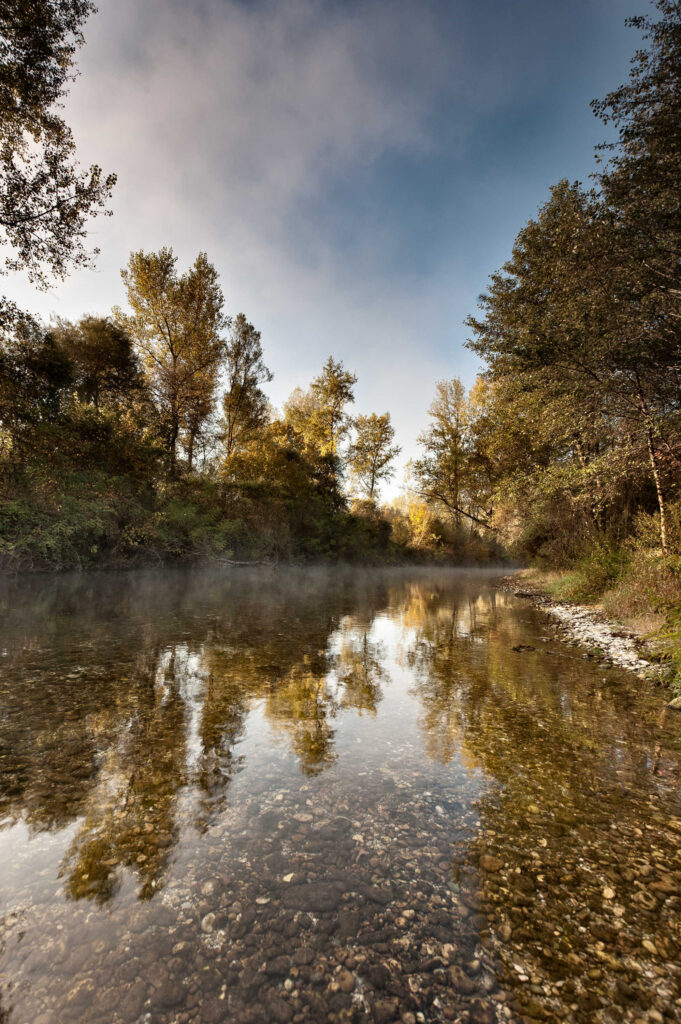
El Vascon is one of the deepest waterways of Fontane Bianche, whose purity and steady flow have fostered the development of an environment rich in submerged vegetation where many pollution-sensitive aquatic invertebrates, such as stoneflies and mayflies, thrive.
Among the fish species observable in the clear waters of Fontane Bianche we find the chub (Leuciscus cephalus cabeda), recognizable by the glints of its silvery belly, the marble trout (Salmo trutta marmoratus), the minnow (Phoxinus phoxinus), the barbel (Barbus plebejus) with its characteristic barbels near the mouth, the three-spined stickleback (Gasterosteus aculeatus) and the bullhead (Cottus gobio), which camouflages itself among the pebbles on the riverbed to catch small invertebrates.
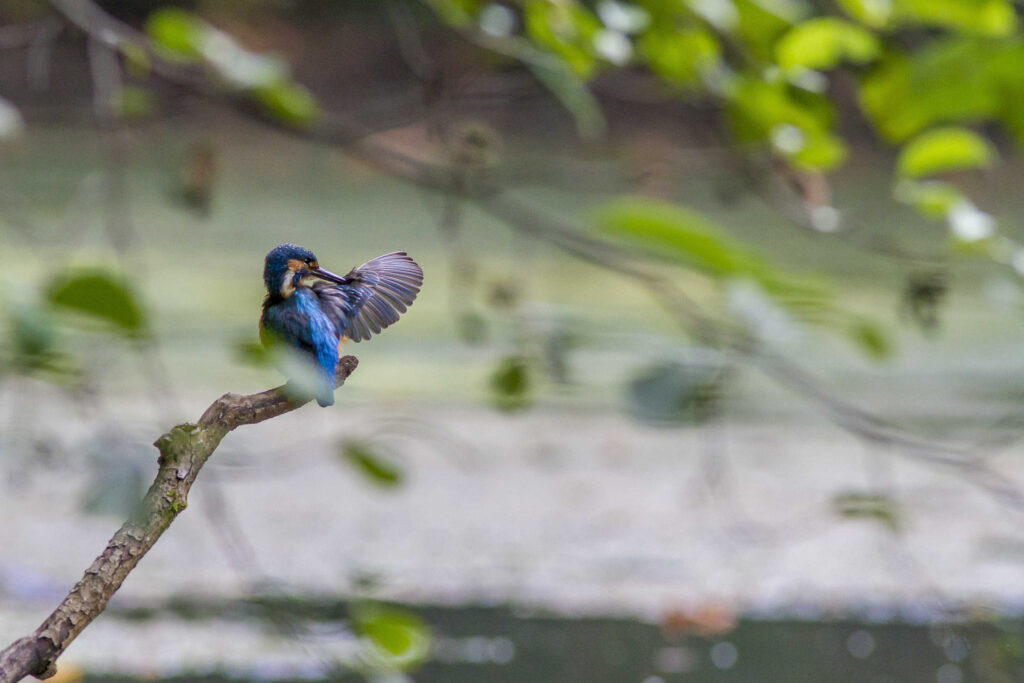
Feasting on small fish, aquatic insects, amphibians and crustaceans, which it catches by diving from old trunks protruding from the water, the kingfisher (Alcedo atthis) digs underground tunnels where it lays its eggs, sheltered from predators and bad weather.
The Foxes’ Point
After admiring the Vascon, we return to the previous fork and take the nature trail that leads to the Foxes’ Point. Bordered by the Rospér stream, this spot owes its name to the presence of foxes, Vulpes vulpes, which shelter in the crevices of the rocky ridge forming the left bank of the Piave floodplain area.
The caves where the foxes find shelter are the result of the erosive action of water on conglomerate, a river-origin rock that makes up the escarpment.
The Dragonfly Pond
We continue along the course of the Rospér stream until we find on our left the last branch of the nature trail that takes us to the Dragonfly Pond. Here we find a birdwatching post overlooking the birds that live among the vegetation along the banks of Fontane Bianche.
The attentive observer may spot the reed warbler (Acrocephalus scirpaceus), the Cetti’s warbler (Cettia cetti), the grey wagtail (Motacilla cinerea), the mallard (Anas platyrhynchos), the moorhen (Gallinula chloropus), the water rail (Rallus aquaticus), the little bittern (Ixobrychus minutus) and the osprey (Pandion haliaetus).
The Fontane Bianche Labyrinth
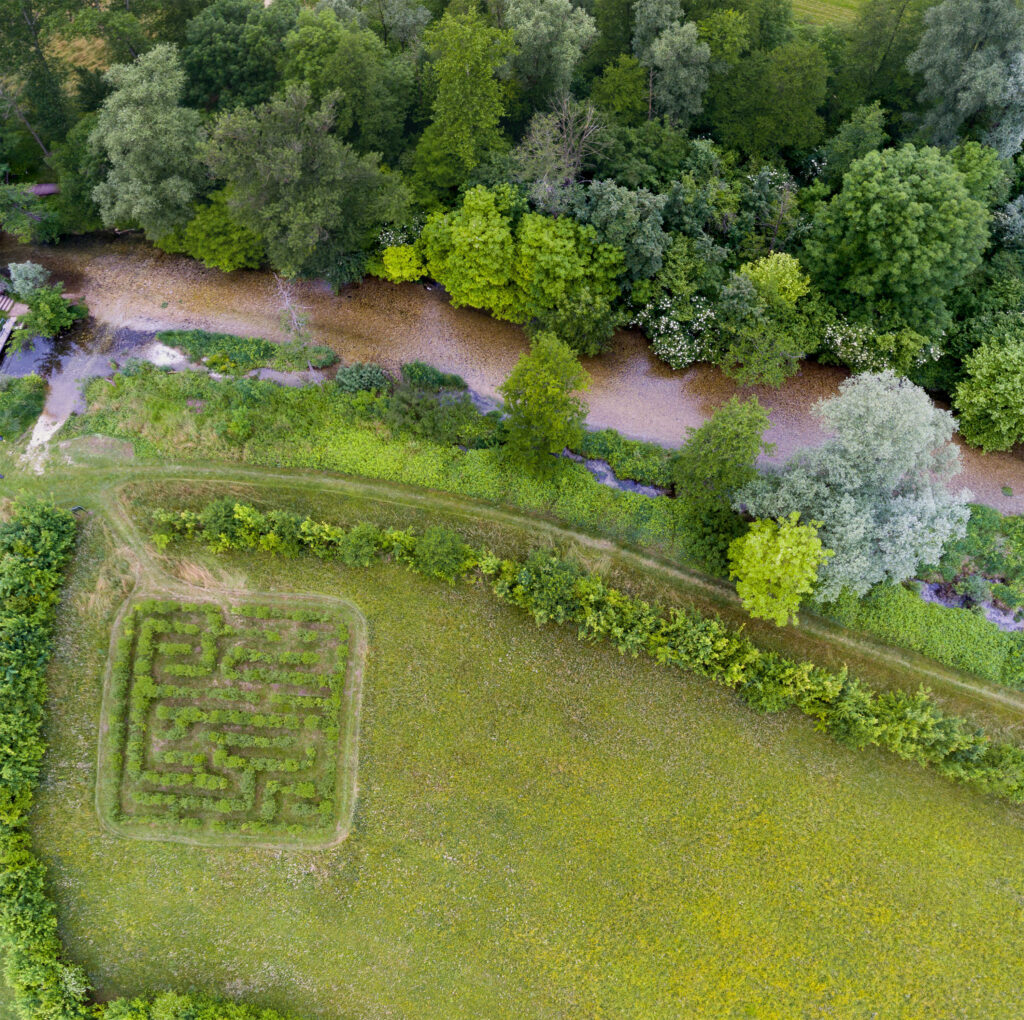
This ingenious green maze was born from the collaboration between the Legambiente Sernaglia association, the “M. Casagrande” Institute of Pieve di Soligo, responsible for designing the intricate route, and the “G.B. Cerletti” Institute of Conegliano, which handled the concept, supervision, planting and maintenance of the labyrinth.
The ingenious tangle of paths is formed by privet (Ligustrum vulgare) and field maple (Acer campestre) plants planted by the students of the Sernaglia della Battaglia Comprehensive Institute on the occasion of tree day in 2016.
If you want to test your sense of orientation, venturing into the Fontane Bianche labyrinth is the perfect opportunity!