

Where is the Monument of the Great War of the Italian and British troops?
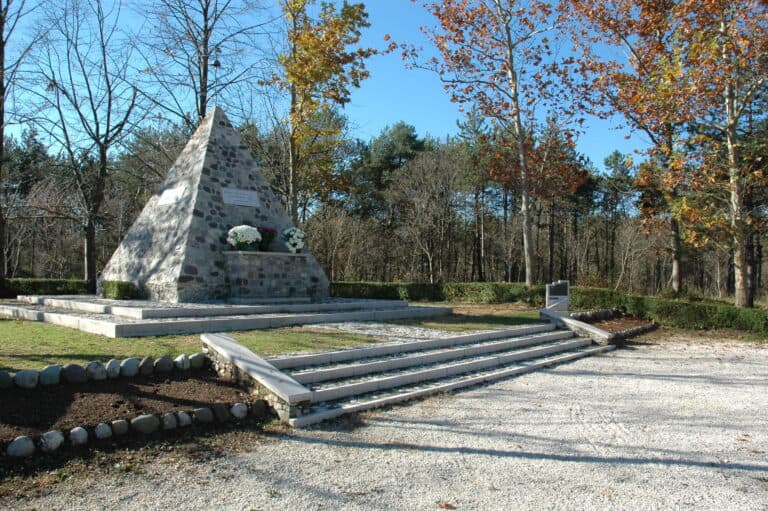
The monument of the First World War is located in Via Spartaco Latini in Salettuol of Maserada sul Piave in the province of Treviso (TV).
The commemorative site is located on the embankment of the Piave, a few steps from the charming oratory of San Rocco in Via Salettuol, 31052 Salettuol (TV), beyond which begins the serene nature trail of the Codibugnolo oasis.
The monument to the fallen of the First World War celebrates the heroic deeds of the Italian and British soldiers who fought fiercely and repelled the Austro-Hungarian advance during the Battle of the Solstice between 15 and 24 June 1918.
The Battle of the Solstice
Carefully planned from March 1918, the Austro-Hungarian offensive planned to attack the Italian front through three operations:
- From the Tonale Pass, an alpine pass on the border between Lombardy and Trentino-Alto Adige, the so-called Operation Lawine (avalanche) would take place with the dual objective of creating a diversion to distract the Italians from the most important offensive maneuvers in Veneto and to make a strategic advance towards the Oglio valley, then to reach the gates of Milan.
- Operation Radetzky foresaw that the army would start from the Asiago Plateau to head towards the Vicenza plain.
- Operation Albrecht had the objective of breaking through the Piave line towards Treviso.
Despite the difficulties that had weakened the Austro-Hungarian army, such as the shortage of food, weapons and ammunition and the desertion of two hundred thousand Hungarian units (exasperated by the deprivations of war and animated by the spirit of revolt that would lead to the total disintegration of the already decadent Empire), the young Carlo I ordered the offensive on the Italian front on 15 June 1918.
The unfolding of the battle
Having occupied Montello and conquered Nervesa, the invaders were forced to retreat due to the massive Italian and French bombardments and attacks by the Italian air force, which machine-gunned the enemy and destroyed the footbridges placed on the Piave to prevent the regular transport of supplies.
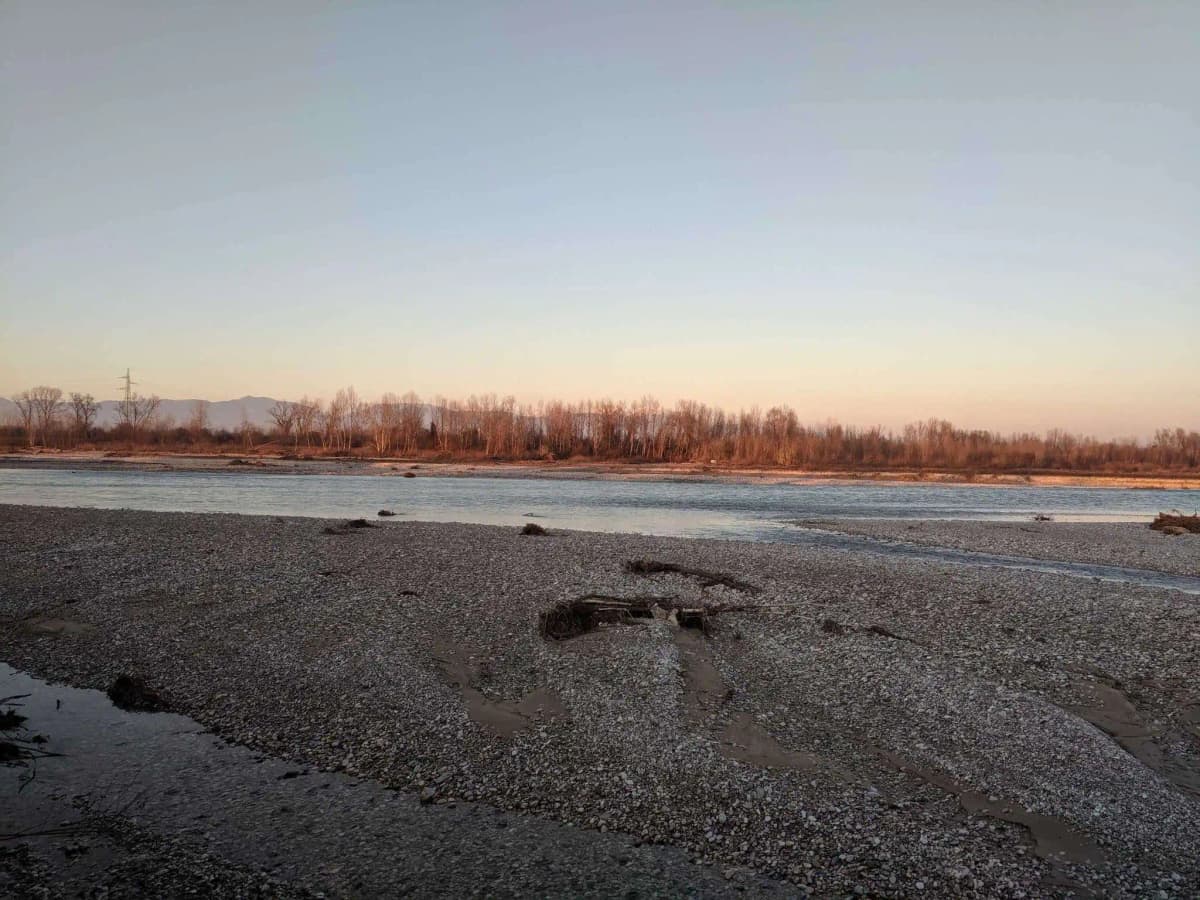
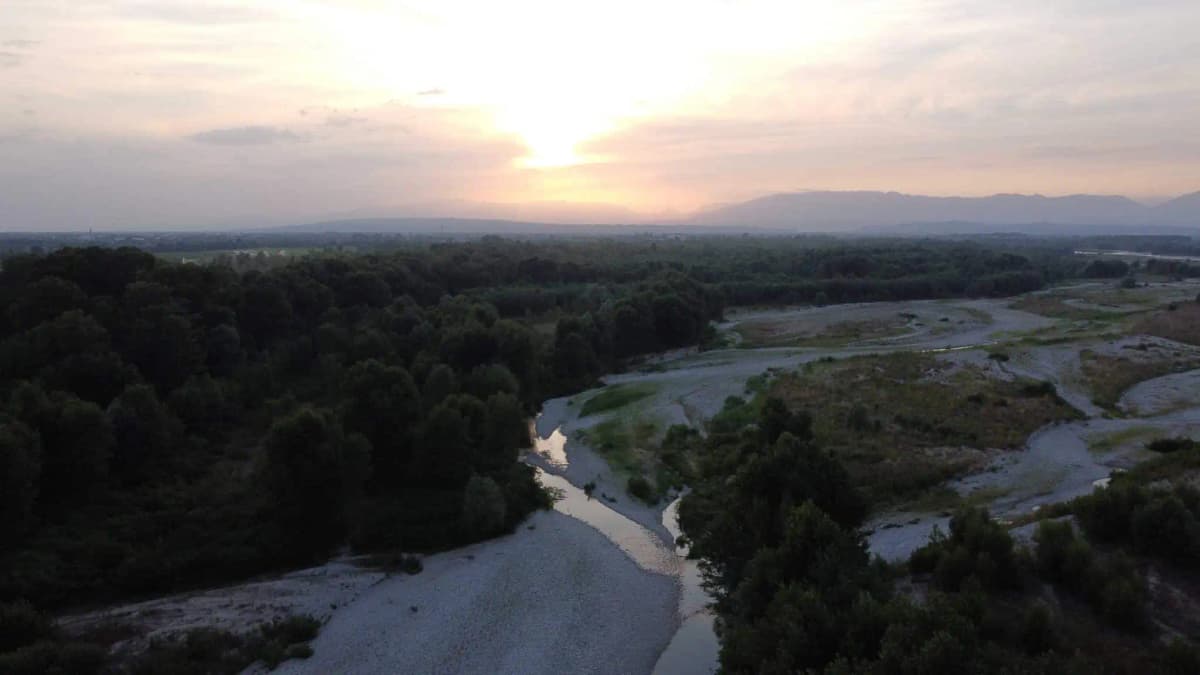
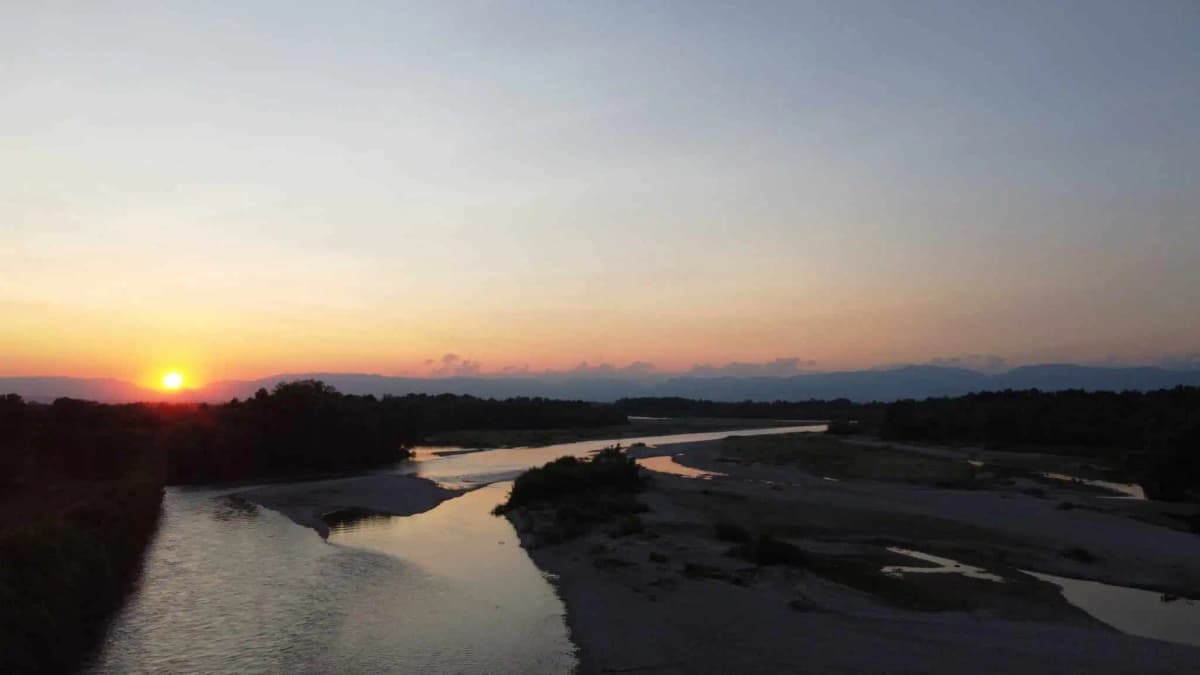
During their advance, the Austrians managed to invade the territory of the Grave di Papadopoli, a fluvial island located between the municipalities of Maserada, Cimadolmo and Spresiano. Targeted by Austro-Hungarian grenades, the Italians withdrew towards Maserada to reorganize the defensive line and prepare the counterattack.
On 15 June, the day the Austrian offensive began, the Veneto brigade had to retreat due to the preparatory fire of enemy artillery. The Austro-Hungarian troops head to Salettuol and approach Fontebasso and Casa Pozzobon. The fierce counteroffensive of the Veneto brigade proved decisive in repelling the enemy advance.
That same day, the Caserta brigade had one regiment on the front line and one in reserve, ready to withstand the impact of the Austro-Hungarian assault and repel it after fierce and heroic clashes.
The enemy troops led by Field Marshal Borojević managed to occupy and maintain positions at Fagaré, Candelù, Zenson and Fossalta until, on 25 June 1918, Emperor Carlo I gave the order to retreat. Once the positions on Montello and at Nervesa were abandoned, the Italian Third Army reoccupied the Piave Delta.
The attempt of the Austro-Hungarian army to break through the Piave line proved a disastrous failure and the cost in human lives was very heavy for both sides. Among the Italian victims there are ninety thousand dead, while the Austro-Hungarian victims count about one hundred twenty thousand losses including wounded, dead and prisoners.
On 27 October 1918, the forces of the X Army led by the Earl of Cavan crossed the course of the Piave River following a massive preparatory bombardment and reached the Grave di Papadopoli. As reported by the commemorative stone in the photo above, the British forces of the VII English Division, with the support of Italian troops, Italian artillery and thanks to the units of the Genio Pontieri, were able to push as far as the Livenza River.