
Where is Barchessa Loredan located?
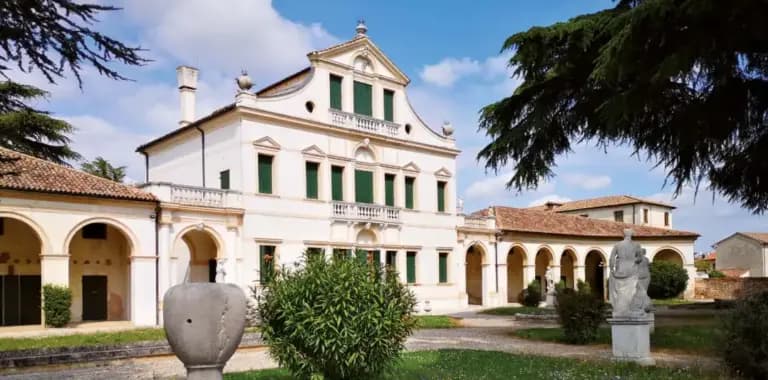
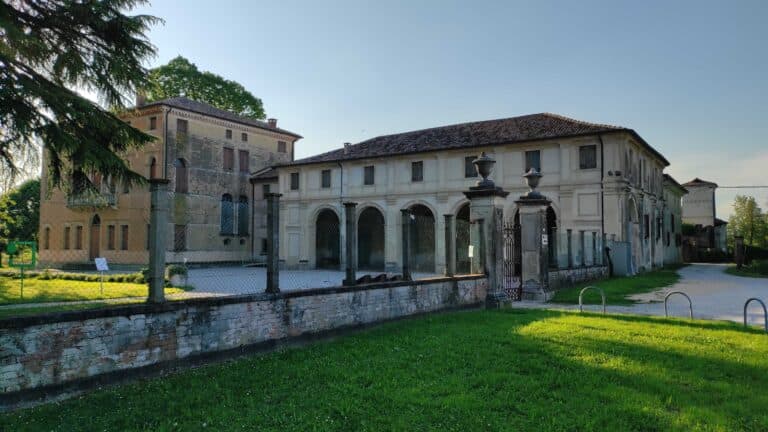
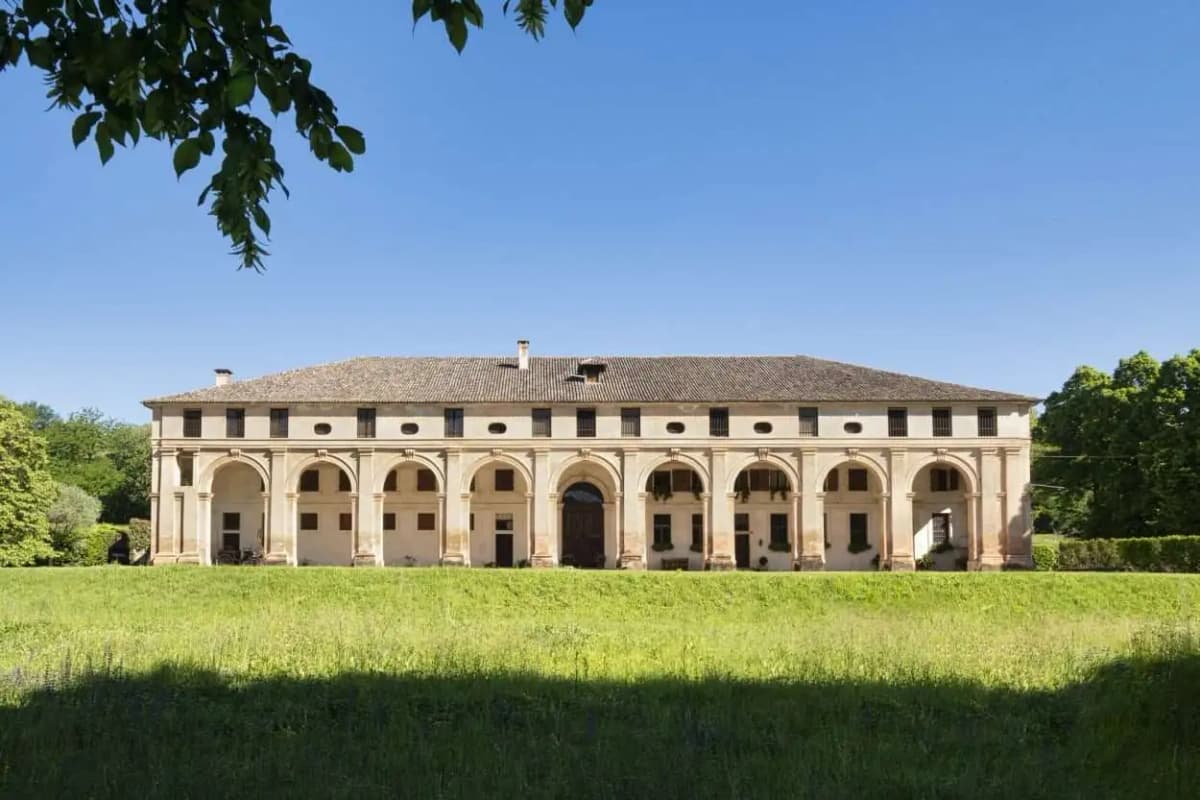
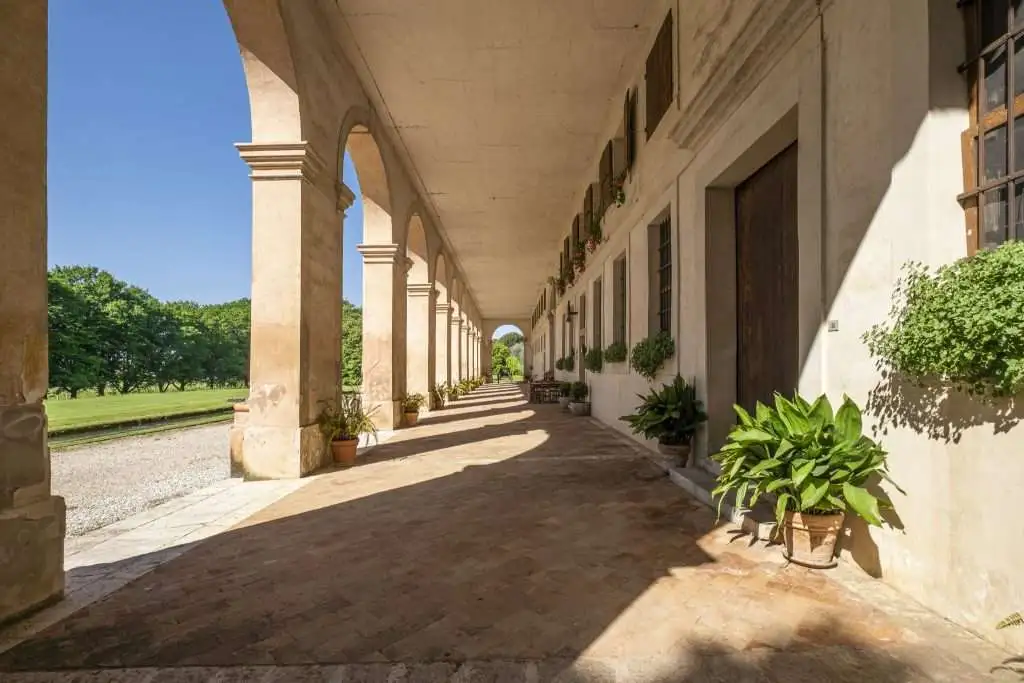
Located in Via Frà Giocondo, 57, Selva del Montello, Barchessa Loredan is an enchanting example of 15th-century rural architecture restored to its former splendor thanks to careful restoration work. Harmoniously set where the sinuous wooded slopes of Montello meet the boundless Treviso countryside, this elegant rustic building adapts skillfully to the area’s complex topography, offering delightful landscape views that will take your breath away.
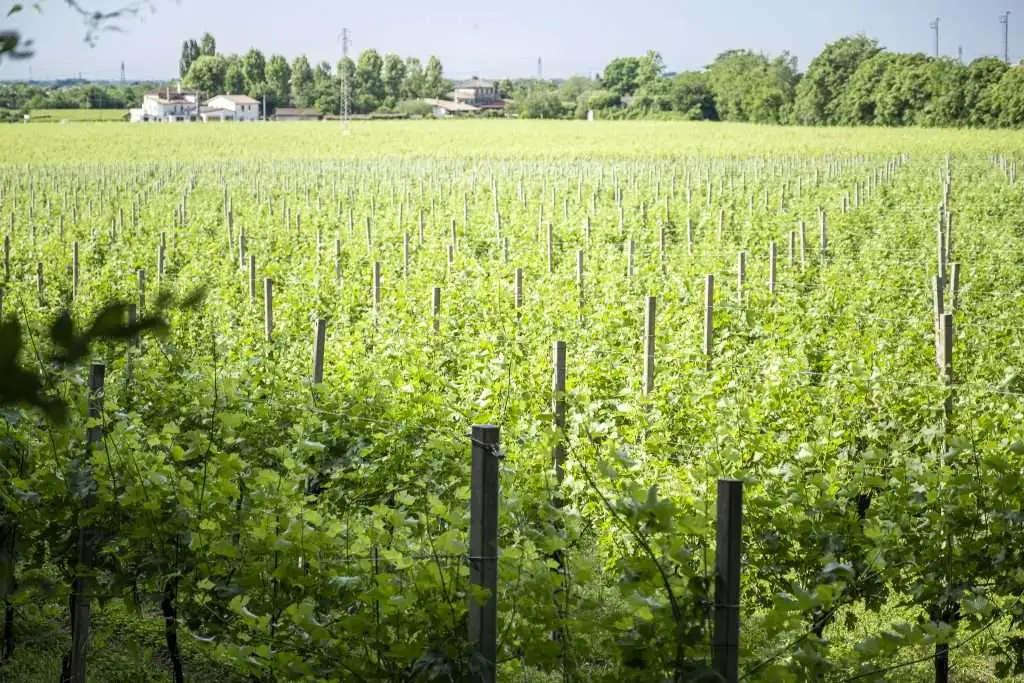
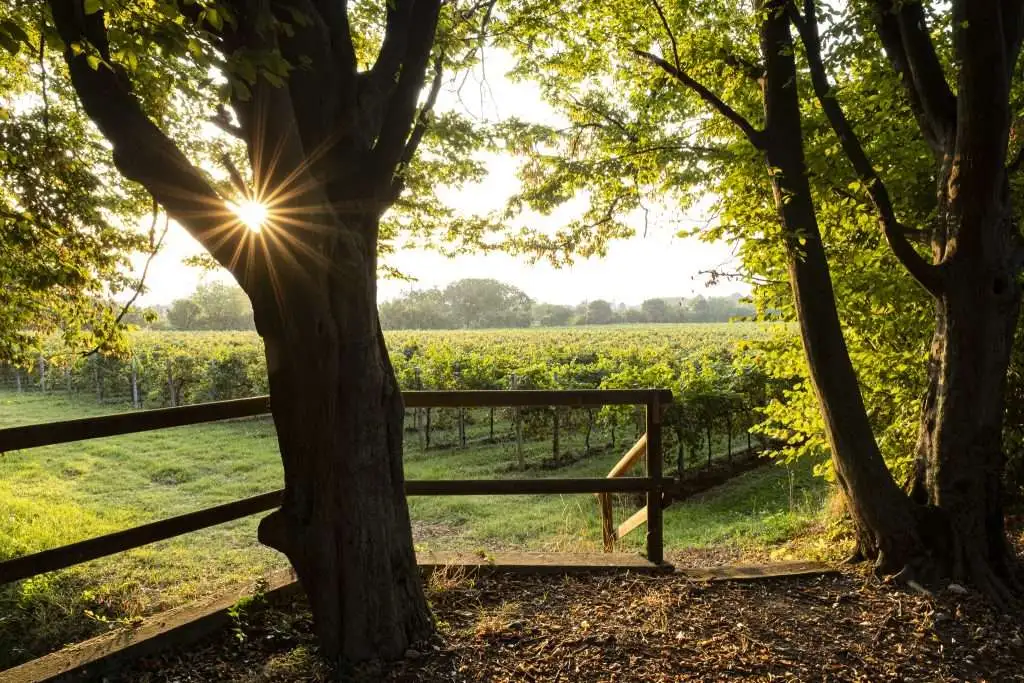
From the bright portico, the gaze turns south toward the fertile plain marked by the lush rows of the Palazzon, the estate’s oldest vineyard.
The rear part of the barchessa, close to the Brentella canal, overlooks the green slopes of Montello dotted with black locusts, hornbeams, oaks, willows, chestnuts, mulberries, tree-of-heaven and lush shrubs.
History of Barchessa Loredan and the Magnifico Palazzon
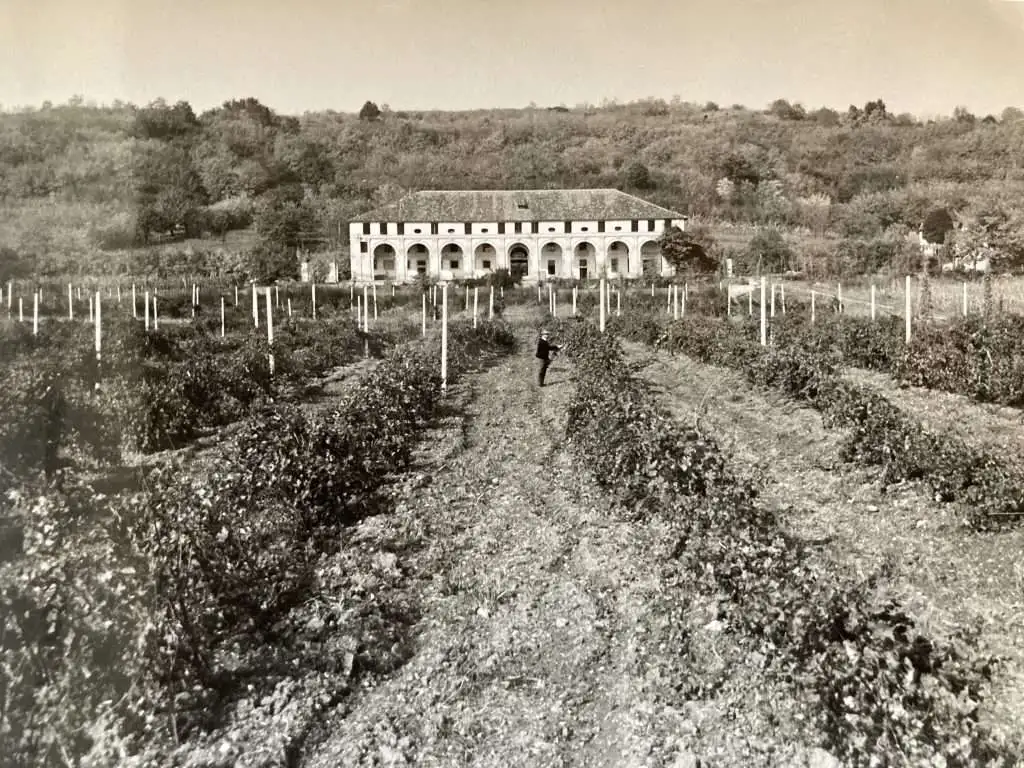
It is documented that at the end of the 15th century the Bressa family owned a building, similar to a fondaco, near the present-day Barchessa. The building later passed into the hands of Venetian aristocrats who turned it into a sumptuous noble residence known as the “Magnifico Palazzon”, with an adjoining rustic building.
A series of cadastral maps found in historical archives and a drawing by architect Francesco Maria Preti (Castelfranco Veneto: 19 May 1701 – 23 December 1774) make it possible to identify the villa to the left of the barchessa, where a farmhouse with an attached tool shed for the cellar is currently located. However, there are no documents showing an accurate representation of the noble residence.
Orsetti and the Brentella
The lush forests of English oaks, oaks and sessile oaks that covered the Montello in the 15th and 16th centuries were of crucial importance to the Republic of Venice. In addition to providing the timber needed to build and maintain its powerful fleet, this thriving natural heritage was essential to sustaining the city of Venice itself, whose foundations are still supported by millions of sturdy piles.
In order to preserve the vital forest resource of Montello and secure exclusive rights to exploit this area, in 1519 the Republic of Venice promulgated a decree requiring the removal of stone or wooden buildings erected on Montello, north of the Brentella canal.
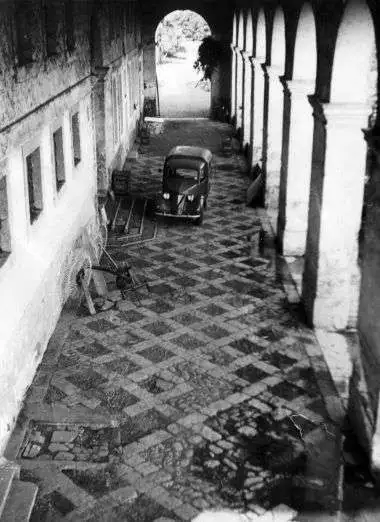
Situated within that perimeter, the Magnifico Palazzon nevertheless escaped demolition thanks to the ingenious stratagem of its then owner, the Venetian Orsetti, who diverted the Brentella north of the villa. A fishpond stretching out in front of the portico of the Barchessa remains as testimony to the canal’s ancient course.
Architecture of Barchessa Loredan
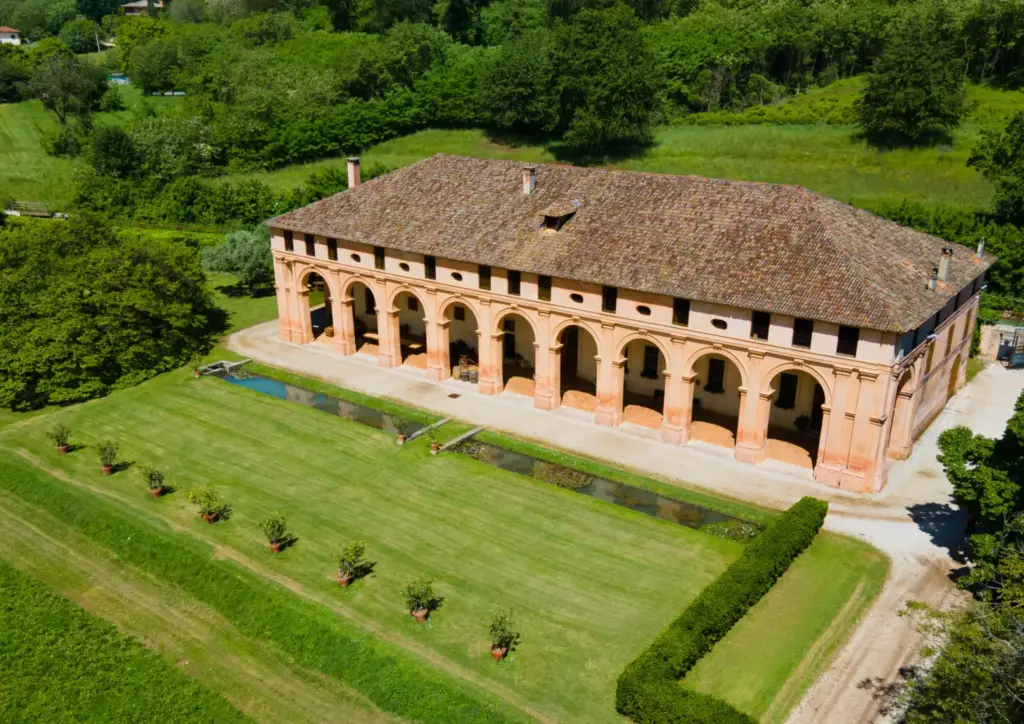
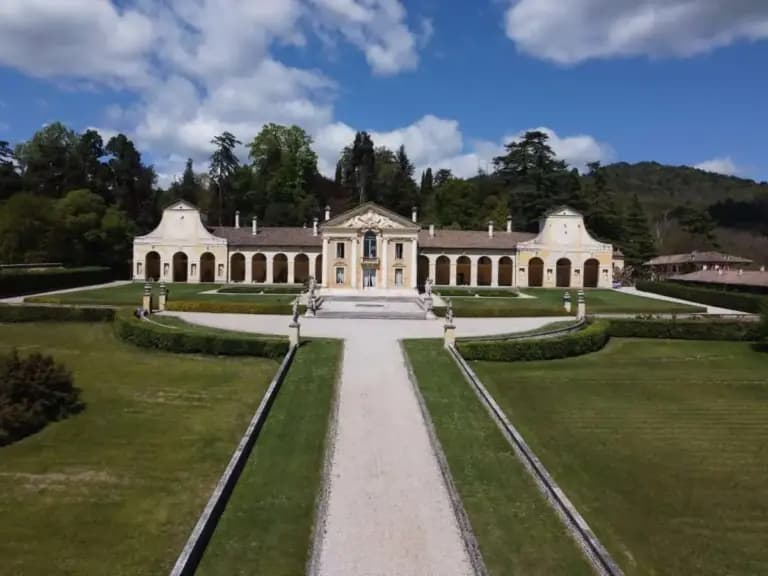
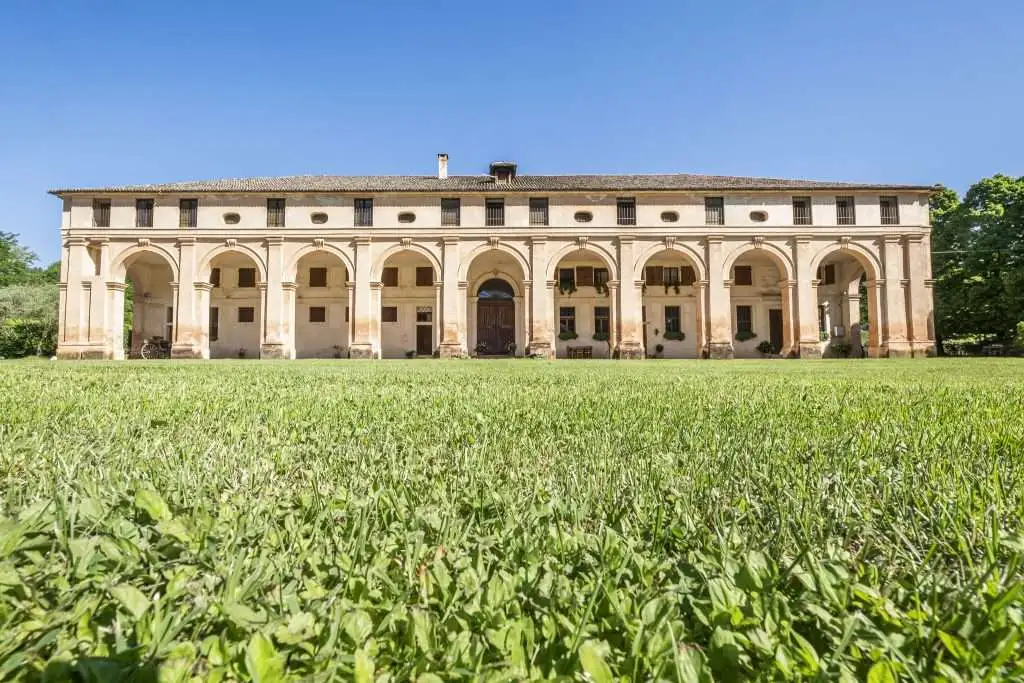
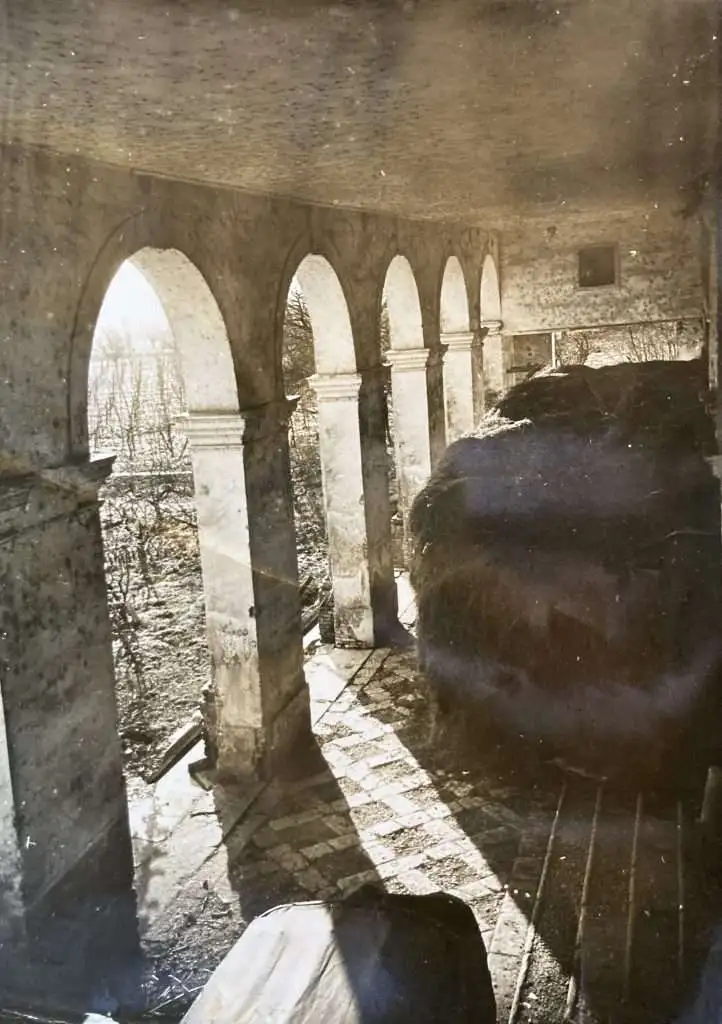
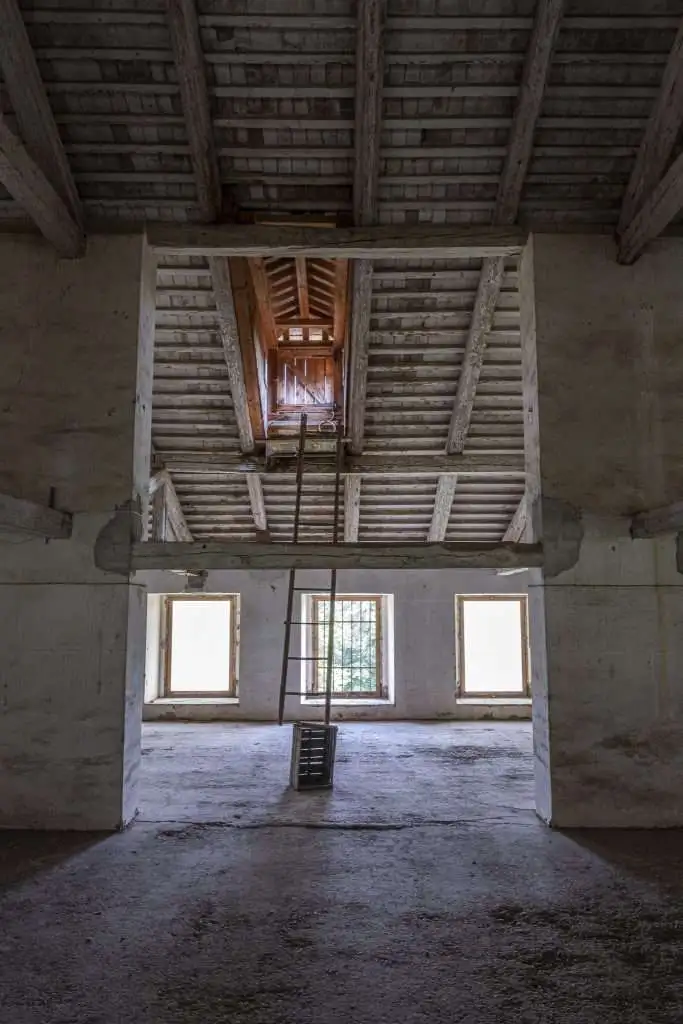
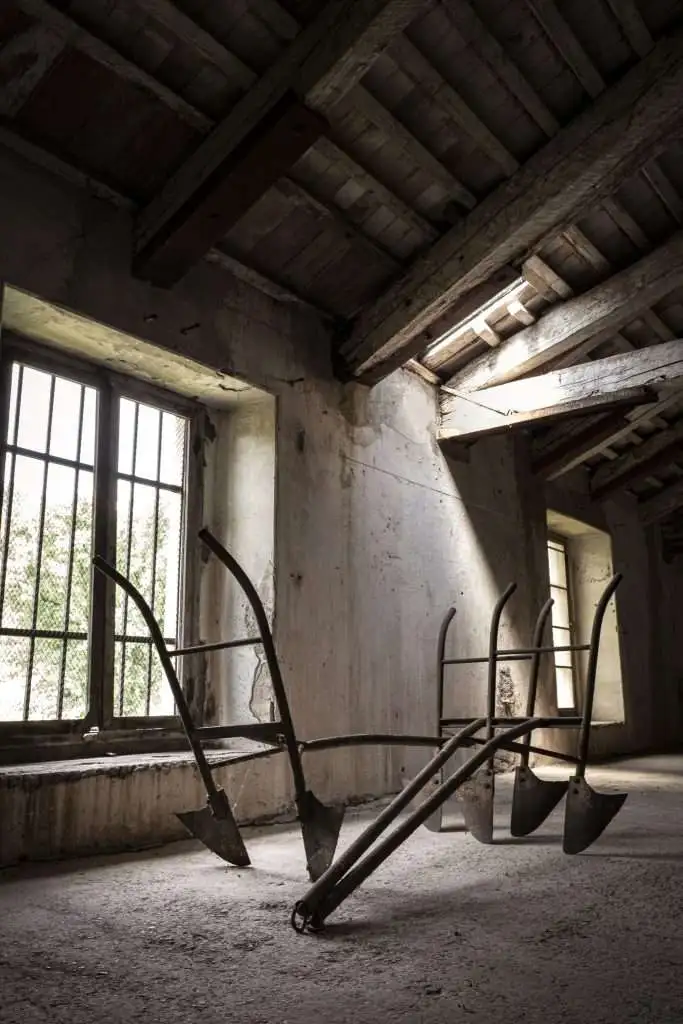
The building consists of an airy portico marked by nine round arches, interspersed with Doric pilasters topped by a molded entablature. Above the keystones and pilasters open oval and rectangular windows. The building served as a service structure for the farmers and over the centuries became a shed for tools, stable, hayloft, granary and war hospital. Since the second half of the 20th century it has housed the cellar of Barchessa Loredan.
The structure of Barchessa Loredan is so sophisticated and majestic that anyone unfamiliar with its history and original function might think this imposing building was designed to stand alone, isolated amid the vast Treviso countryside and the ancient hills of Montello, dotted with sinkholes and covered in woods, rather than as a mere agricultural annex to a larger architectural complex.
The restoration
When ownership passed to the Marcello, a powerful family belonging to the Venetian patriciate, the architectural complex underwent major restoration commissioned to Giorgio Massari (Venice: 13 October 1687 – 20 December 1766), one of the leading exponents of 18th-century Veneto architecture inspired by Palladian principles.
The demolition of the Magnifico Palazzon
In the 19th century, due to the heavy taxation imposed by the Austrians on large buildings in the Montello area, the then owner Scodella ordered the building to be torn down. A farmhouse would later rise from the ruins of the ancient noble residence.
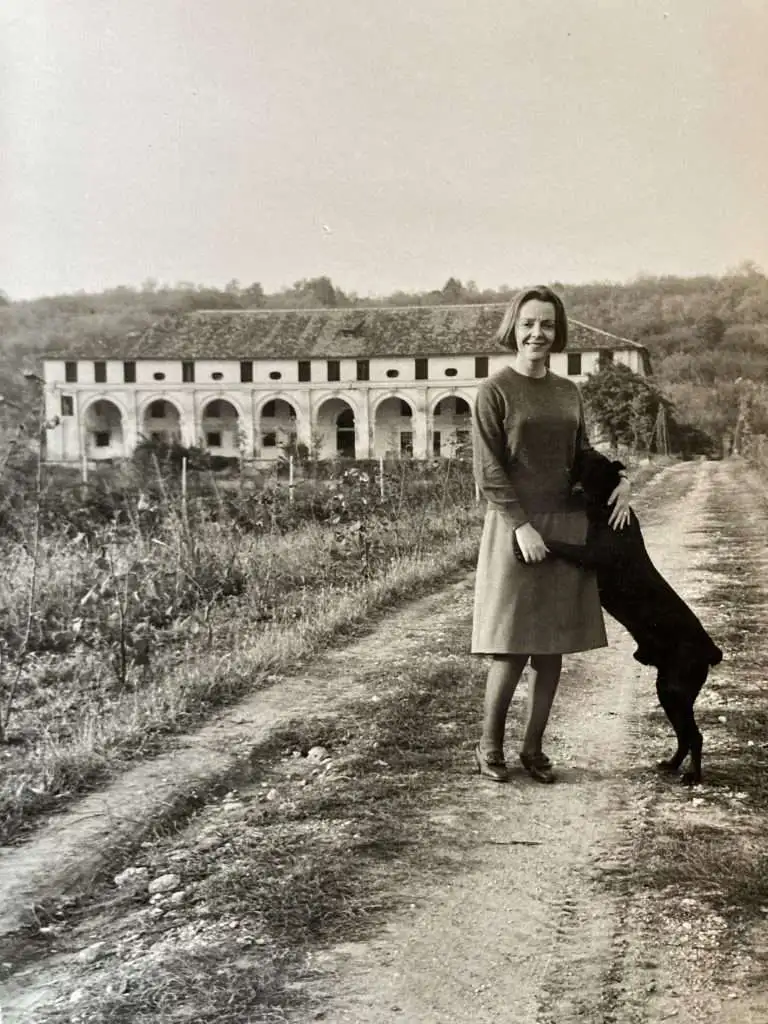
Barchessa Loredan in the 20th century
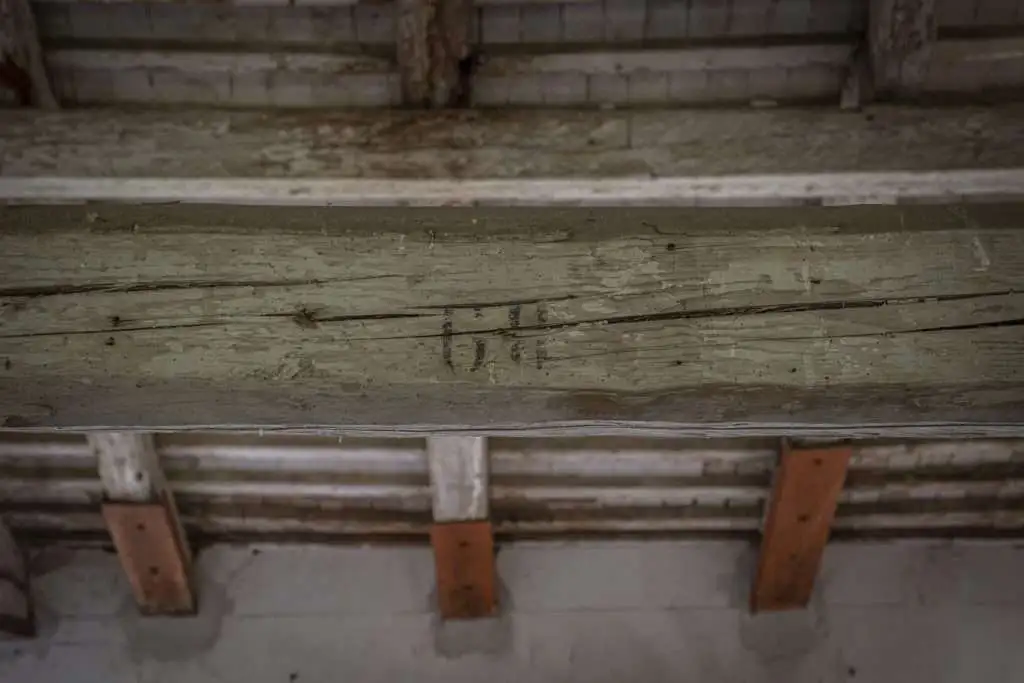
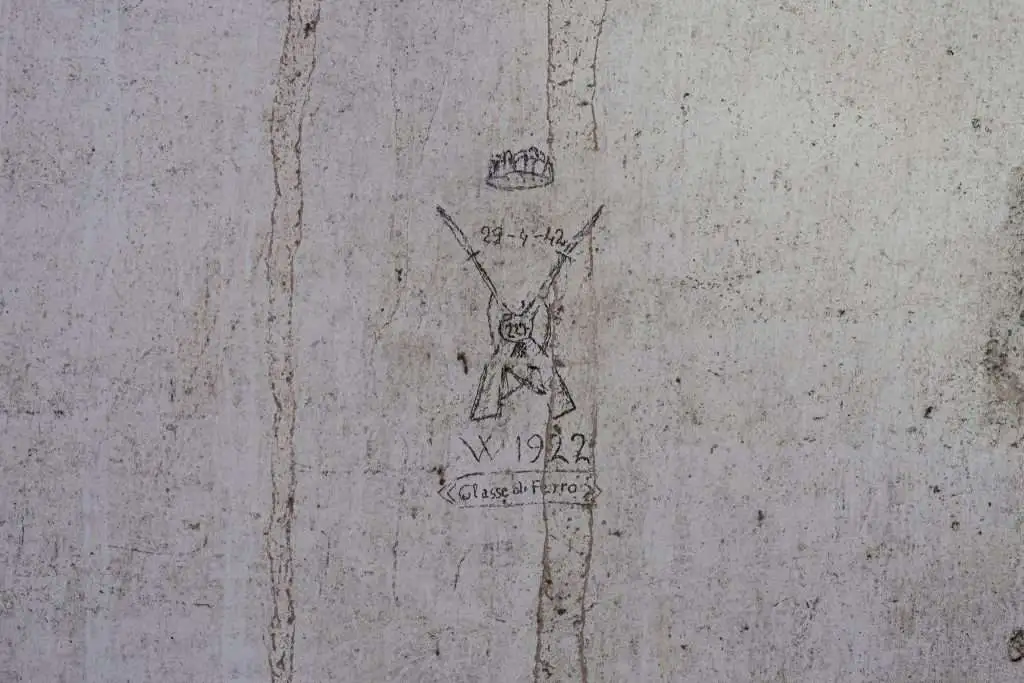
Initially devoted to sericulture, as shown by the traces of silkworm heating systems that remain, the Barchessa was used during the First and Second World Wars as a field hospital, and the bed numbers as well as the phrases and signatures written in pencil on the attic walls have been preserved.
A descendant of Leonardo Loredan (Venice: 16 November 1436 – 21 June 1521), 75th Doge of the Republic of Venice, the Loredan family acquired the property in the 1960s. Countess Nicoletta Moretti degli Adimari and her husband, Count Marco Loredan, transformed the Barchessa into the heart of a prosperous wine estate.
The wine estate and the cellar
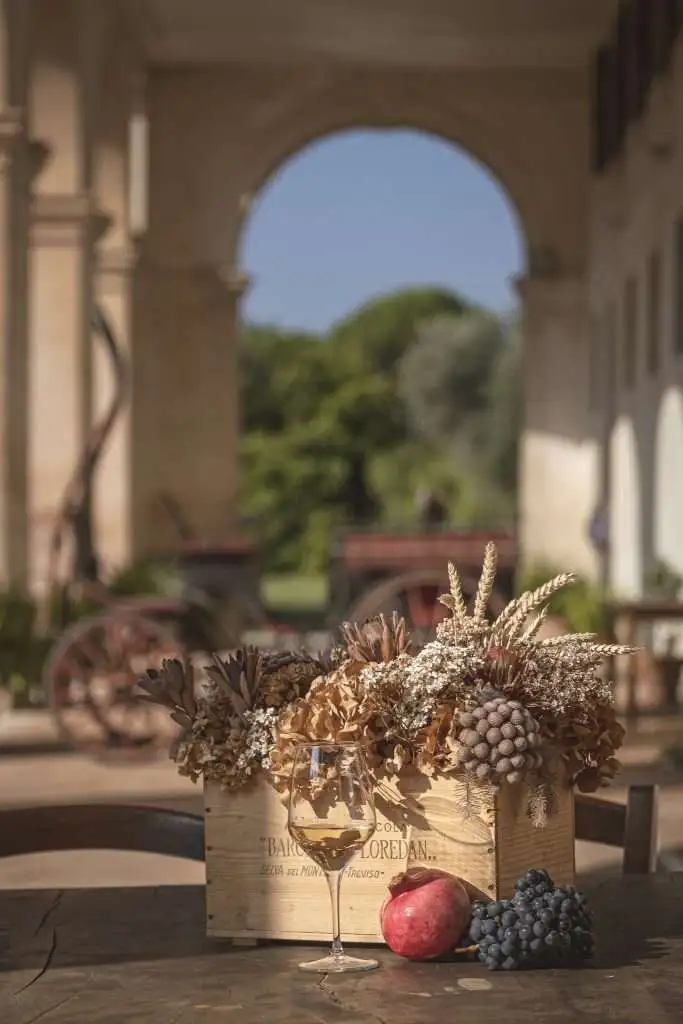
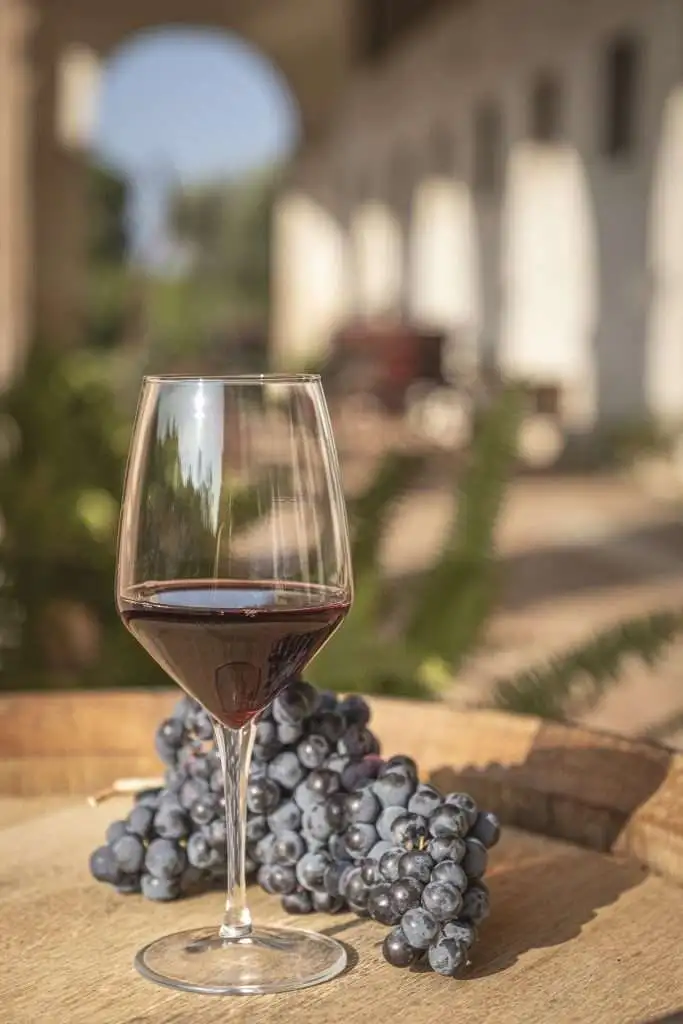
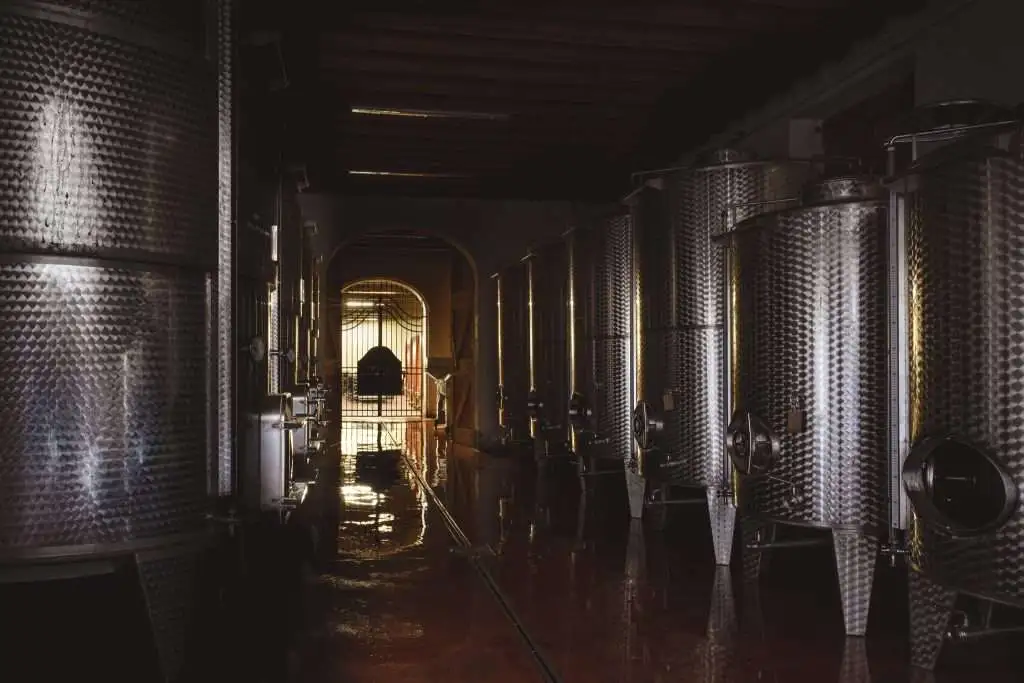
In recent decades, major renovation work has transformed the majestic Renaissance building into what is now the estate’s outstanding cellar, now managed by grandson Alberto Bastianello. The challenge was considerable, since the spaces inside the building had not been designed for such a purpose. Nevertheless, the project skillfully combined the functionality of the rustic building’s spaces with the systems and equipment dedicated to winemaking.
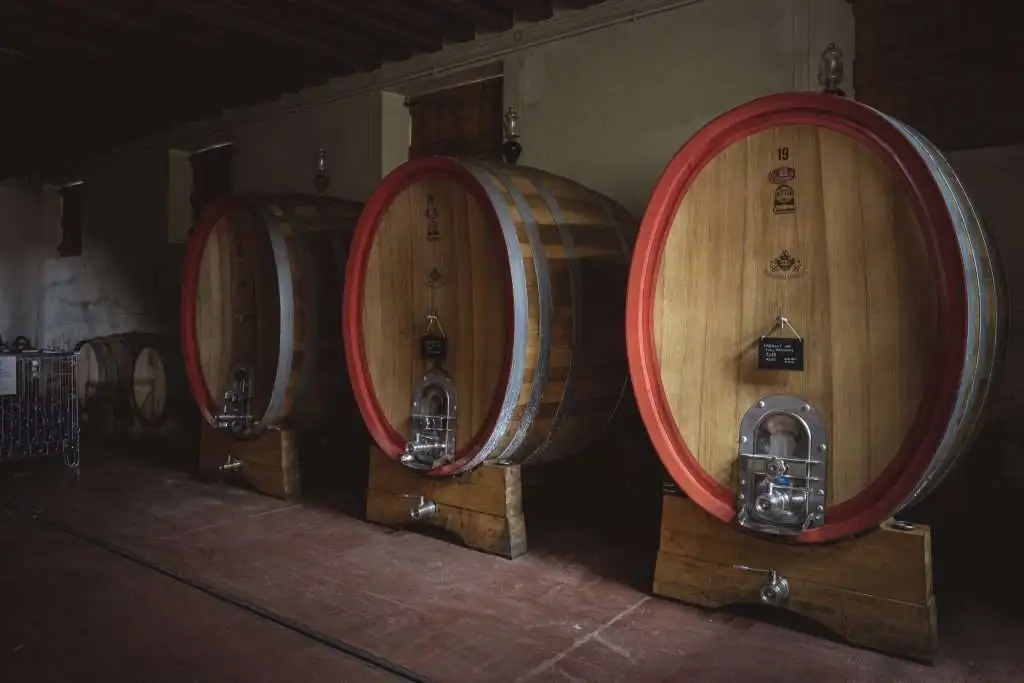
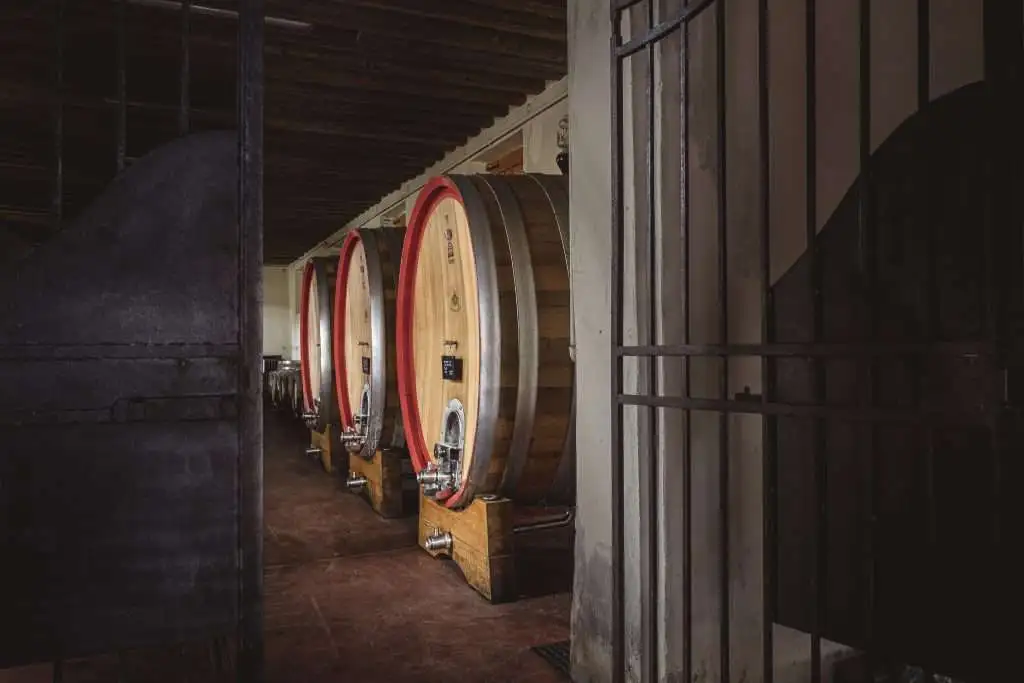
Press, tanks, large casks and barriques were installed on the ground floor, while the barrel room was created where the barchessa’s lower ceilings, thicker walls and reduced light naturally help preserve the humidity and optimal temperatures needed for aging wines.
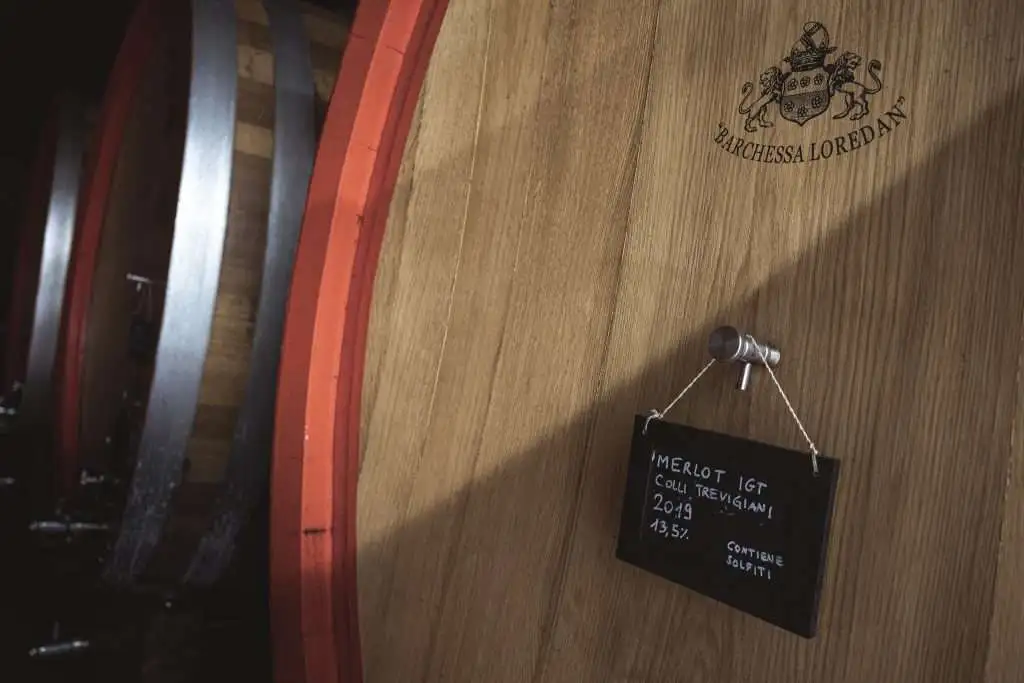
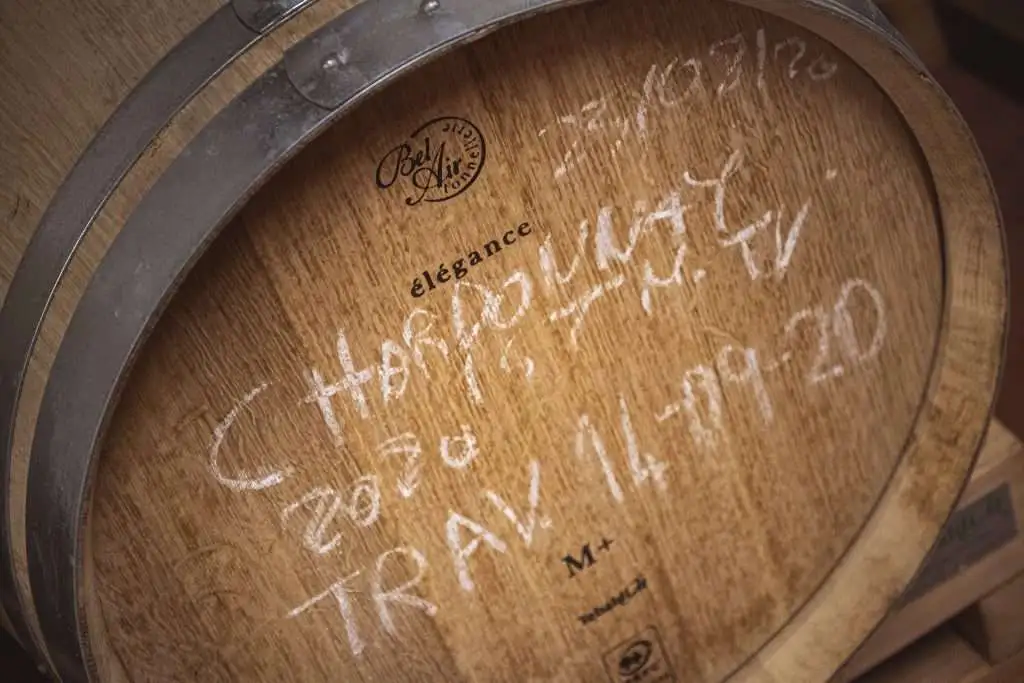
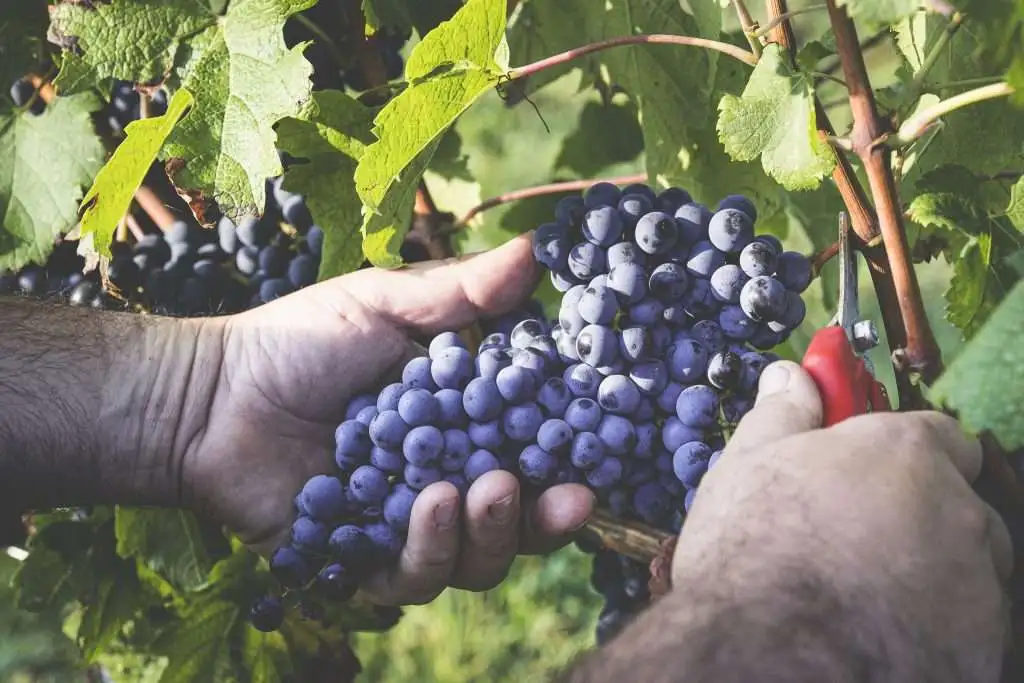
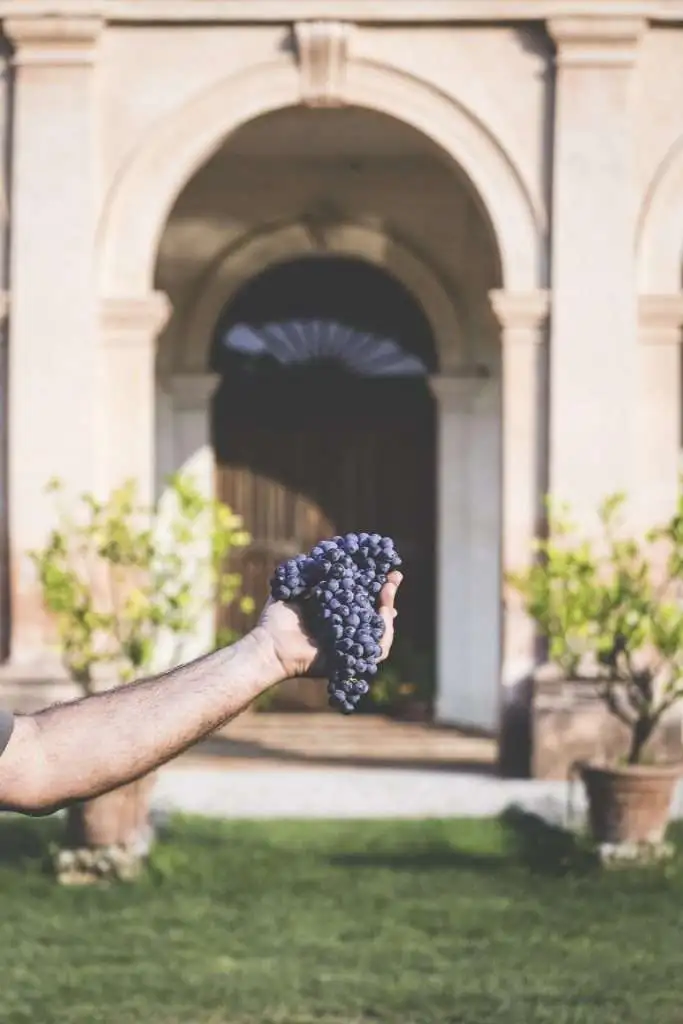
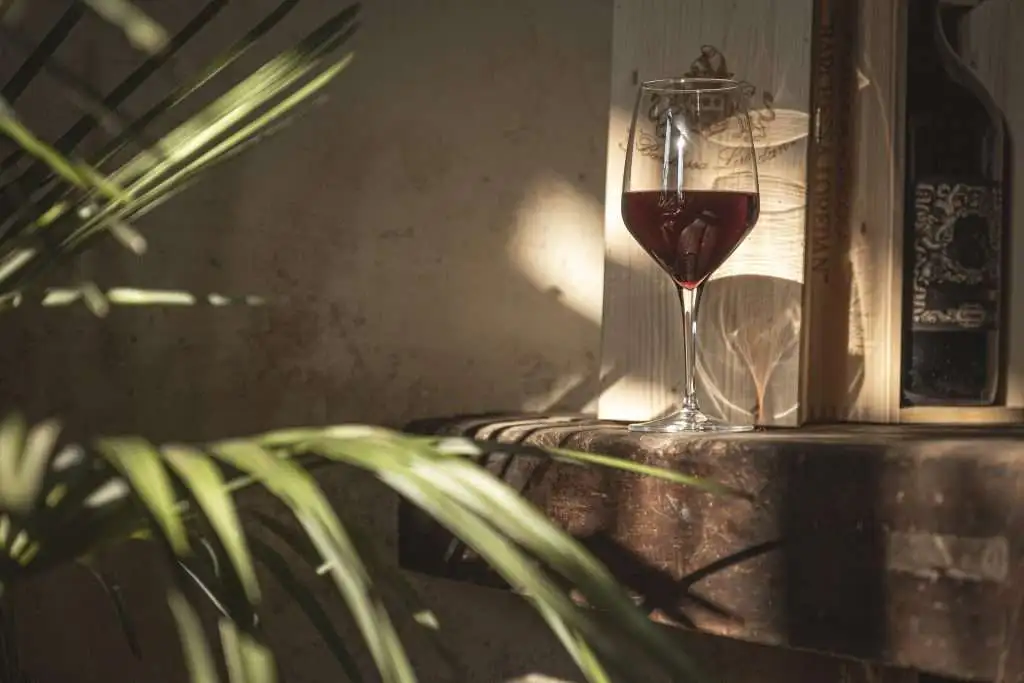
The estate’s delicate microclimate, combined with the pristine terroir of the thirty-two hectares of vineyards at the foot of Montello, whose vivid red hue testifies to their ancient origin and mineral richness, creates the ideal environment for producing Glera, Traminer, Cabernet, Pinot noir, Pinot blanc, Chardonnay and Merlot, from which Grinera, Gran Riserva Nera, of Count Marco Loredan is made, a Merlot IGT Colli Trevigiani red wine.