

Where is the oratory of San Rocco in Maserada sul Piave?
The oratory of San Rocco is located at Via Salettuol, 31052 Maserada sul Piave (TV).
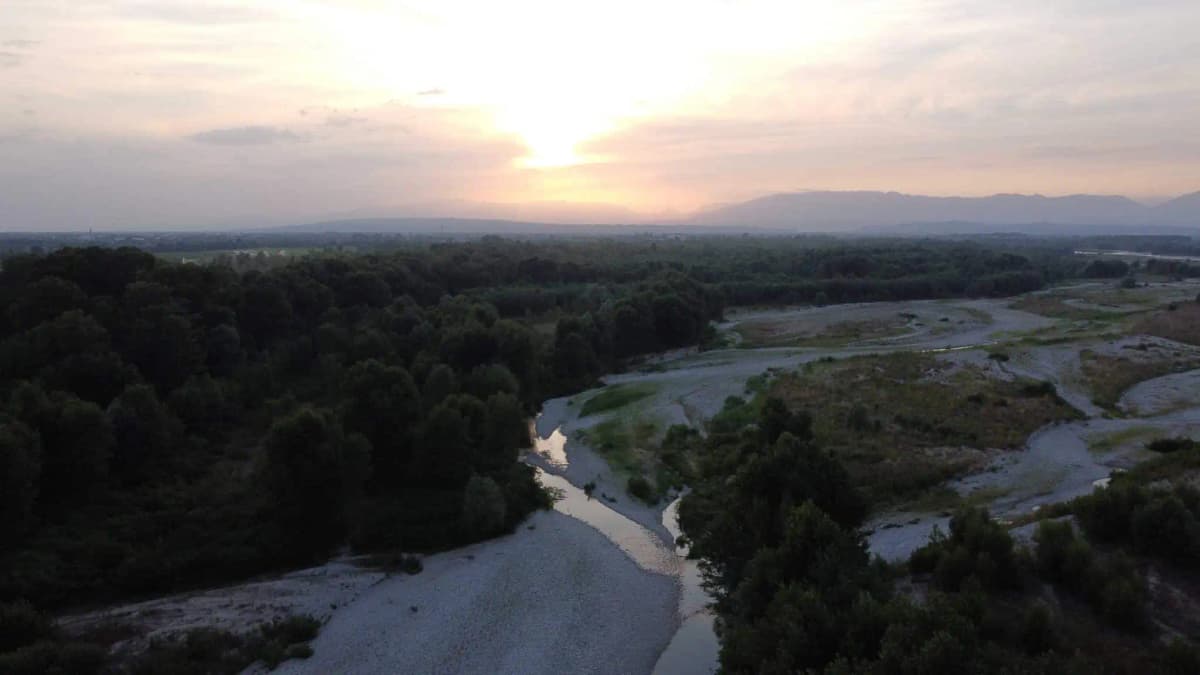
Due to its proximity to the banks of the Piave River, this centuries-old place of worship was rebuilt several times because of frequent floods. The oratory stands a few steps from the solemn monument to the fallen of World War I and is located a short distance from the Codibugnolo natural oasis.
History of the oratory of San Rocco in Maserada sul Piave
Originally dedicated to the cult of Saint John the Baptist, the oratory of San Rocco was built in the second half of the 18th century and rebuilt in the years immediately following the devastations of World War I. Fortunately surviving the bombings, the altarpiece depicting San Rocco is currently kept inside the building.
The structure of the oratory of San Rocco
The rectangular-based oratory has a single nave illuminated by windows topped with a round arch and is surmounted by a fine wooden coffered ceiling (a type of ceiling where regular-shaped recesses form elegant geometric patterns, typically in a checkerboard pattern).
The presbytery, covered by a barrel vault, is slightly elevated relative to the central nave.
The bell tower of the oratory of San Rocco
The bell tower, with a square base, features a brick structure culminating in the bell chamber, where four round-arched openings are surmounted by an octagonal spire.
San Rocco
When did San Rocco live?
San Rocco, born in Montpellier between 1345 and 1350, died in Voghera, in the province of Pavia, between 1376 and 1379. Born into a noble and wealthy family, Rocco of Montpellier received from early childhood a Christian education that would lead him throughout his life to develop an intense and significant devotion to Jesus Christ and the Virgin Mary.
The pilgrimage of San Rocco
After the death of his parents, Rocco decided to rid himself of most of his material possessions and undertake a long and arduous pilgrimage to Rome via Tuscany. What made the spiritual journey particularly dangerous was the plague epidemic that afflicted Europe in 1367 and 1368.
The terrible disease was not enough to curb the resolve of the young Frenchman, whose unwavering faith motivated him to undertake the long and dangerous journey to Rome.
After reaching Tuscany, he headed to Acquapendente in the province of Viterbo, a city where Rocco, following the appearance of an angel, proved capable of healing plague sufferers by blessing them with the sign of the cross.
Resuming his journey, the pilgrim reached Rome to assist the plague-stricken and was received by Pope Gregory XI, impressed by the young man’s zeal and compassion.
On the way back
While traveling back to Montpellier, Rocco was infected with the plague when he was in Piacenza. In order not to spread the contagion, the pilgrim withdrew to an isolated location near the Trebbia River and was saved by the intervention of a local lord and his faithful dog, who had first found the young traveler and began to bring him bread taken from his master’s table.
After recovering, Rocco continued to assist plague victims in Piacenza and once his task was completed, he resumed his journey to Montpellier.
In a Lombard locality, Rocco was arrested for refusing to identify himself. The governor of the place, his uncle on his father’s side, did not recognize his nephew when he saw him, and Rocco, after refusing to reveal his name, was imprisoned. The saint lost his life between 1376 and 1379, as a result of continuous torture and deprivation.