
What is the burci cemetery?
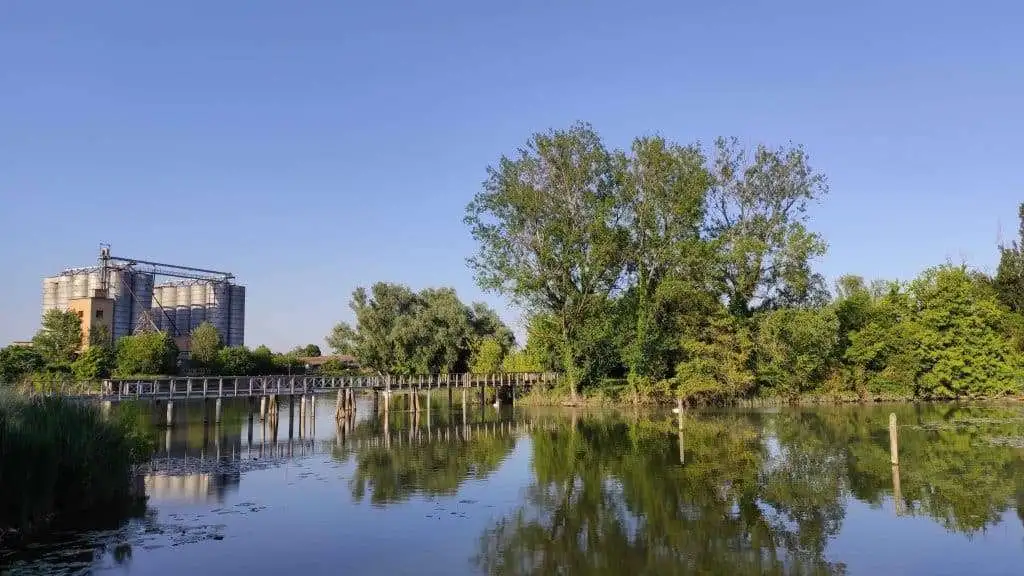
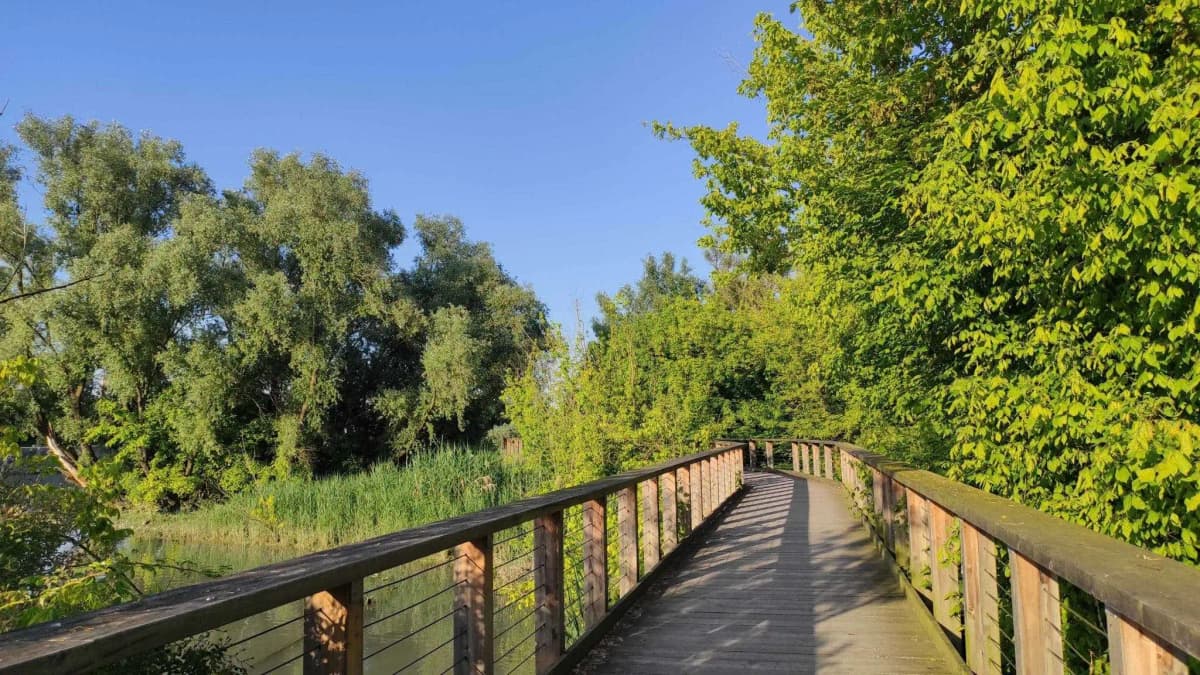
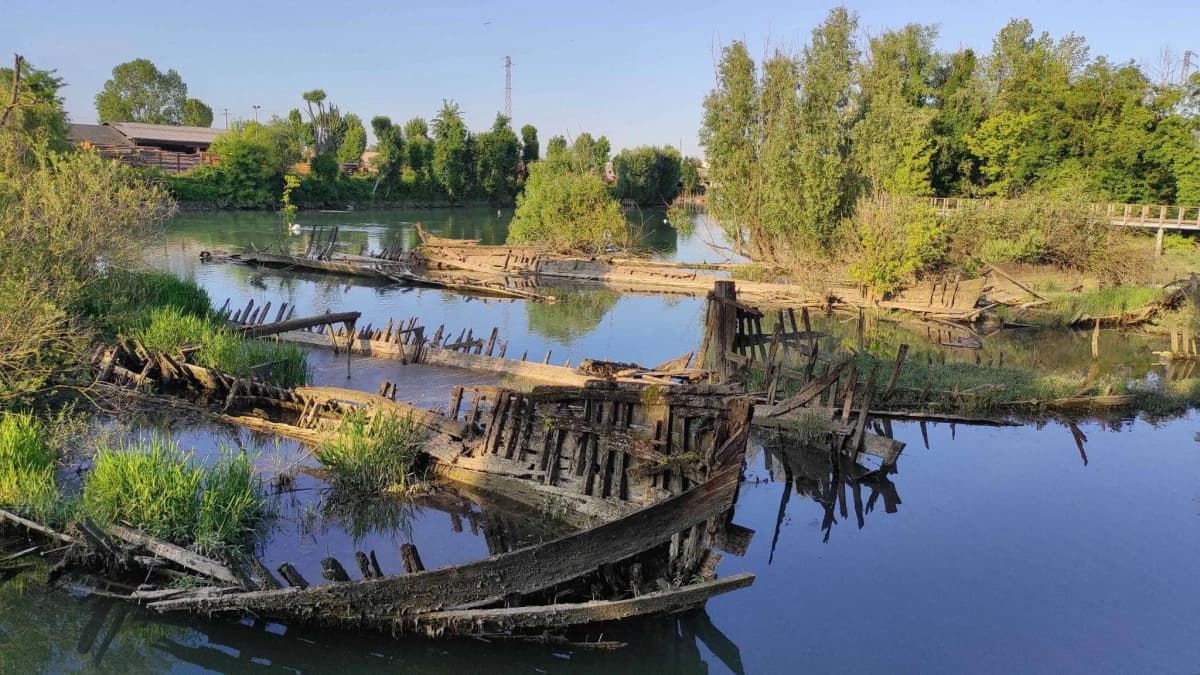
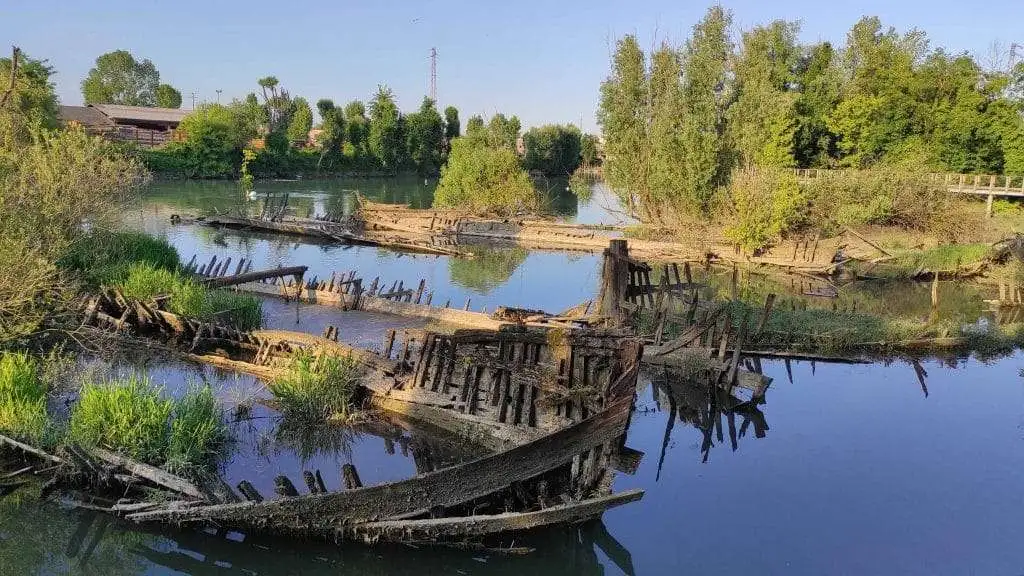
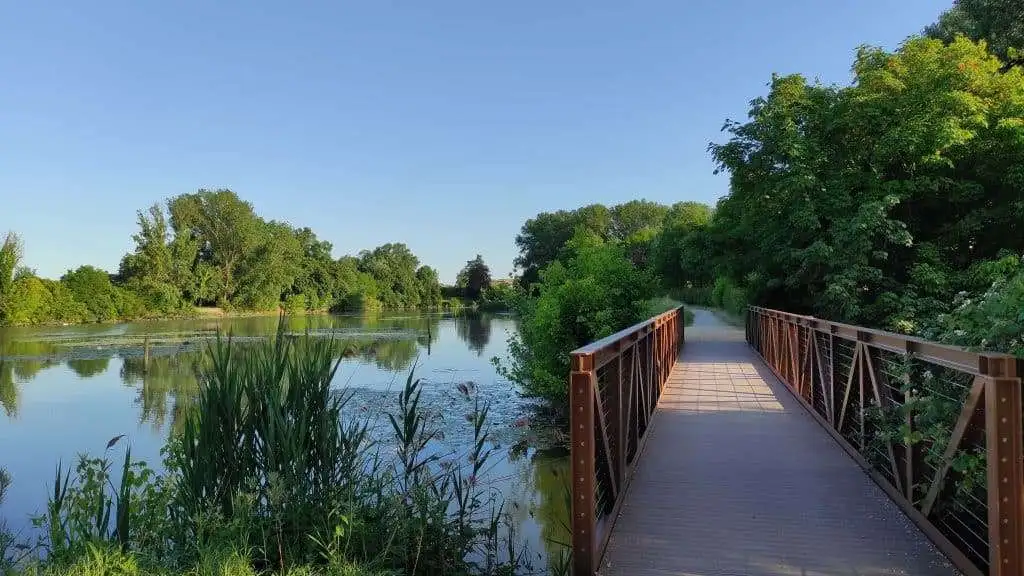
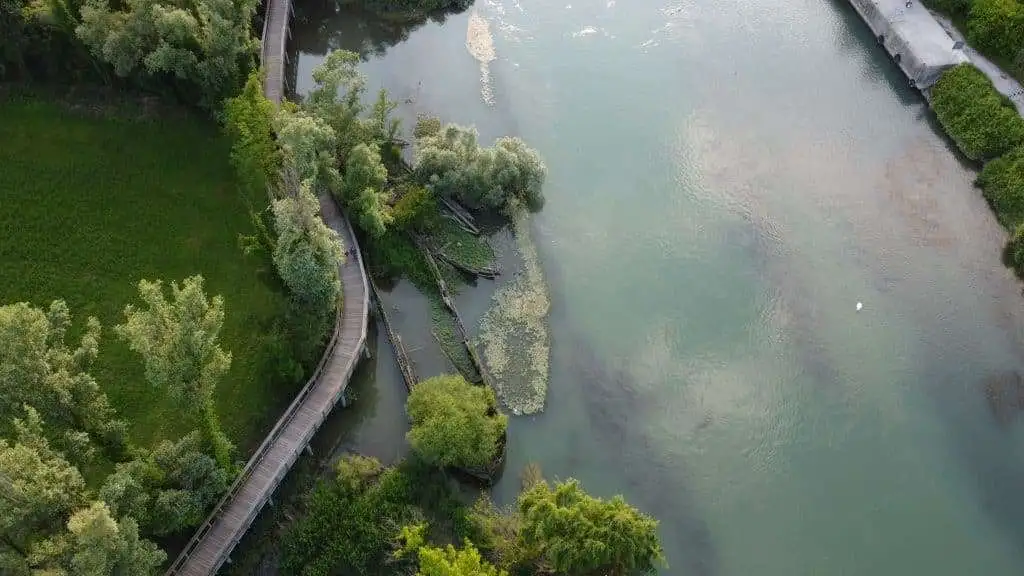
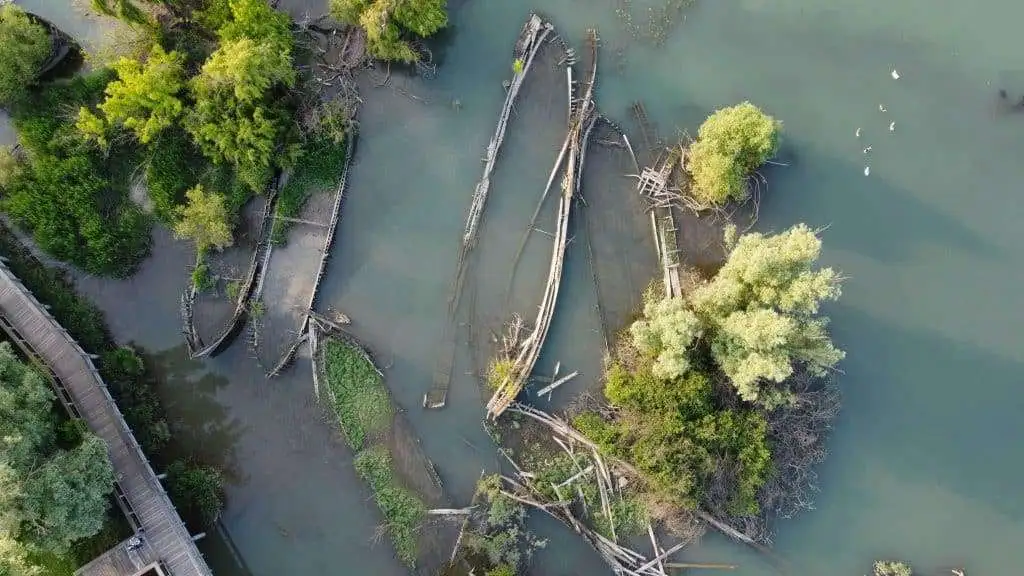
Accessible via a comfortable wooden walkway, the burci cemetery is a fascinating location in the municipality of Casier, about nine kilometers from the historic center of Treviso.
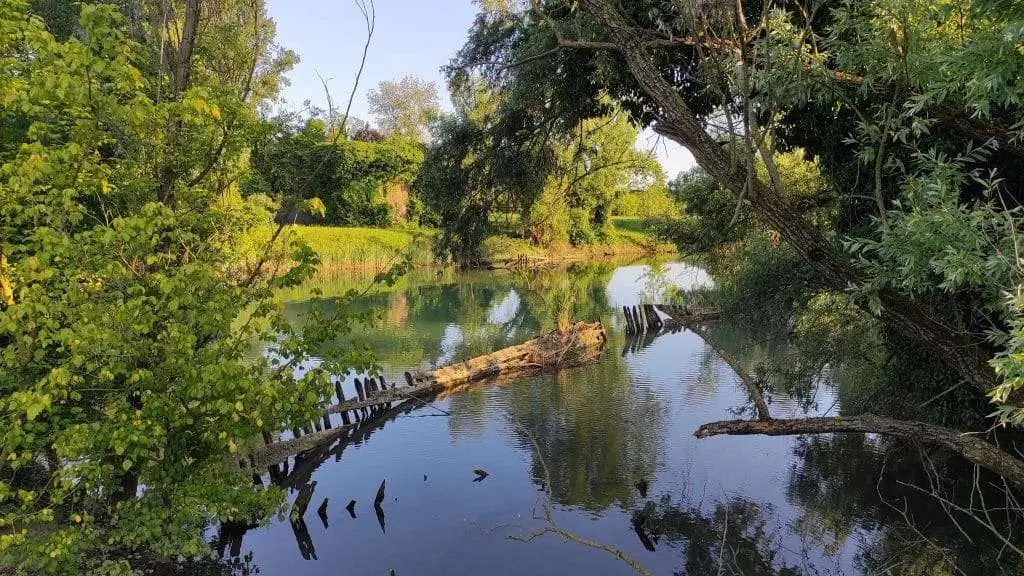
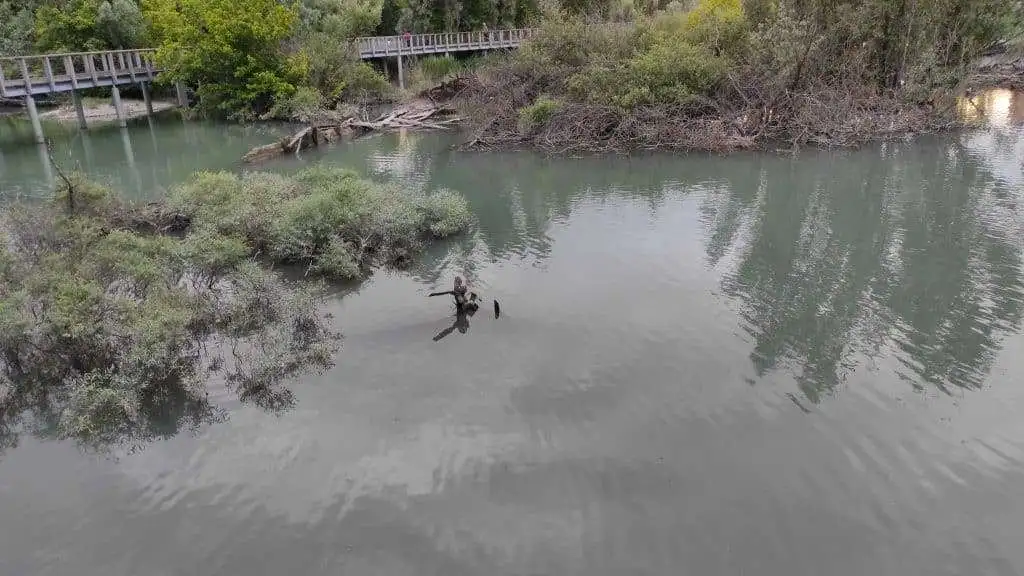
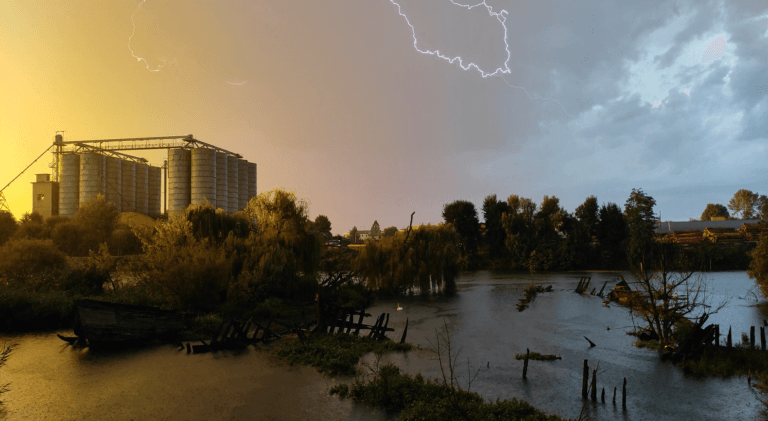
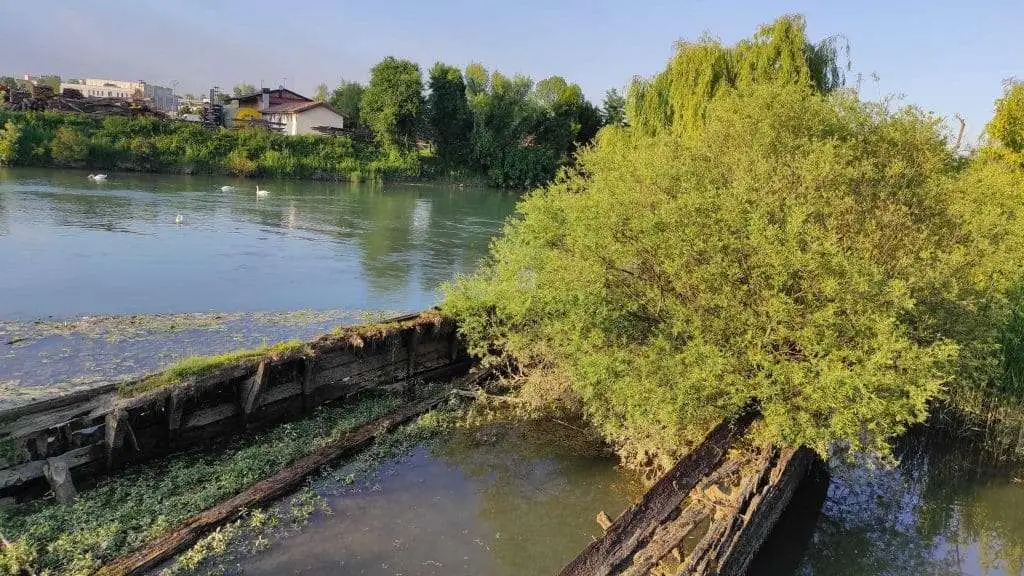
The historical-naturalistic site is located at the meeting point of the Sil morto and the canal built in the 1950s to speed up river transport along the Sile river. Made up of the wrecks of nineteen boats abandoned during the 20th century, the fragile archaeological site is part of the Sile River Regional Nature Park, a natural spring-fed area covering 4,152 hectares across the provinces of Treviso, Padova and Venezia.
The ecosystem of the natural area is characterized by the presence of a vast and precious arboreal, floral and faunal heritage that reveals its lush and vibrant complexity in spring and summer.
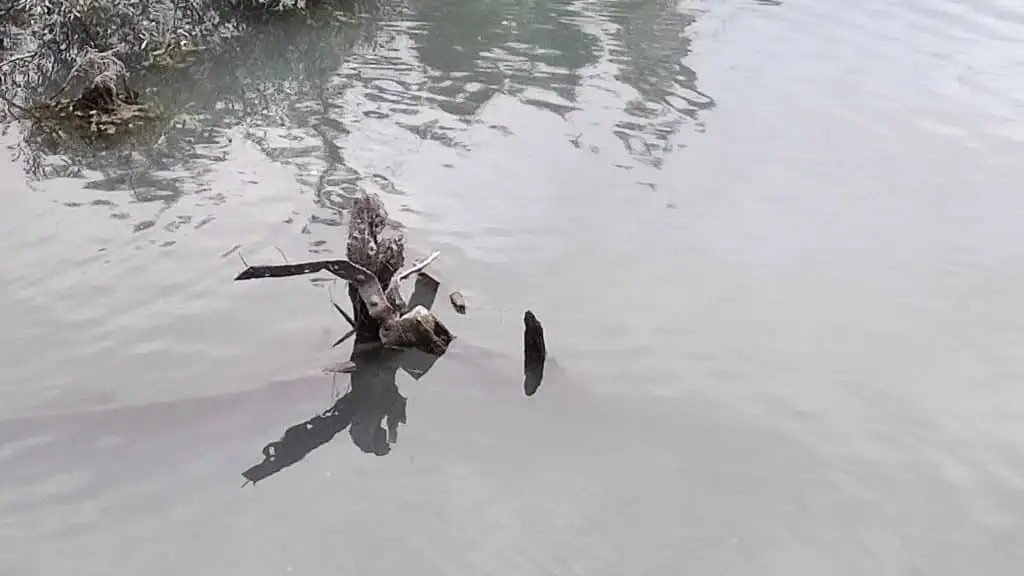
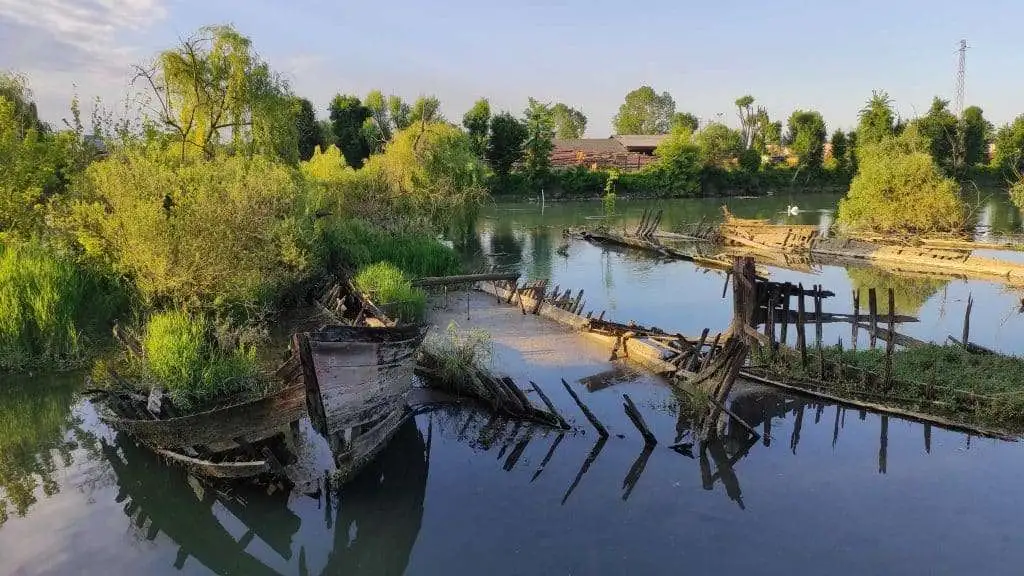
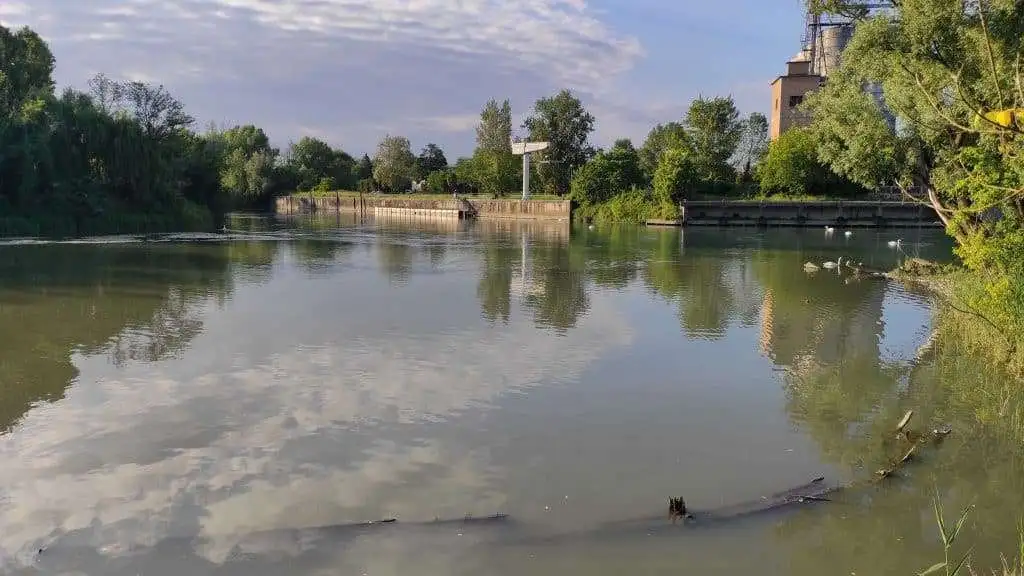
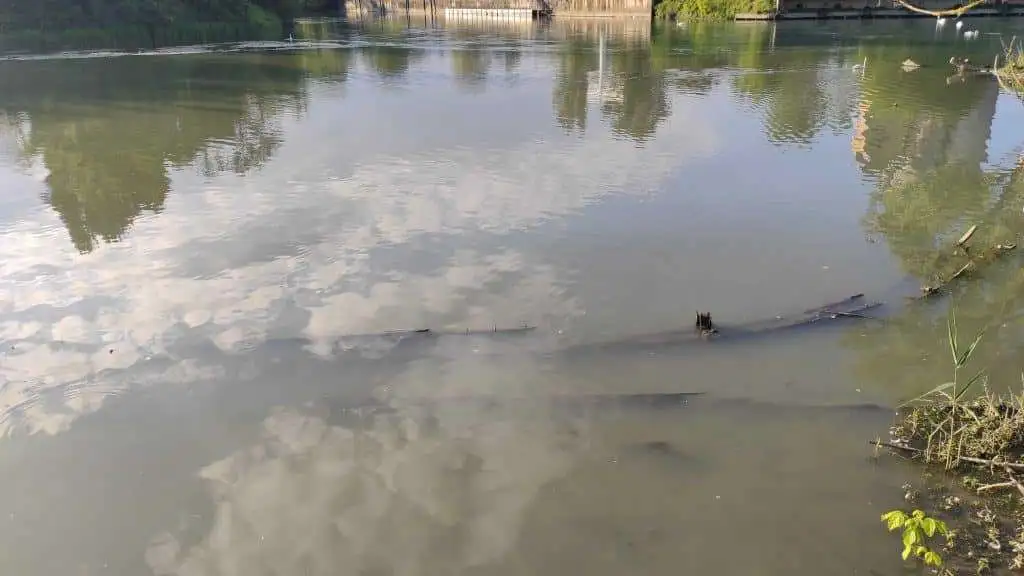
Abandoned during the 20th century, the profiles of the ancient wrecks emerging from the waters of the Sile fascinate visitors with their mysterious presence, partly hidden by the dense vegetation of marsh grasses and herbs.
How to reach the burci cemetery?
Starting from Silea, you can park along the stretch of Via Alzaia sul Sile that borders the Parchetto di via Alzaia alla segheria. Cross the bridge over the Sile keeping the hydroelectric plant on the right, then turn left and follow via Tappi until you see on the left, after about 400 meters, a dirt path. Following the path that follows the Sil morto, you finally reach the wooden walkway leading to the burci cemetery.
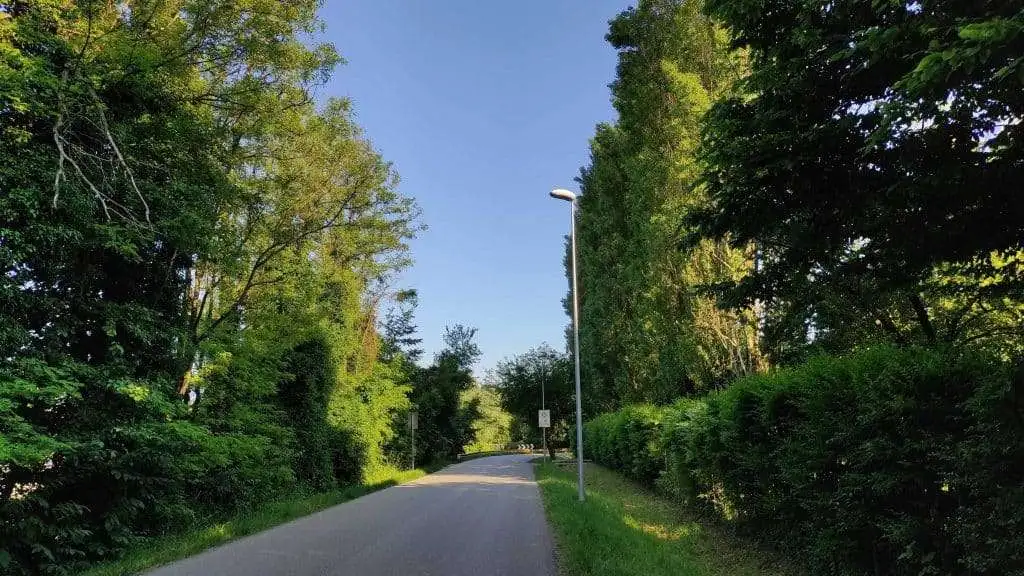
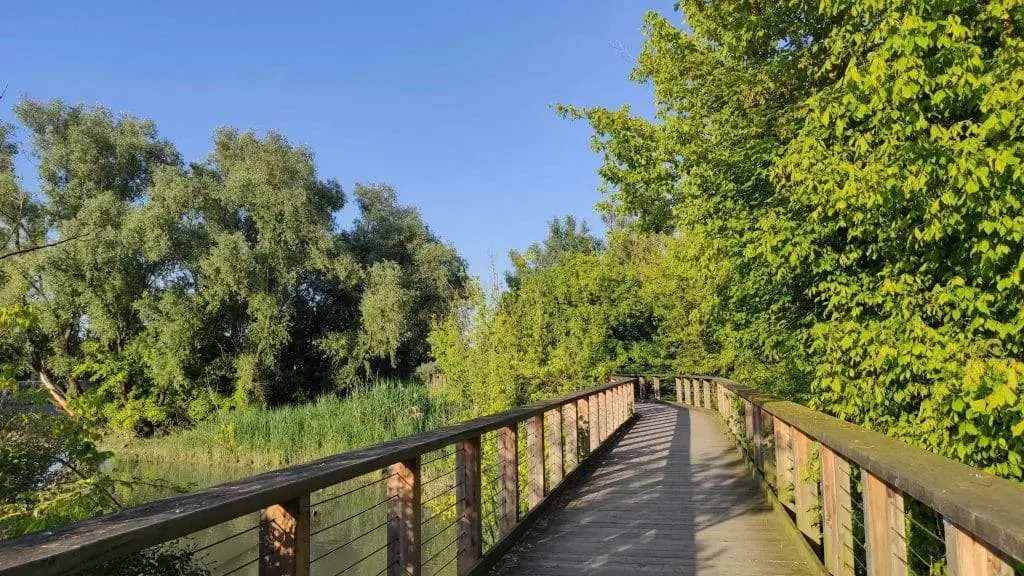
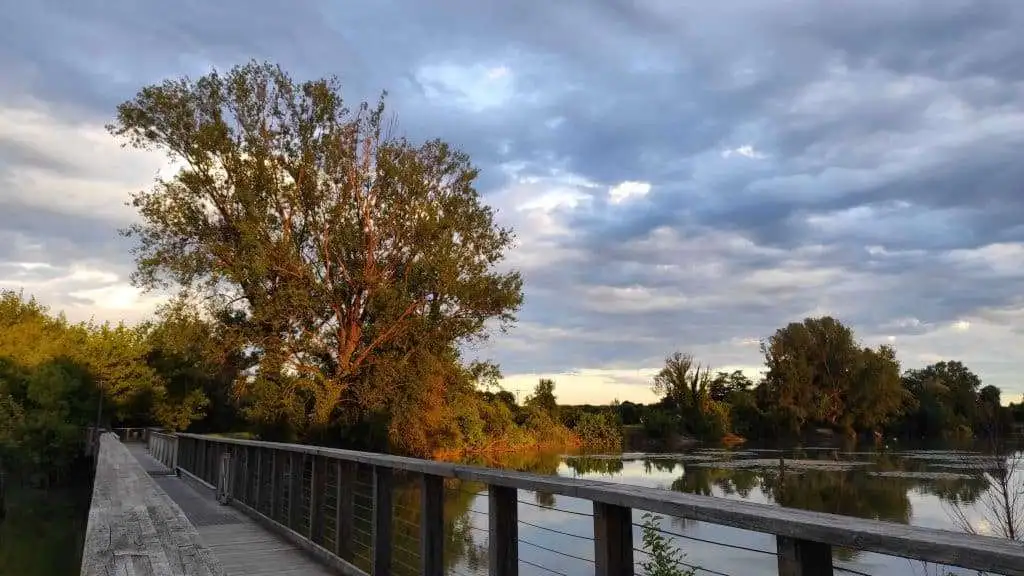
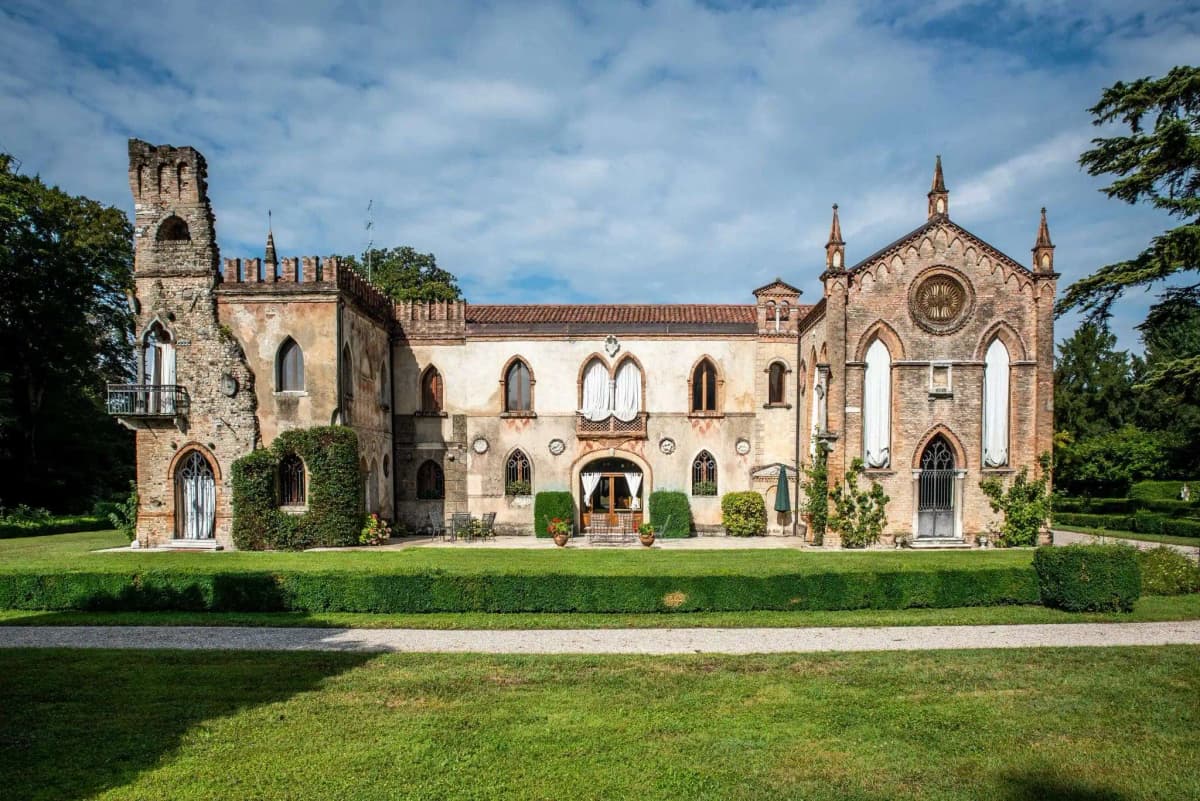
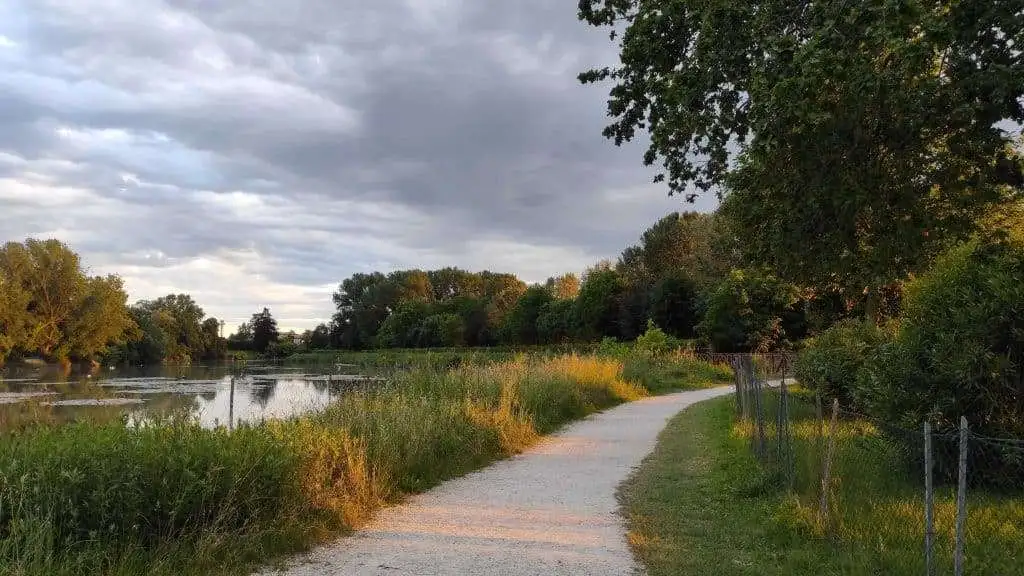
If you prefer to follow the cycling and walking route that runs along the Sil morto, (thus leaving the elevated path on your left) you cross a small bridge and continue along the green path from which you can glimpse, after about 280 meters, a glimpse of the facade of Villa Carlotta Rombo Morosini at a bend in the Sil morto.
What are burci?
Made of oak and larch wood, the burcio is a river boat for transporting goods whose flat bottom facilitates rapid movement in shallow waters. The edges of the boat are almost perpendicular to the bottom to maximize cargo capacity. The merchant barge could reach up to thirty meters in length.
Apparently indistinguishable, partly due to the deterioration of their structure, partly because modern transport systems have made the ancient Venetian nautical culture obsolete and little known, the nineteen wrecks that make up the archaeological site include, in addition to burci, specimens of comacine, gabarre, batei, a topo and a barchetto, as well as a series of boats, still the subject of studies and research, whose type is still unknown.
Unlike the burcio, the comacina has a narrower bottom compared to the deck surface and is characterized by a more slender bow.
Also characterized by a flat bottom, one of the three gabarre found is probably the oldest boat in the burci cemetery. Scholars who have conducted research on the origin of the boats have found documents attesting to the provenance of the wreck.
The mototopo, used for transporting goods and employed as a fishing boat in coastal and river environments, is recognizable by its curved and slender bow.