
Where is Bosco Galileo located?
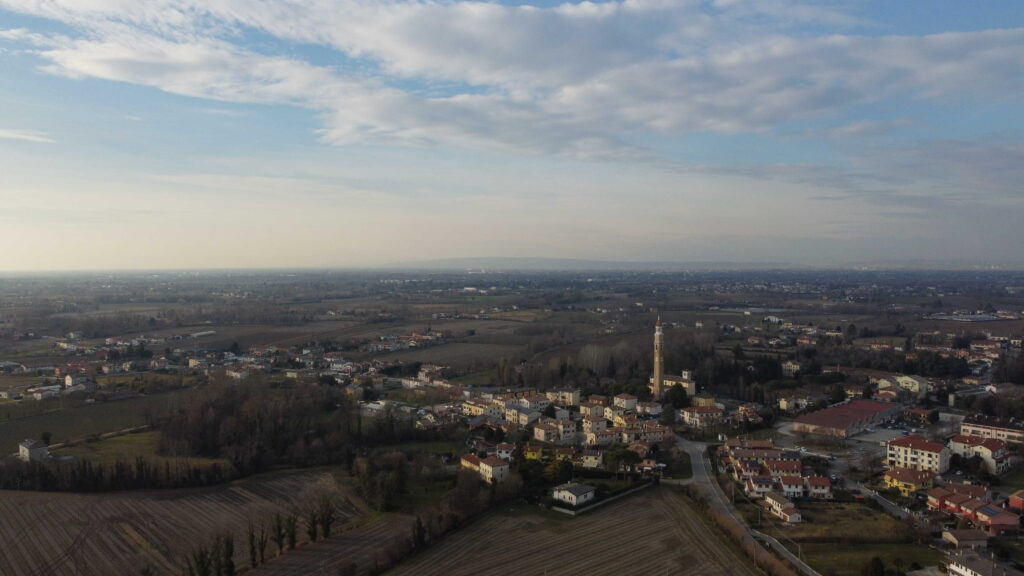
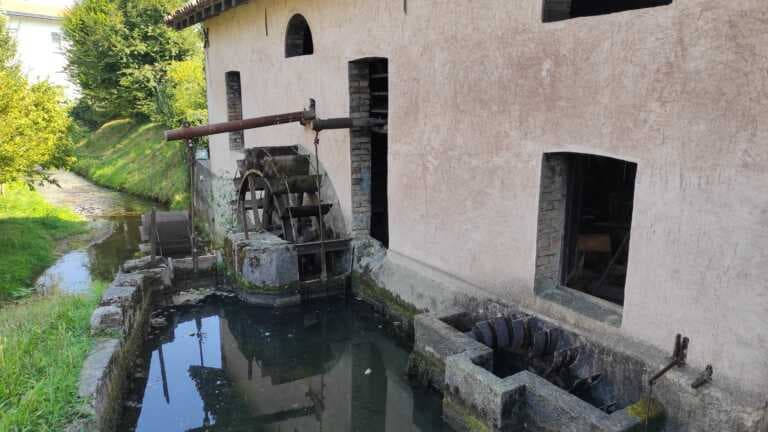
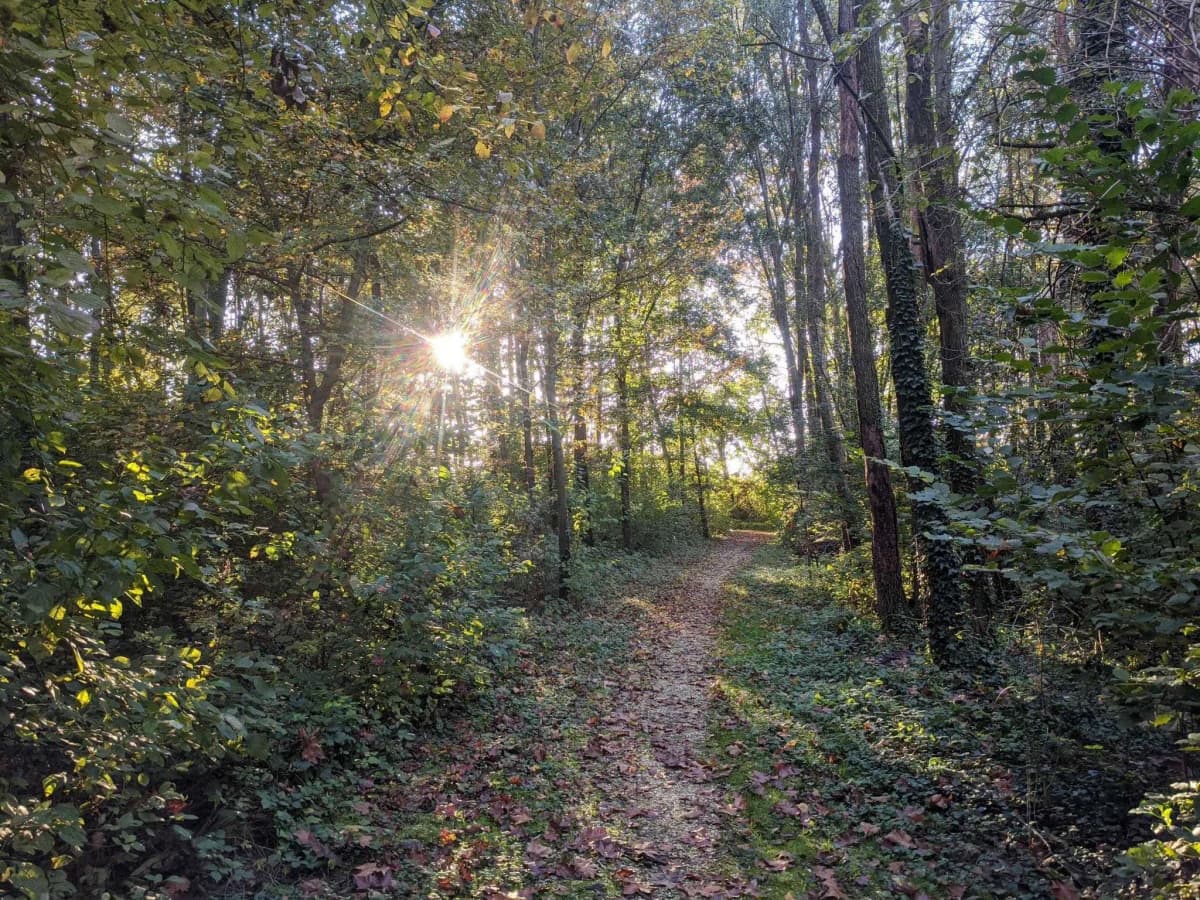
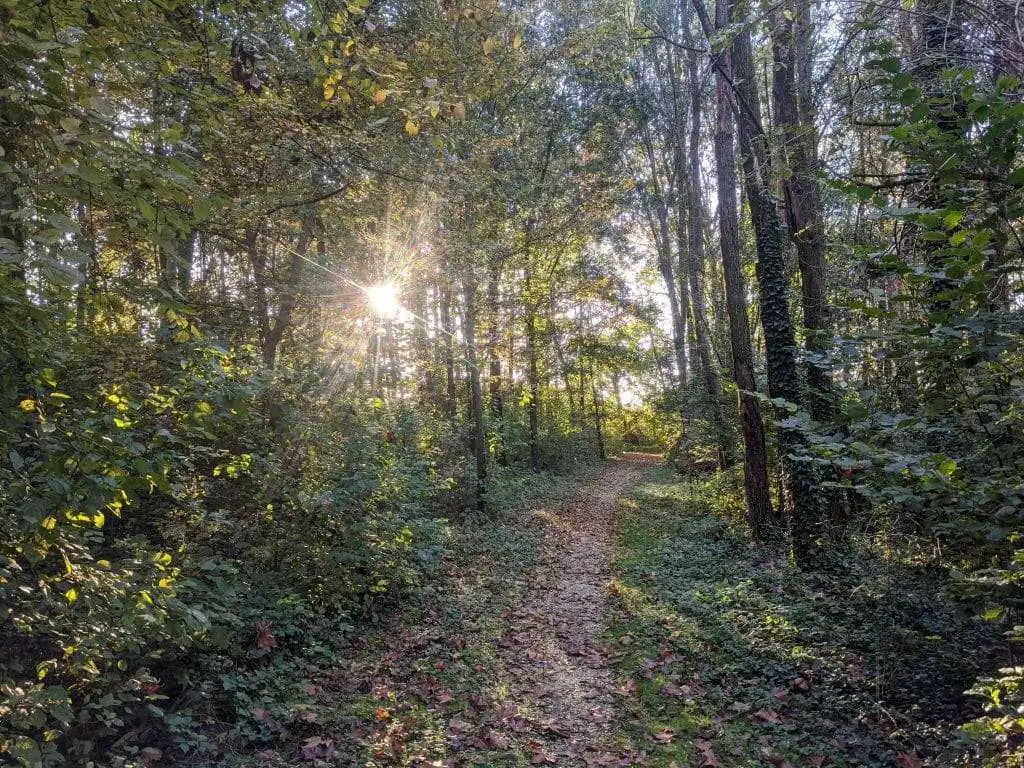
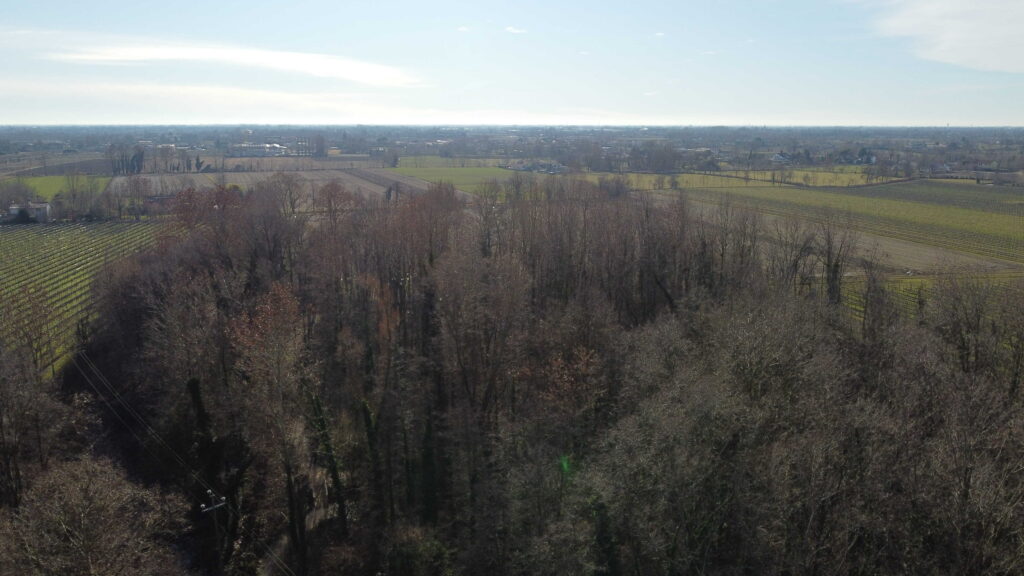
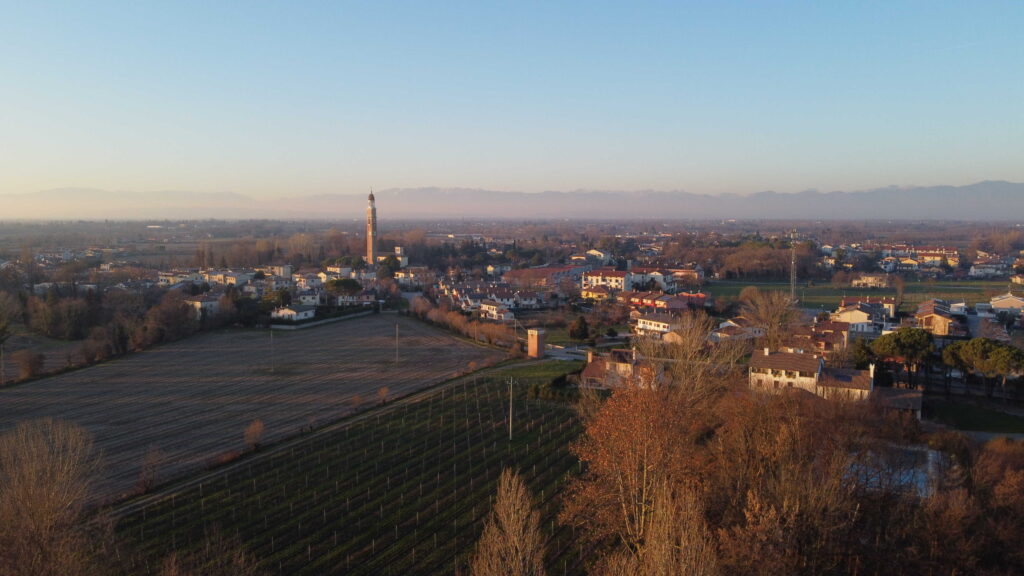
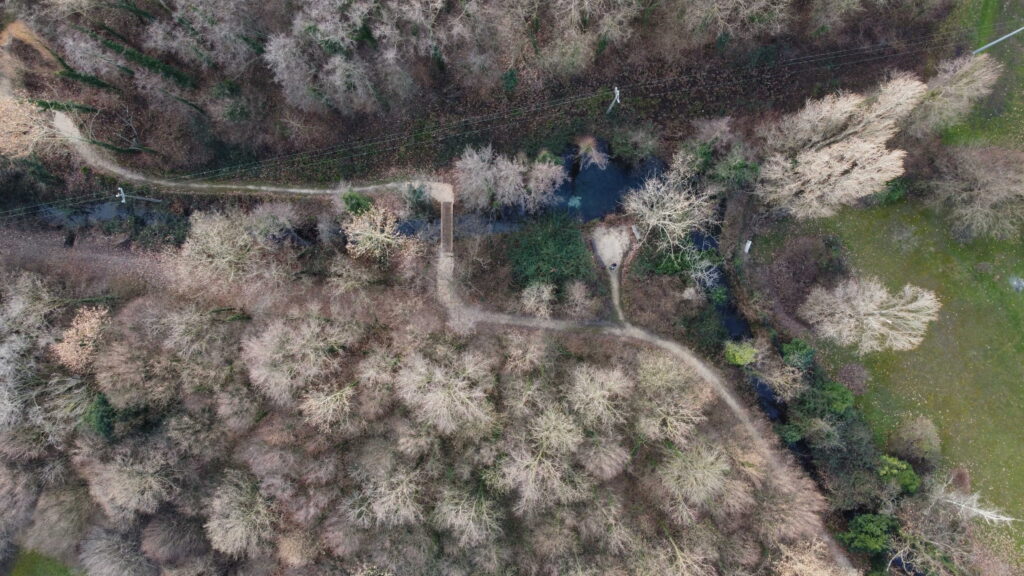
Bosco Galileo is located at Via Niccolò Moretti, 14, 31030 Breda di Piave (TV), at the Circolo Culturale Ricreativo Il Filo’, a short distance from the Bosco degli Ontani.
History of Bosco Galileo
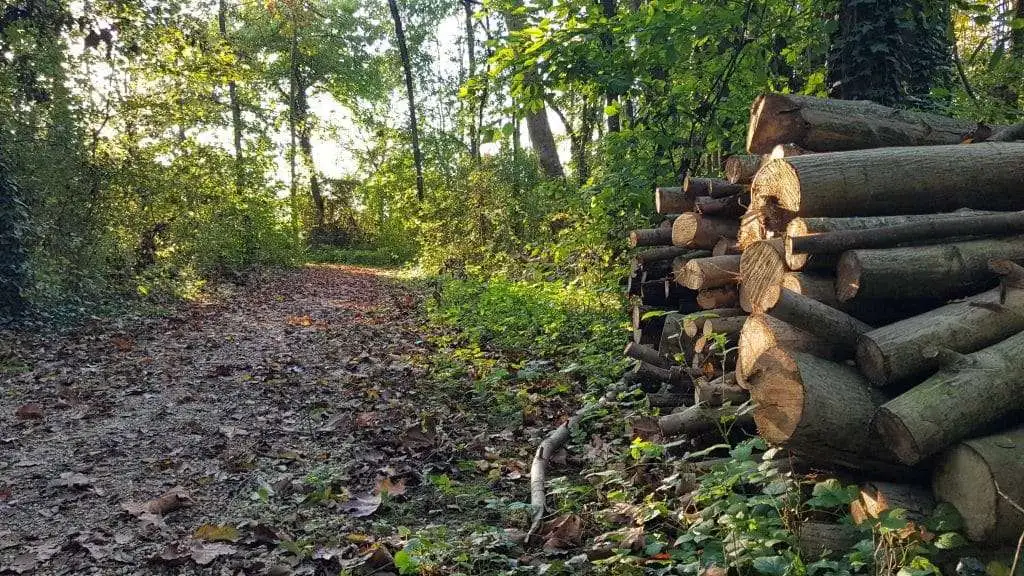
In 1989, the proposal from the state middle school “G. Galilei” to create a forest in the municipal area of Breda di Piave dates back, in response to environmental emergencies related particularly to the spring belt.
After obtaining funding in 1996, the administration entrusted Prof. Renzo Trevisin, a graduate in forestry sciences, with the design and direction of the works, which were completed in 1997.
The reforestation work was preceded by a series of preliminary interventions, consisting of the removal of invasive hedges and dead or broken plants, followed by plowing, tilling, and fertilizing the soil. To complete the operations, a ‘wave’ mulching was created, characterizing the curvilinear pattern of the rows.
The springs in Bosco Galileo
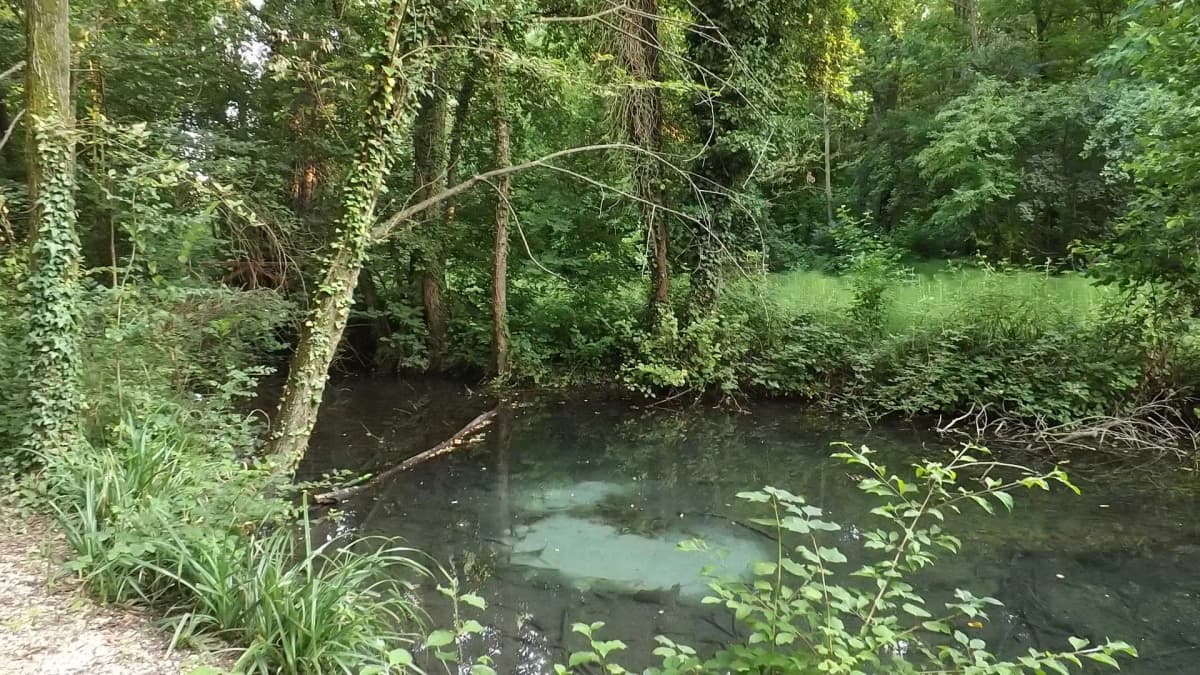
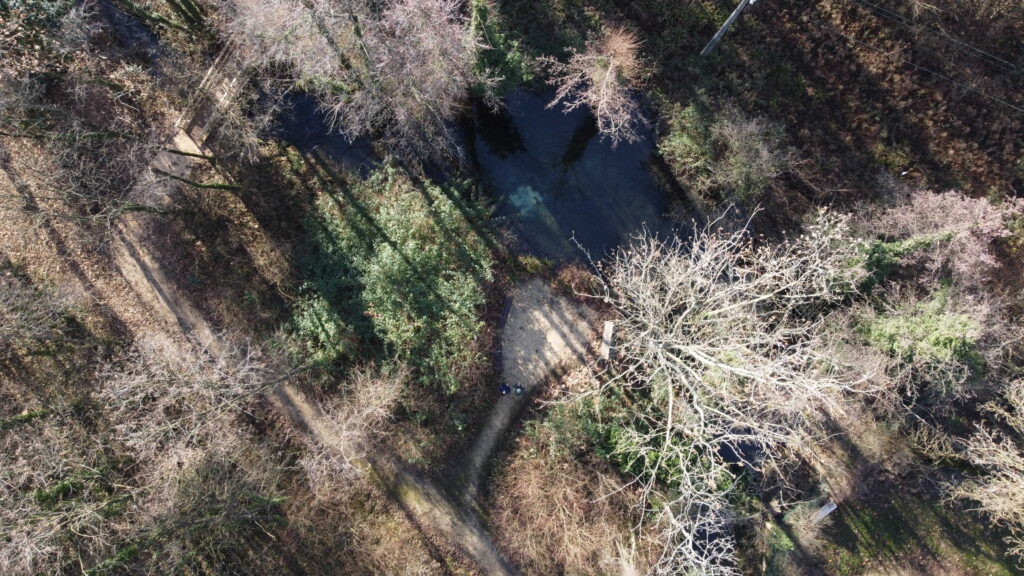
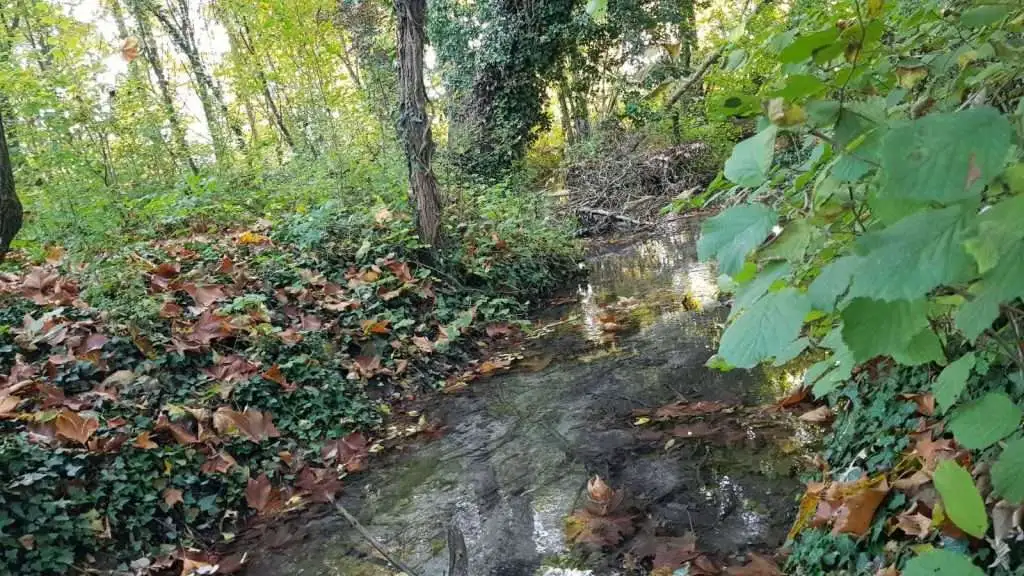
Located at an altitude between 20 and 21 m above sea level, Bosco Galileo has fine-grained soil, whose clay-sandy mixture causes the emergence of the springs of the Rul stream on the surface, whose water table depth varies between 180 and 120 cm.
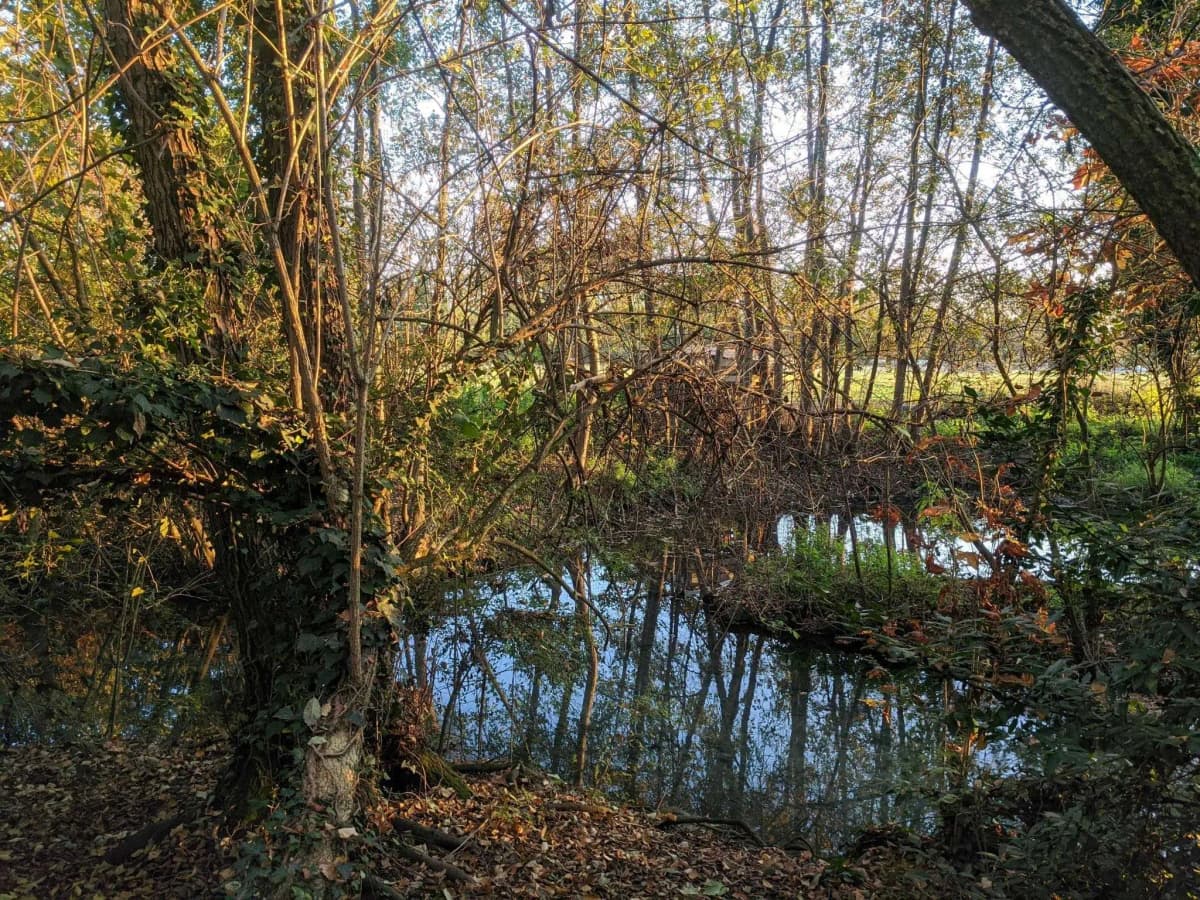
The hardwood plantation was carried out by preserving the spontaneous plants, mainly along the waterways, and planting native young trees and shrubs, in order to reproduce the characteristics of the ancient Veneto lowland oak-hornbeam forest, particularly the relict woods sporadically present in the eastern Veneto plain.
Spread throughout the Po Valley, the spring belt that crosses the territory of Breda di Piave from northwest to southeast arises from the meeting point between the permeable and impermeable plains.
Its width depends on the depth of the water table, the geomorphology of the area, and the grain size of the soil.
What is a spring?
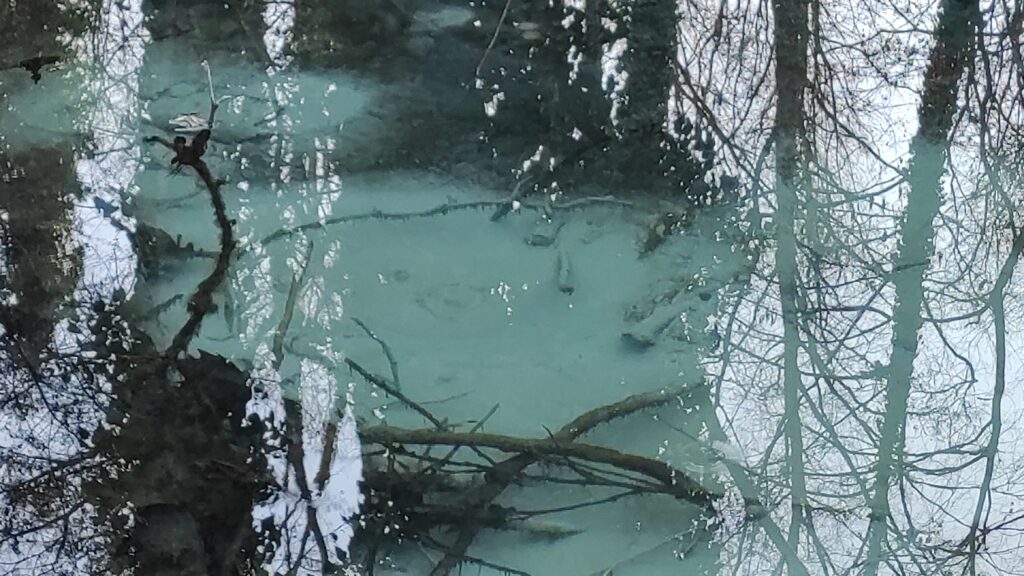
A spring is an emergence of the water table on the ground surface. It forms when waters from glaciers, rain, and snow penetrate the soils of the mountains and the High Plain, consisting of coarse-grained, highly permeable sediments such as pebbles, gravels, or gravels mixed with sands. The underground currents surface when they come into contact with the finer, less permeable sediments of the Low Plain, formed by clays and clays mixed with silt.
The filtering through the interstices of the gravelly subsoil of the High Plain, combined with the fine alluvial sediments that the groundwater stirs up when it surfaces, producing small bubbles, determines the crystal clarity of the springs. The constant temperature of the sources, known in dialect as ‘fontanassi’, ranges between 12 and 14 C°.
The purity of the spring waters, combined with the healthiness of the wetland where they arise, creates favorable conditions for the development of a complex treasure trove of faunal and plant biodiversity.
The fauna of Bosco Galileo
Until a few centuries ago, the Po Valley was covered by a vast forest expanse dominated by pedunculate oaks (Quercus robur), sessile oaks (Quercus petraea), and downy oaks (Quercus pubescens), in association with hornbeams (Carpinus betulus) and other tree and shrub species such as hazel, field and mountain maple, elm, and manna ash.
With the appearance of Neolithic populations, about 7,000 years ago, the first modifications of animal communities and their habitats began.
Over the centuries, industrial and urban expansion, combined with deforestation to expand arable land, has drastically reduced these forest formations, of which only a few fragments known as relict woods remain today.
The variability of forest microenvironments, in terms of tree and shrub species, tree age, canopy density, and the alternation of wooded areas and clearings, determines the number of species that can inhabit them.
Mammals in Bosco Galileo
The common vole
The common vole (Microtus arvalis) is a herbivorous mammal that feeds on seeds, fruits, leaves, bark, and roots. With a size ranging from 9 cm to 11 cm, plus 3-4 cm of tail, the common vole builds nests and underground tunnels at a depth almost never exceeding 30 cm.
The hedgehog
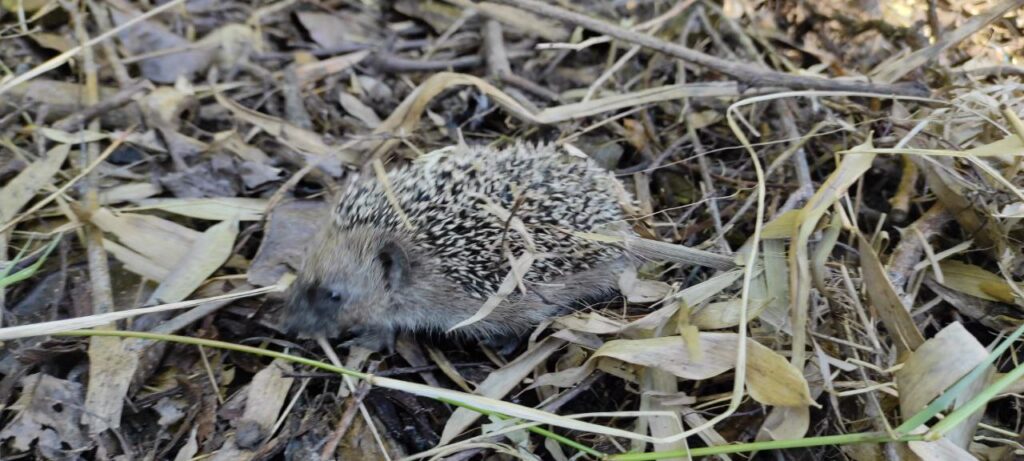
The European hedgehog (Erinaceus europaeus) is a small omnivorous mammal, whose diet includes vegetables, fruits, and insects such as beetles, caterpillars, millipedes, slugs, and earthworms, as well as woodlice, rarely young mice, carrion, and small eggs that birds brood on the ground.
A nocturnal, solitary, and territorial species, the European hedgehog lives on the edges of deciduous forests and bushy areas, but also in suburban and rural areas, in vegetable gardens and gardens, habitats where it finds stocks of hay, dry branches, and leaves, materials with which it builds its den.
The European hedgehog has a length ranging from 22 cm to 30 cm and has gray-brown fur. The adult has from 6,000 to 8,000 spines, modified hairs, hollow inside and made rigid by chitin, with which it protects itself from predators and falls.
The wood mouse
The wood mouse (Apodemus sylvaticus) measures 9 cm plus 9 cm of tail. This small rodent is mainly nocturnal and forms family groups. Fond of seeds, fruits, buds, mushrooms, insects, and snails, the wood mouse deposits food supplies in tunnels or burrows.
The fox
With a size of 60-80 cm plus 30-50 cm of tail, the fox (Vulpes vulpes) is an omnivorous mammal that feeds on invertebrates, small mammals, birds, eggs, and carcasses. Foxes weigh 8 to 10 kg and communicate via olfactory signals (urine, feces, and glandular secretions).
Amphibians, insects, and fish in Bosco Galileo
The agile frog
Observable along the riparian areas in relict lowland woods and in agricultural areas bordered by hedges and ditches, the agile frog (Rana dalmatina) owes its name to the speed of its leaps, which can reach up to two meters in length.
An anuran amphibian of the Ranidae family, the agile frog also adapts to dry soils and feeds on plant material in the larval stage, and insects when it becomes an adult.
With a maximum length of 9 cm, it has a slender body and a pointed snout. Males are smaller and have more robust limbs. The dorsal coloration varies from brown to yellowish to reddish; the belly is whitish, with a characteristic dark stripe from the eye to the corner of the mouth.
The common toad
Of the family Bufonidae is the common toad (Bufo bufo), typical of rural areas that retain hedges, woods, and uncultivated areas, but also present in parks and gardens. The tadpole’s diet is vegetarian, while the adult feeds on insects, earthworms, snails, and small vertebrates.
The common toad is the largest amphibian in Europe, with average sizes of 5-9 cm for males, and 8-15 cm for females.
The dorsal coloration tends to dark brown, with brown or blackish spots, while the belly is lighter.
The grass snake
The grass snake (Natrix natrix) is the most common European snake. It can be encountered along the banks of streams and ponds, in marshes and pools.
A non-venomous snake of the Colubridae family, the grass snake feeds on amphibians, fish, invertebrates, and small mammals. To defend itself, it secretes a nauseating substance from its anal glands.
Recognizable by the two light half-moons on its head, the grass snake is a skillful swimmer. During the cold season, it shelters in rock fissures, rodent burrows, and tree cavities.
Larger than males, females measure up to 150 cm.
Dragonflies
Dragonflies are Anisoptera insects, from the Greek ἄνισος (anisos) “unequal”, and πτερόν (pterón), “wing”), a suborder of Odonata characterized by hindwings wider than forewings.
Their biological cycle is divided into two phases: a larval, completely aquatic, and an adult, terrestrial and winged.
The thin neck, capable of turning in all directions, combined with the width of the eyes composed of thousands of ommatidia, gives dragonflies a very wide field of vision.
Legs and wings are attached to the thorax; the abdomen is thin and very long. The wings are very large, generally transparent.
Linked to the aquatic environment, dragonflies lay their eggs in water or on the stems of aquatic plants. Depending on the species, larval development can last from 1 to 4 years.
They feed on flies, mayflies, mosquitoes, and midges, which they catch in flight over bodies of water.
Water striders
Water striders (Gerris sp.) or pond skaters, move on the water surface using its surface tension.
Equipped with slender, elongated bodies and legs, they feed on both aquatic and terrestrial insects. When the latter fall into the water, they produce small waves on the surface that allow water striders to locate them.
The three-spined stickleback
Once, the three-spined stickleback (Gasterosteus aculeatus) was a common species in springs; today its presence has become much more sporadic due to profound environmental changes.
In the breeding season, the male attracts the female with the dazzling reflections of his silvery livery, guiding her to lay eggs in the nest he built with aquatic plants.
Avifauna of Bosco Galileo
The tawny owl
A nocturnal raptor 37 to 43 cm long, the tawny owl (Strix aluco) easily blends with tree bark thanks to the shade of its plumage that fades from gray to brownish-red. Its ability to camouflage allows it to surprise the small rodents, birds, amphibians, and invertebrates it feeds on.
The Eurasian blackcap
About 14 cm long, the Eurasian blackcap (Sylvia atricapilla) feeds mainly on insects and berries. The male is characterized by an ash-gray color, the female is brown, with a rusty-red or brown cap.
Of the Sylviidae family, the Eurasian blackcap is a nesting bird that prefers areas with dense undergrowth of brambles, elder, or climbing plants, among which it builds its nest.
The great tit
The great tit (Parus major) reaches 15 cm in length. Of the Paridae family, it is a sedentary bird that makes altitudinal movements during the bad season. It uses moss, hair, and feathers to build its nest inside cavities such as old trees or abandoned woodpecker nests.
The Eurasian blue tit
Also of the Paridae family is the Eurasian blue tit (Parus caeruleus). Very similar to the great tit in life habits, the Eurasian blue tit feeds mainly on insects such as butterflies, flies, grasshoppers, and their larvae, but also on invertebrates, seeds, and fruits.
10 to 12 cm long, it nests in cavities in trees or walls, and its nest is reused for years.
The little owl
The little owl (Athene noctua) is a nocturnal raptor of the Strigiformes order, birds that swallow prey whole and, after digesting it, regurgitate the remains.
The little owl measures 21 cm. It is characterized by yellow eyes and a wide, flattened head. The plumage is gray-brown speckled with white, darker on the upper part.
The long-tailed tit
Of the Aegithalidae family, the long-tailed tit (Aegithalos caudatus) is a sedentary bird, visible especially in winter, when it gathers in family groups to move in search of food. The nest, oval-shaped, is usually built among bushes using grass, moss, lichens, and spider webs. It feeds mainly on seeds and small fruits.
The common wood pigeon
With a length of 40 to 42 cm (Columba palumbus), the common wood pigeon feeds on seeds, berries, and fruits (in winter especially beech mast and acorns), sometimes small invertebrates.
The common chaffinch
The common chaffinch (Fringilla coelebs) uses its short, strong beak to break the seeds it feeds on, but also eats fruits and insects. The male has colorful plumage compared to the female, which is brownish-yellow.
A partial migrant, it is gregarious with other finches especially in winter, but not during the breeding season. The nest is cup-shaped, lined with moss, lichens, and feathers.
The Eurasian jay
Of the Corvidae family, the Eurasian jay (Garrulus glandarius) is a sedentary bird that frequents mainly deciduous forests. Its diet includes acorns, cereals, hazelnuts, and other plants, as well as insects, eggs, and small animals. It has the habit of burying seeds to create food supplies.
The Eurasian jay is about 33 cm long, has a croaking voice, and can imitate the songs of other birds or sounds.
The great spotted woodpecker
The great spotted woodpecker (Dendrocopos major) is a sedentary bird that lives both in forests and in artificial wooded environments. With a length of about 22 cm, it feeds on fat-rich seeds and wood insects.
To drill wood and catch prey, the great spotted woodpecker uses its robust chisel-shaped beak and long tongue respectively. The latter, wrapped around the skull, protects the brain from impacts caused by beak strokes during nest creation, whose entrance hole has a diameter of about 5 cm and a depth of 30 cm.
The European green woodpecker
With a length of about 32 cm, the European green woodpecker (Picus viridis) frequents various wooded environments, preferring open woods. It feeds on ants, larvae, and other insects found in tree trunks. Its nest has an entrance hole of 6 cm and a depth of 38 cm.
It is characterized by an undulating flight with long pauses with wings closed. Its call resembles a loud laugh: kyu-kyu-kyu-kyu.
The Eurasian golden oriole
With a length of 23 cm, the Eurasian golden oriole (Oriolus oriolus) is characterized by rapid flight with long undulations and swoops to reach the perch. It prefers wooded areas with deciduous trees, on which it builds its nest at the intersection of two or more branches.
The male is distinguished by black wing plumage and a golden yellow livery, while the female and young specimens have an olive-green coat and a brown beak.
Flora in Bosco Galileo
Sedge
Sedge (Carex sp. pl.) is a hygrophilous plant that forms dense associations along the edges of watercourses. The inflorescences are similar to spikelets at the top of the stem. Rigid and sharp, the triangular-section leaves were cut and dried to stuff chairs, cover flasks externally, obtain litter for livestock, and as fuel.
Cladium mariscus
Cladium mariscus (Cladium mariscus) is a plant of the Cyperaceae family characterized by a robust, hollow stem and alternate, serrated, sharp leaves, with a protruding central rib on the lower part.
Horsetail
Horsetail (Equisetum sp. pl.) is a genus of ferns of the Equisetaceae family. At the end of winter, leafless woody stems appear, destined for reproduction. In summer, vegetative stems grow with groups of leaves at the nodes.
Plant species similar to horsetails were present on Earth already 350 million years ago. Horsetail is also known as ‘coda cavallina’. Its etymology derives from Latin “Equus, i”, meaning horse, and “saeta, ae” (bristle, hair, seta).
Horsetail is a plant rich in mineral salts, silicon, potassium, calcium, magnesium, and zinc, as well as flavonoids, saponins, phytosterols, and alkaloids.
Tree vegetation in Bosco Galileo
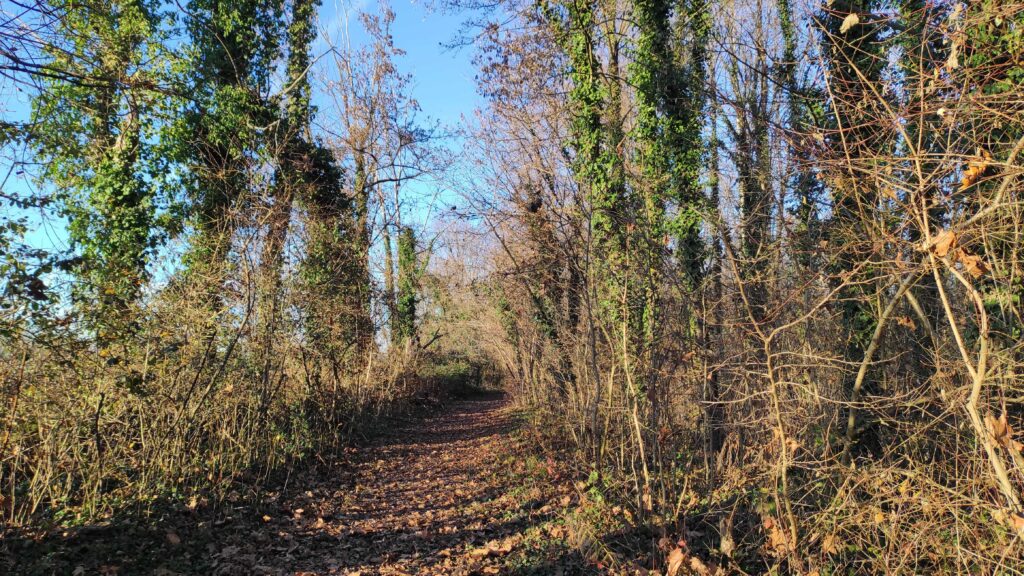
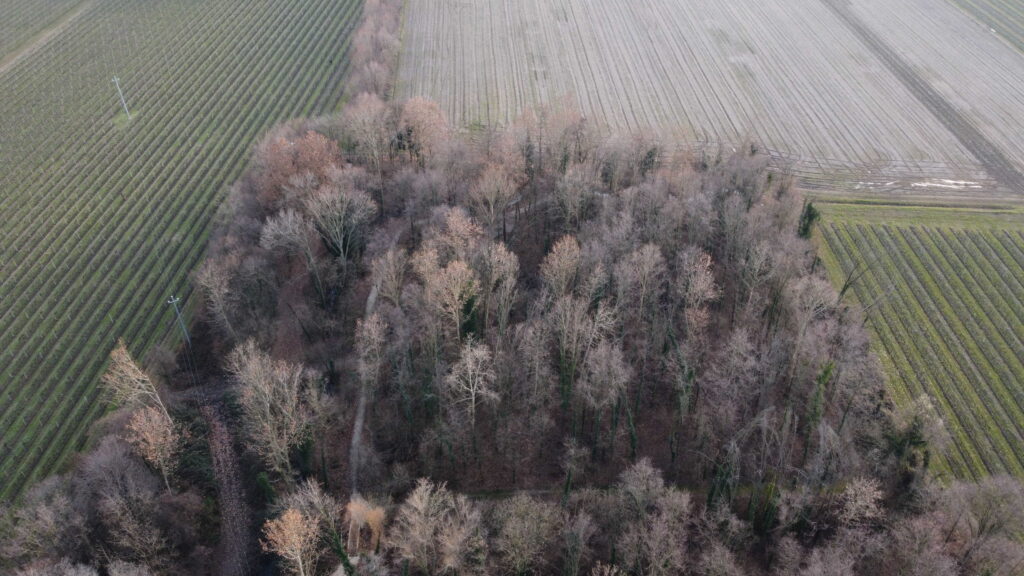
Covering 2.51 hectares, Bosco Galileo is divided into three sectors recognizable by their floristic composition: a mixed forest area, one with a prevalence of oaks (Quercus) and alders (Alnus), and one with a prevalence of oaks and ashes (Fraxinus).
Hornbeam
Of the approximately twenty-four known species of hornbeam, the most widespread is the European hornbeam (Carpinus betulus), a tree of the Betulaceae family characterized by a slightly fluted, smooth, light trunk; the leaves are ovate or oblong, acute with a doubly serrated margin.
The word ‘hornbeam’ probably derives from ‘carpentum’, a Latin word indicating a carriage or two-wheeled cart used for solemn occasions, or a war chariot, built with this quality of wood.
The genus Ostrya also includes the black hornbeam (O. carpinifolia), a rustic species resistant to fires, used as a pioneer species to colonize clearings and denuded areas.
Ash
Capable of reaching thirty meters in height, the ash has a dense, rounded crown, with deciduous, lanceolate, serrated leaves, imparipinnate (the term imparipinnate refers to the pairing of leaves on the sides of the rachis, at whose apex a solitary leaf grows). The trunk, with a slender bearing, has light gray bark.
Belonging to the Oleaceae family, ash takes its name from the Greek φράγμα (phrágma), meaning ‘closure’, ‘barrier’, ‘hedge’, perhaps in reference to the dense crown that characterizes it. The most widespread species in Europe are the common ash (F. excelsior), the manna ash (F. ornus), and the narrow-leafed ash (F. oxycarpa), whose name derives from the Greek ὀξύς (oxýs), ‘sharp’, ‘pointed’, and καρπός (carpós), ‘fruit’, referring to the pointed shape of the samara.
Present mainly in southern Europe, Asia Minor, and between Tunisia and Morocco, the latter is also known as southern ash (Fraxinus angustifolia), referring to its narrow leaves (angustus, folium).
The resistant and flexible wood of ash is suitable for the construction of oars, skis, agricultural tools, planks, weapons, spears, and bows due to its ability to absorb vibrations and impacts. The leaves, collected at the end of June and dried, have been used since ancient times to prepare infusions with diuretic, analgesic, antioxidant, and anti-inflammatory properties.
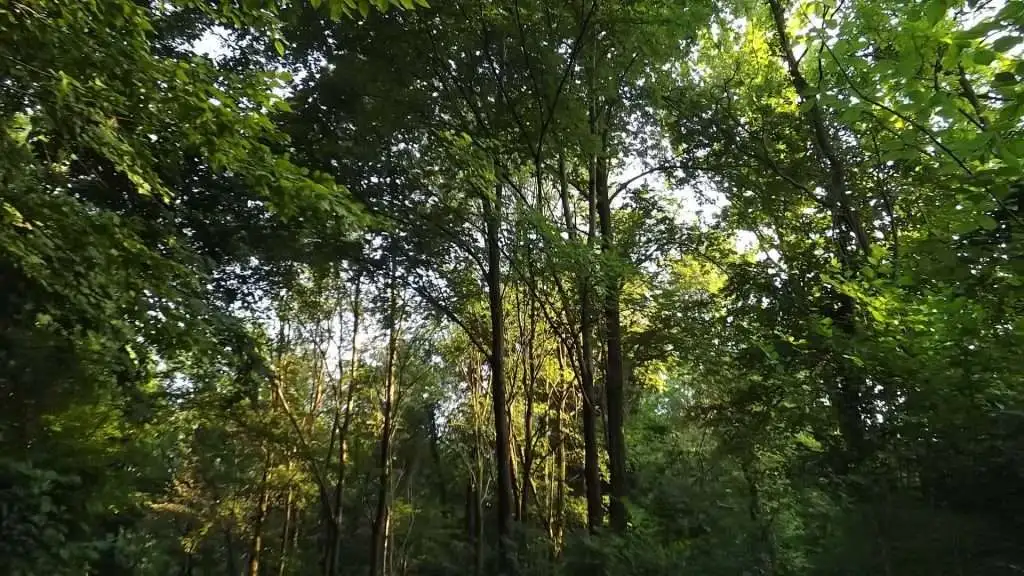
In spring, the common ash (or European ash) is easily recognizable by its small, dark purple flowers, called samaras, grouped in pendulous panicles with a single elongated wing. Once fallen to the ground, the samaras germinate no earlier than 17-18 months.
In addition to dogwood, hazel, and hawthorn, one cannot fail to mention the black alder, from which the nearby Bosco degli Ontani takes its name.
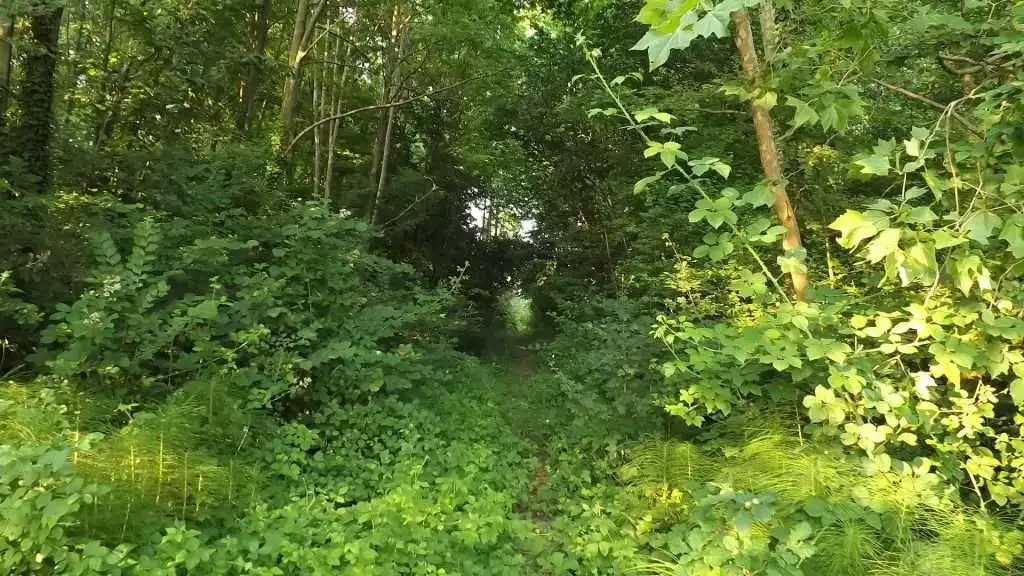
Alder
Also of the Betulaceae family, the black or common alder (Alnus glutinosa) is ideal for reclaiming poor, damp, and unhealthy soils thanks to the bacteria contained in its twisted roots, capable of assimilating atmospheric nitrogen and transferring it to the plant.
The male catkins are cylindrical, the female ones globular, formed by woody scales similar to small pine cones.
Maple
Able to live even in the undergrowth, the field maple (Acer campestre) is a tree of the Sapindaceae family, whose height reaches 8-10 meters.
The etymology of the word ‘maple’ derives from the Latin adjective ‘acer’, meaning sharp, with possible reference to the pointed shape of the leaves and crown.
Pedunculate oak
Oaks are divided into evergreen and deciduous oaks. Belonging to the latter group, the most widespread European species is the pedunculate oak (Quercus robur and Pedunculata), recognizable by its obovate leaves with lobed margins and very short petioles of 4-5 mm.
Capable of reaching 50 meters in height, the pedunculate oak is a very long-lived tree that averages over 300–400 years, but can also exceed 600. Attached to a long, thin stalk, the acorns have a greenish, hemispherical cup.
Its wood is among the most prized for furniture, barrels, and parquet floors.
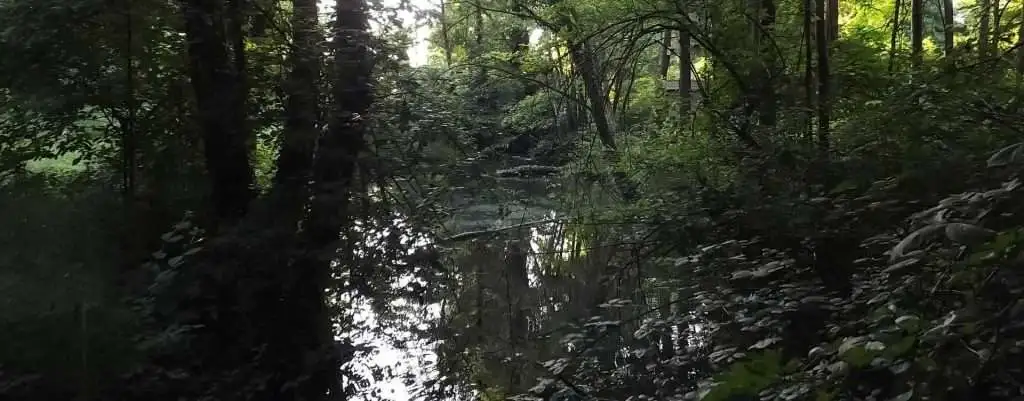
Shrub vegetation in Bosco Galileo
Dogwood
Dogwood (Cornus sanguinea) is a shrub of the Cornaceae family, whose name derives from the reddish shade of its branches and the purplish color of the leaves. These are oval with a pointed tip and have curved veins.
Between May and June, white, fragrant flowers appear. If the climate is favorable, there is a second bloom in September and October. Between the end of August and October, the fruits ripen, small inedible drupes whose color ranges from green to blackish-blue.
Hazel
Hazel (Corylus avellana) belongs to the Betulaceae family. The genus name derives from the Greek kòris (κορύς), helmet, in reference to the husk covering the hazelnut. The seeds, raw or roasted, are ideal for extracting edible oil and for producing sweets, cosmetics, and soaps.
Hazel prefers a mild climate but resists relatively low temperatures. Its growth is favored by neutral, fertile, medium-textured soils. Its root system is suitable for consolidating landslide slopes and road embankments.
The soft wood is excellent in cabinetmaking for small craft works and is an excellent fuel.
Characterized by an erect trunk thickened at the base, hazel is a bushy-growing species, with deciduous, alternate leaves, with a toothed-serrated margin, heart-shaped at the base, pointed at the tip.
Hawthorn
In March along the path
of the fountain
the hedge has woken
all white,
but that is not snow,
it is: hawthorn
trembling at the first
puffs of morning.
Hawthorn. Umberto Saba
Belonging to the Rosaceae family, hawthorn (Crataegus monogyna) is a bushy, thorny shrub whose scientific name derives from the Greek κραταιός (krataios), meaning ‘strong’, ‘powerful’, in reference to the robustness and longevity of the plant, and ὀξύς (oxys), meaning sharp, to indicate the prickles on the branches.
The deciduous leaves are alternate, oval or rhomboidal. They have three to seven lobes with a toothed tip.
From March to June, white, fragrant flowers appear, gathered in corymbs with five petals with a rounded margin and fifteen to twenty purplish stamens.
In autumn, it fills with clusters of small, round, fleshy red drupes, containing a yellow-brown seed.
Blackthorn
Also of the Rosaceae family is the blackthorn (Prunus spinosa), a spontaneous shrub belonging to the same genus as cherry, apricot, almond, and peach.
Between 2.5 and 5 meters tall, blackthorn has deciduous, ovate, dark green leaves. From March to early April, the branches are covered with a white floral mantle. Between September and October, the fruits ripen, roundish drupes of red-purple color covered with a patina called bloom.
Excellent for preparing jams, preserves, sauces, jellies, liqueurs, and syrups, the plums contain a single hard seed, have fleshy, succulent pulp, rich in vitamin C, tannins, and fiber, to which they owe their diuretic and purifying properties.
Spindle tree
The scientific name of spindle tree (Euonymus europaeus) derives from the ancient Greek Εὐώνυμον (euṓnymon), composed of εὖ (éu), ‘well’, and ὄνομα (ónoma), ‘name’, ‘reputation’, ‘fame’, ‘glory’.
Already cited by the Greek botanist and philosopher Theophrastus (4th century BC), the term Euonymus could be translated as ‘of good fame’, ‘of good name’, or ‘of good omen’, a superstitious name linked to the toxicity of this plant, poisonous in all its parts.
Characterized by an erect stem, this deciduous shrub reaches a height of three to eight meters, has ovate-lanceolate leaves, with a pointed tip and serrated margin. In late spring, hermaphroditic, white-greenish flowers appear.
Spindle tree is also known as ‘berretta del prete’ (priest’s cap) for the shape of its small autumn fruits, red-orange in color, similar to the headdress of cardinals.