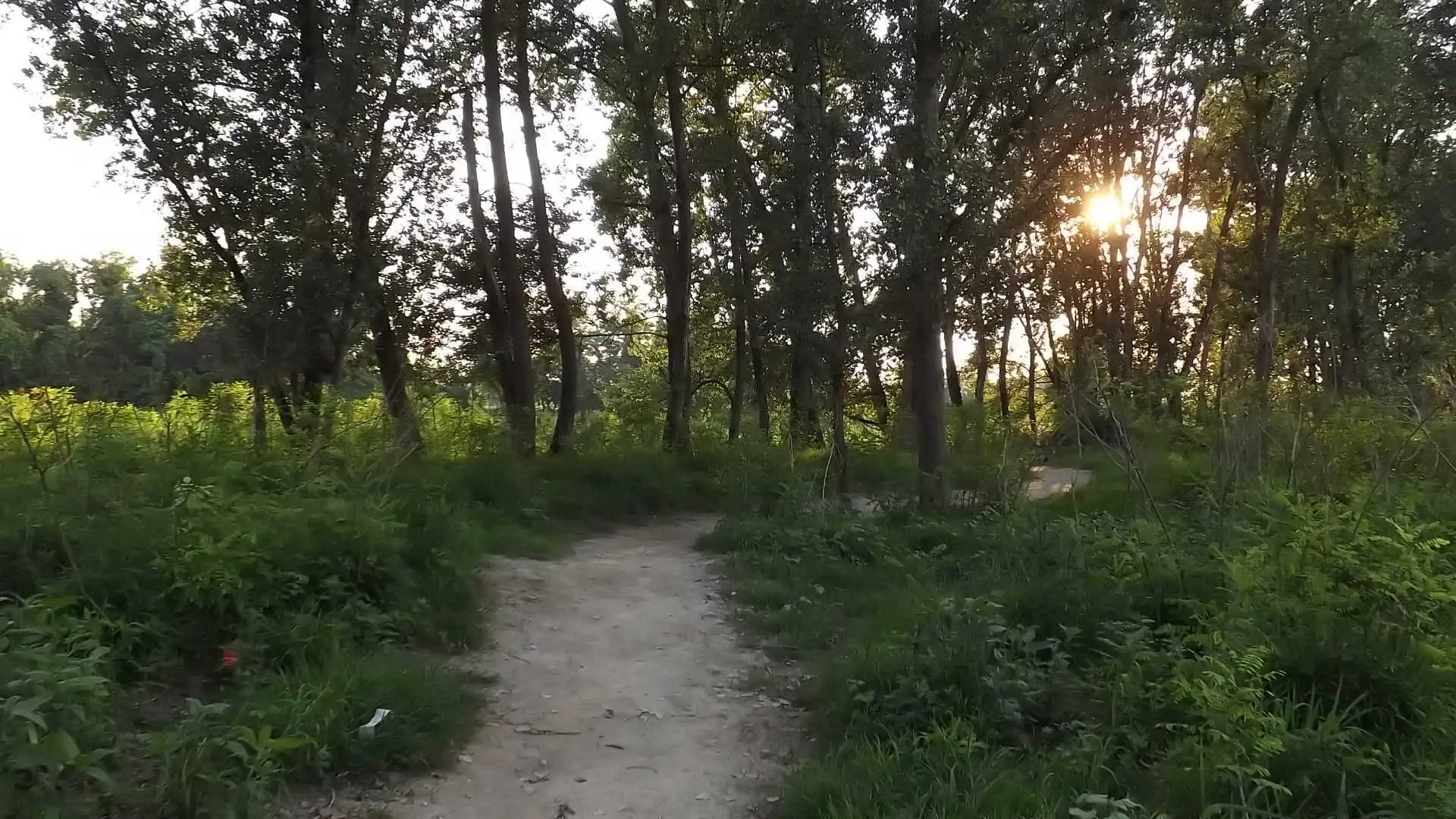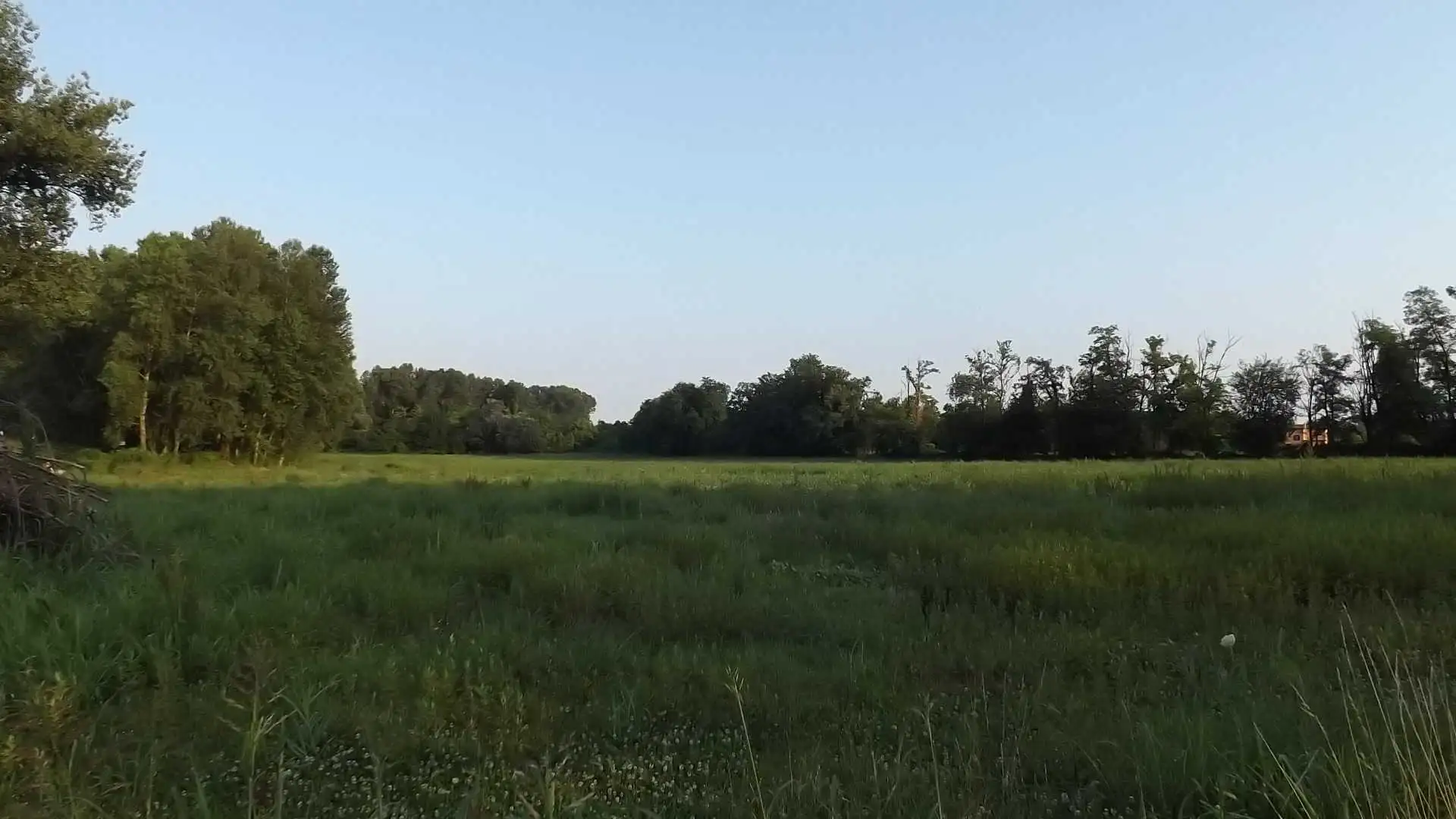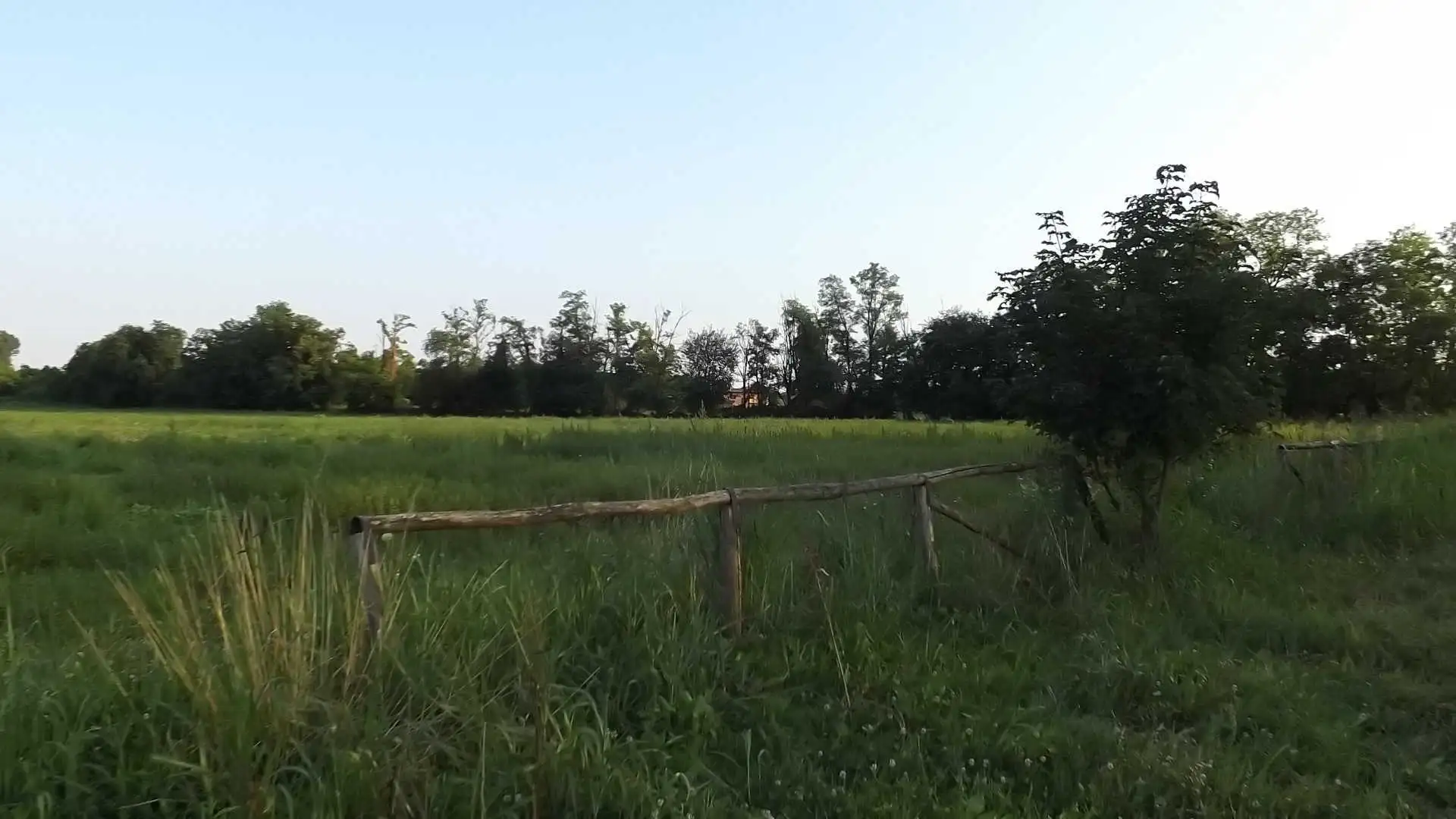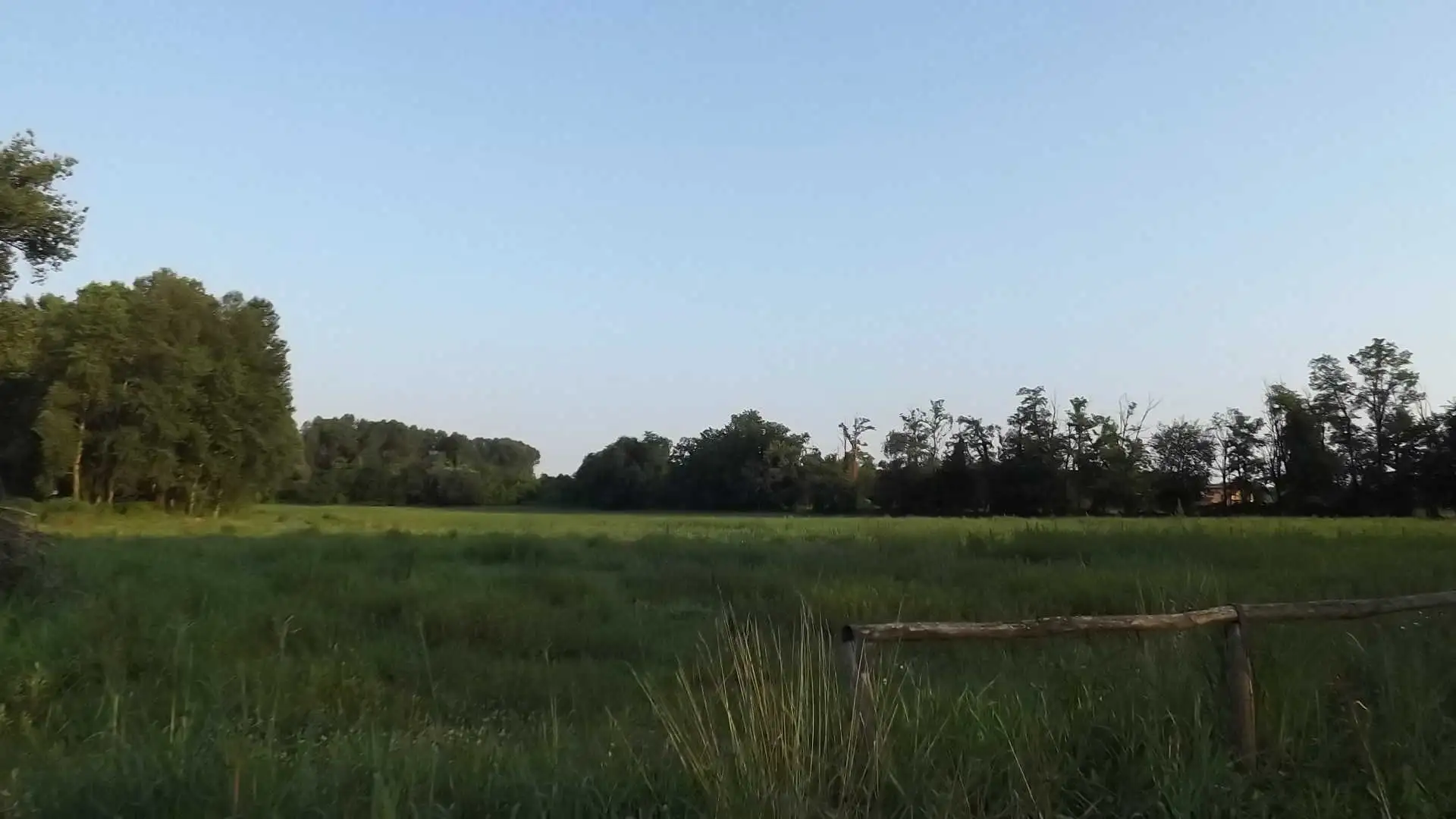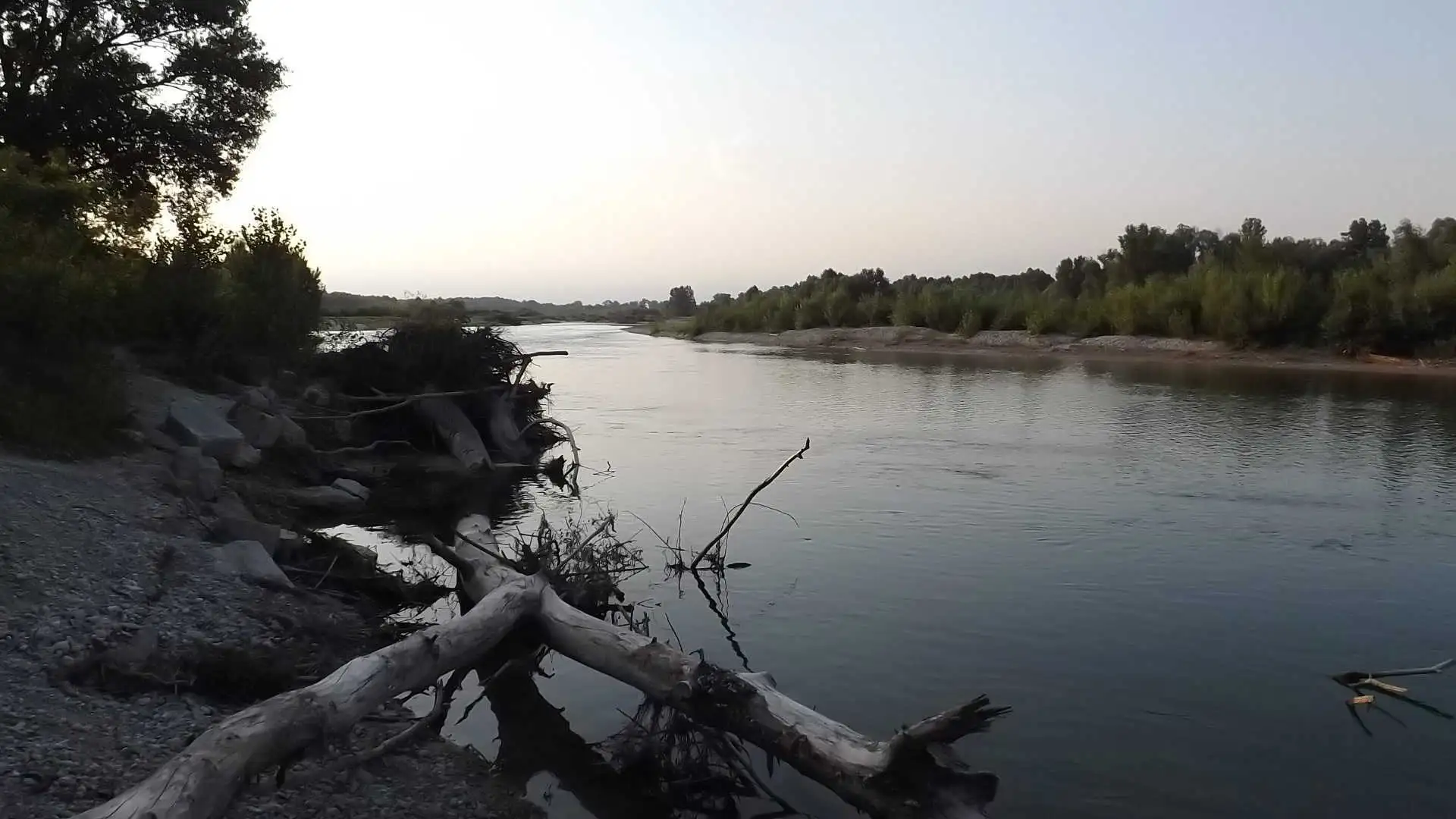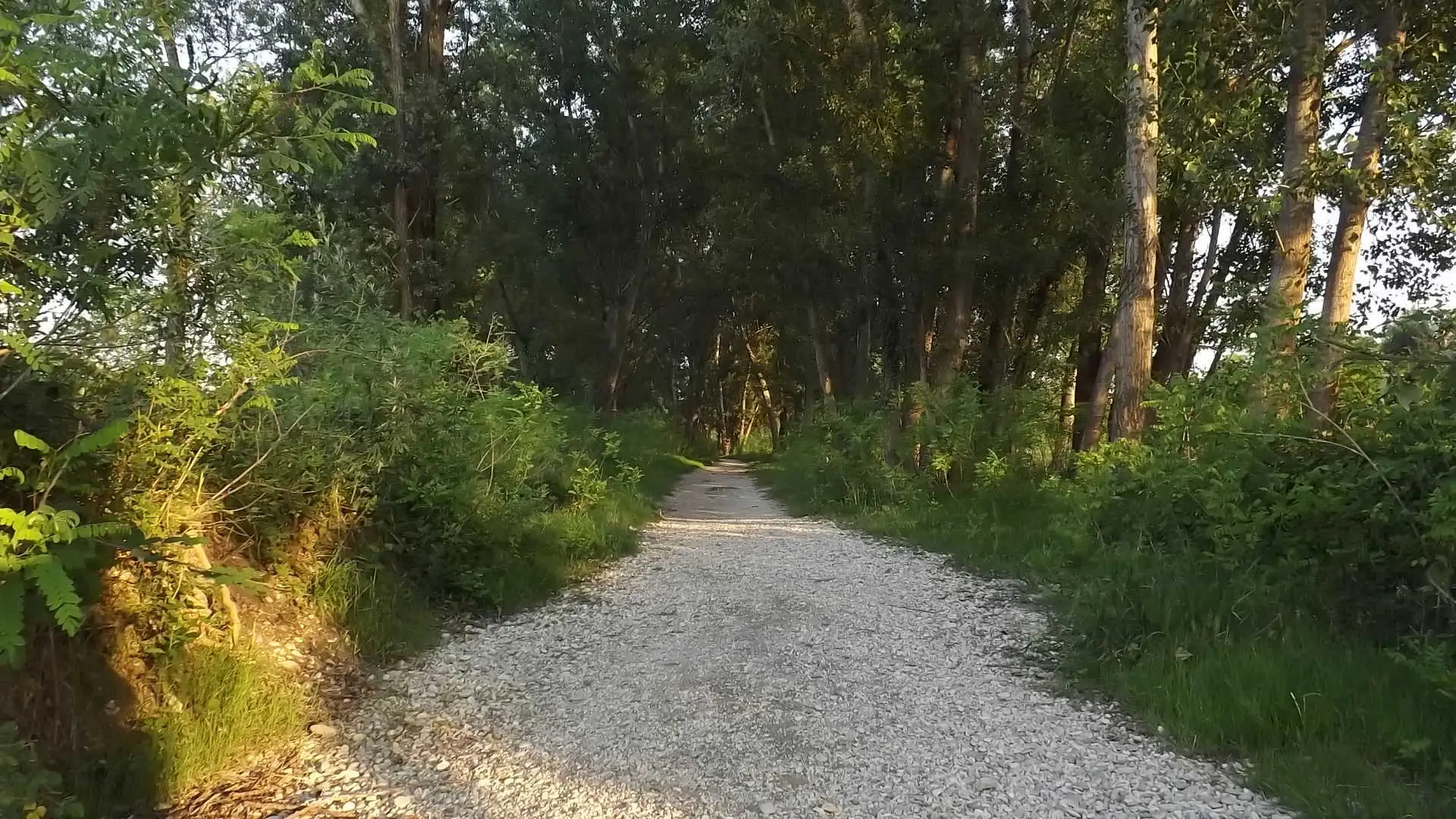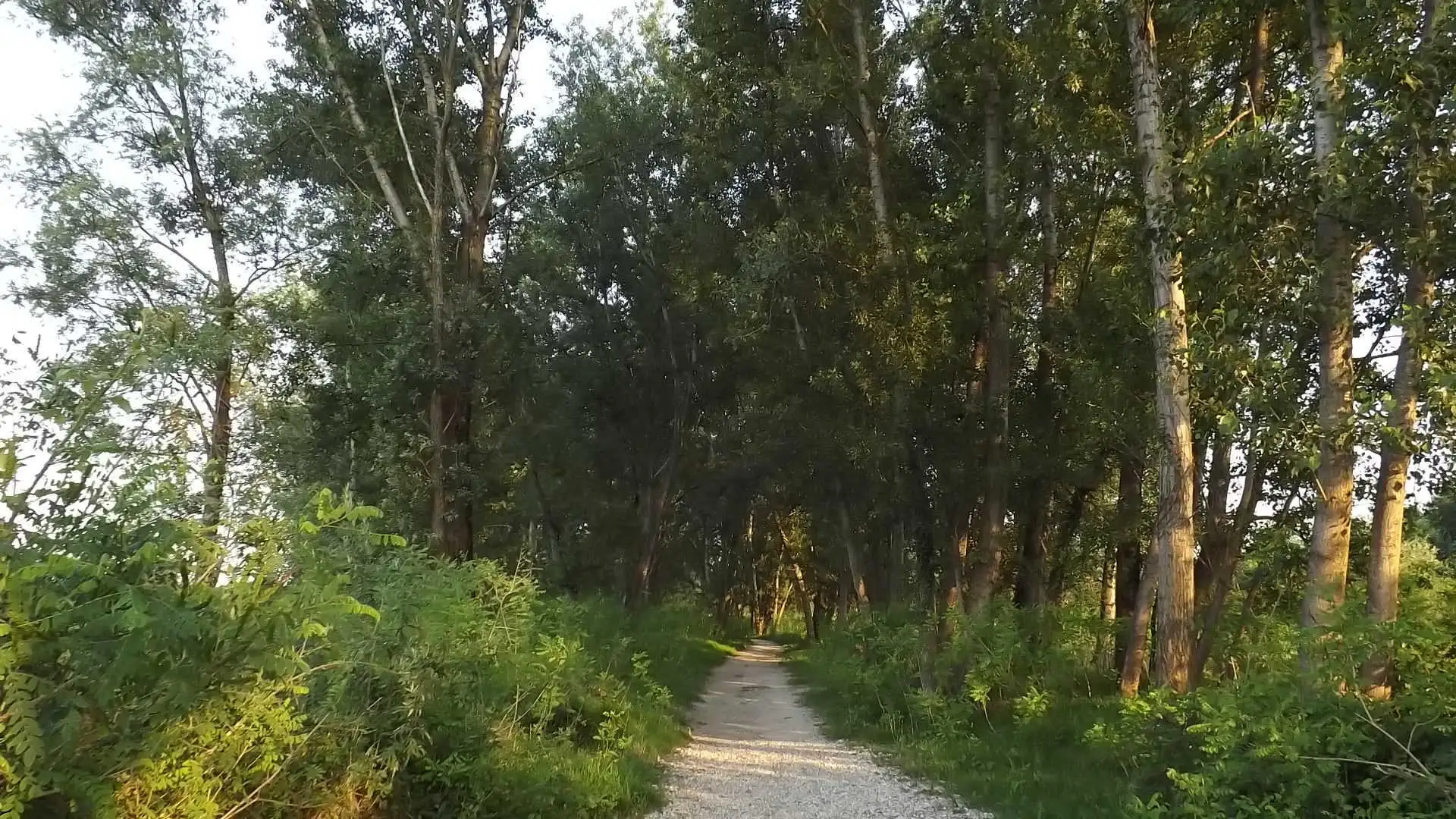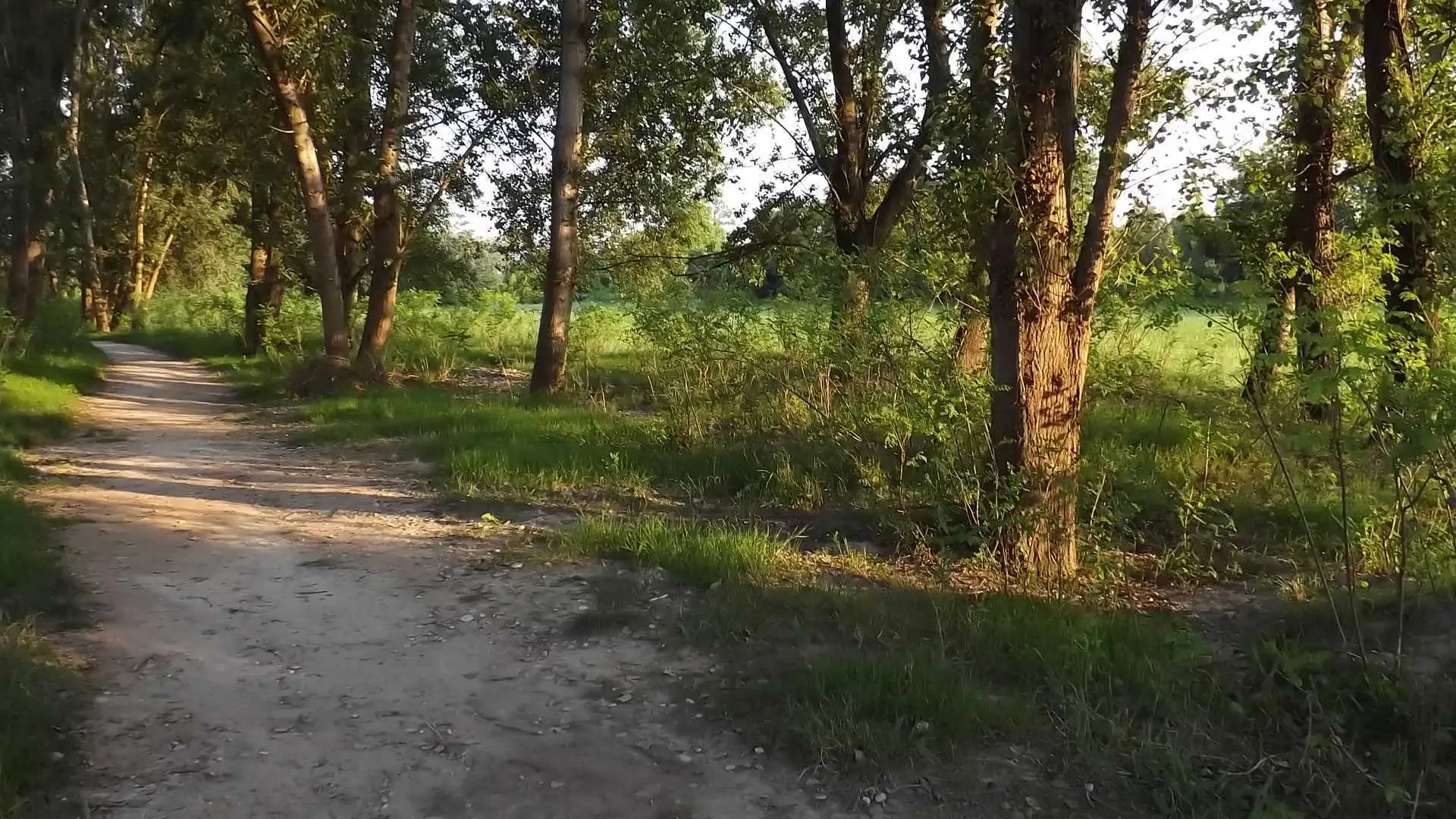

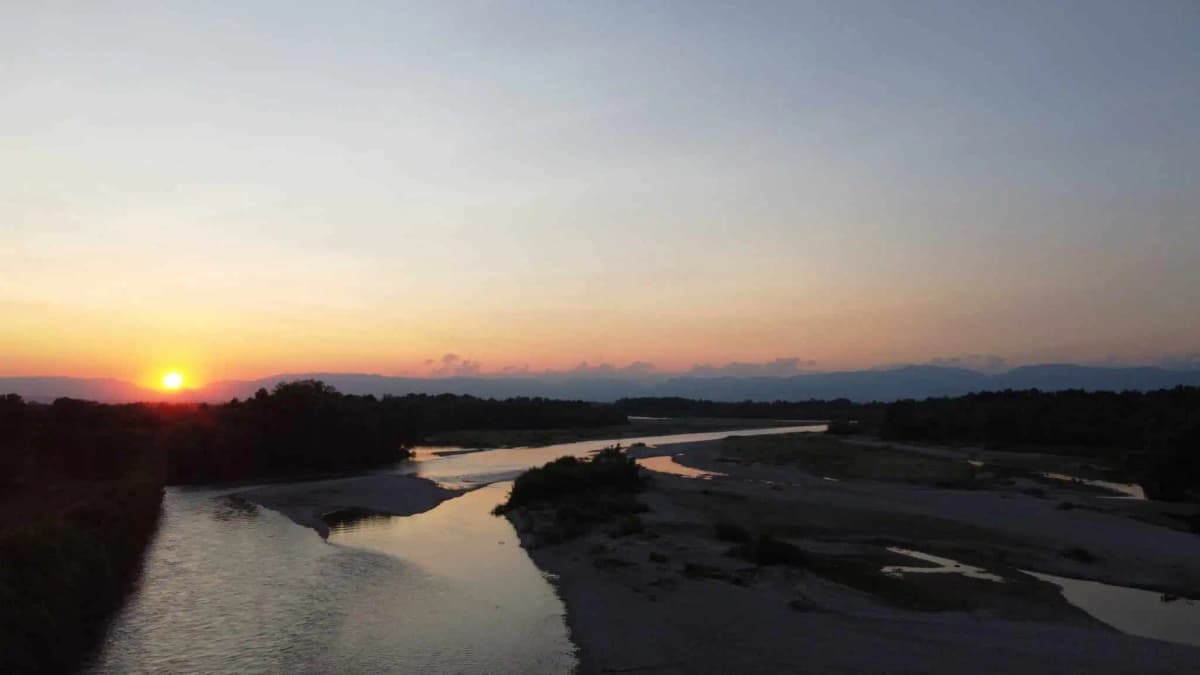
Territory of the Municipality of Breda di Piave
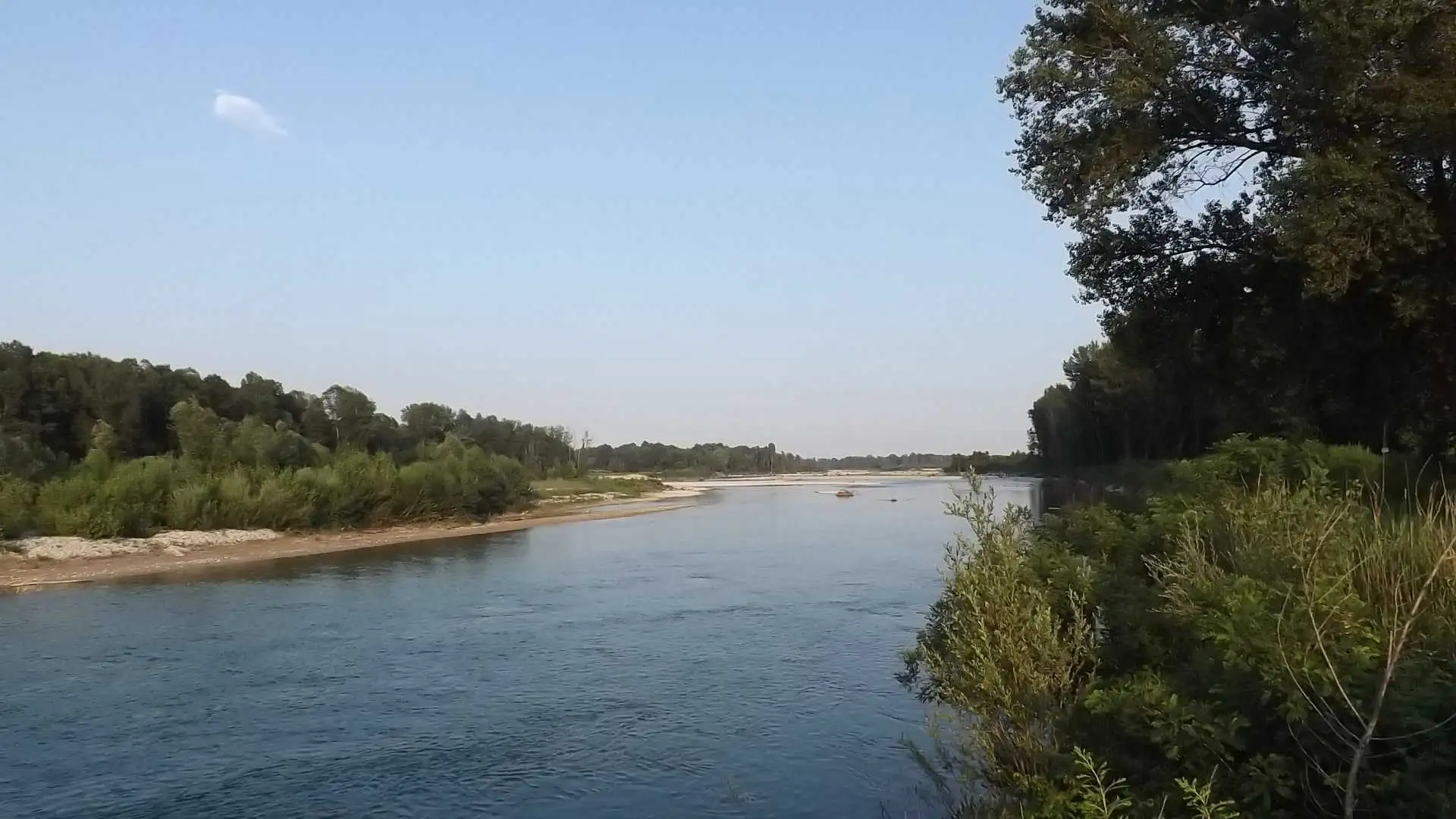
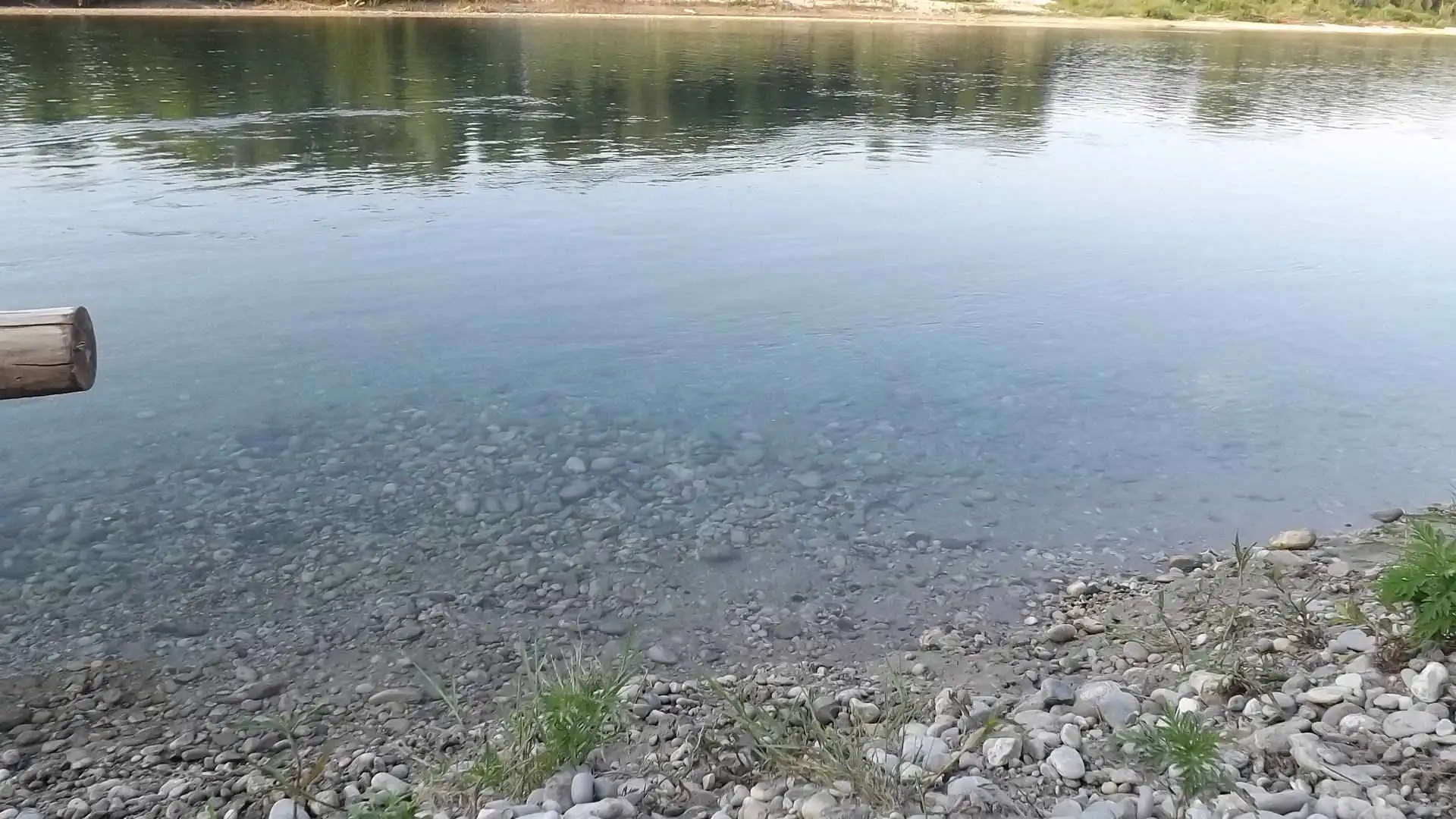
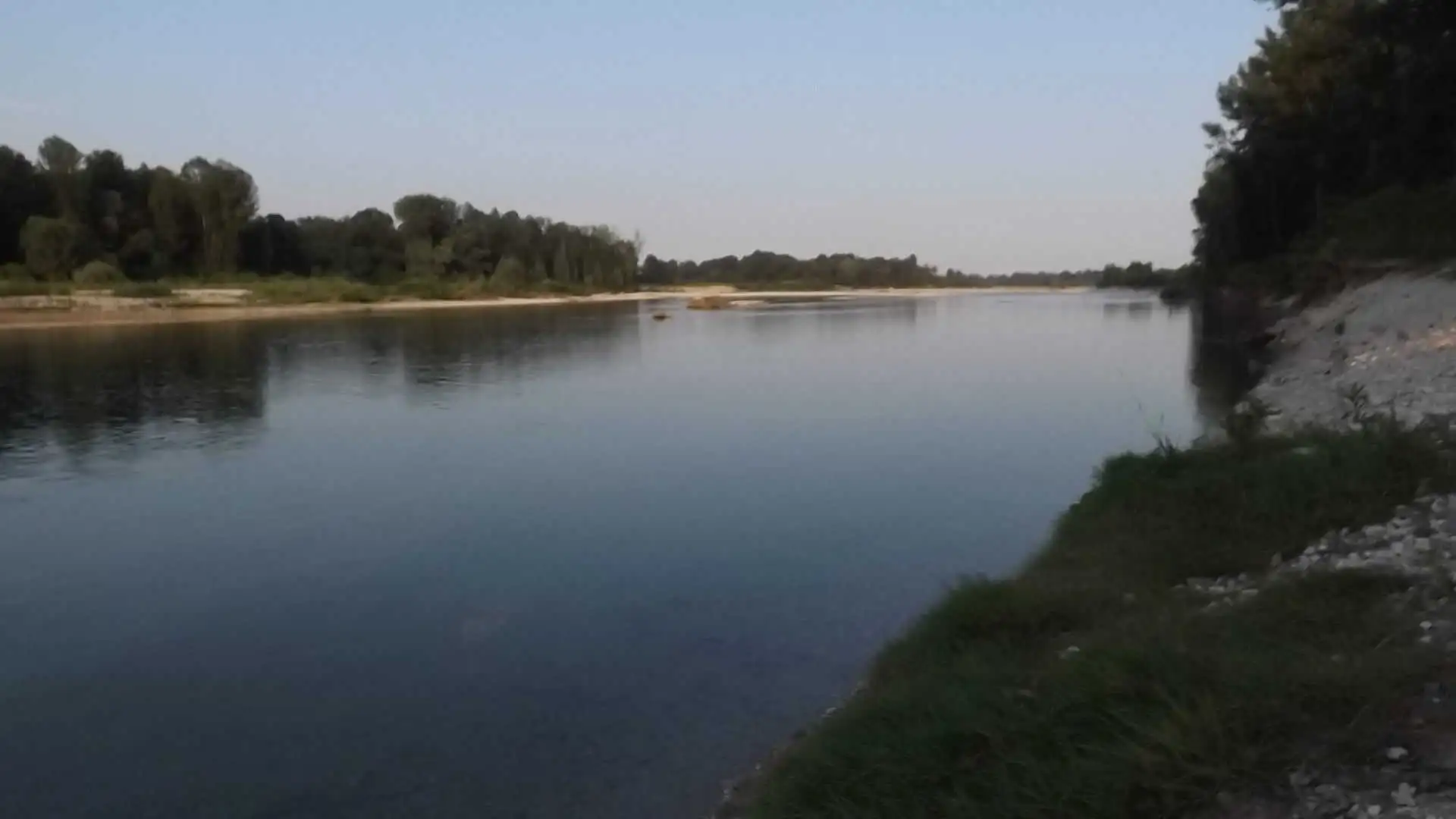
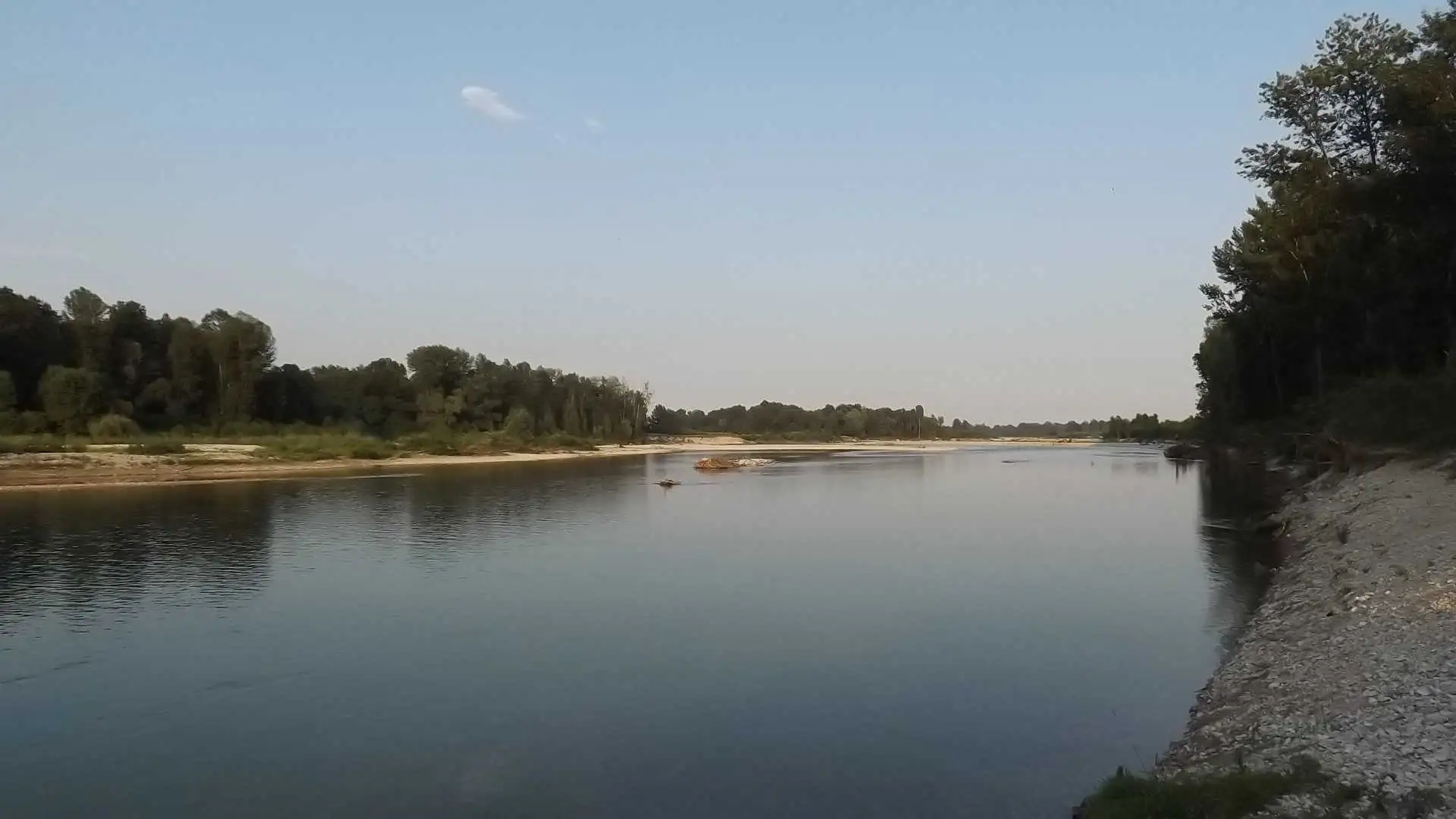
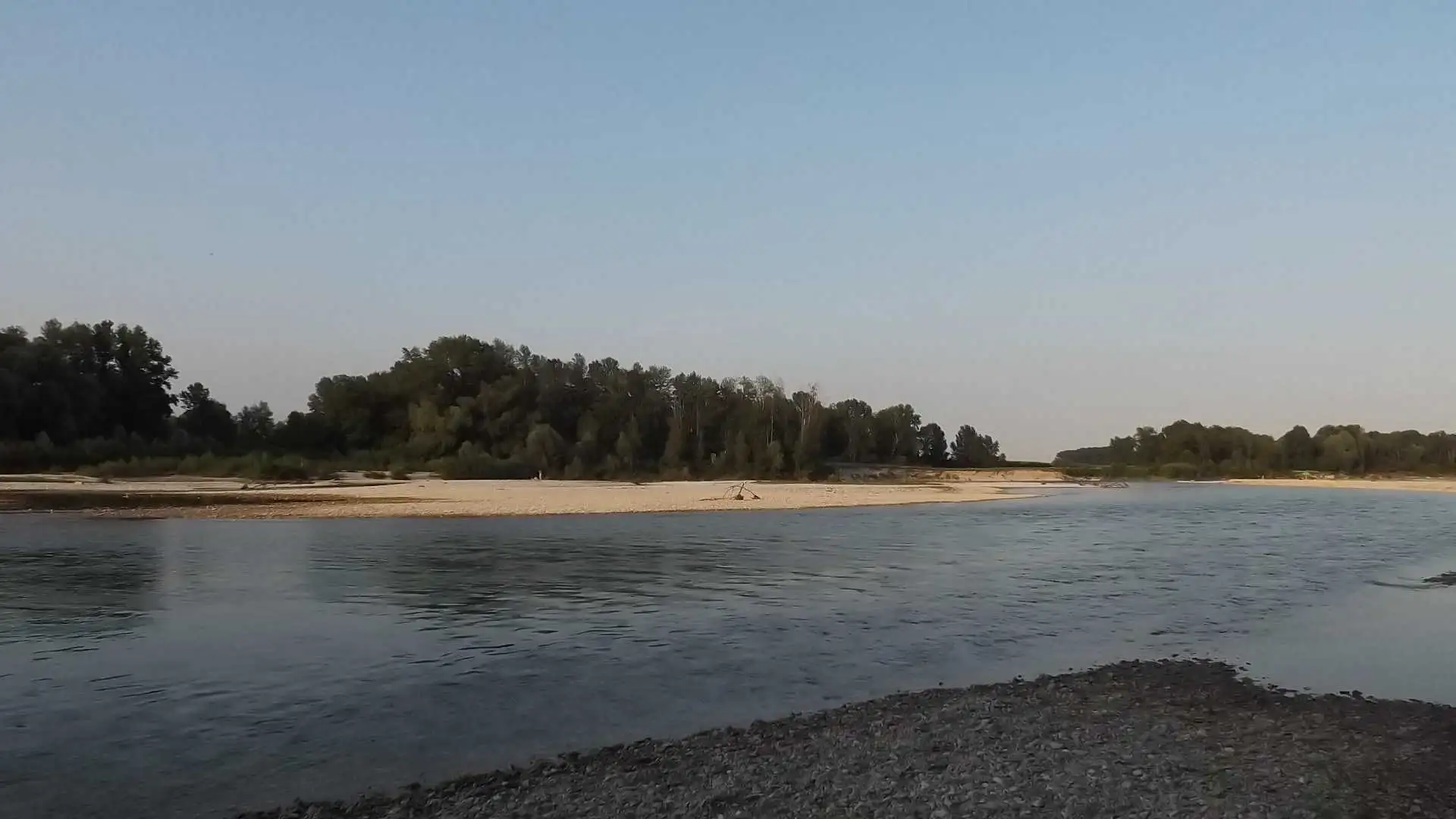
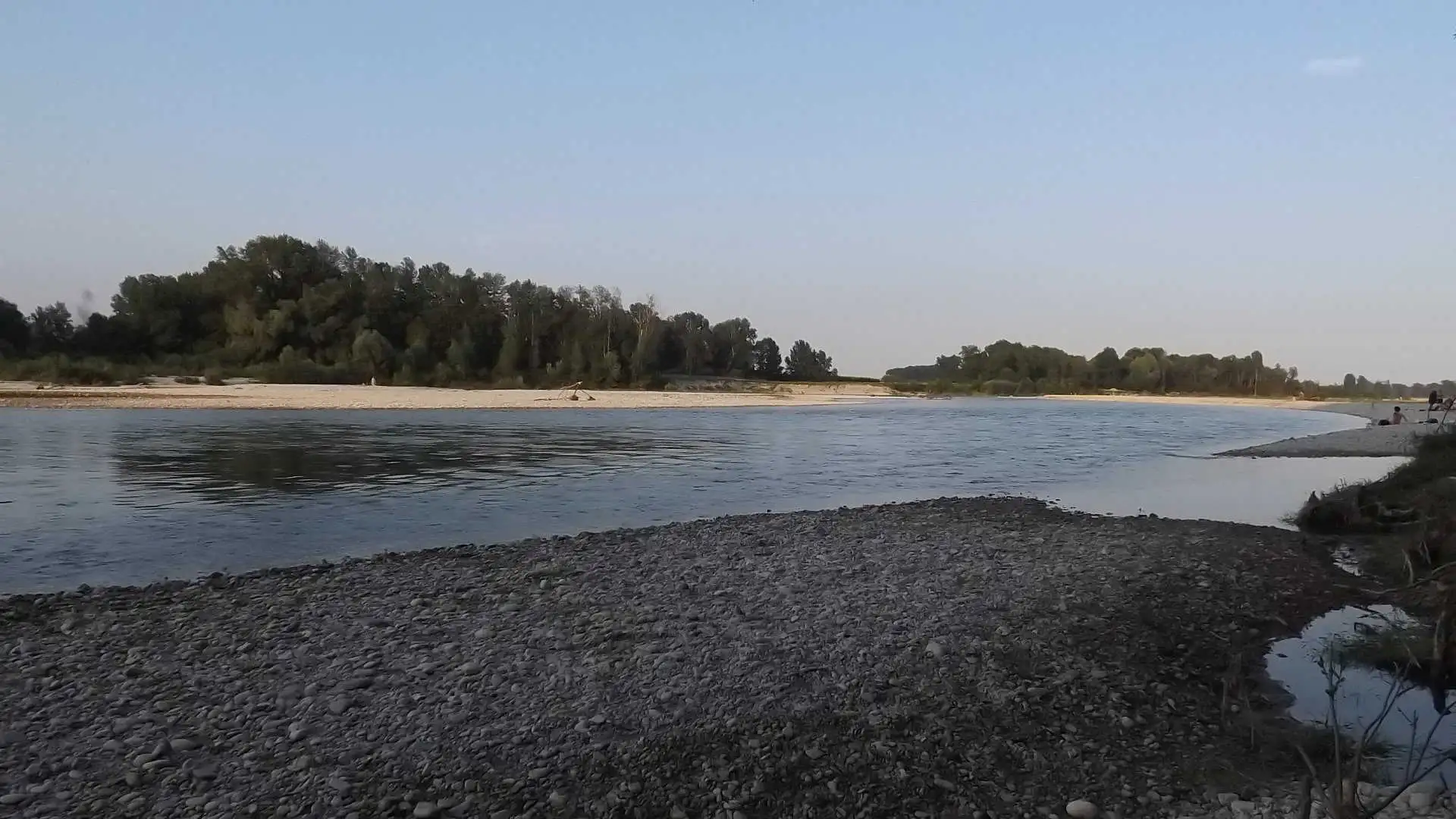
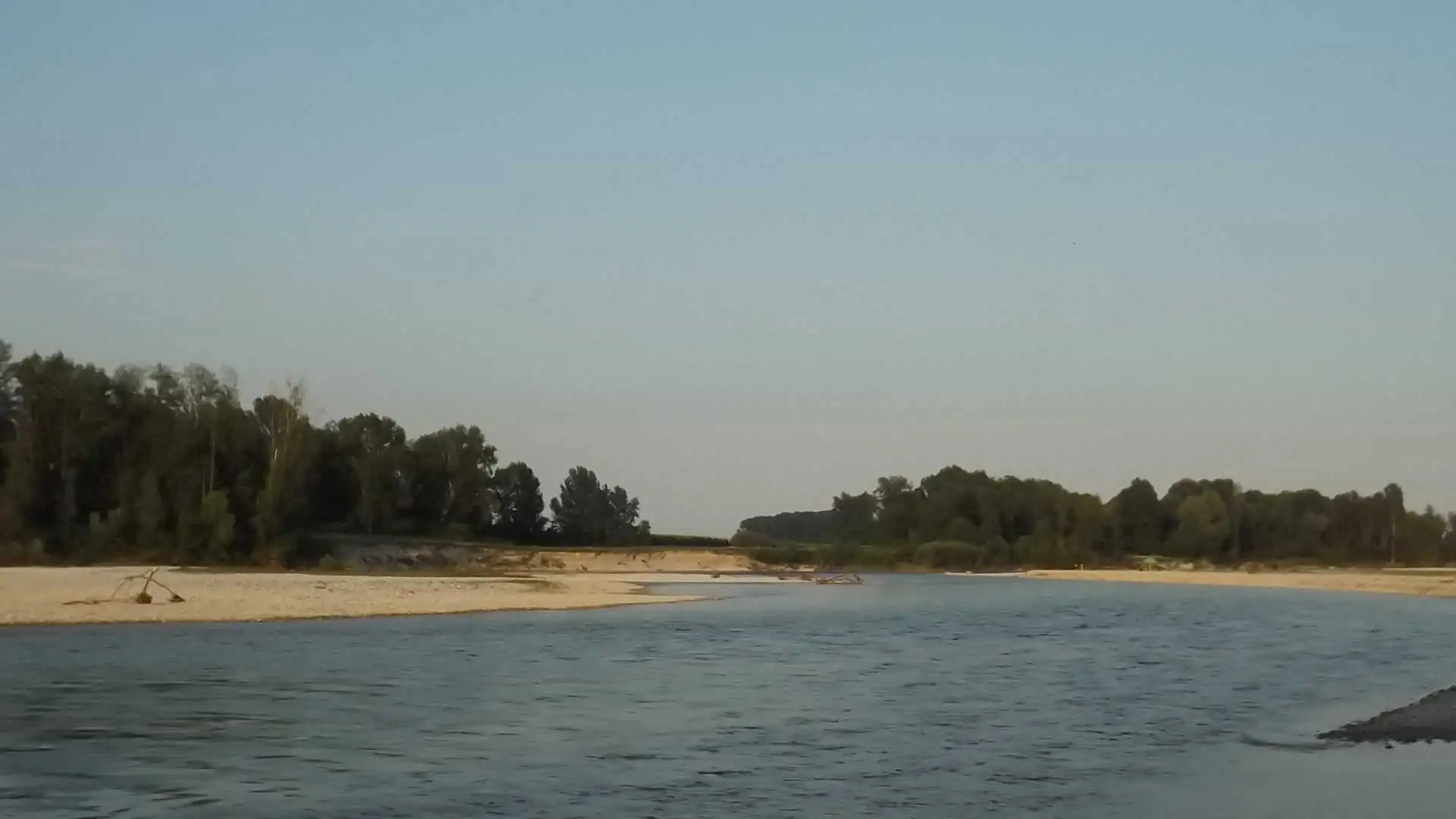
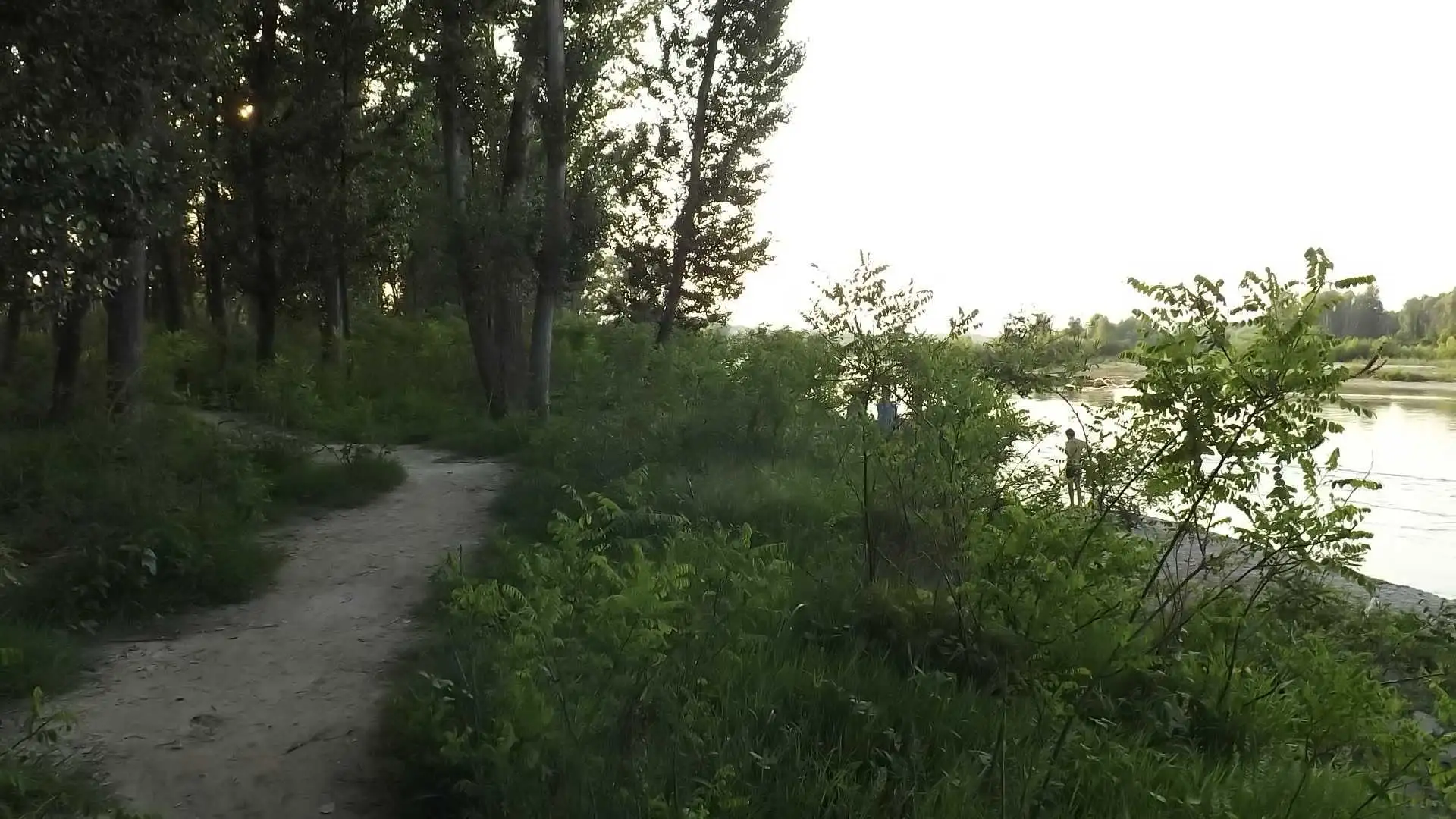
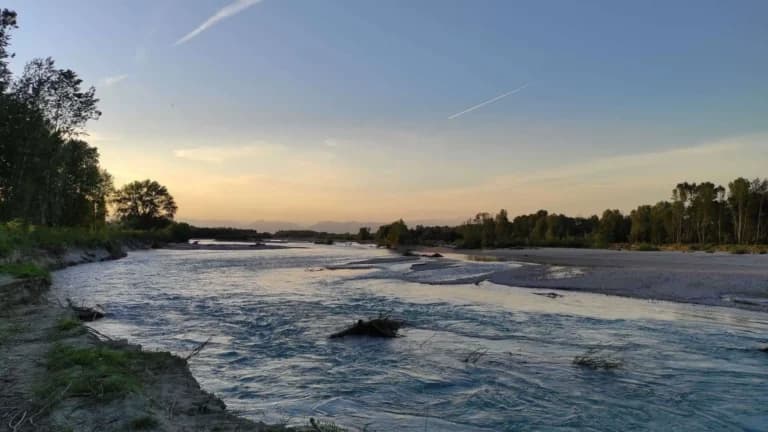
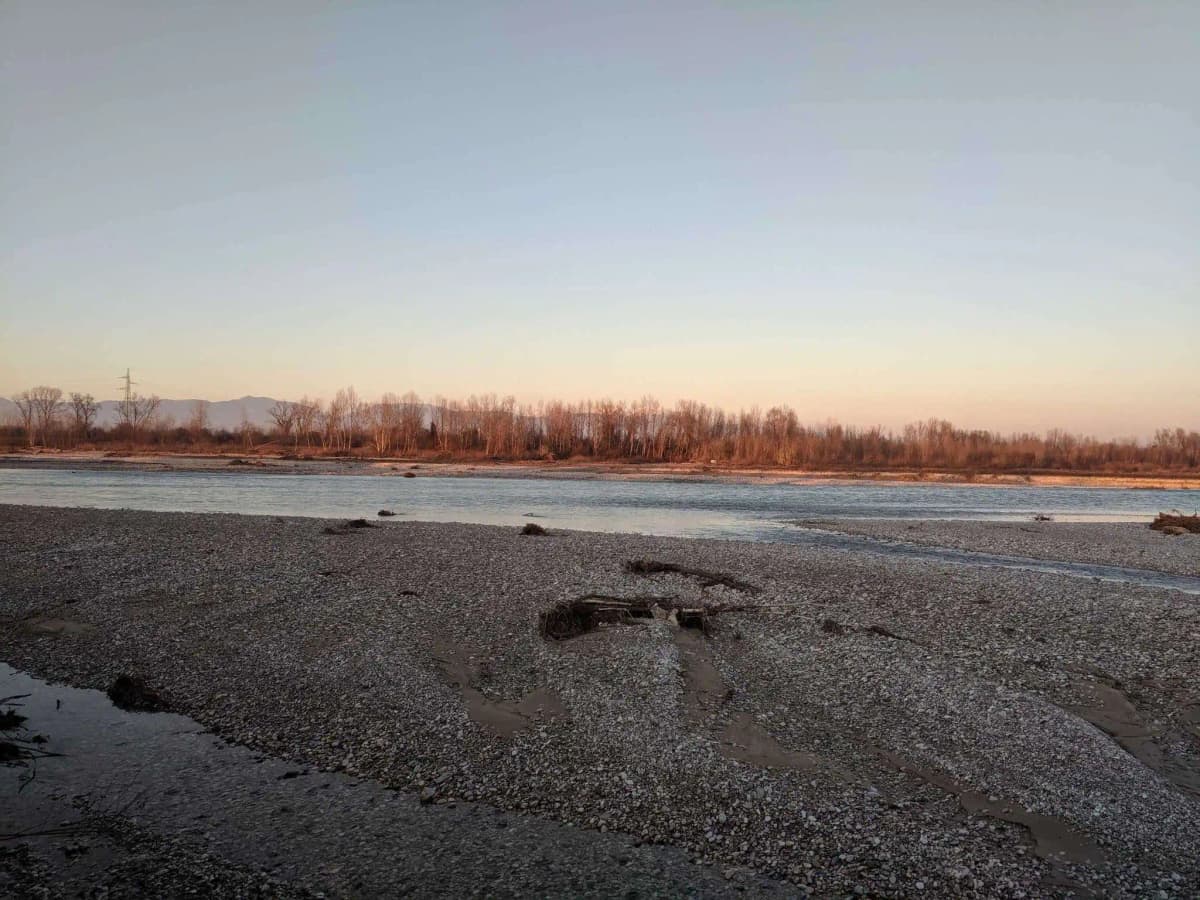
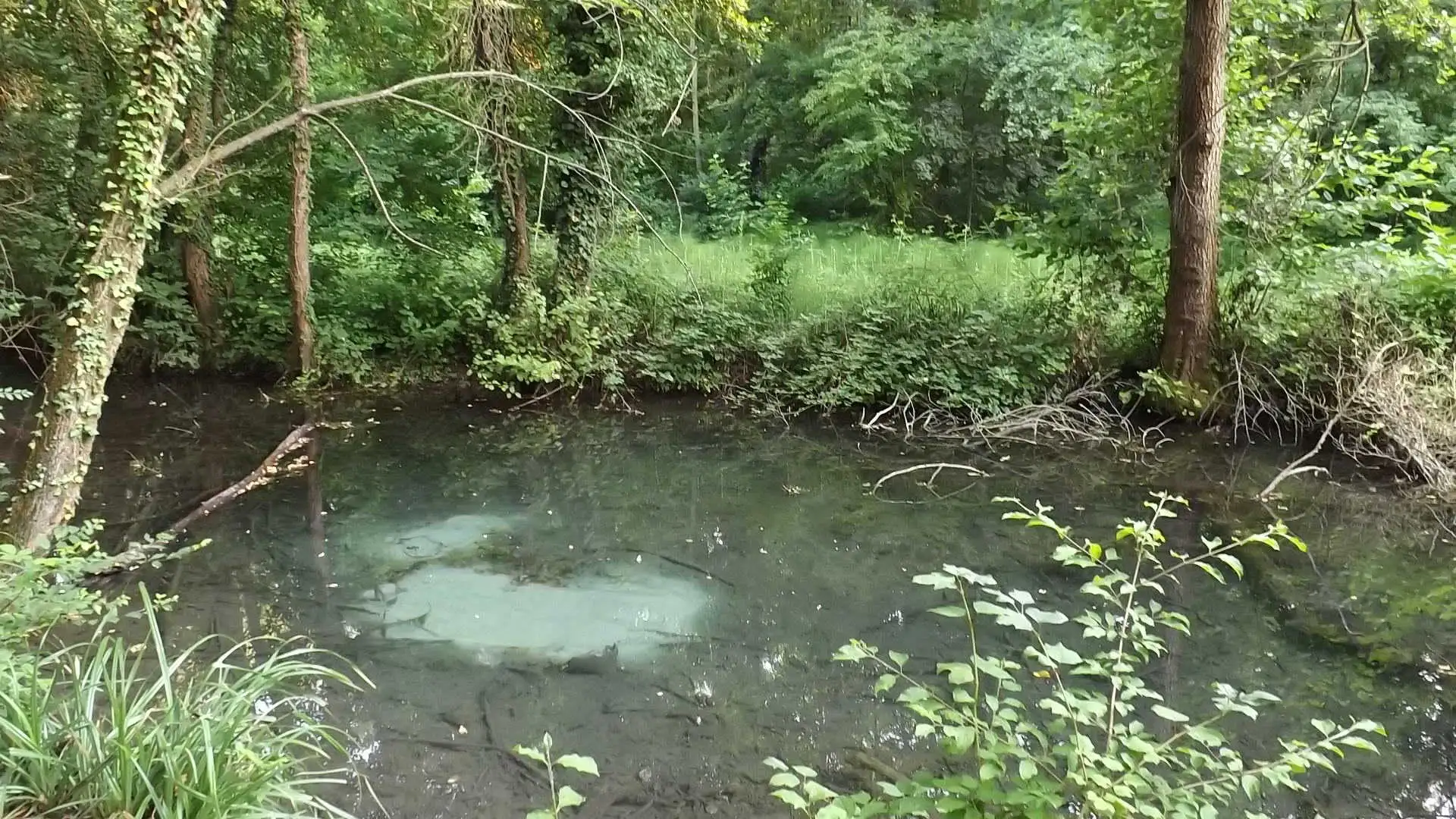
The abundance of spring waters that characterizes the fertile territory of Breda di Piave defines a suggestive tangle of fresh springs and placid streams tributaries of the Sile and the Piave. The latter holds considerable historical and symbolic importance inherited from the impact of World War I, whose memory is preserved thanks to the trenches along the river and the vast collection of artifacts kept in the Historical Museum of the Great War in Maserada sul Piave.
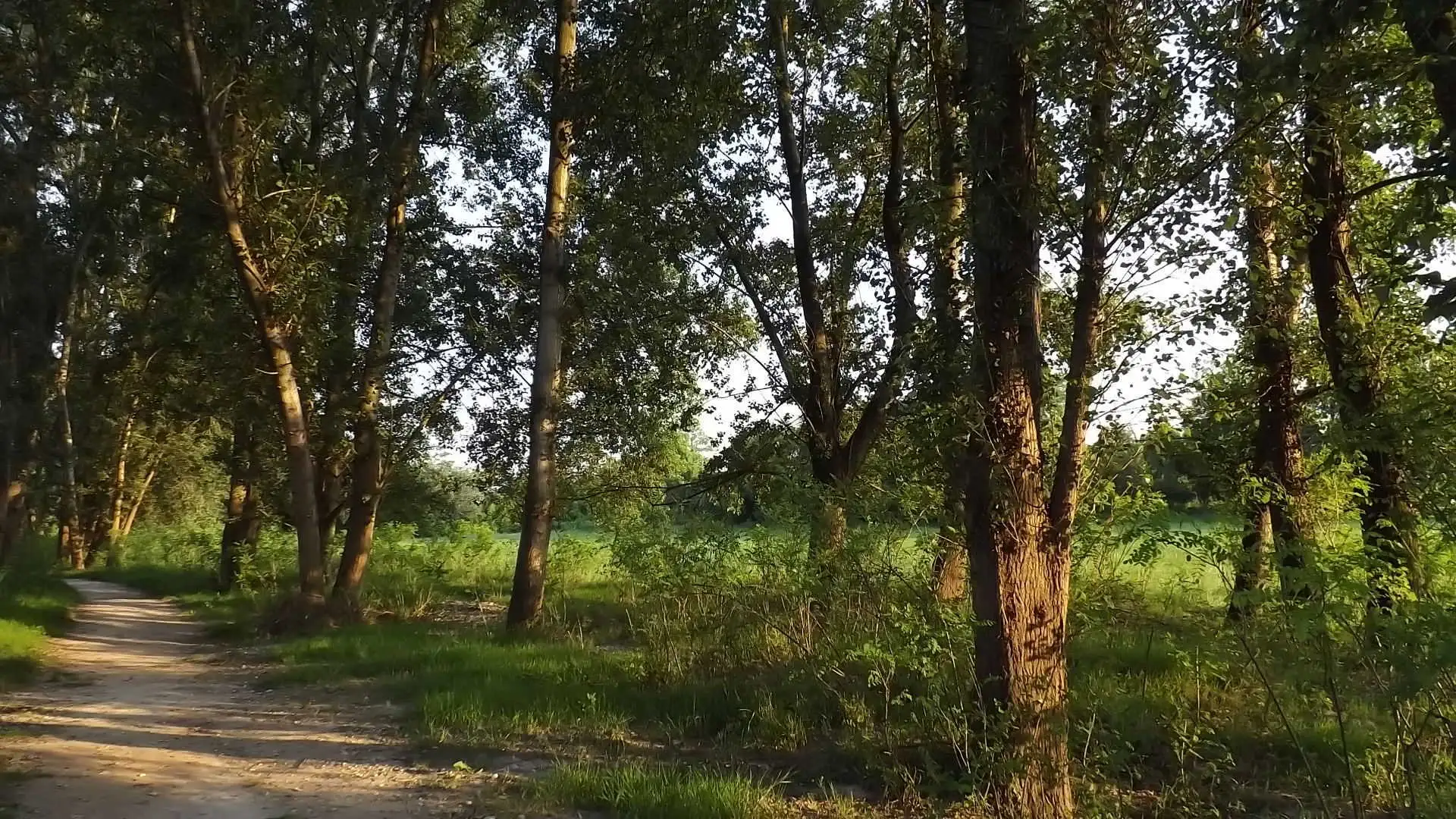
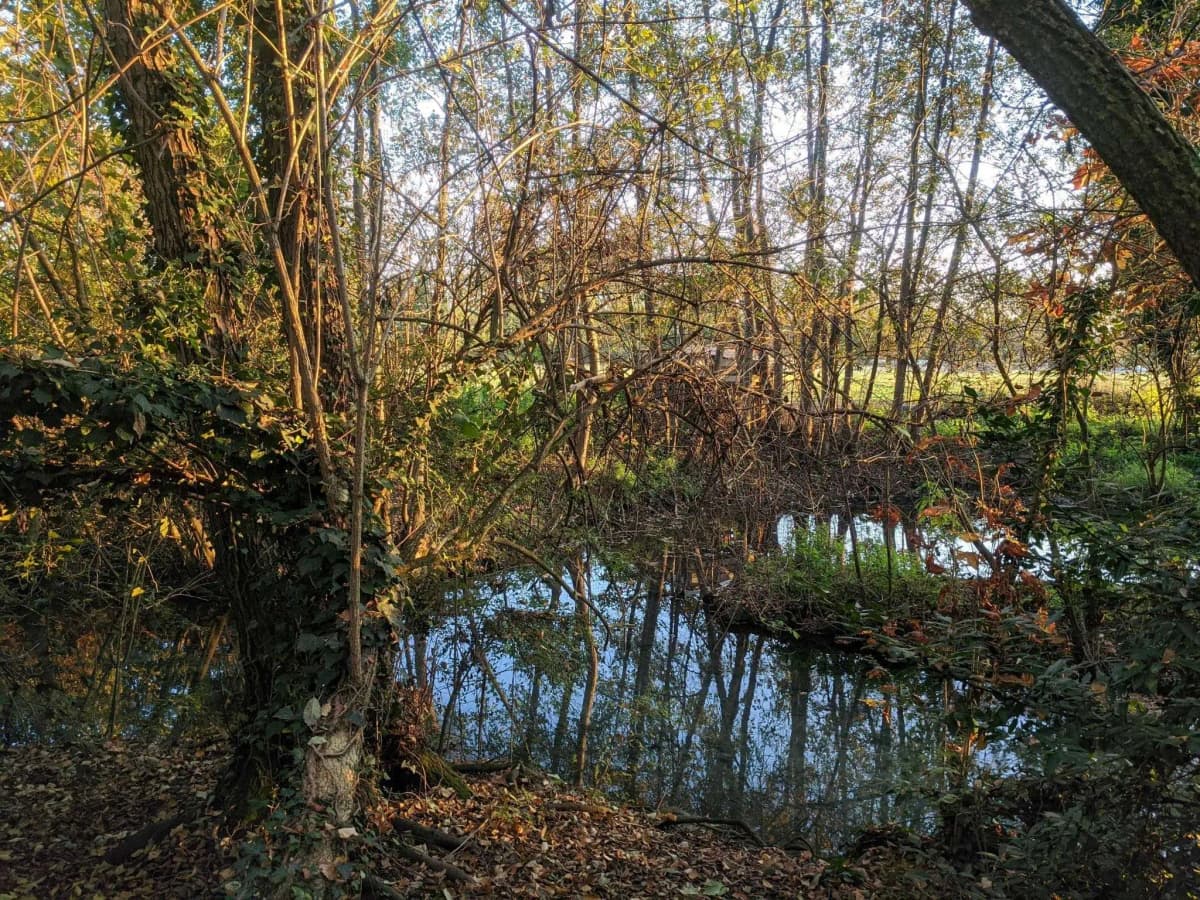
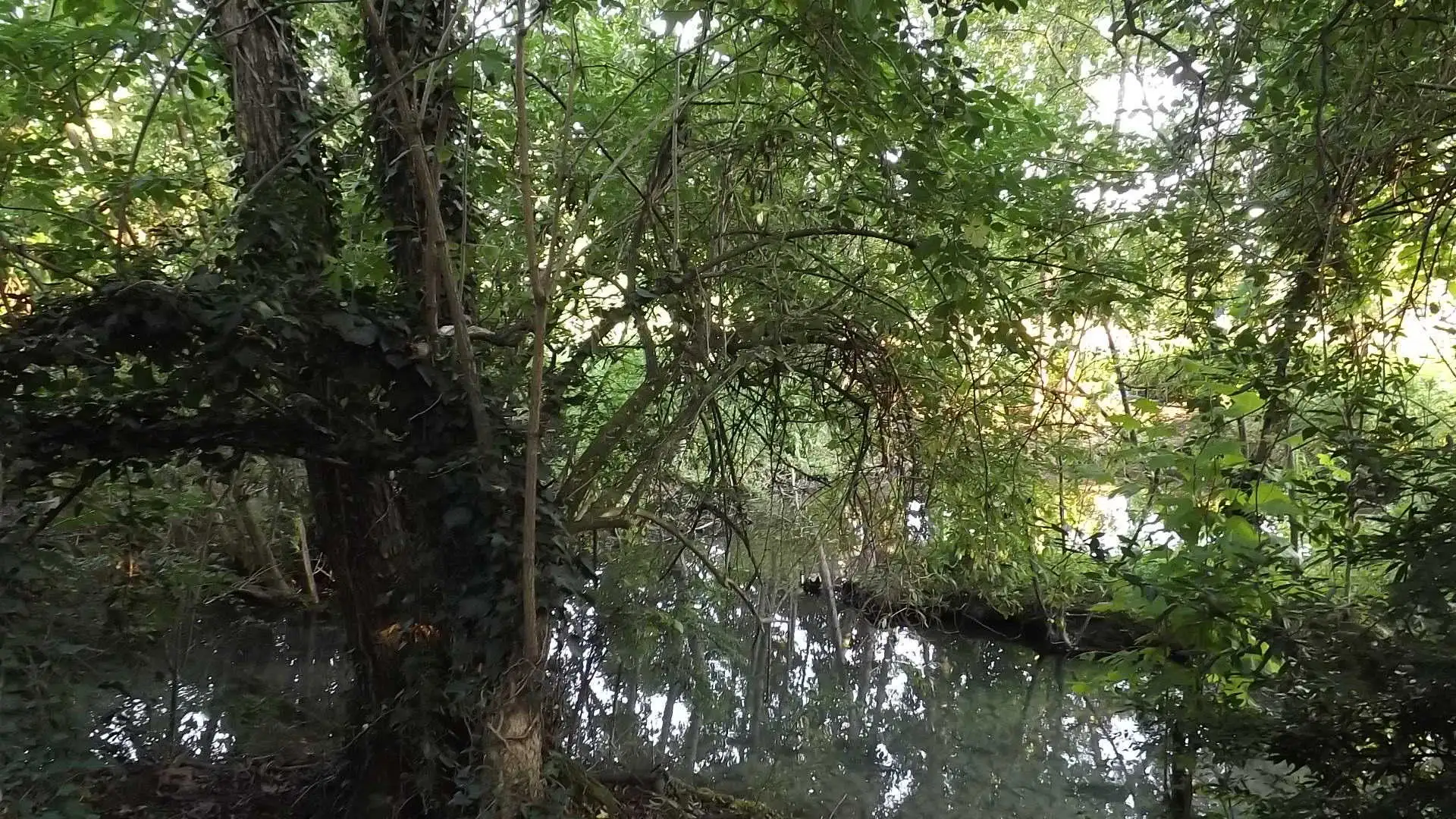
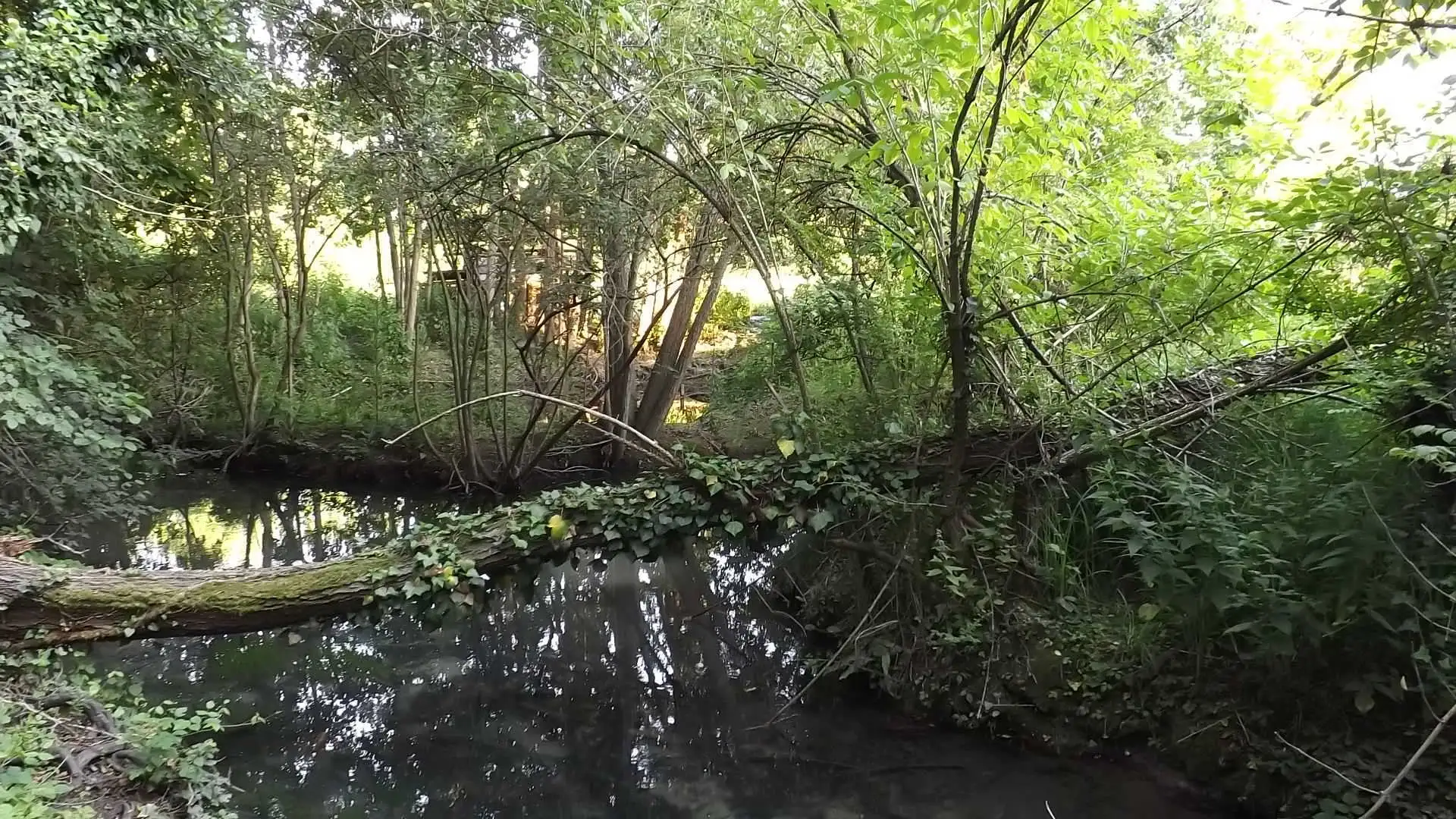
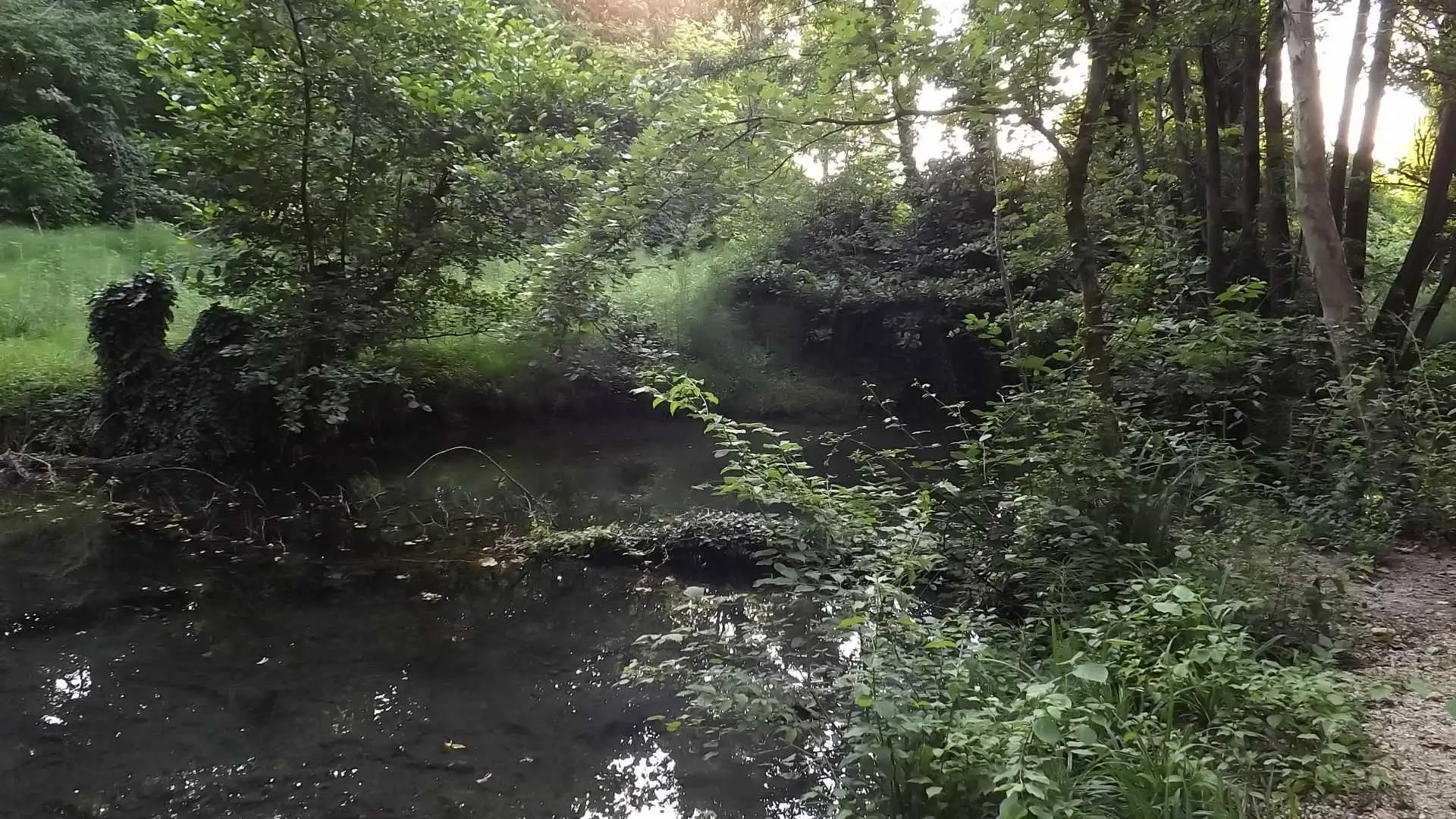
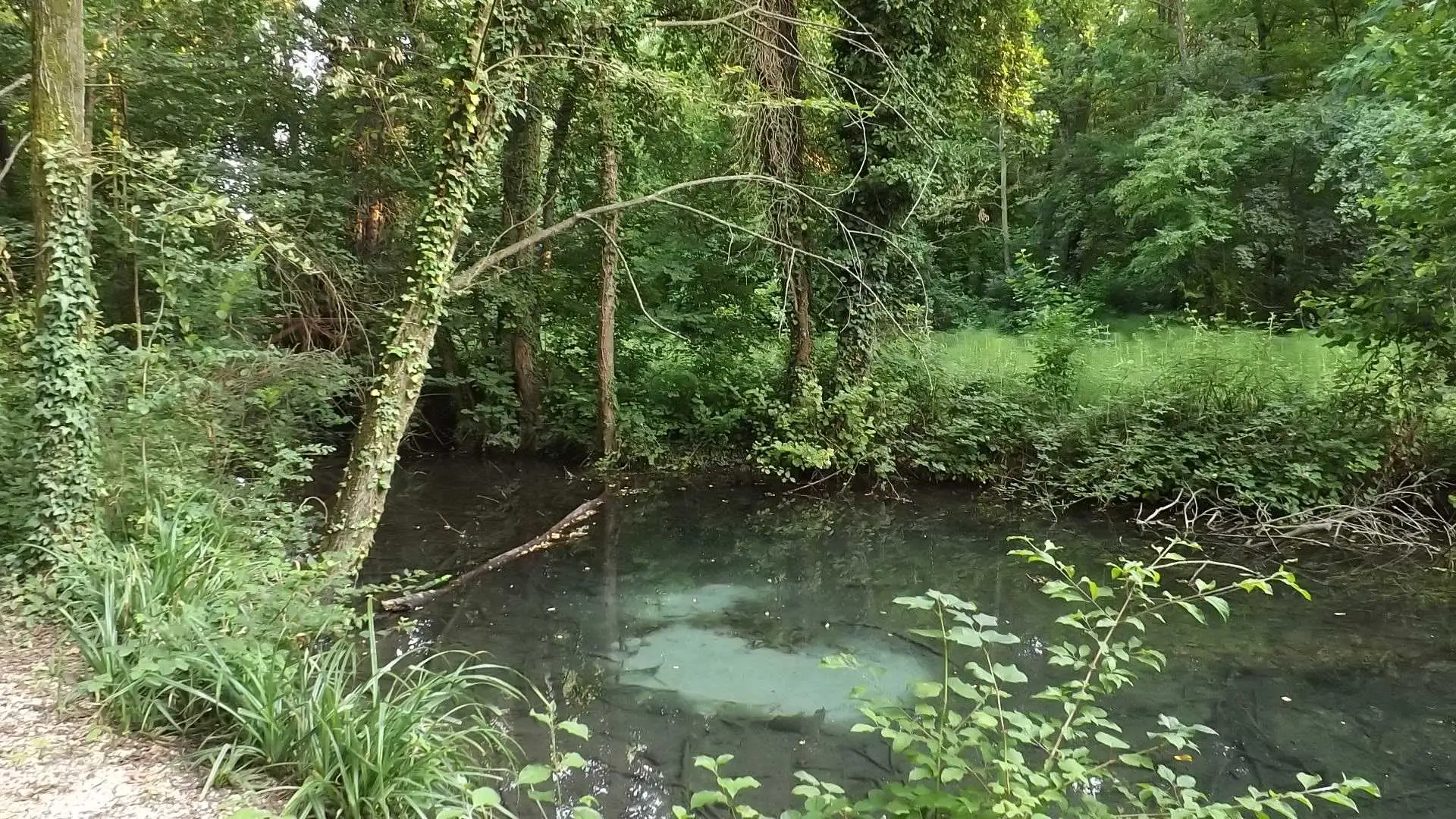
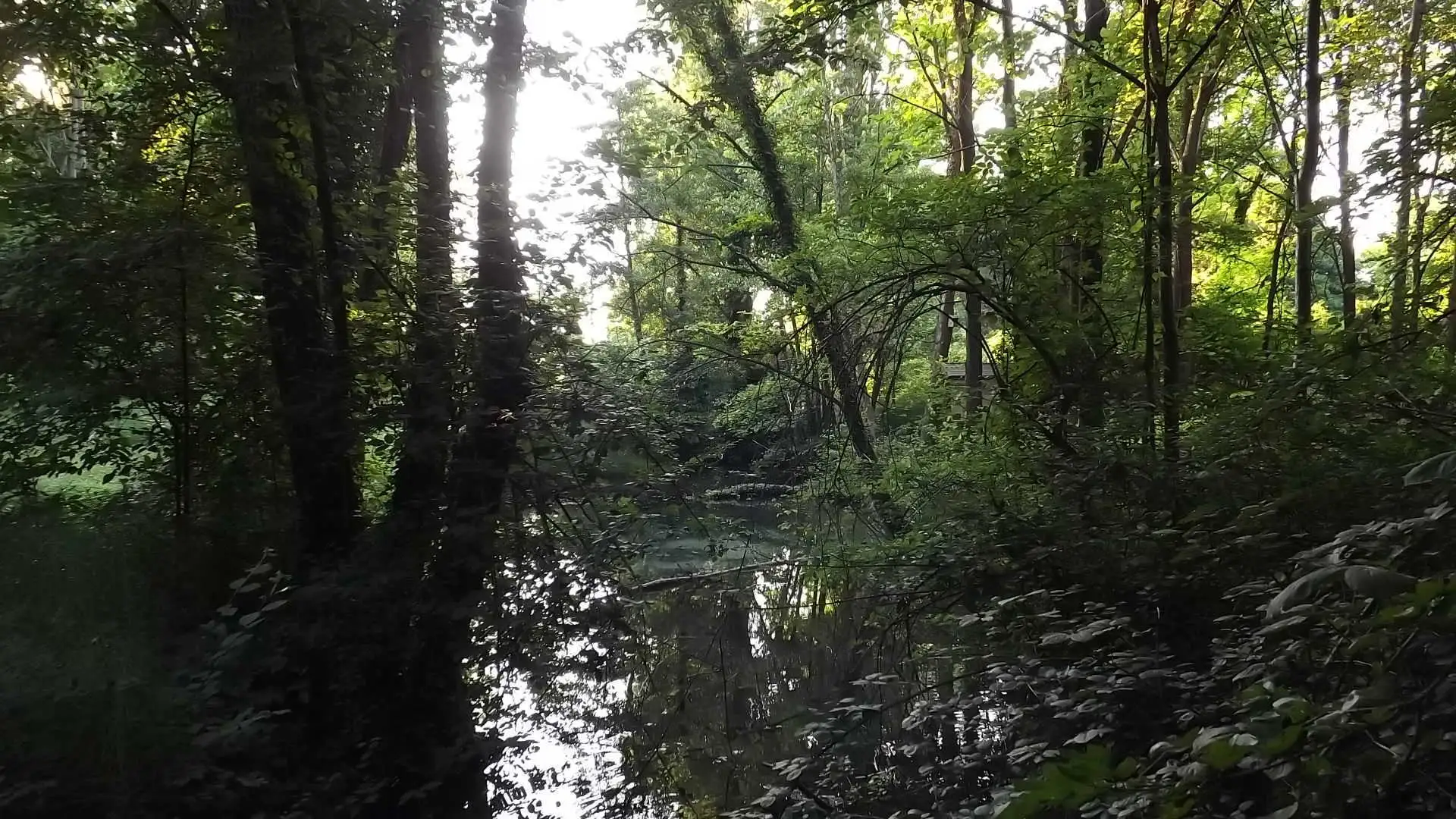
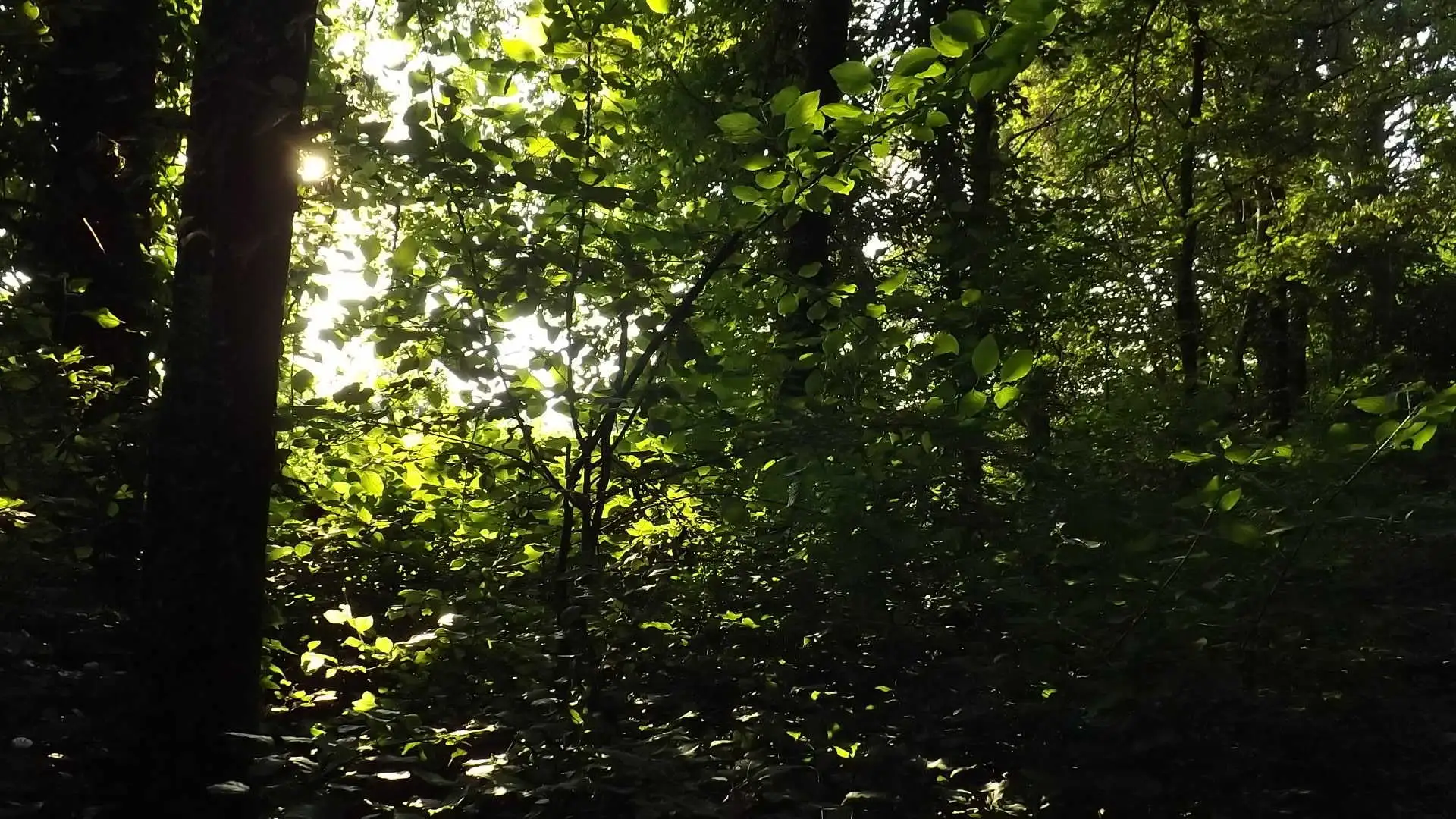
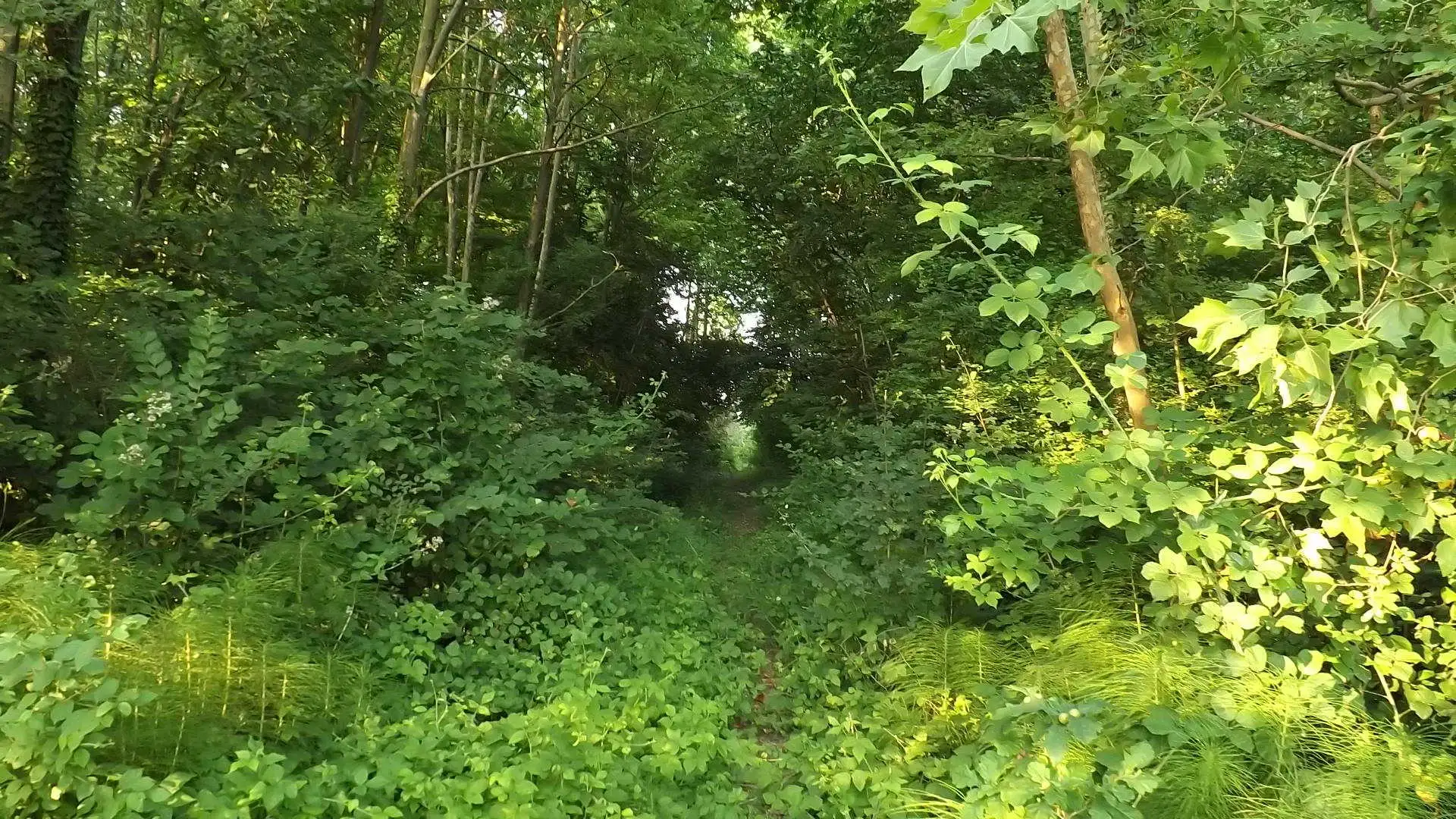
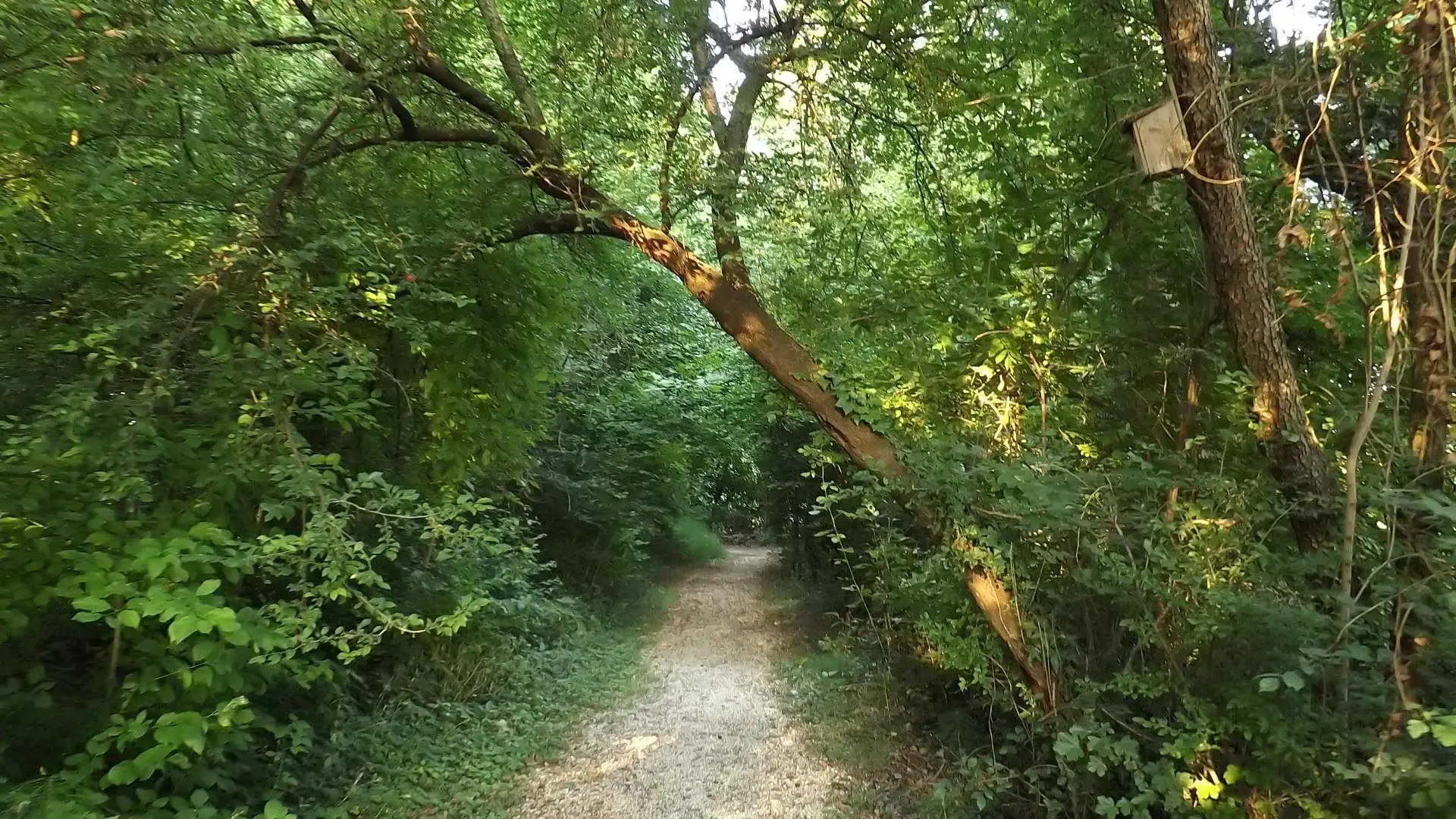
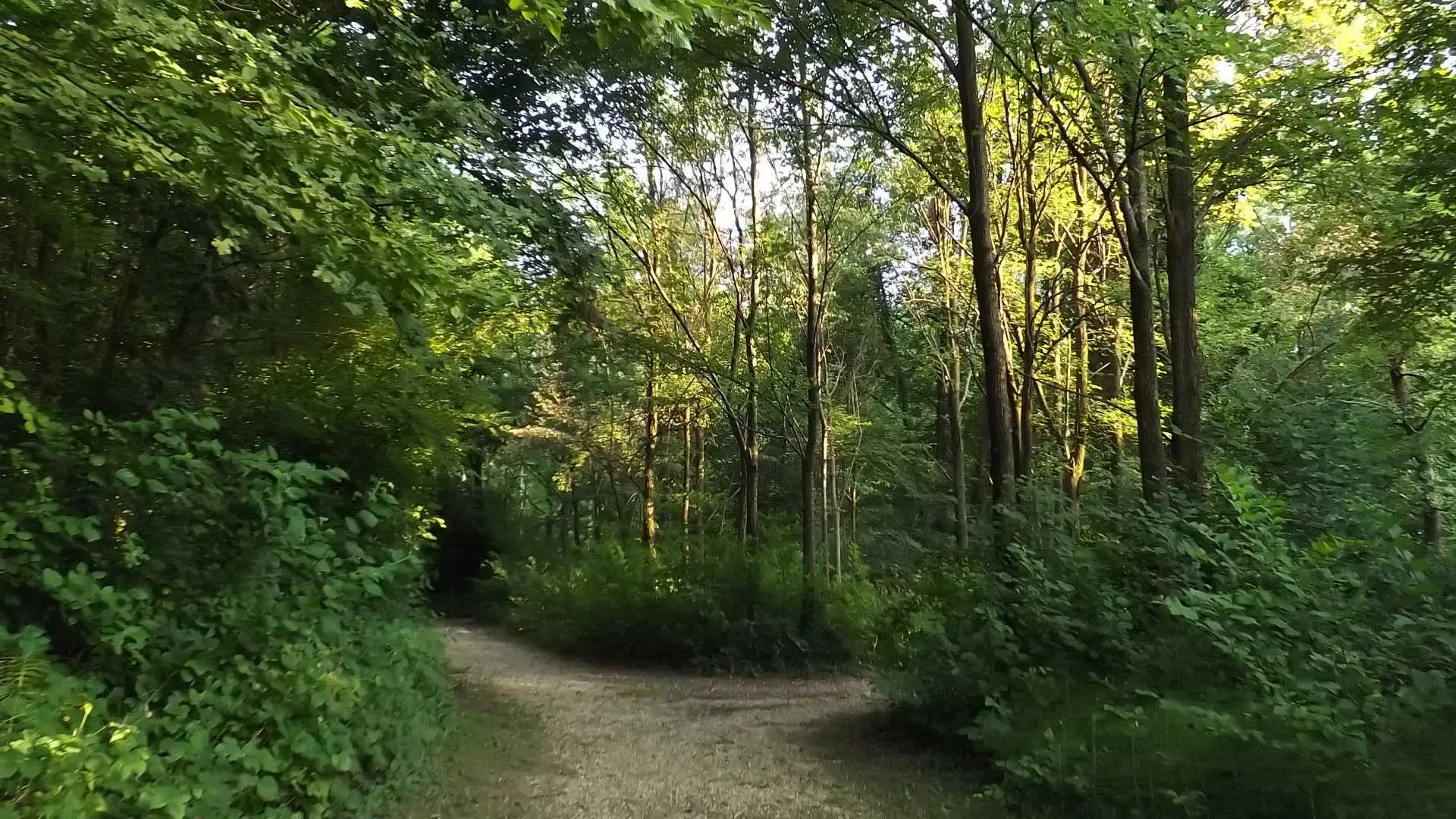
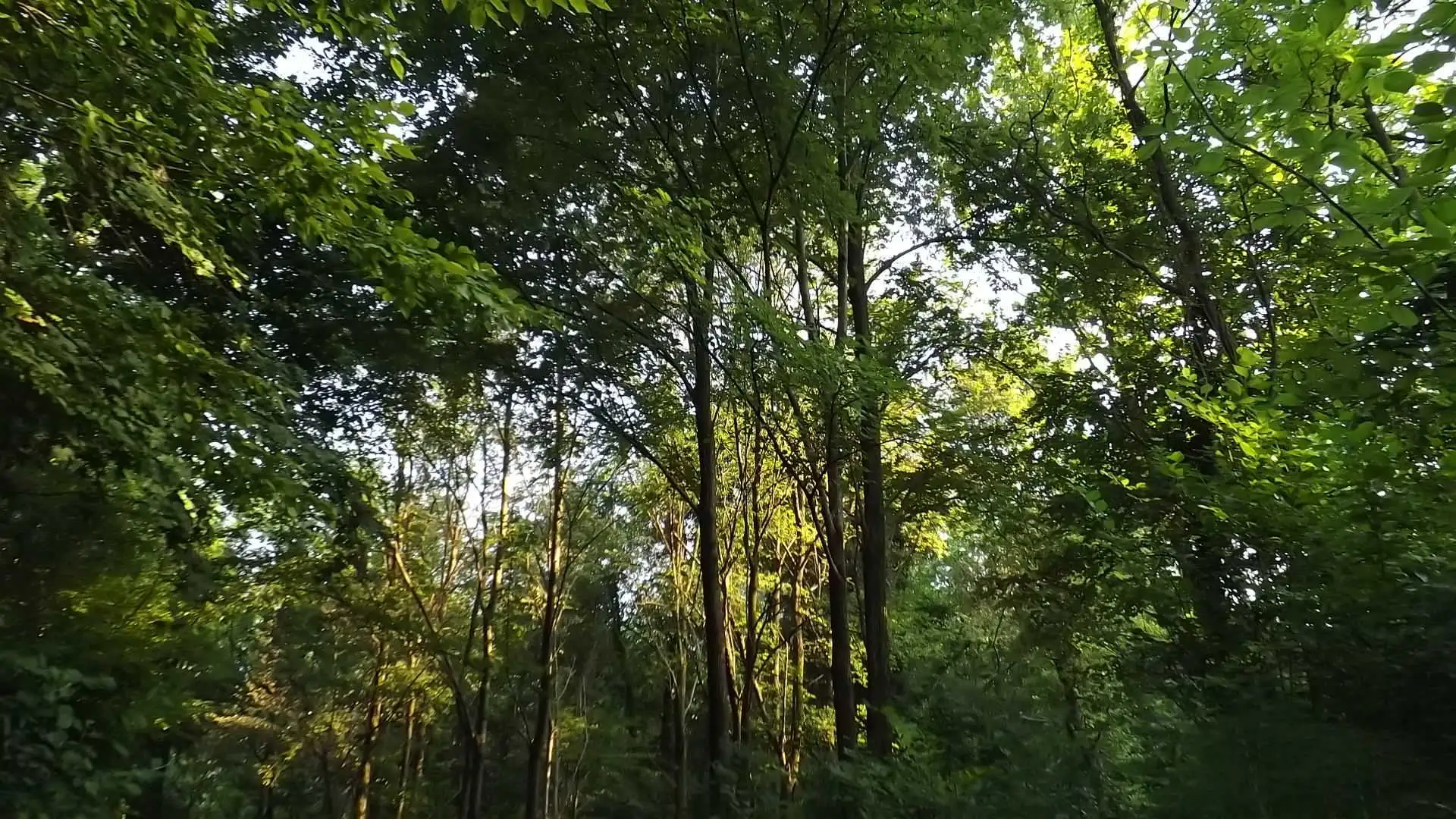
Willows, oaks, beeches, poplars, alders, elms, acacias, mulberries, dogwoods, elders, hornbeams and many other lush shrubs and tall trees shade the belt of springs extending in the municipal area from northwest to south-east.
What to See in Breda di Piave: Nature Trails
Il Bosco degli Ontani
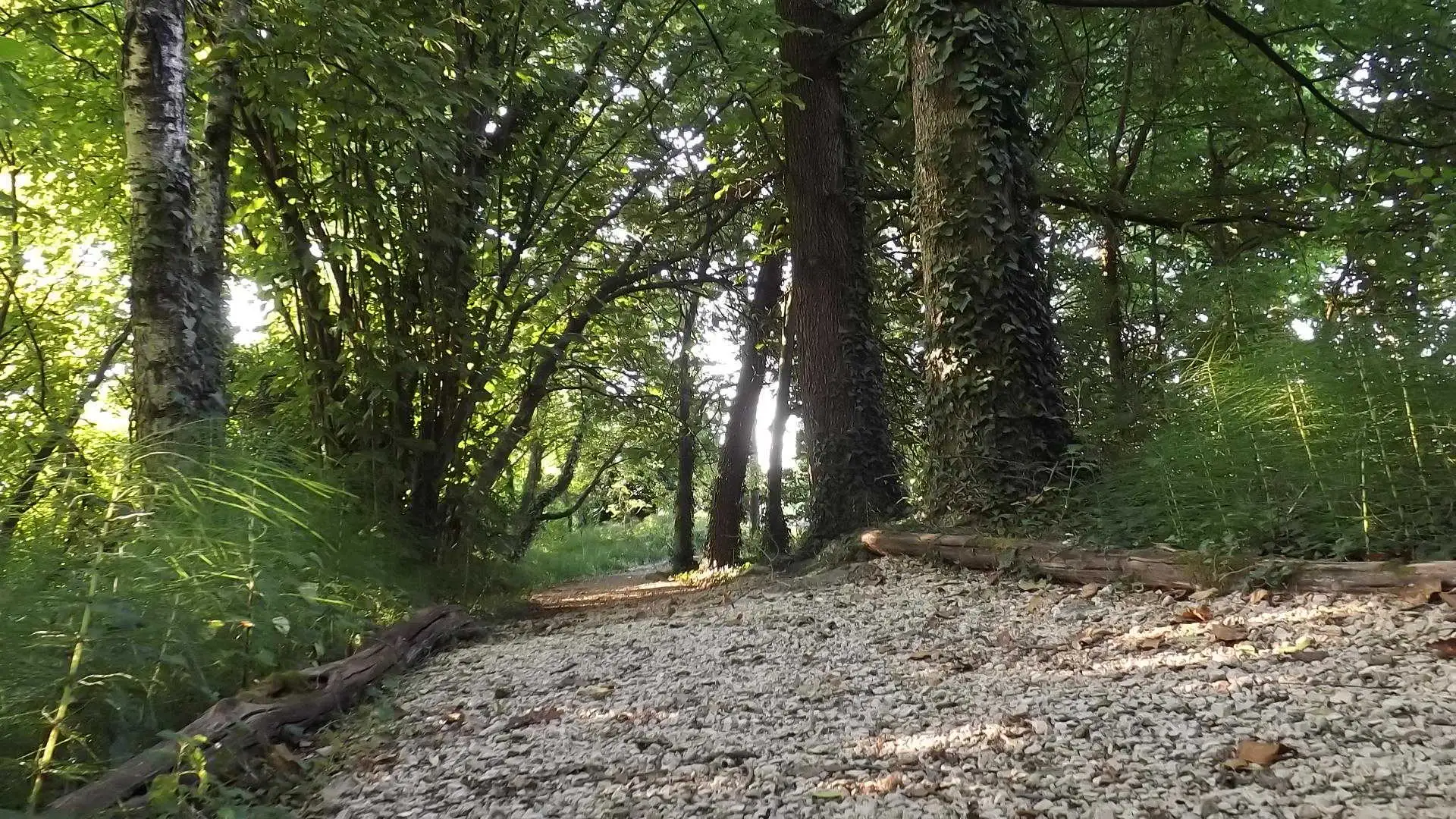
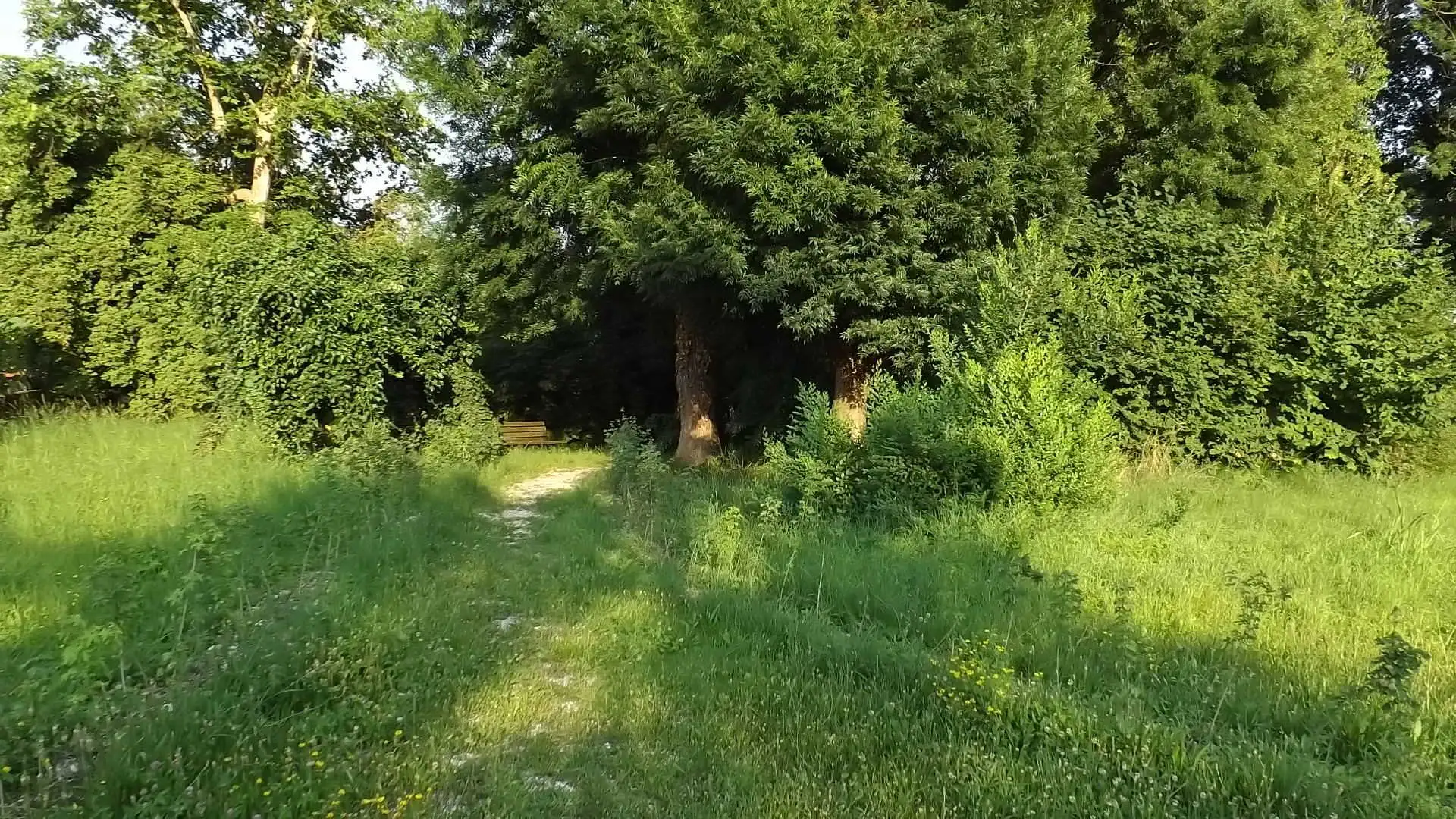
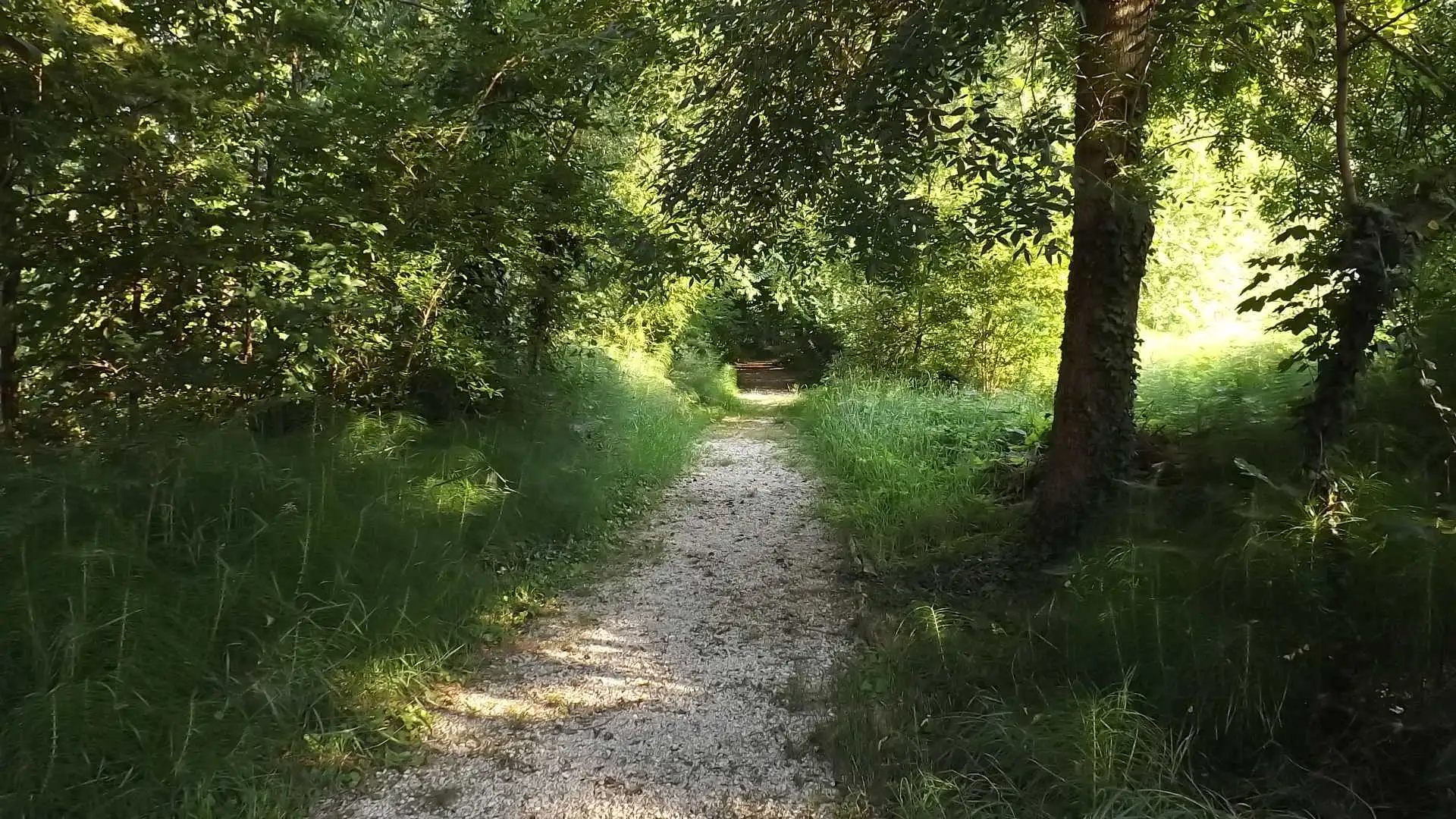
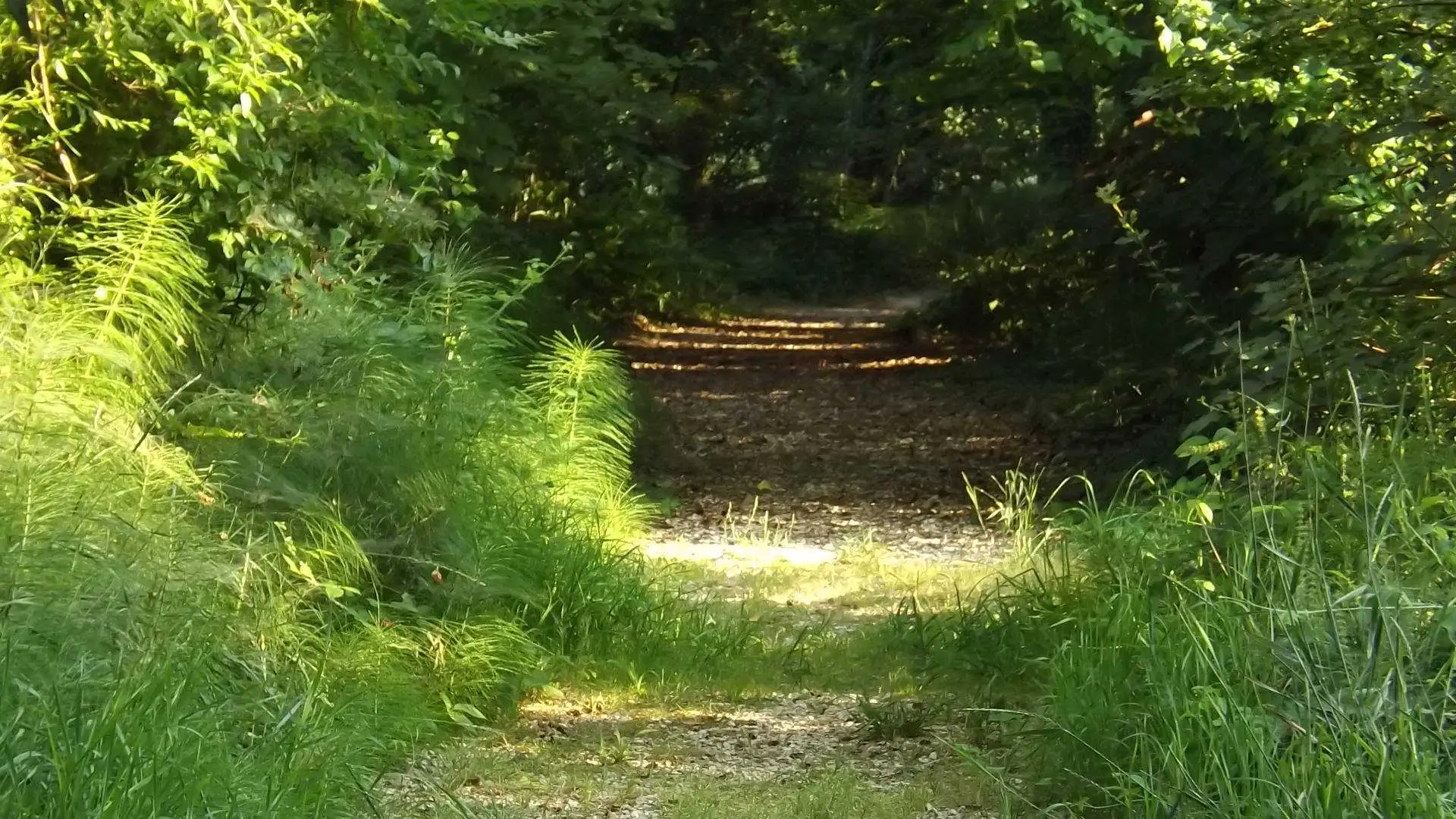
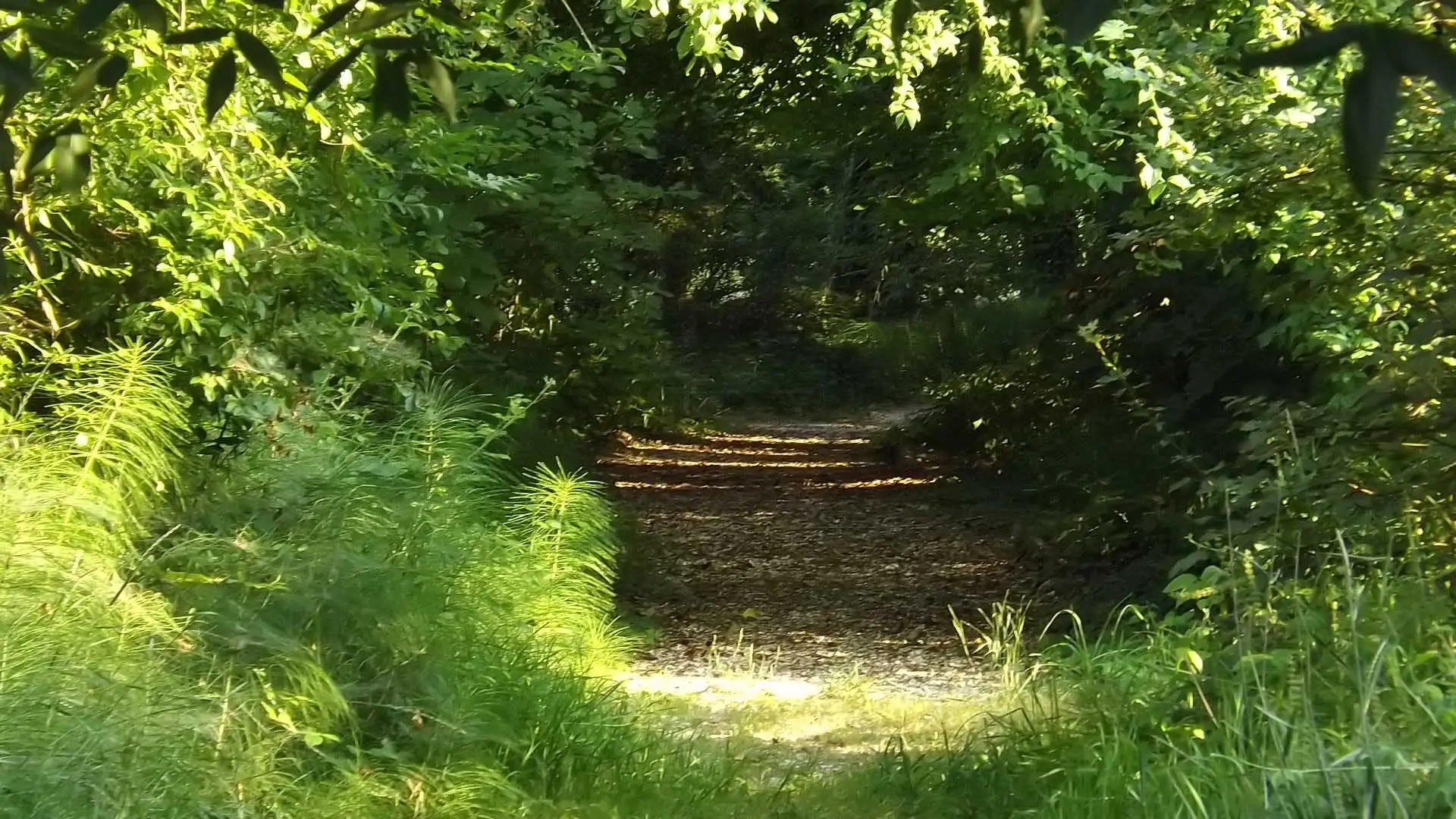
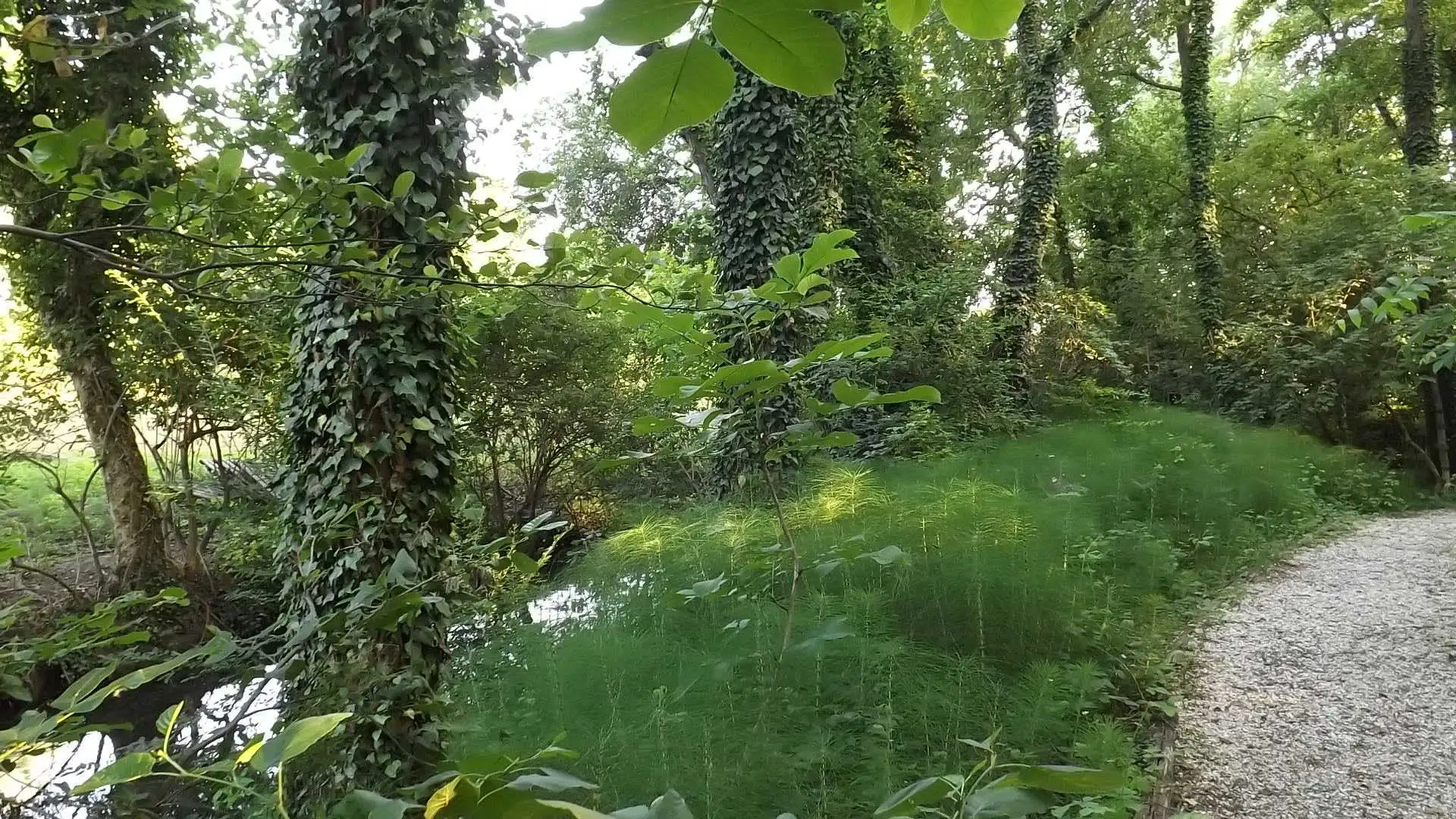
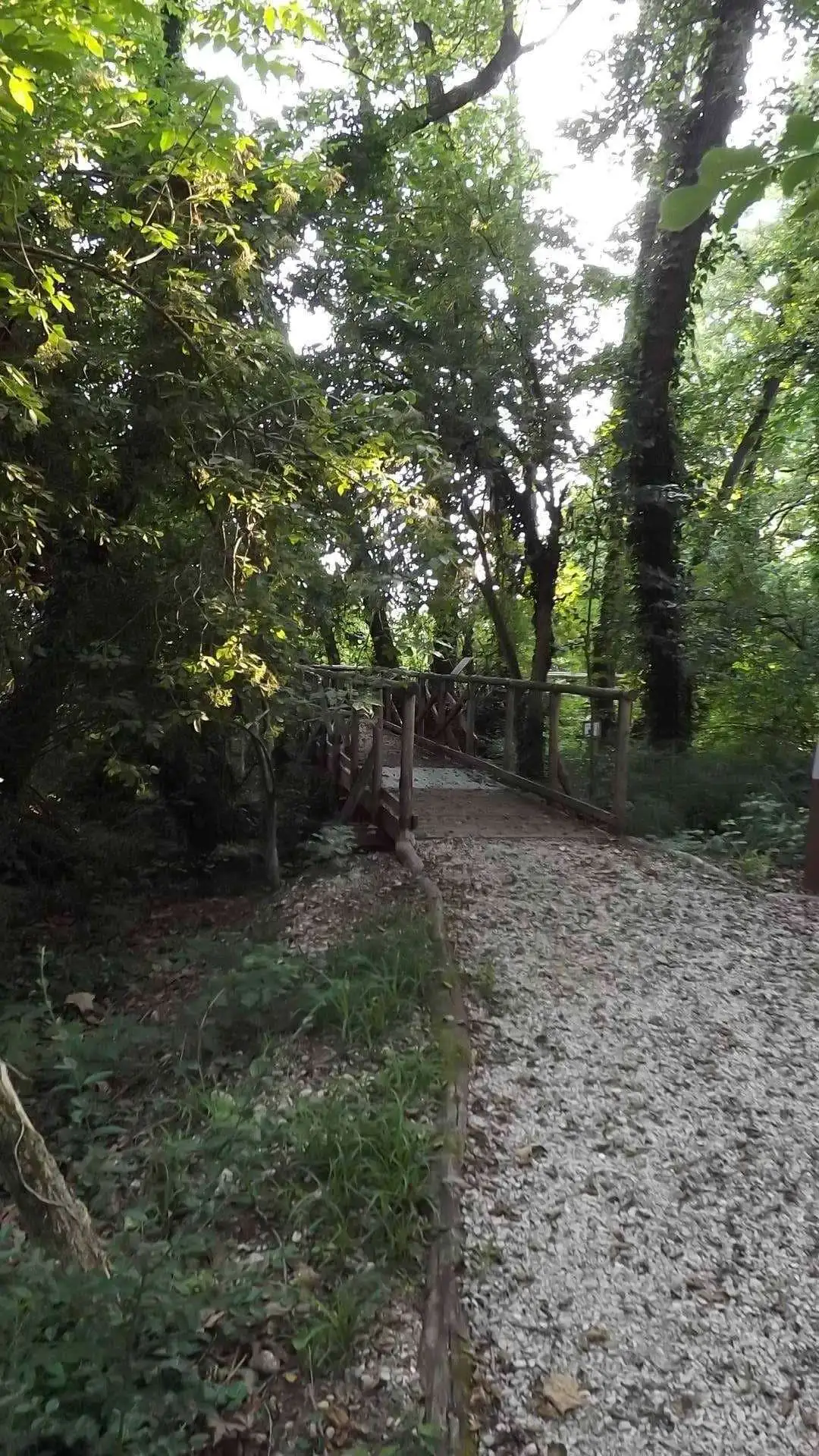
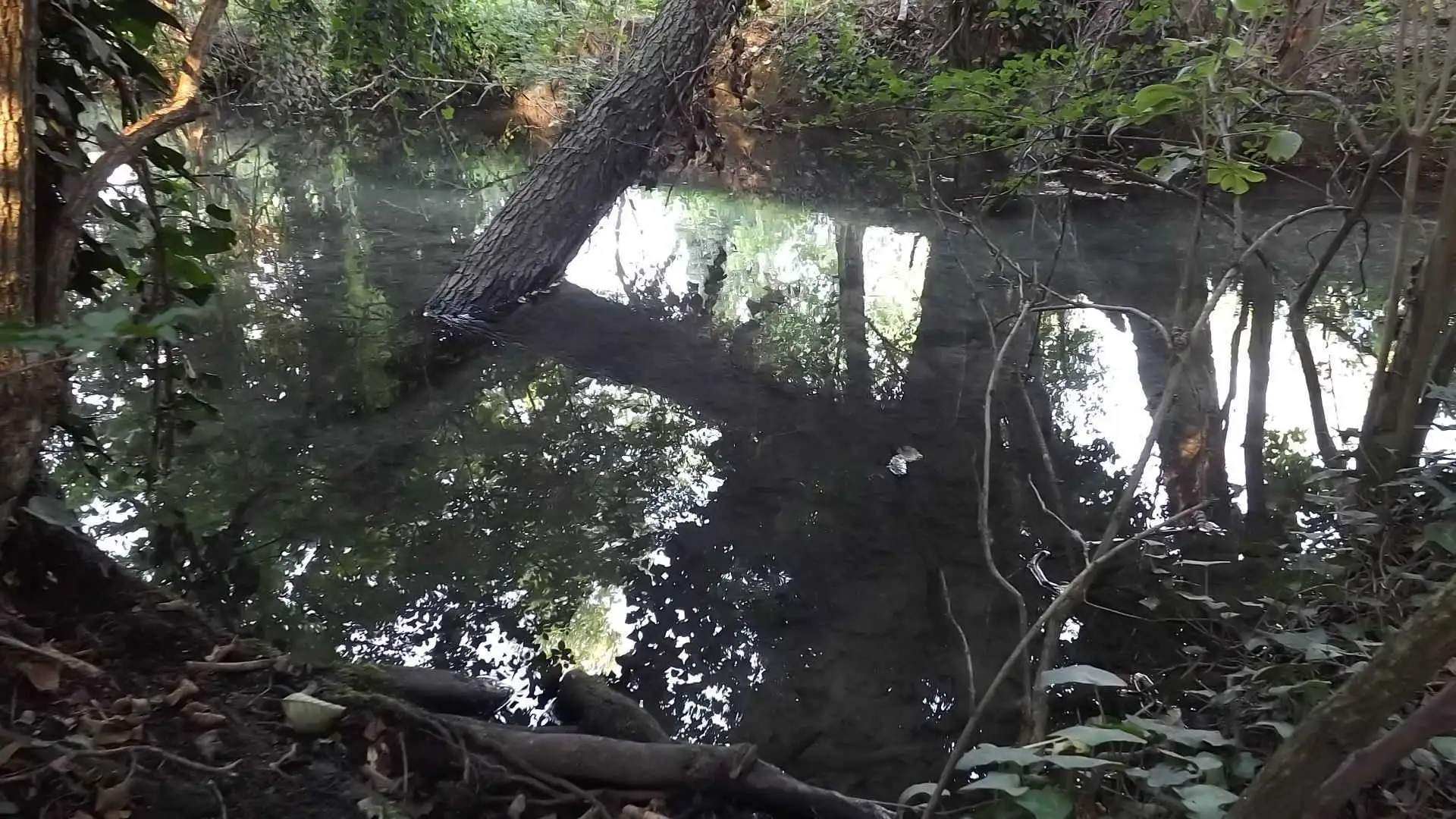
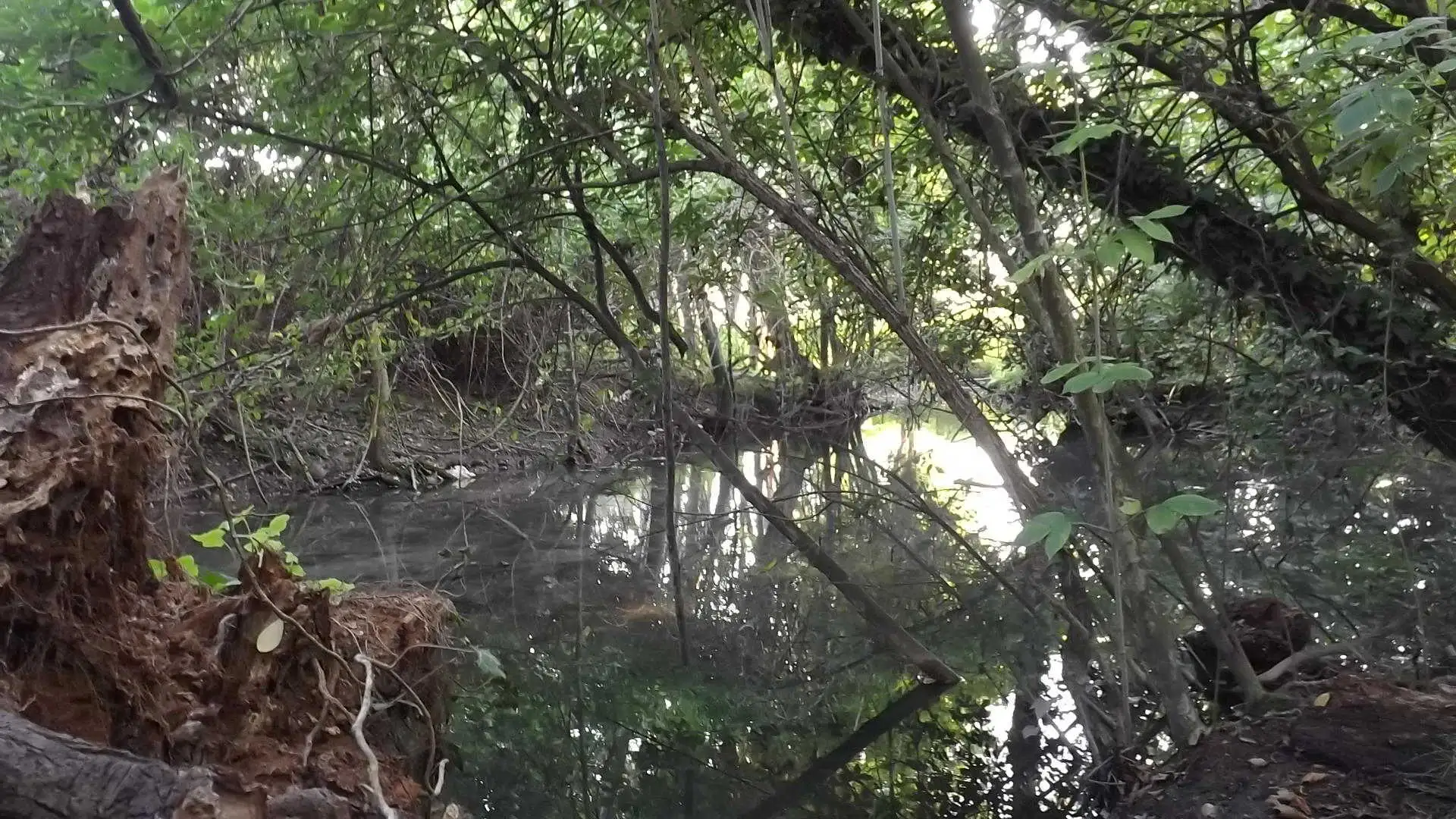
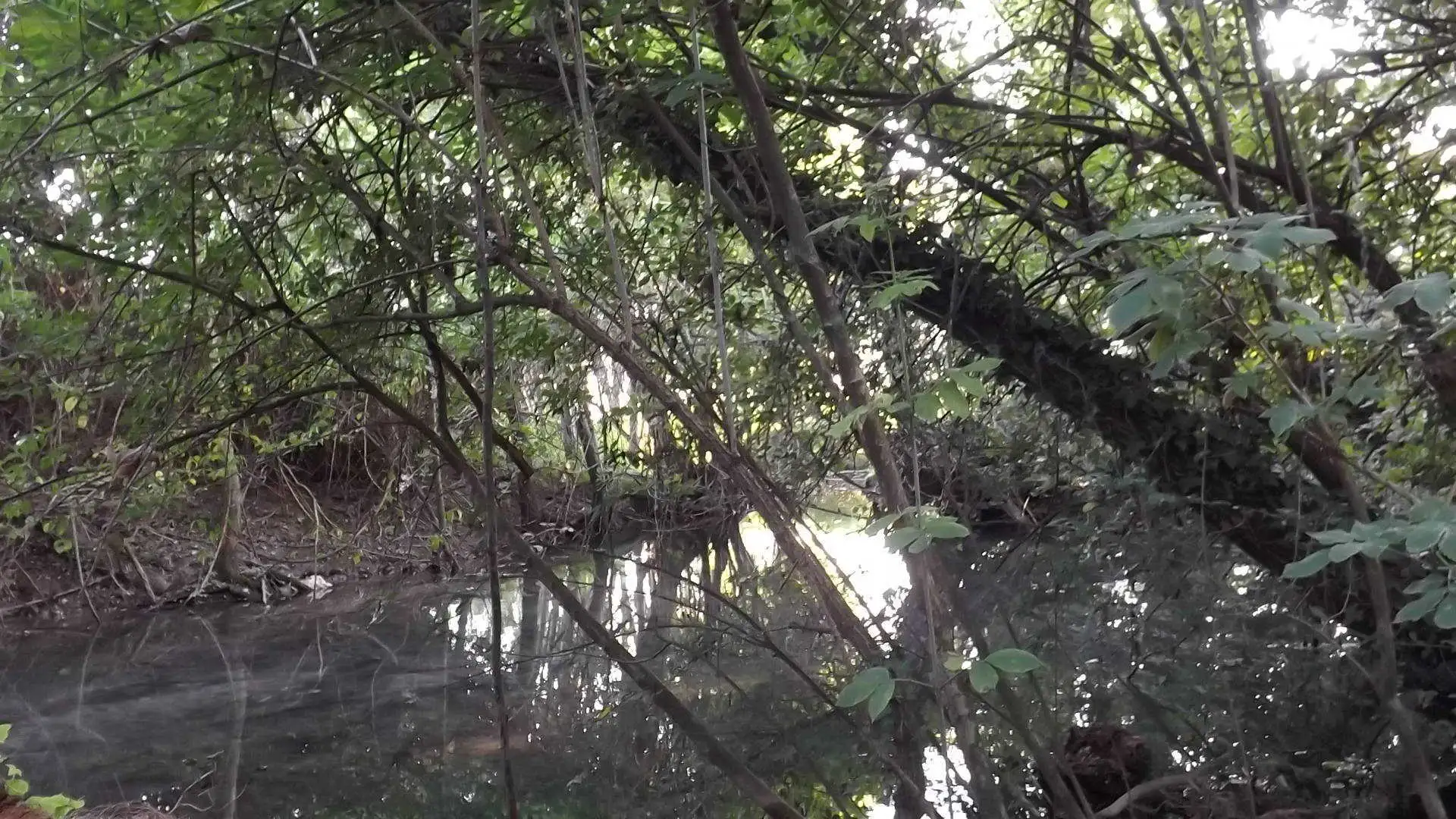
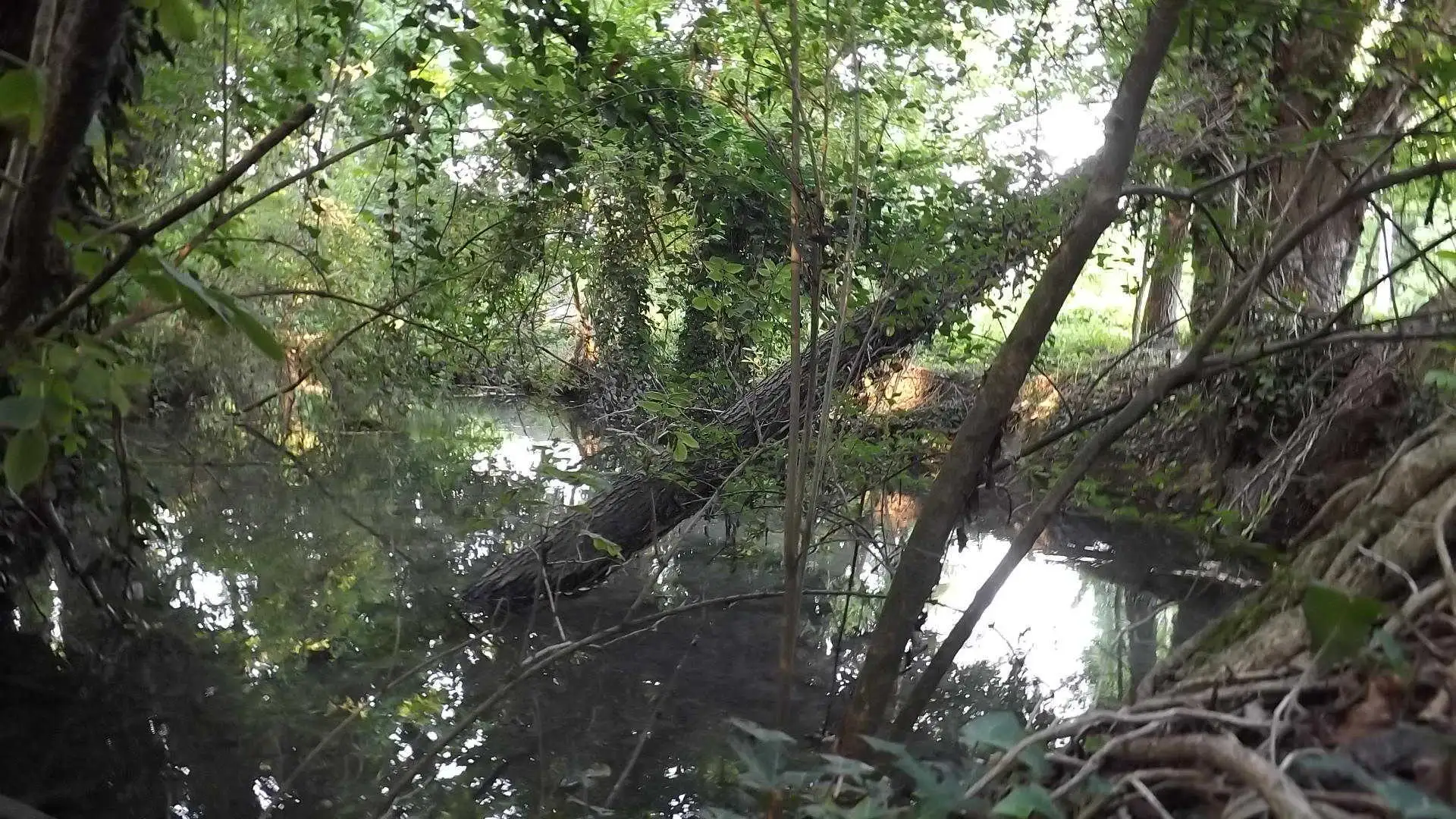
Il Bosco Galileo
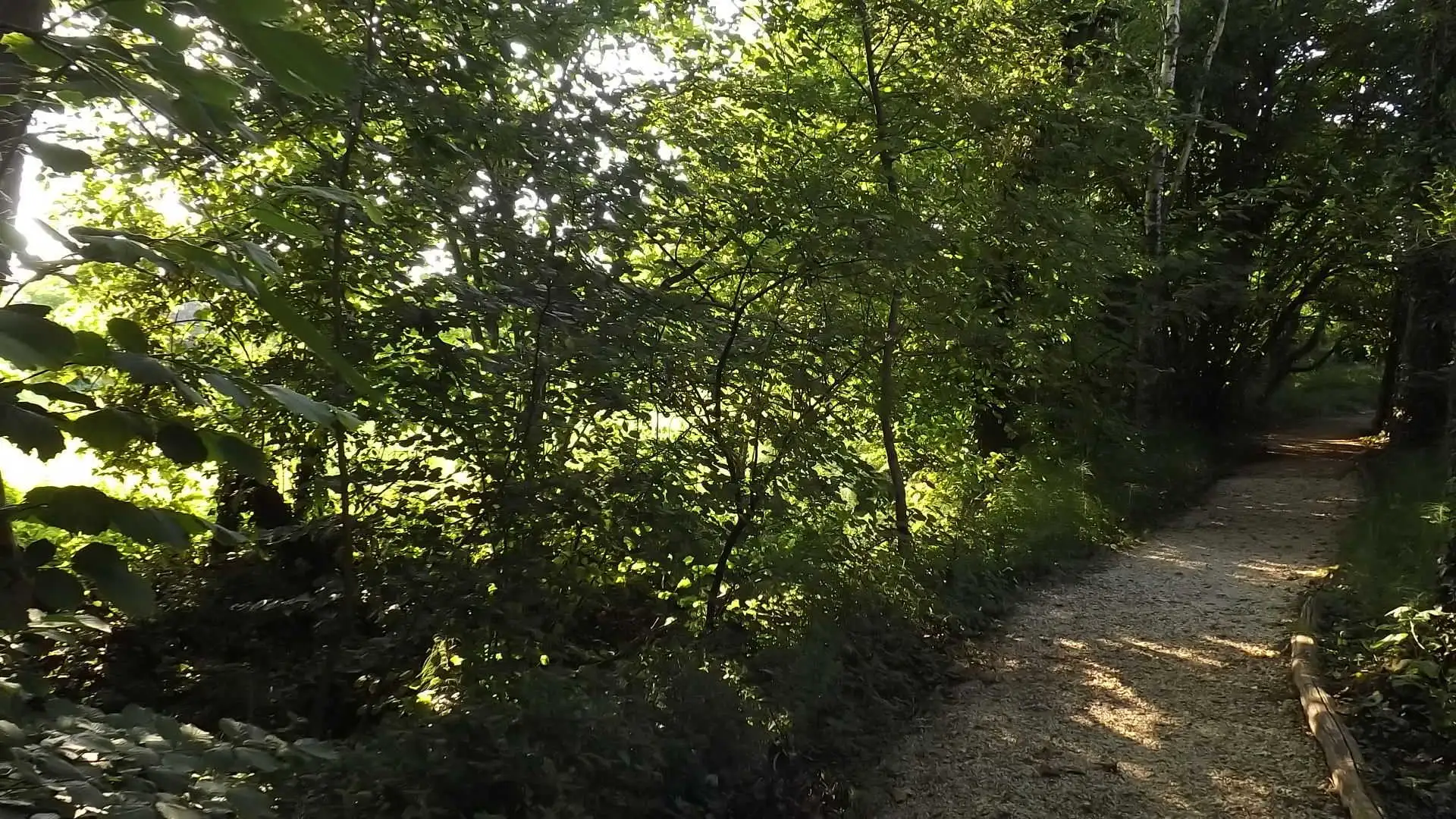
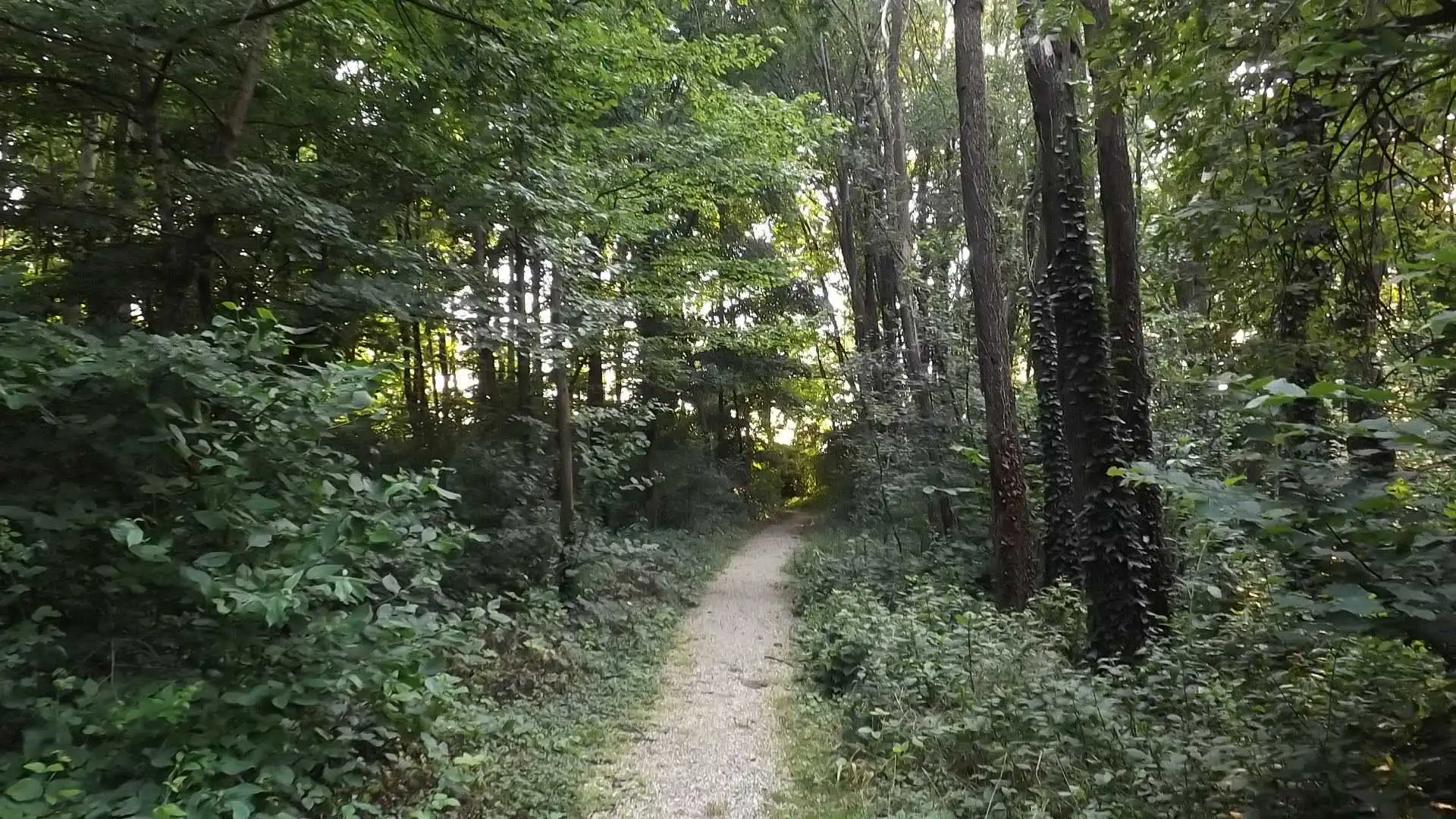
With an area of 25,000 m², the Bosco Galileo is a broadleaf plantation that reproduces the characteristics of the Veneto plain oak-hornbeam forest.
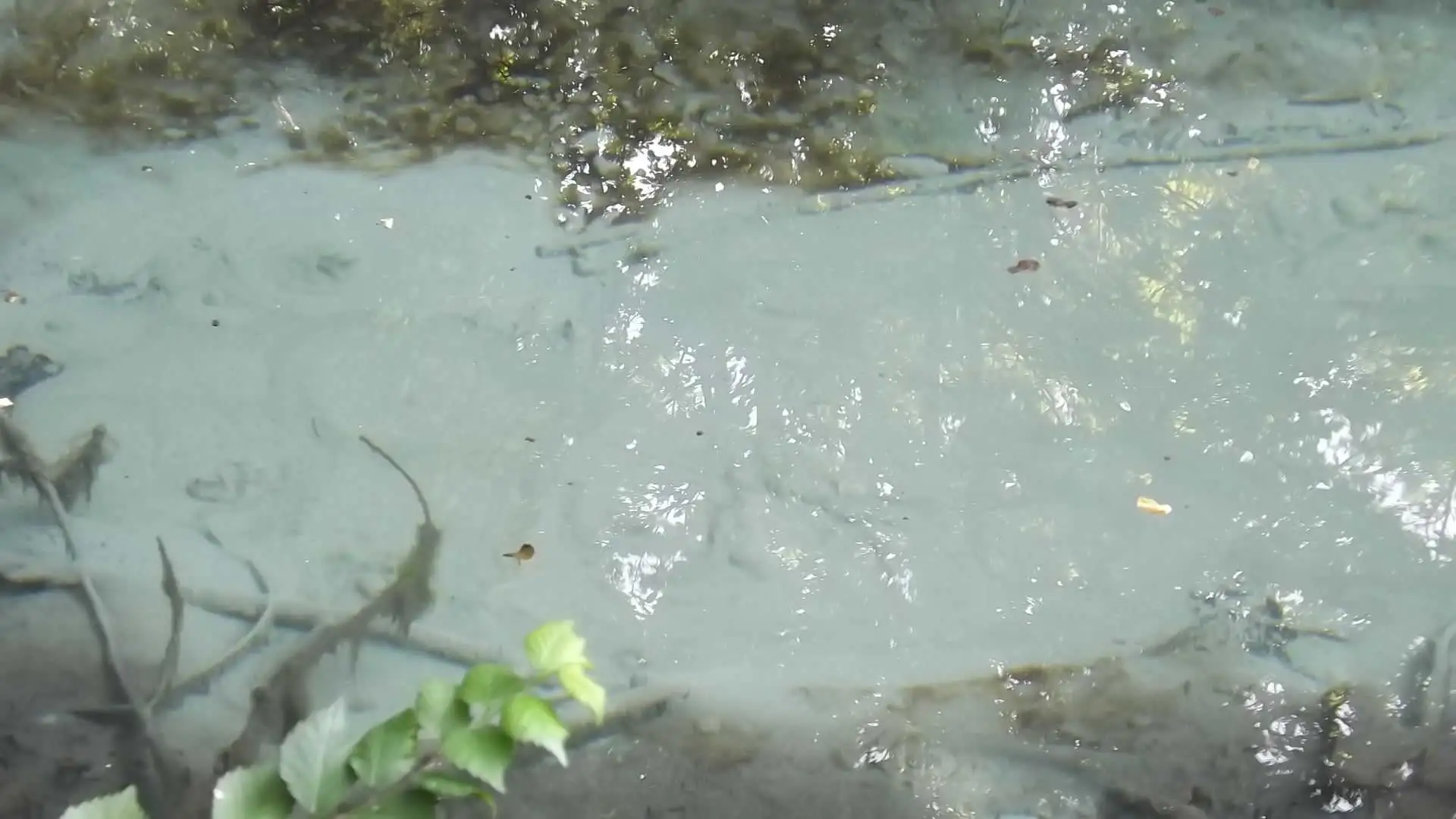
Accessible at via Moretti at the cultural circle “Il Filò”, the trail crossing the wood offers spectacular views of clear spring pools, where you can observe the characteristic bubbles rising from the sandy bottom.
Where does the word Breda come from?
The etymology of the term Breda probably derives from the lands, or praedia, given to veterans of the Roman army to colonize these territories.
Archaeological Finds of the Municipality of Breda
Various archaeological evidence found since the 1950s, such as coins, handicraft products, roof tiles (a type of terracotta tile) and ornamental stone elements, attest to the presence of ancient settlements in the territory prior to the Romanization period.
Among the most significant archaeological discoveries, noteworthy are the cover of a hemispherical urn and two funerary sculptures of a male and female head, dating back to the 1st century AD, whose features convey a state of serene detachment.
These archaeological finds are examples of Opitergian (Oderzo: from Latin Opitergium) and Altinate production, territories with which Breda communicated via the Postumia and Claudia Augusta Altinate roads.
Villa Spineda dal Vesco
Commissioned by the Spineda family and designed by the architect Giovanni Miazzi, the prestigious 18th-century manor house features renowned frescoes by the artist Bernardino Bison, created around 1790 and restored from 1959 to 1968. The architectural complex, arranged along a north-south axis, consists of the main body communicating with lateral wings punctuated by three large arches.
The villa, set in a splendid natural setting, seems to divide the urban area of Breda di Piave from the surrounding countryside, to which the 18th-century complex connects via a suggestive avenue flanked by rows of vines.
Villa Olivi
The late 16th-century building is arranged on three levels, of which the north floor is the oldest. The facade features a rectangular portal surmounted by a three-light window.
The Olivi park, whose size has reduced over time, is adorned with majestic oaks, magnolias, poplars, palms and cypresses surrounding an ancient fountain.
The Piave River