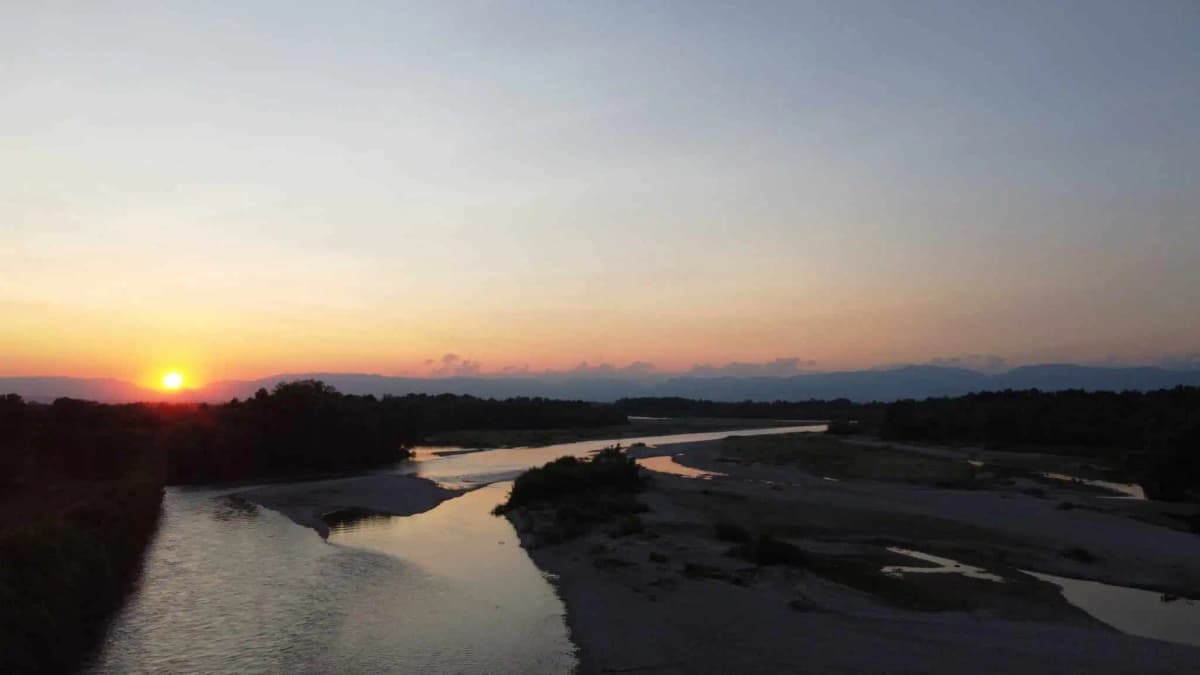

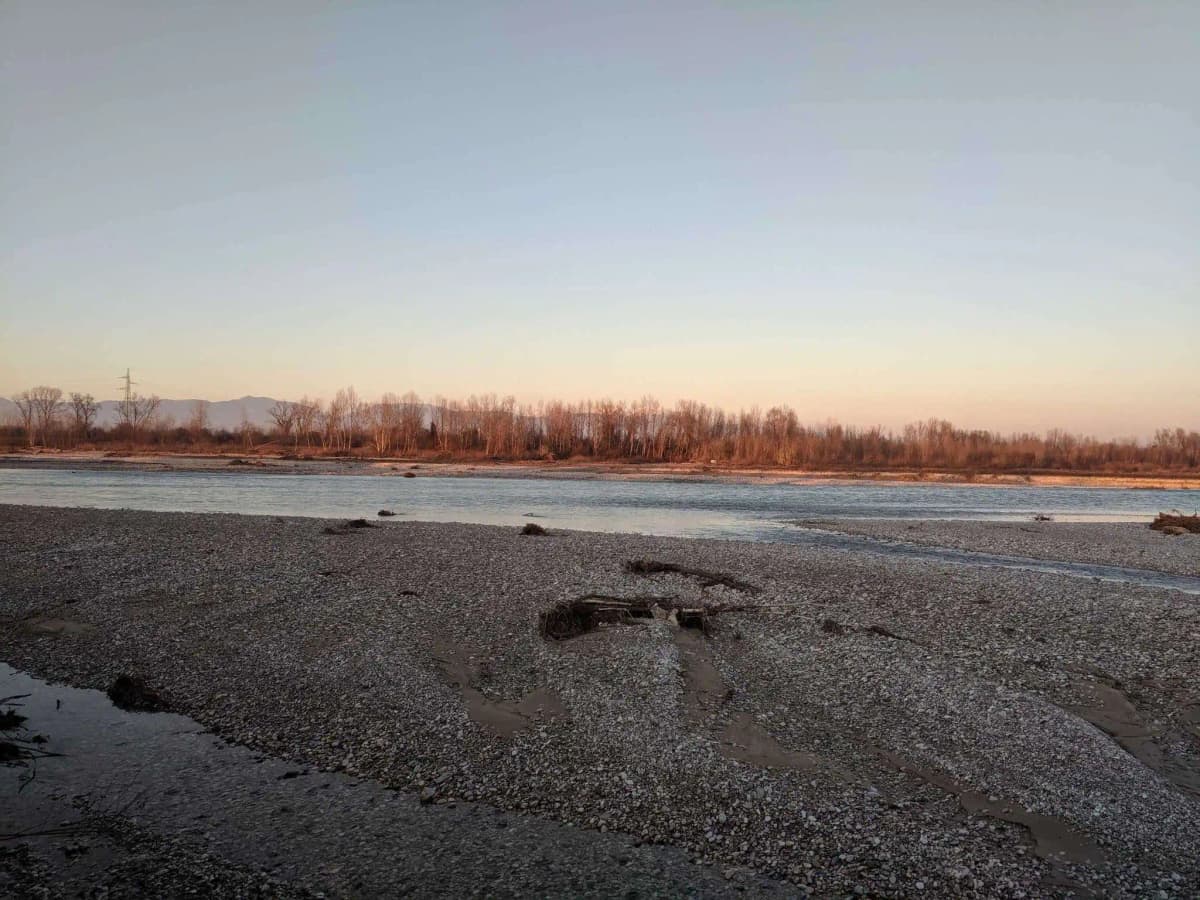
Trench at Saletto di Piave restored by the group “I Caimani del Piave” of the association Argine Maestro
In addition to the Molino della Sega and the Molino Marchesin, strategic points of great importance during the final stages of World War I on the Piave front, the recovery and restoration of two trenches at Saletto di Breda di Piave help preserve the historical memory of the conflict and the territory that was its stage.
It was right in these places, along the banks of the river sacred to the homeland, that just over a hundred years ago the delaying battle took place between the Regio Esercito and the Austro-Hungarian divisions.
In November 1917, the young soldiers of the class of 1899 fought for the first time, whose sacrifice contributed to the victory of the Italian army.
Where are the trenches found in the municipality of Breda di Piave?
The trenches are located at Via dei Casoni, 47, (45.73568822345746, 12.393769925658578) and at Via del Passo, 7, near the beach of Saletto (45.72595309406234, 12.406816258454327).
The restoration of the World War I trenches is the result of the passion, zeal and hard work of the cultural association Argine Maestro and the historical reenactment group of Saletto of the Caimani del Piave, driven by the desire to promote and defend the historical heritage of the territory.

The defeat of Caporetto and the resistance along the Piave
At 2:00 AM on October 24, 1917, the deafening thunder of 2000 pieces of Austro-German artillery announced the beginning of the battle that would mark the heaviest defeat in the history of the Regio Esercito. The hammering bombardment of the enemy batteries on the Italian front stationed along the Isonzo river, combined with the use of deadly phosgene gas, preceded the assault of the 14th Army of General Otto von Below, composed of seven German divisions and eight Austro-Hungarian divisions.
In addition to annihilating nearly all the soldiers on the first line of defense on the Isonzo, the massive bombardments also struck the rear lines.
The enemy artillery fire and the explosives that the Austro-German special units had successfully placed behind the Italian line, compromised the communication lines between the regiments of the Regio Esercito, increasing panic among the surviving soldiers, whose retreat would soon turn into a disorderly and chaotic flight.
The breakthrough of the Austro-German infantry.
The first positions to be overwhelmed were those located on Mount Rombon, in the municipality of Plezzo, and at the Tolmino basin.
At eight in the morning the offensive of the Austro-German infantry began, whose advance alternated with intense artillery fire.
The winning strategy implemented by the enemy forces, called infiltration tactics, consisted of breaking through the weak points of the Italian lines and, leveraging the surprise effect and heavy preparatory bombardments, penetrating rapidly and as deeply as possible into the enemy rear. At 3:00 PM the Austro-German had already reached Caporetto.
On October 25 and 26, 1917, after occupying Mount Stol, the peaks of Kolovrat and Globocak, Monte Nero and Monte Maggiore, the Austro-German forces broke through the last Italian defensive lines and flooded into the plain, making the general retreat of the Italian army inevitable.
All heroes! Either the Piave or we all die
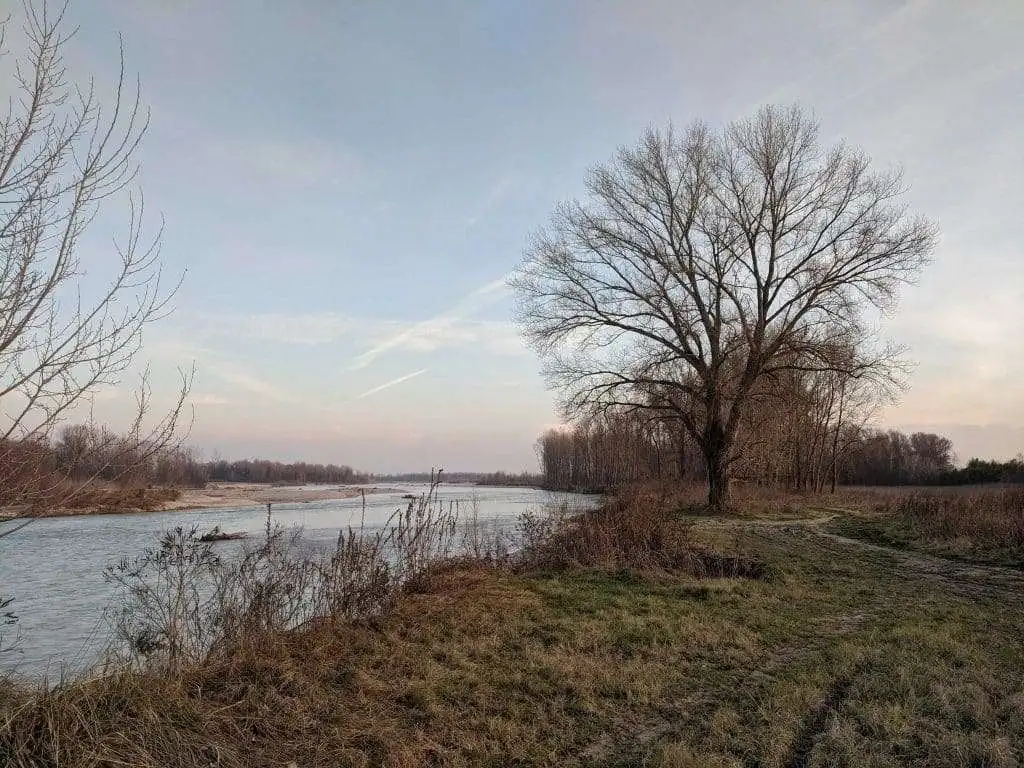
After a brief retreat along the banks of the Tagliamento, on November 9 the Italian forces managed to organize a line along the Piave river, whose defense would determine the fate of the war.
During the months of November and December 1917, a bloody and decisive delaying battle took place, during which the Italian army, animated by incredible resolve and ardor, was able to block and finally repel the advance of the Austro-Hungarian and German regiments.
At the Molino della Sega, on November 16 and 17, 1917, the boys of ’99 had their baptism of fire, very young soldiers whose tenacity and courage enabled them to perform heroic acts decisive for the victorious outcome of the Great War.