
Explore the historic heart of Treviso: how did Piazza dei Signori look in the 18th century?
The Piave River
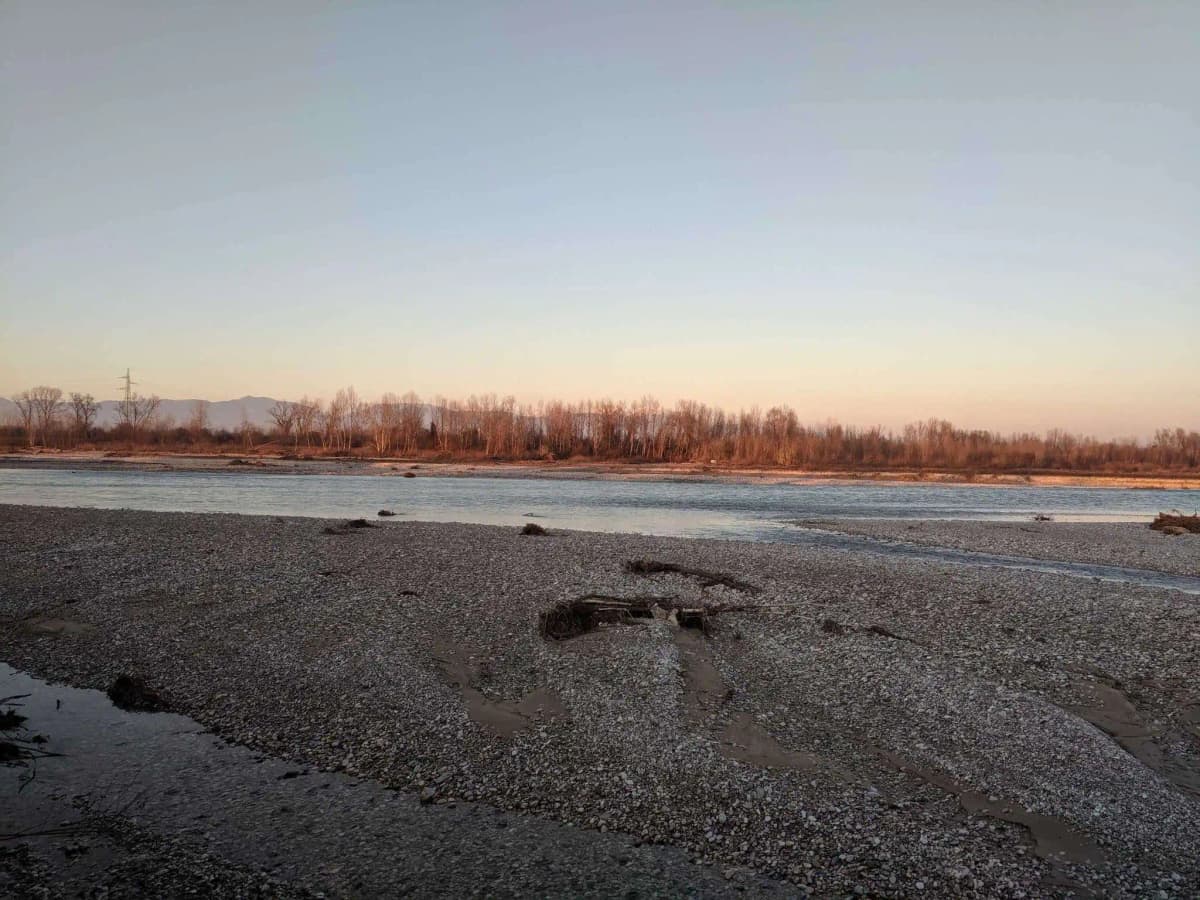
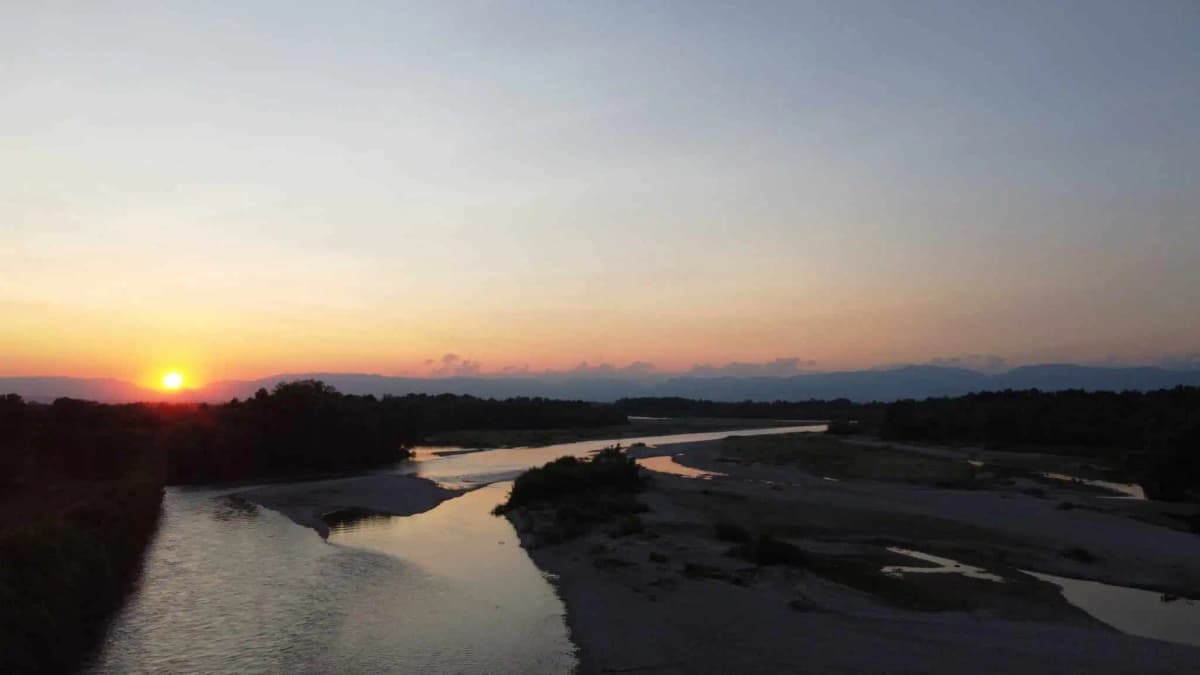
A natural border between the municipalities of Breda di Piave and Ponte di Piave, the river sacred to the Fatherland represents an unmissable destination for anyone wishing to immerse themselves in the pristine environment of our territory, admire its natural beauty in every season, and be enchanted by the murmur of the waters of the Piave River.
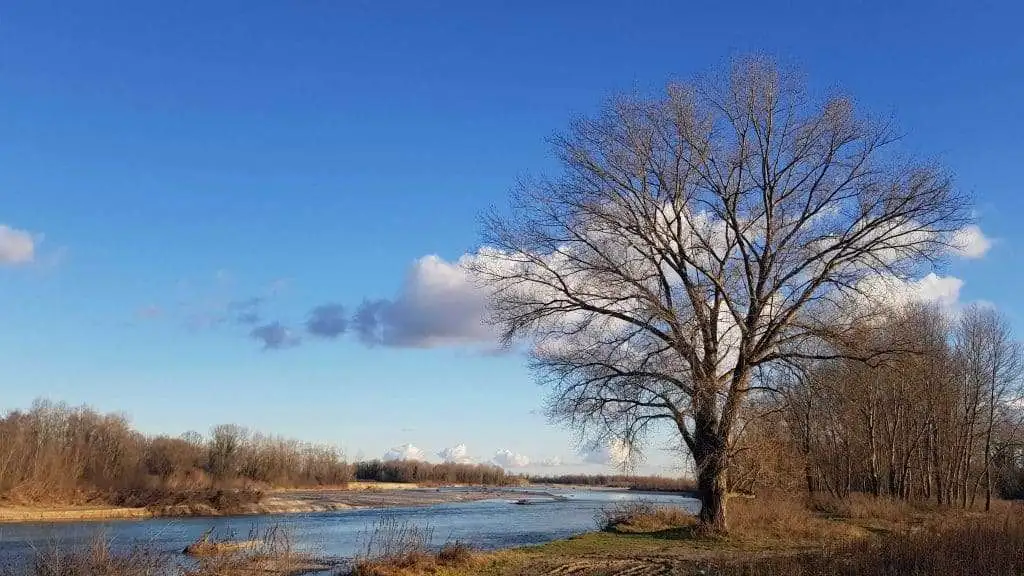
A cold silver ribbon with a changeable and often impetuous course, the Piave River has defined over the centuries dialectal differences, customs and traditions, marked borders, fostered trade, and provided resources. One of the most significant symbols of the Great War, the Piave claimed the souls of thousands of soldiers who fought in these places to repel the Austro-Hungarian and German armies in 1917 and 1918.
Trenches at Saletto di Breda di Piave
The trenches found at Saletto di Piave and carefully restored by the group of the Caimani del Piave, belonging to the cultural association Argine Maestro, are a testament to the unwavering valor, courage, and spirit of sacrifice that allowed Italian soldiers, with the support of the Allied divisions, to halt and repel the Austro-German advance following the defeat of Caporetto.
Restored trench at Saletto di Breda di Piave
Mulino Marchesin – Rosa Rosae Restaurant
In addition to the Molino della Sega (an ancient building used for grinding wheat and grain, with an attached sawmill), whose memory is kept alive by a white monument of karst rock placed at the border between Breda di Piave and San Biagio di Callalta, the former Mulino Marchesin (Via Molino 1, Breda di Piave) was a bulwark of considerable importance during the Great War.
In this sixteenth-century building, on June 18, 1918, Costantino Crosa from Biella fell, a Captain of the Alpini who had been ordered to garrison the old mill on the Piave line. Targeted by Austro-German bombardments, the twenty-nine-year-old captain and his men were able to repel the enemy offensive in one of the most delicate phases of the conflict along the Piave line.
The skilful restoration process has restored the Mulino Marchesin to its original splendor, enhancing its ancient soul. The splendid building now houses the renowned Locanda and restaurant Rosa Rosae.
Villa Spineda dal Vesco
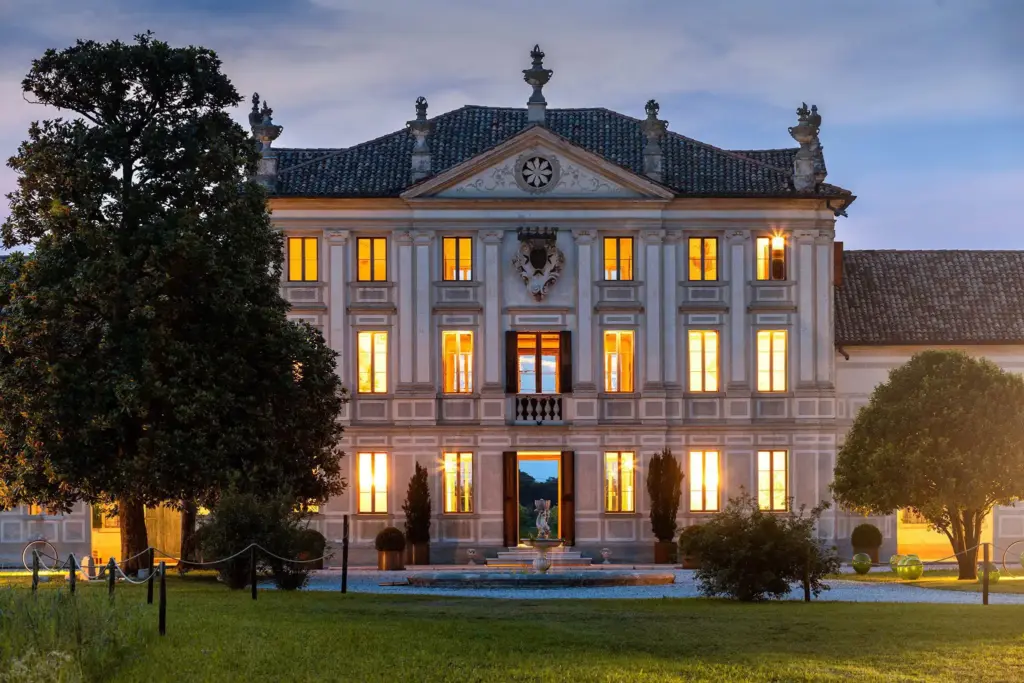
Commissioned by Count Giacomo Spineda from the architect Giovanni Miazzi, Villa Spineda dal Vesco is a fascinating 18th-century property harmoniously set in the heart of the Marca Trevigiana. Located at Via Alvise dal Vesco 3, the noble residence consists of a three-story central body flanked by two symmetrical porticoed barchesse.
Embellished by the coat of arms of the Spineda family, the southern facade of the manor overlooks a large tree-lined garden adorned with a precious stone fountain. The vast and bright rooms of the noble house are decorated with invaluable frescoes by Giuseppe Bernardino Bison, a famous artist active in the Treviso area around 1793. The thriving agricultural area extending north of Villa Spineda dal Vesco, now cultivated with arable crops, is crossed by a perspective pathway framed by lush rows of vines. For more information, you can visit the website www.villaspinedadalvesco.com.
Frescoes of the Church of the Conversion of Saint Paul
When you enter the majestic place of worship, embellished by an extraordinary heritage of paintings and sculptures, you are struck by the grandiose fresco by Antonio Beni adorning the ceiling of the central nave, depicting the Conversion of Saint Paul.
Leaning against the apse of the parish church stands a medieval tower, the original bell tower of the church.
Bosco Galileo
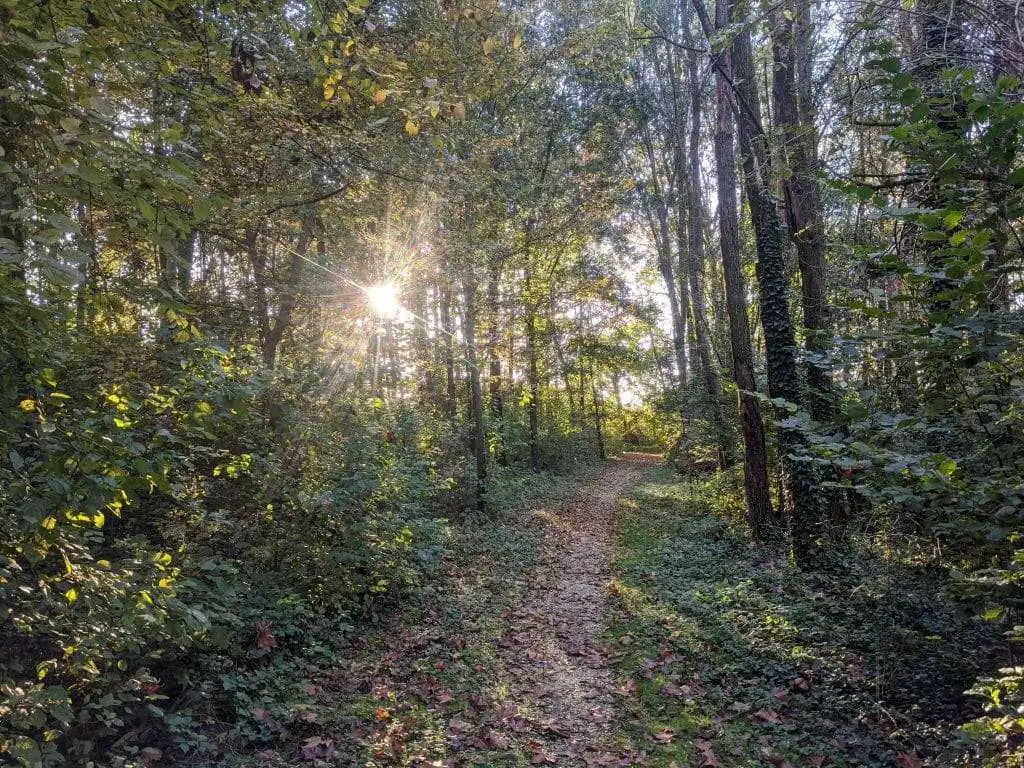
With an area of 25,000 m², the Bosco Galileo is a small green lung surrounded by the vast rural landscape of the municipality of Breda di Piave. What makes the Bosco Galileo an unmissable destination for nature lovers are the clear springs that lap majestic oaks, hornbeams, ash trees, hazelnut trees, alders, and many other lush tall trees.
Bosco degli ontani
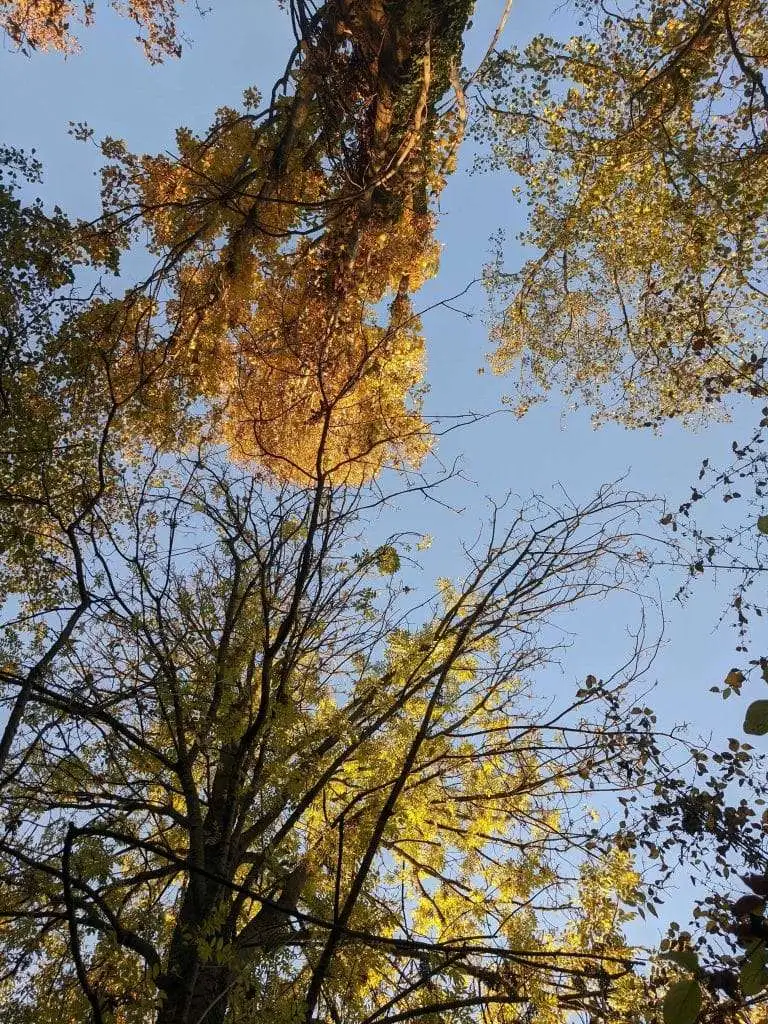
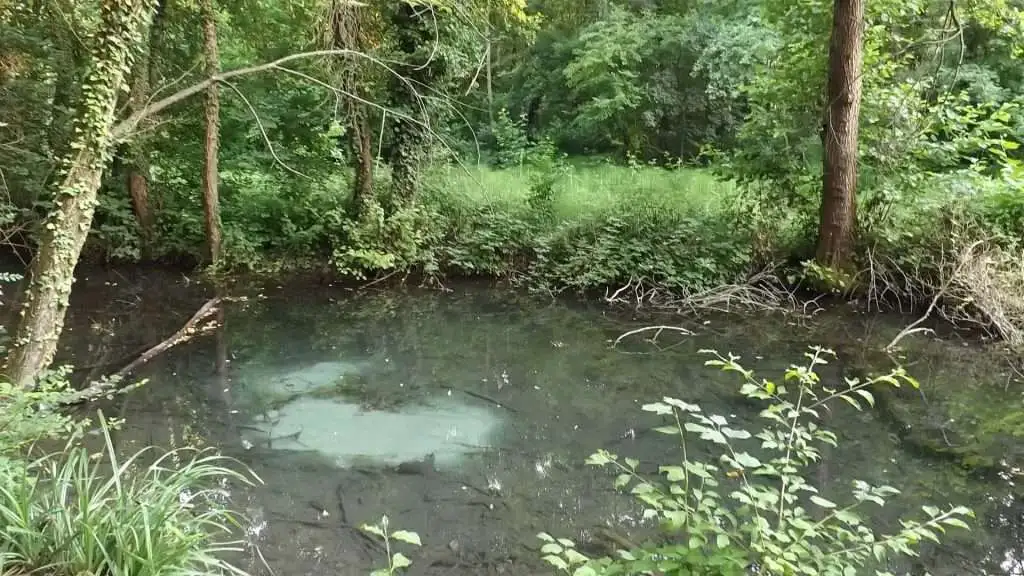
The radiant landscape of the Bosco degli Ontani rises in correspondence with a slight river depression from which crystalline springs emerge, flowing into the bed of the Musestre River. Via a comfortable wooden walkway that goes into the lush forest vegetation, you can contemplate the spectacular variety of bird, amphibian, and fish species that find their habitat in this place.
Chiesetta di San Giovanni Battista
Rising on a green patch of land lapped by the waters of the Musestre in Pero di Breda di Piave, the very ancient church of San Giovanni Battista dates back more than nine hundred years.
Parish Church of Santa Maria Immacolata in Saletto di Piave
Reborn from its ruins in the first half of the 20th century, after being razed to the ground by the bombardments of the Great War, the parish church of Santa Maria Immacolata is characterized by an imposing salient facade facing Piazza Vittorio Emanuele II.
The church is accessible via a white portico with images of Saints Peter and Paul on its sides. Overlooked by a magnificent coffered wooden ceiling, the nave of the place of worship is adorned with magnificent marble altars, precious sculptures, and breathtaking frescoes.